This is Part One of my series Christmas in China.
School term dragged on from August to December without a break. I was more than ready for a holiday and so decided to fly to Chengdu rather than take the train so that I could relax for a few days over Christmas before hefting my backpack and hitting the (rail)road once more.
“Chengdu huanyin nin”, words of welcome from a giant poster of a panda in arrivals. Chengdu is the biggest city in what remains of the pandas’ natural habitat and is a base of panda preservation. Many people come to Chengdu to see the pandas and a large tourist industry has grown to exploit this (pandering to the tourists!).
Part of the reason I chose to come to this corner of the globe was to get away from the heat of Ho Chi Minh City but brrrrrrr I felt cold! When I arrived it was 7°C; a sharp contrast to the 30°C I departed from! It would be a few days before I acclimatised.
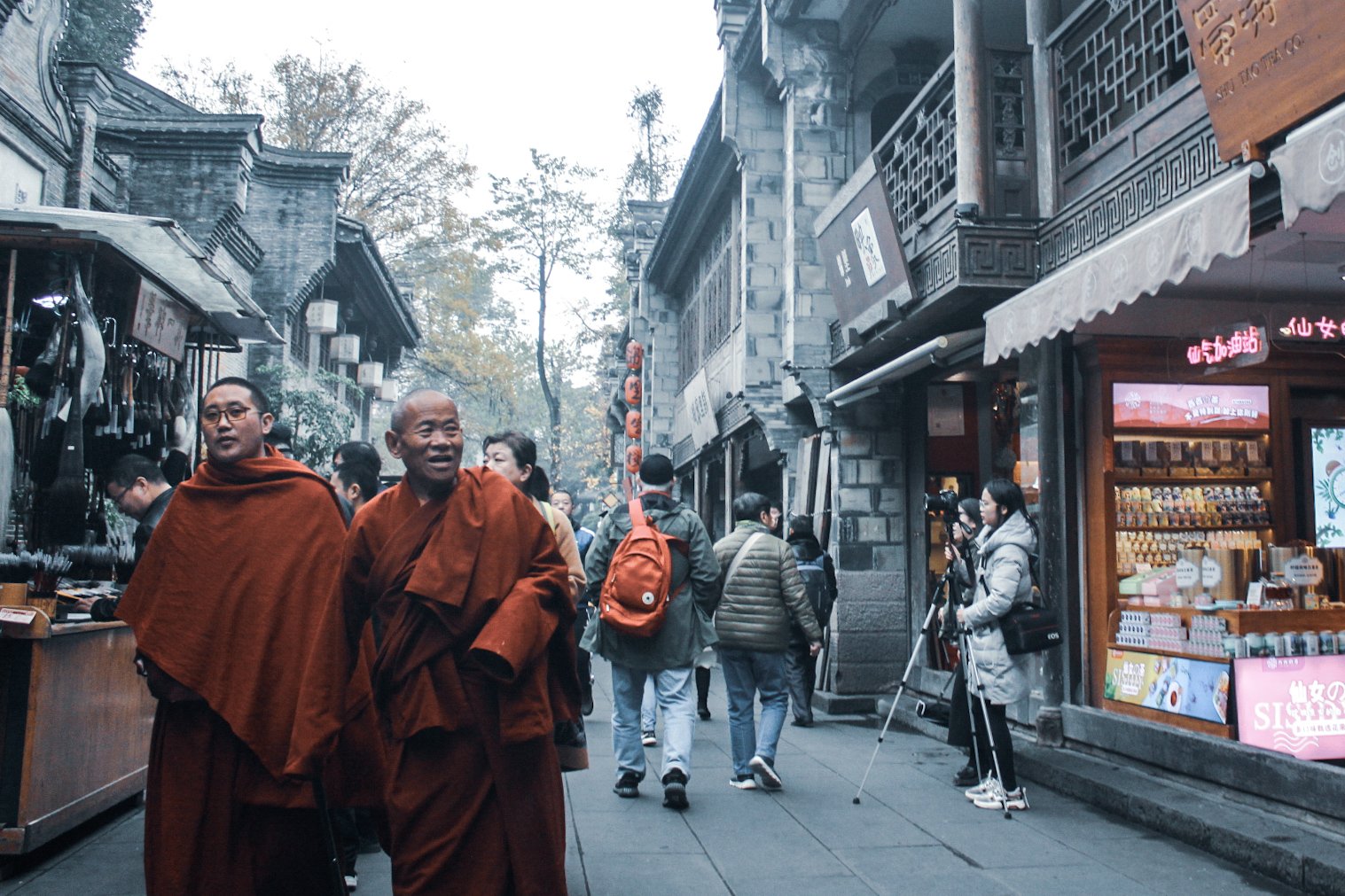
The hostel was full of buddhist monks. Whilst I was leaning on the check-in counter waiting for the attendant to scan my passport, one monk put his hand over mine and gave me a warm smile. An auspicious start to my trip! I had chosen a large, cheap hostel that had good transport links to the airport and the station but by good fortune it was directly opposite Jinli Ancient Street; a picturesque pedestrianised shopping street full of food vendors and souvenir shops as well as an ancient temple and a theatre. Most of my meals in Chengdu consisted purely of delicious street food from here.
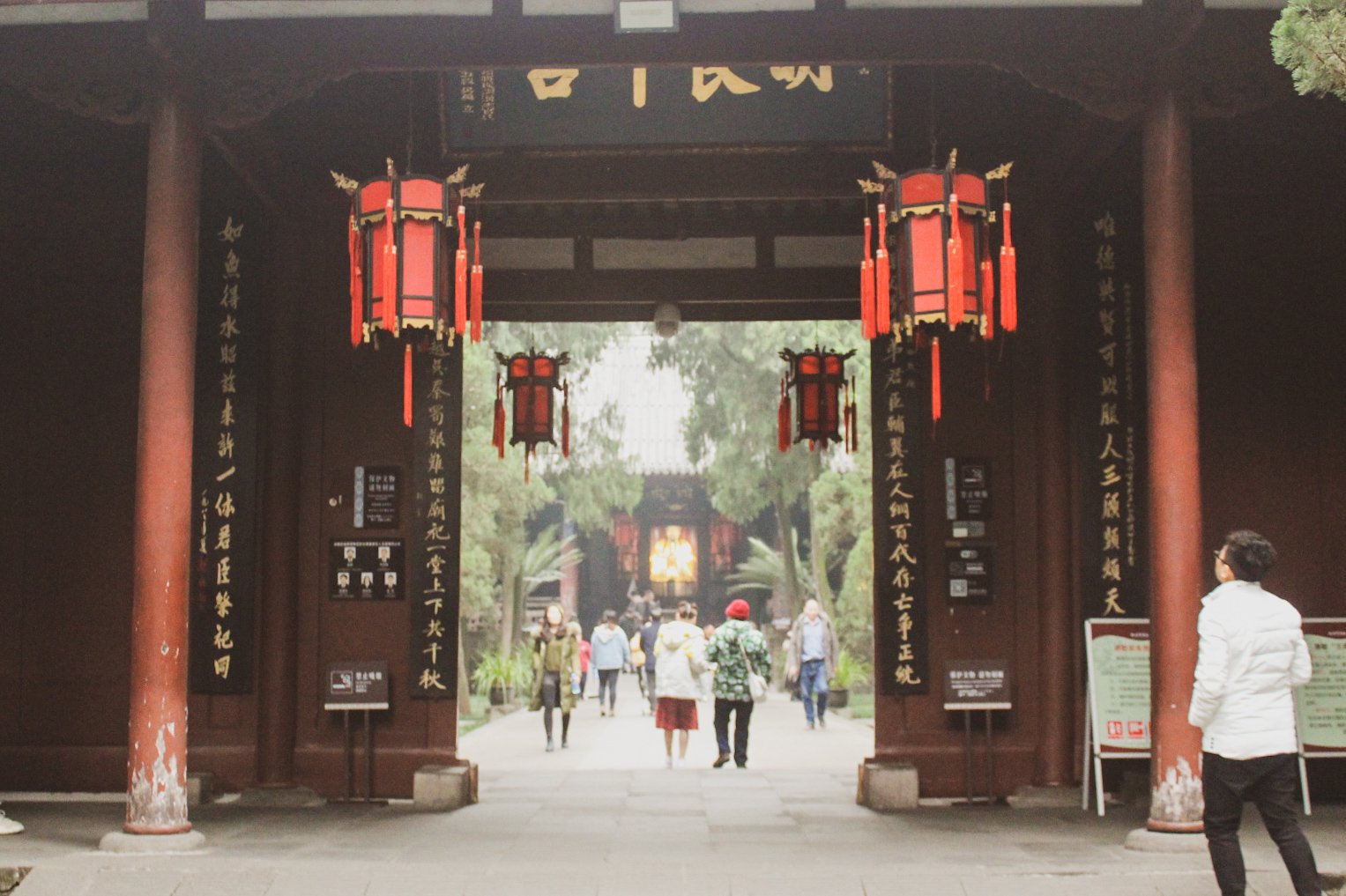
Wuhou Temple sits in the centre of the Jinli area and was a great morning out; it has a two thousand year old burial mound and several beautiful pagodas*. The temple dates back to the Three Kingdoms period and there were many statues of generals. Chengdu was the capital of one of these three kingdoms – Shu – and I learned a lot about this era of Chinese history which was contemporary to the Romans.
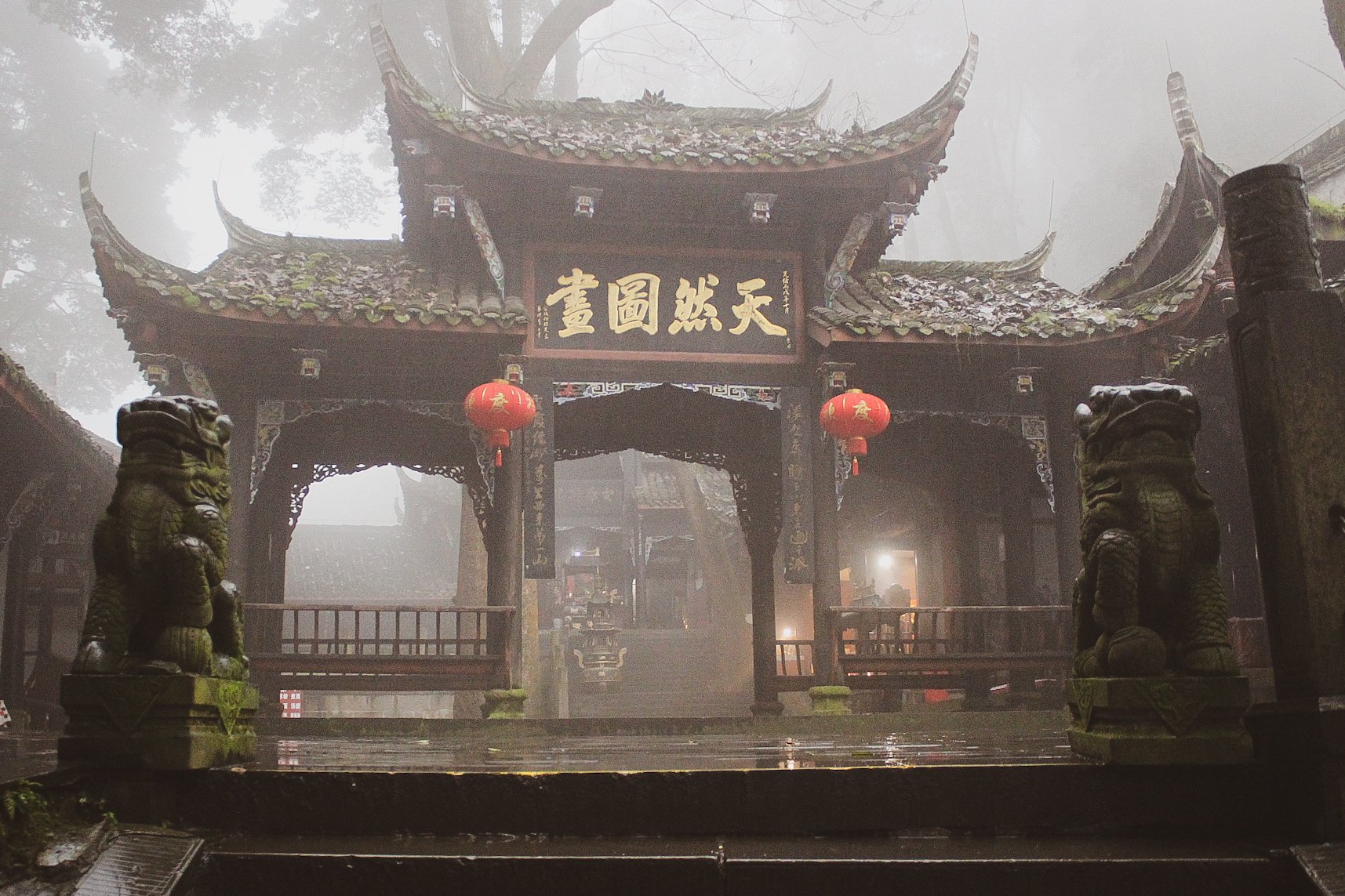
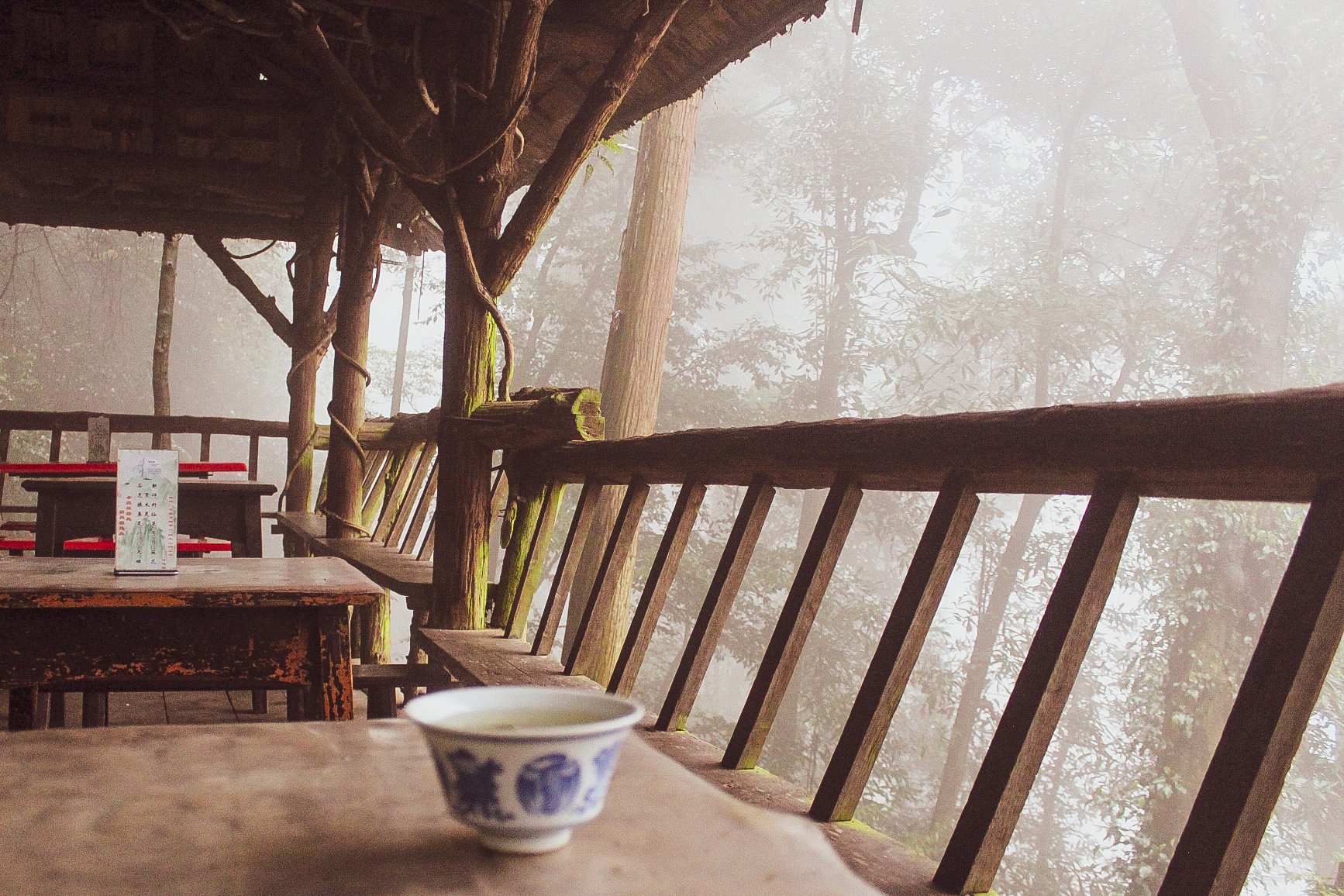
It was Christmas eve babe, and in the hostel… I decided to visit Qingcheng mountain which was recommended to me by my JPMorgan colleague who hails from Chengdu. The mountain is a World Heritage site and possibly the most sacred place in Taoism. It was sadly a little over-commercialised but it was a lovely day out; walking in the misty bamboo forest, peering out at peaks that look just like a traditional Chinese painting. The mountain is littered with temples where various Taoist masters found The Way. I climbed to just shy of 4000 feet which would qualify the mountain as a Munro but it was nothing compared to what I had to come!
I had planned to go to the panda research base on Christmas Day but I met up with some locals and we changed plans a bit. I went to see the pandas on boxing day instead. Christmas day was quite a lazy day; I slept late, went to the Jinli ancient street for coffee and breakfast. In the evening we went out for a Christmas dinner which was interesting… It was in a wine bar which I think wanted to plug itself as trendy and western. They did a reasonably priced set meal for Christmas so we chose there. The set meal was odd and disappointing featuring Heinz mushroom soup, some little bits of chicken, onion rings (the highlight) and two pizzas.
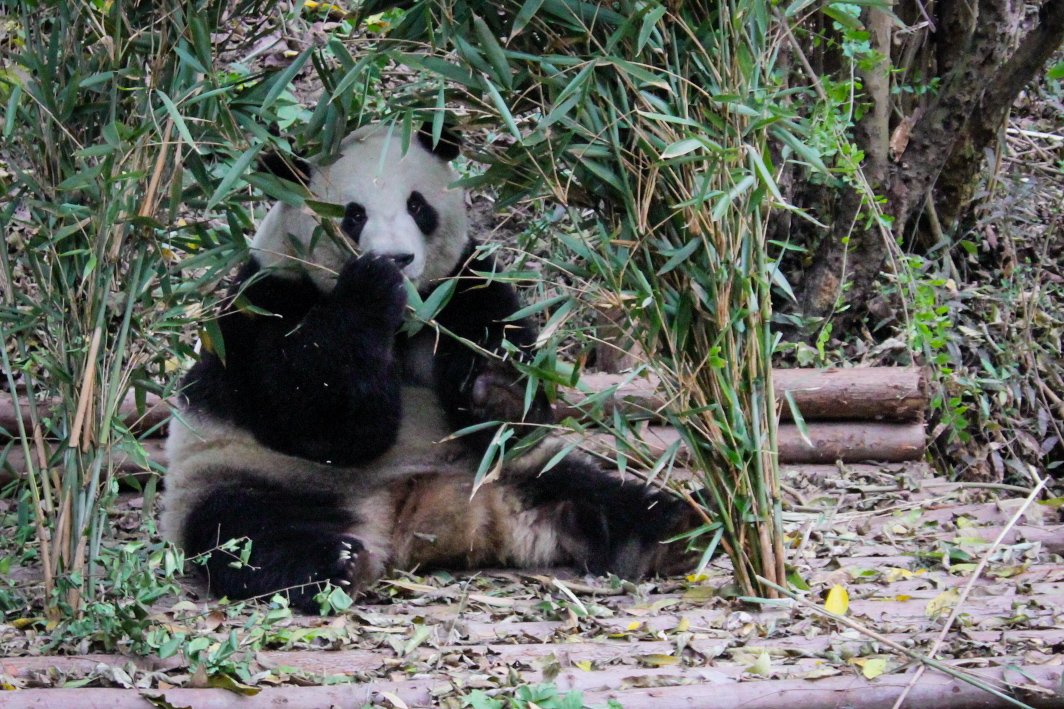
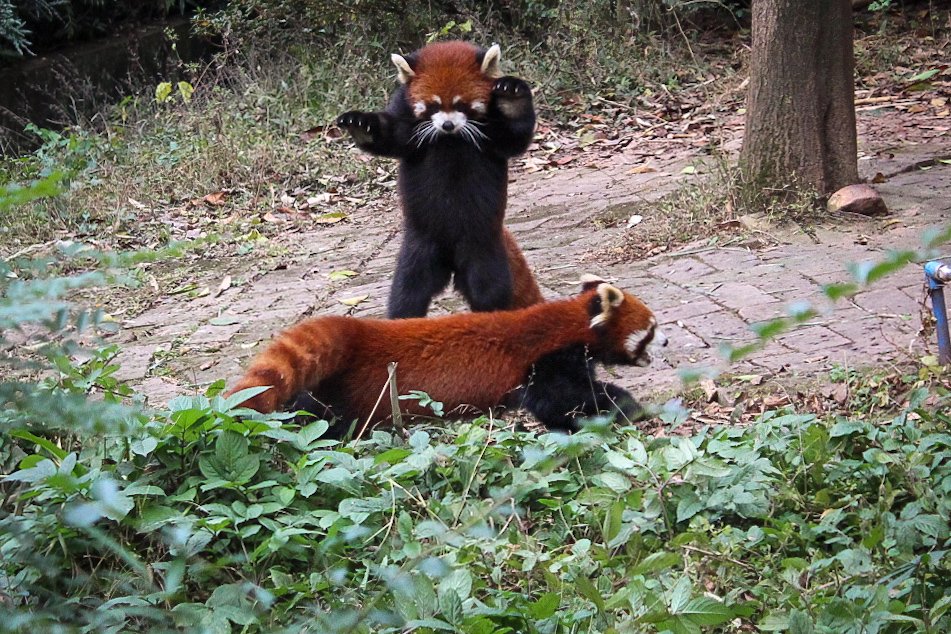
Early boxing day morning we took the subway to Panda Avenue where we caught the shuttle bus to the Panda Research Base. This turned out to be basically a zoo where the only animals were pandas and red pandas.
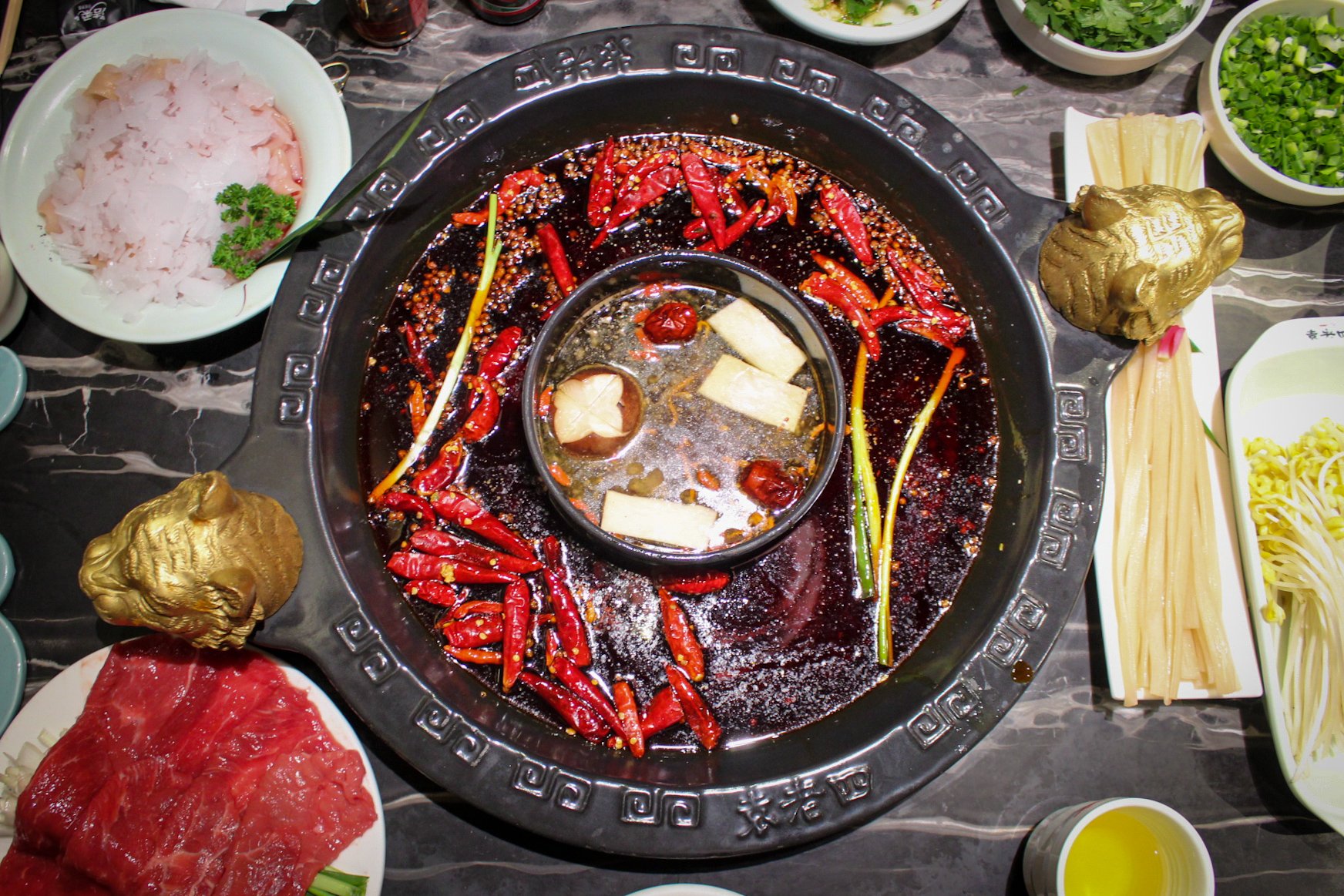
After seeing all the pandas we could, we headed back to the city centre to eat the famous Sichuan hotpot! This was incredibly spicy. Sichuan is famous in china for it’s chili peppers and pepper corns. The chilies have a distinct flavour that was in nearly all the food I ate in Chengdu. The pepper corns are odd because they almost have a cooling effect like menthol. The hotpot has plenty of both and it gets stronger the longer you are at the restaurant. What is translated to English as hotpot in china is very different from a Lancashire hotpot (a type of English stew), it is an enormous dish full of broth heated from below where diners around the table cook their own food.
Feeling the fiery warmth of hotpot from the inside-out, we went rounded off the day with a visit the Chengdu Museum which was well worth a visit; I learned a lot and it was full of great artifacts covering thousands of years.
Overall I really liked Chengdu and would recommend it as the best Chinese city to visit for food, culture and pandas.
*: a point about the term pagoda. In Vietnam and Southeast-Asia in general, the word pagoda refers to the whole temple complex however in china we use pagoda to refer to a single building, “a tiered tower with multiple eaves”
 Eastward Ho!