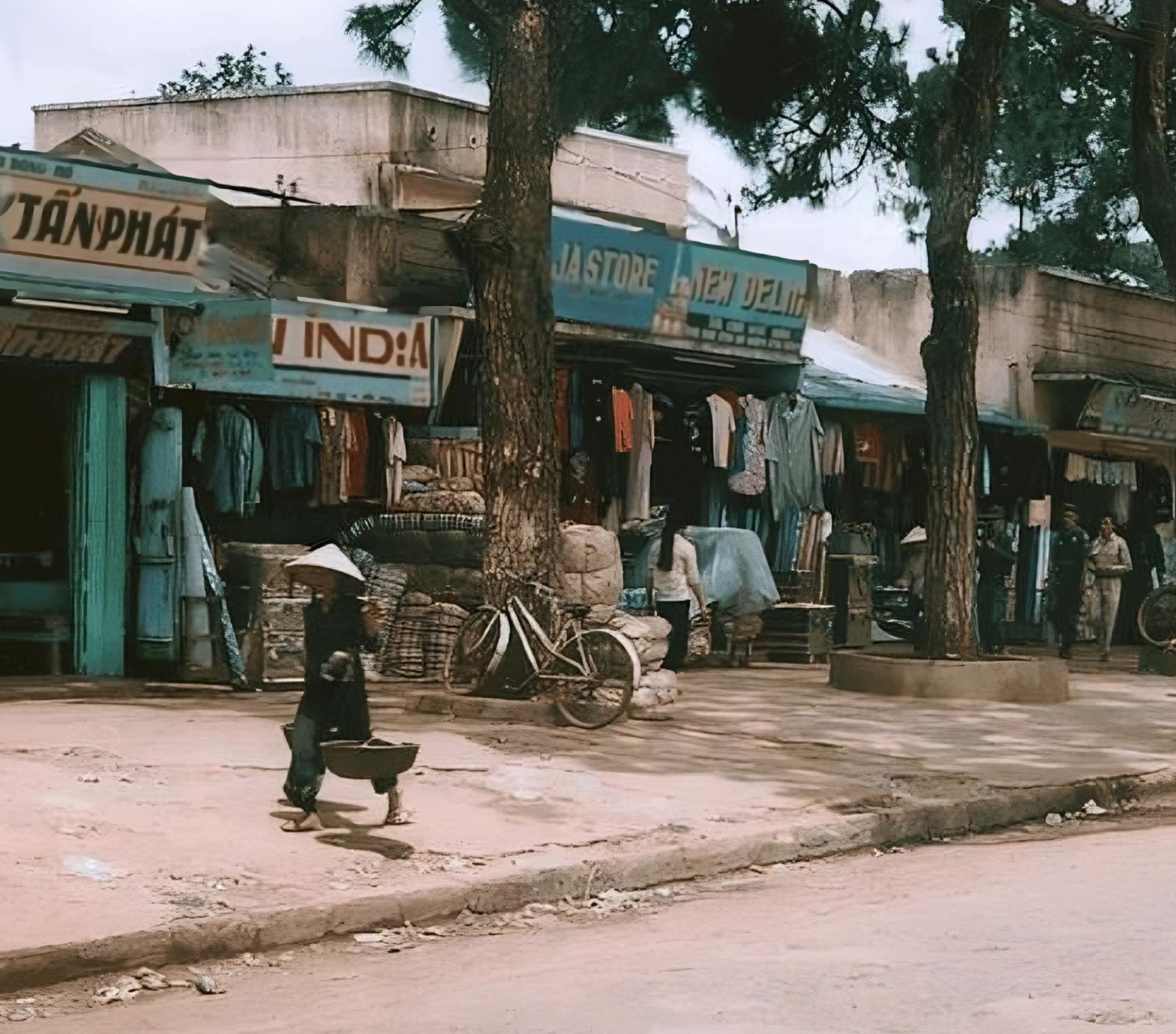

The history of the type of jacket called a “Pleiku Jacket” starts in the aftermath of the Second World War. At that time, the remnants of parachute capes found new life as they were transformed by American soldiers into what came to be known as souvenir jackets. These jackets, inspired by baseball jackets of the time, often showcased intricate Japanese designs, reflecting the cultural exchanges of the era – dragons and tigers were particularly popular.
This trend continued through the Korean and Vietnam Wars.. It was here in Pleiku that these jackets truly made their mark. Handmade by skilled Indian tailors, these creations became known all over Southeast Asia as Pleiku Jackets. Not only did they put the small town on the map but also left a lasting impression on the culture of the Vietnam War, both in Vietnam and back in the United States.
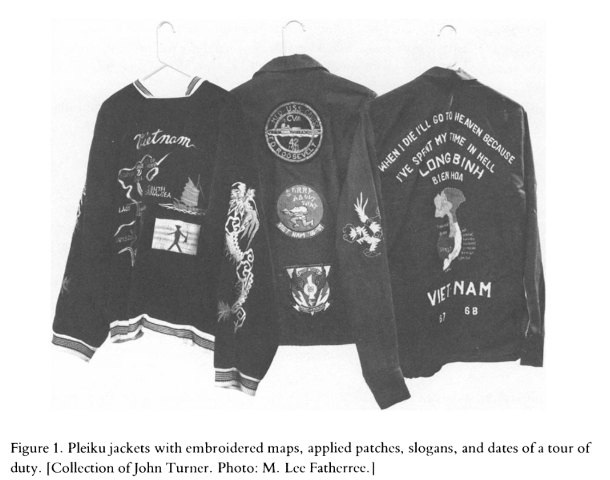
“One of the most visible forms of material culture of the GI experience in Vietnam were the embroidered jackets known as “Pleiku” jackets – decorated jackets featuring dragon designs, stylized maps, flags, eagles, and verses. Decorated “tour” jackets, whether they be “Pleiku” jackets (names for the established practice of making these jackets in Pleiku, Vietnam) or decorated working jackets worn by sailors, were visual testaments to membership in both a branch of service and a distinct smaller unit.”
“Souvenir jackets were not only made for GIs to wear; children’s sizes were also produced. Decorated with city names, with the dates of a tour of duty, a map of Vietnam, and with American and Vietnamese flags, these silk jackets carried the words, “My Brother is in Vietnam.” Sent home to younger brothers, these jackets appeared on playgrounds during the wartime years – although they were rarely worn due to the antiwar sentiment at home”
source: C. KURT DEWHURST The Journal of American Folklore Vol. 101, No. 399 (Mar. 1988), pp 48
“the almost universal slogan on tour jackets, “When I die I’ll go to heaven, because I’ve spent my time in hell,” followed by the city in which one served and the years of one”
source: STEPHEN SOSSAMAN, The Journal of American Folklore, Vol. 102, No. 403 (Jan. – Mar., 1989), p. 76 (1 page)
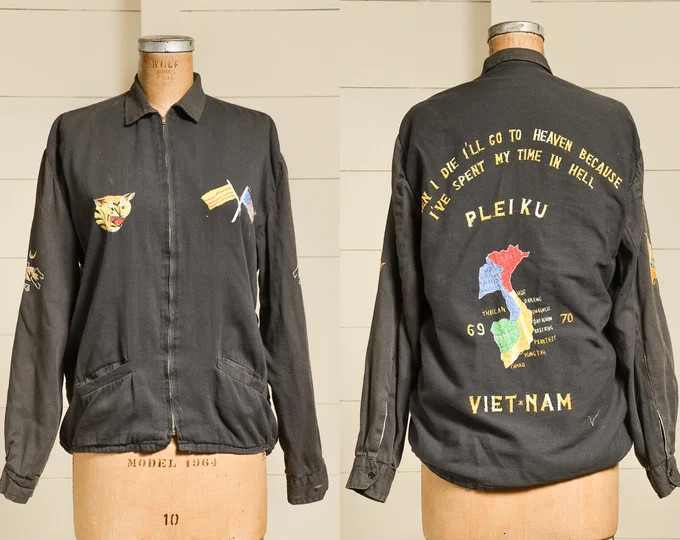
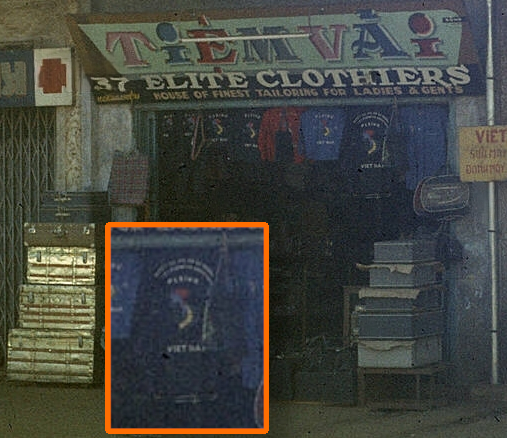
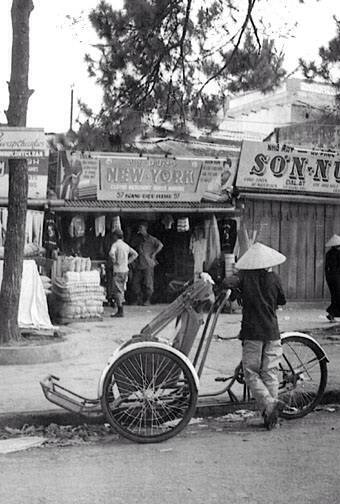
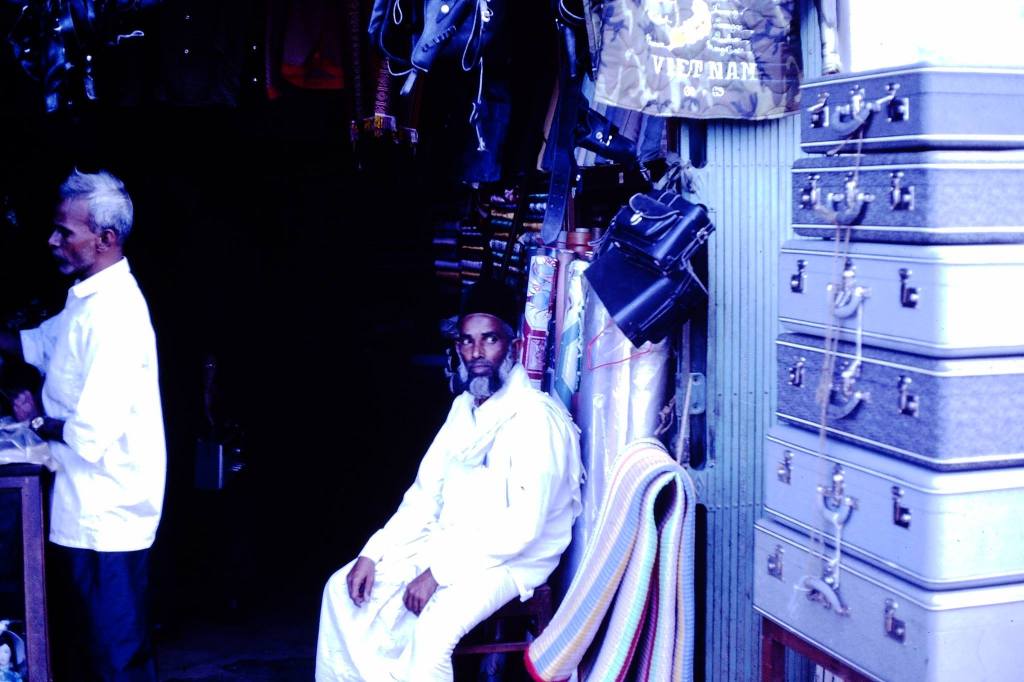
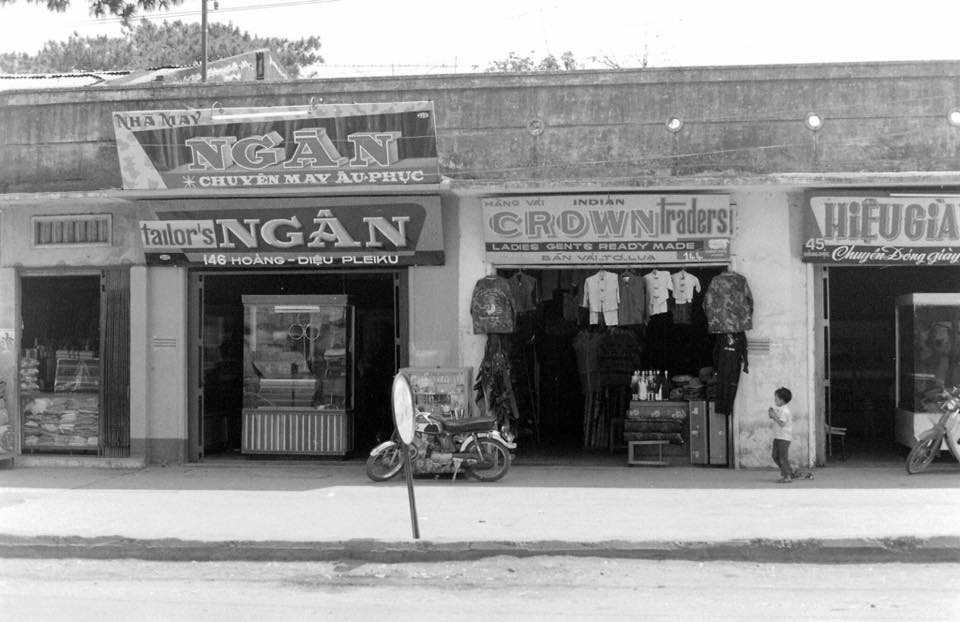
Indian Tailors of Pleiku
“The main drag had a series of textile shops owned and managed by the Indians of dark complexions.“
David Grant Noble on his time in Pleiku in 1962 (Saigon to Pleiku 2020)

Patches
Soldiers often went further to customize their jackets with patches, turning each Pleiku Jacket into a unique memento of their service. These patches added a personal touch, reflecting individual experiences, affiliations, and sentiments. These customizations made each jacket a distinctive piece of history, capturing the diverse and personal stories of those who wore them. A poular motif on the patches was the phrase “Sorry about that”.
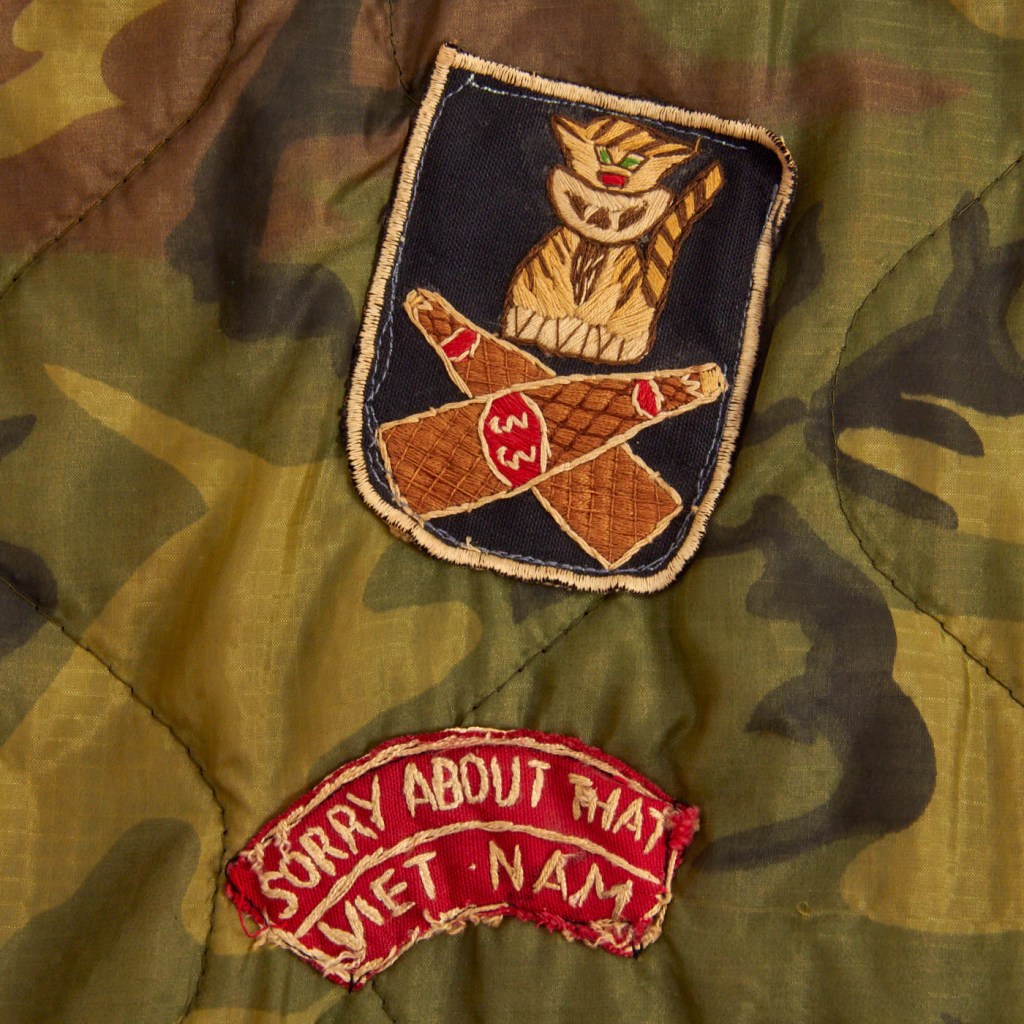
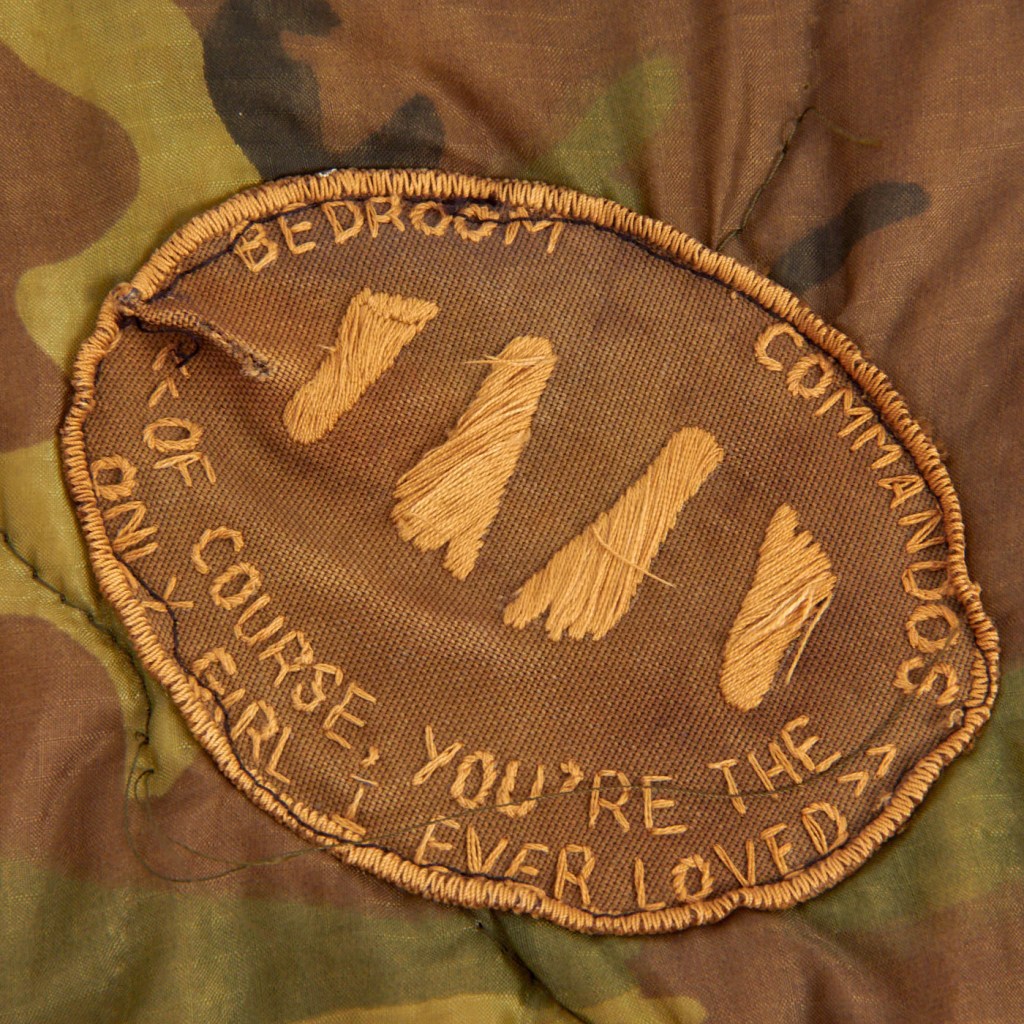
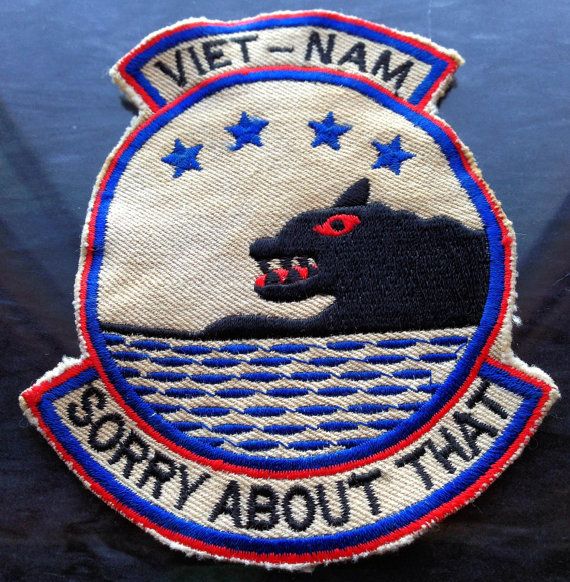

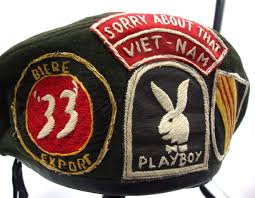
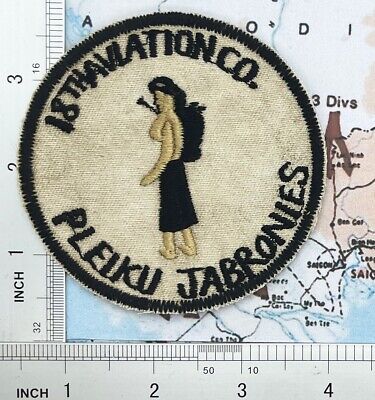
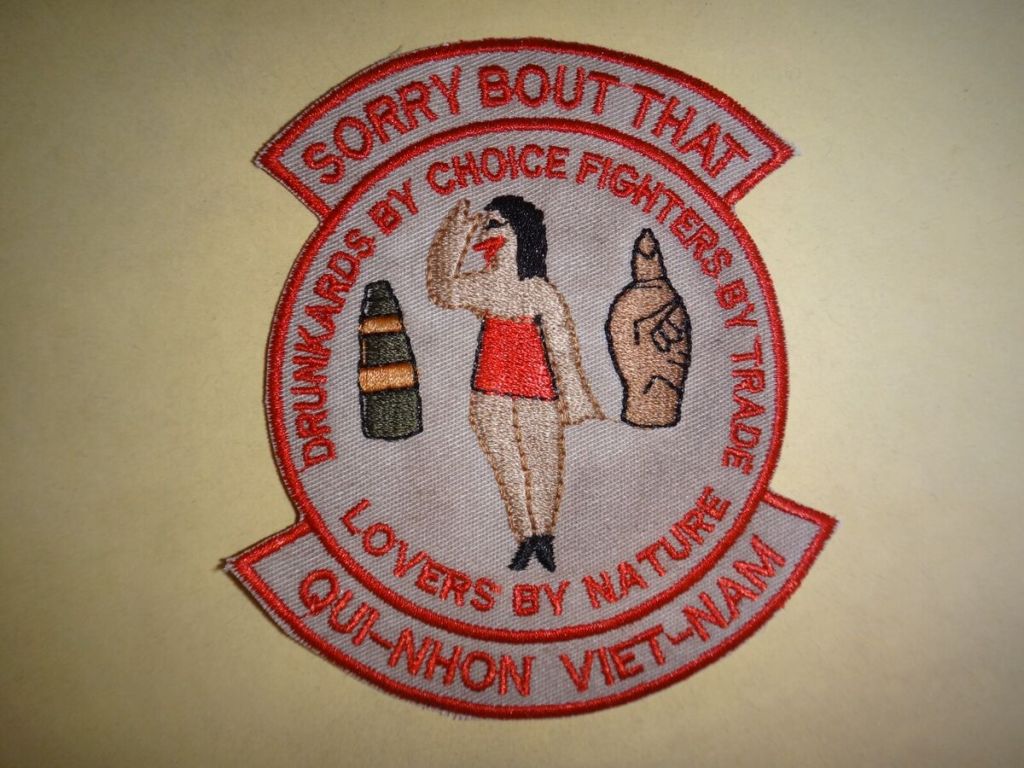
“If we were bombing “those gooks back into the Stone Age,” well buddy, sorry about that. While attached to a Marine Corps group, I heard the phrase repeatedly used by “grunts” whenever the conversation swung to destruction of hamlets or civilian casualties. The attitude was . . . well, that happens, there’s nothing I can do about it; sorry about that” – Andrew Shinnick
After the War
“I only wore my working jacket once after I left the Navy in 1967. I went to a bar in West Palm Beach shortly after being discharged. I was with a friend who had not been in the service. He was uncomfortable about my wearing it, but he didn’t say a word until later. At the bar, I was immediately singled out by several young patrons. No one said anything directly to me, but I couldn’t help but hear the comments . . . the usual “Baby Killer” crap I read about. I was astounded.. . .I was terribly embarrassed and then angry. I never wore the jacket again.”- Andrew Shinnick
“there are not a whole lot of them [jackets] around because they were shed like snakeskin at the departure gate at Tan Son Nhut, dumped in trash cans at the Oakland outprocessing center, and kindly left for the Salvation Army pickup by parents who cleaned out their son’s closet. The memories are just too strong” – John Turner
If anybody has a photo from the 60s or 70s of someone wearing a tour jacket please get in touch, I can’t find any photos online and I’d love to include one
 Eastward Ho!