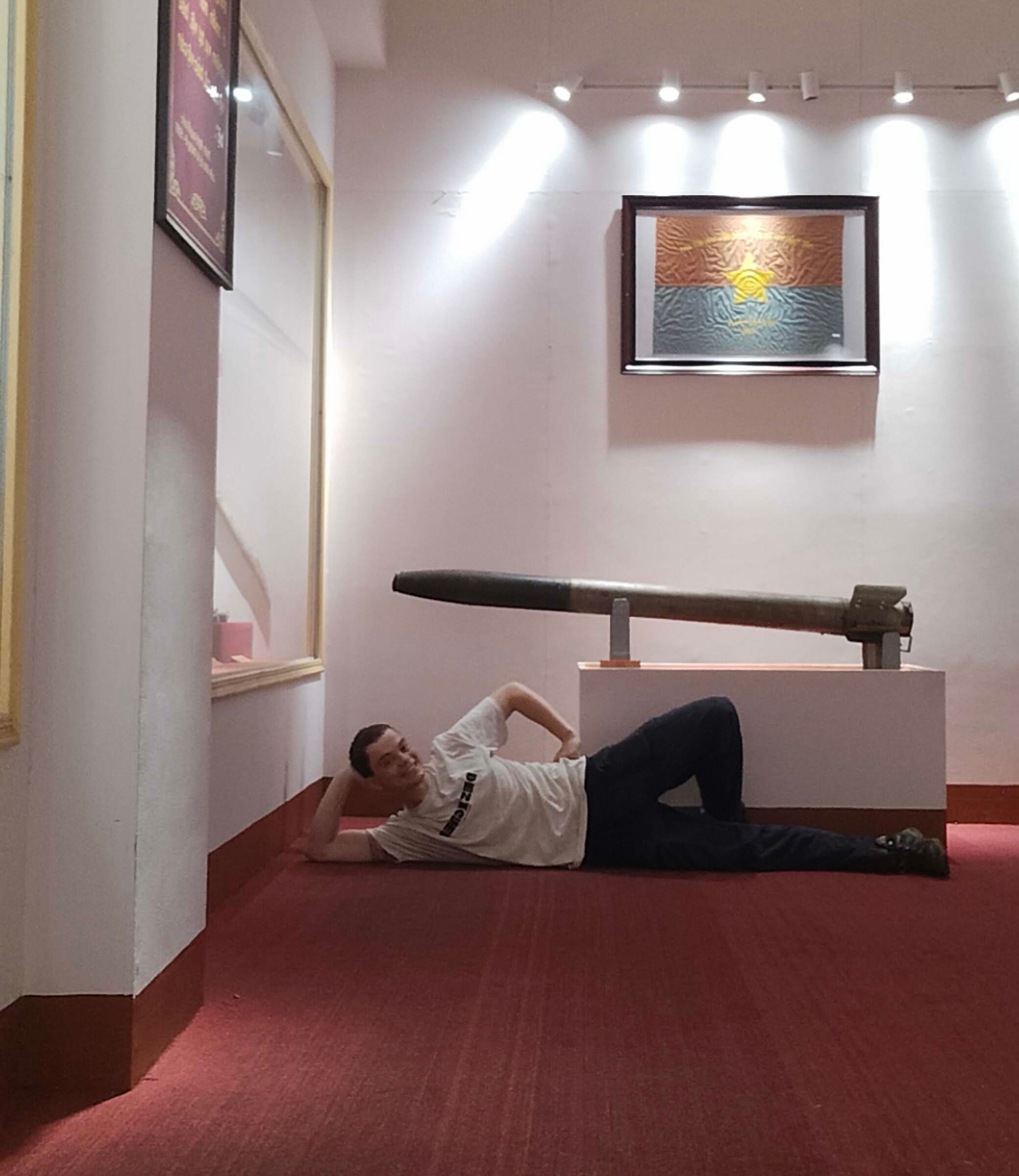
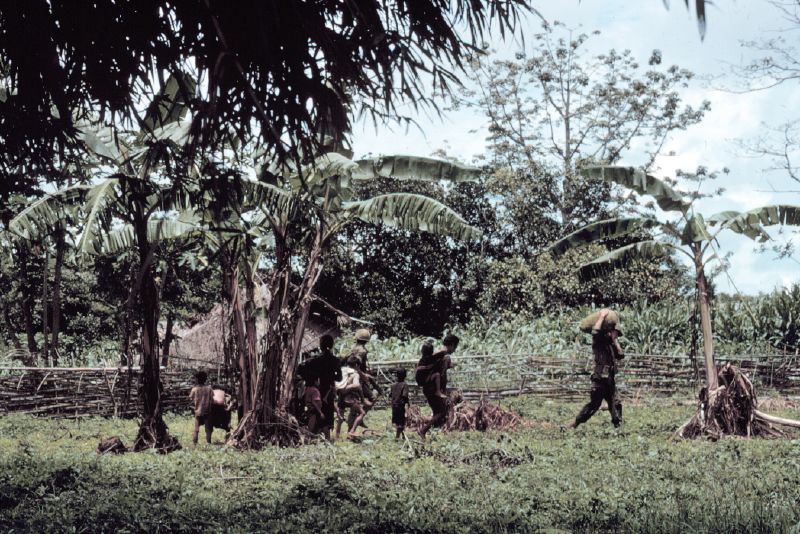
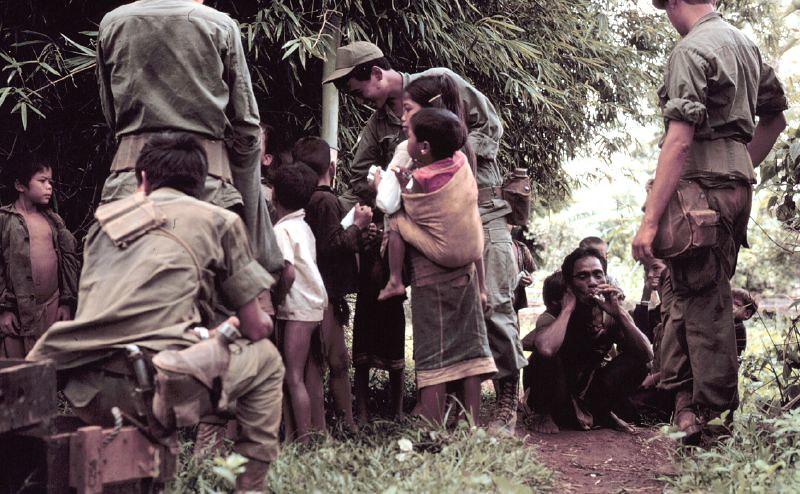
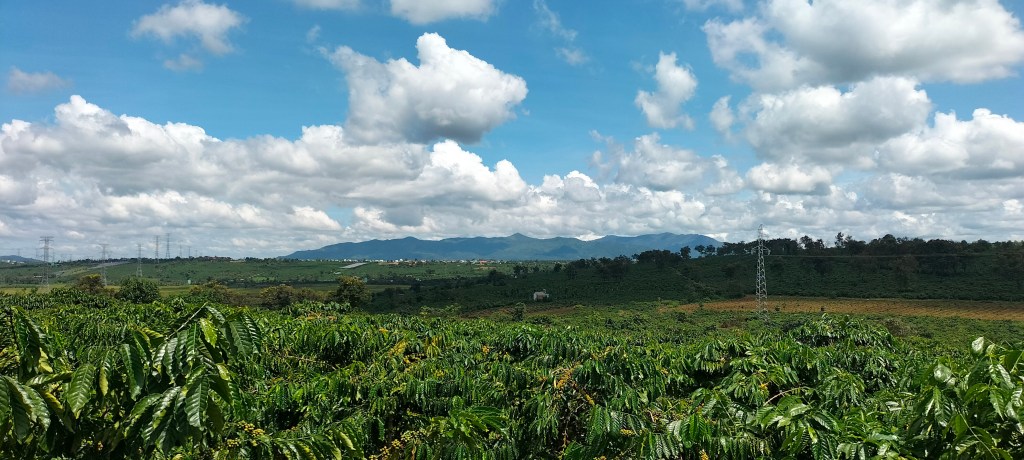
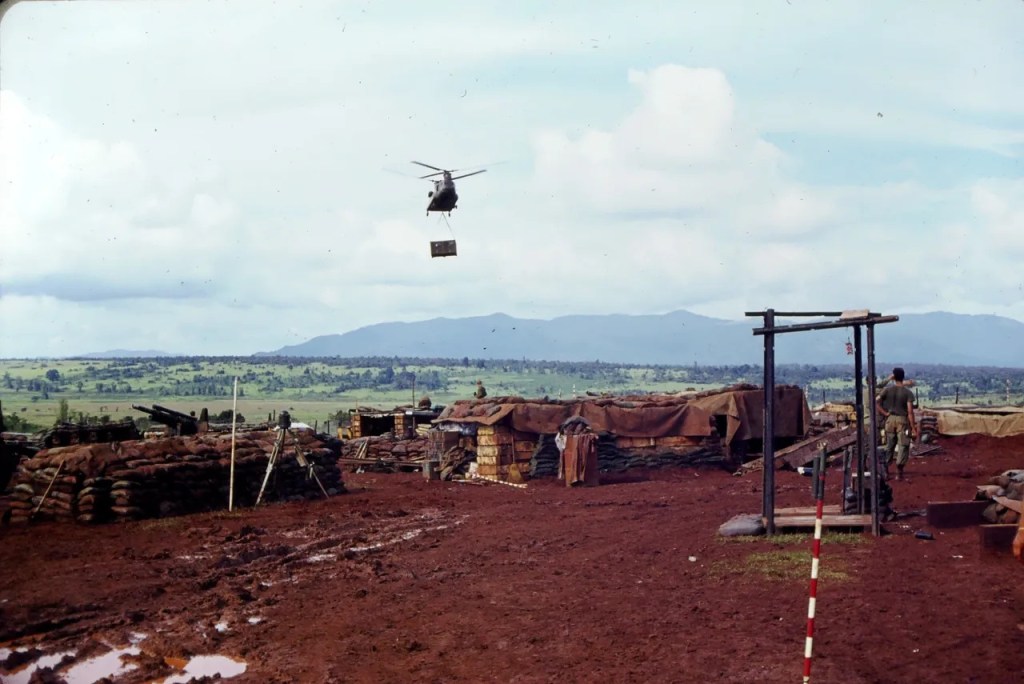
During the Vietnam War, Da Nang earned the nickname “Rocket City” because of the near-constant barrage of rockets launched by the Viet Cong. But what fewer people know is that Pleiku had its own version of this during the war, a place that became known to soldiers as Rocket Box. It was located about 20km from Pleiku the city, and was the area west of the POW camp and was bombarded with rockets fired from the jungle of Chu Prong. Back then, it was a hotbed of military activity, but today, it’s just another quiet stretch of land, its violent past largely hidden beneath the coffee fields.
“This area was called the rocket box, as it was the right distance for the enemy to fire 122mm rockets towards our base camp.(source)”
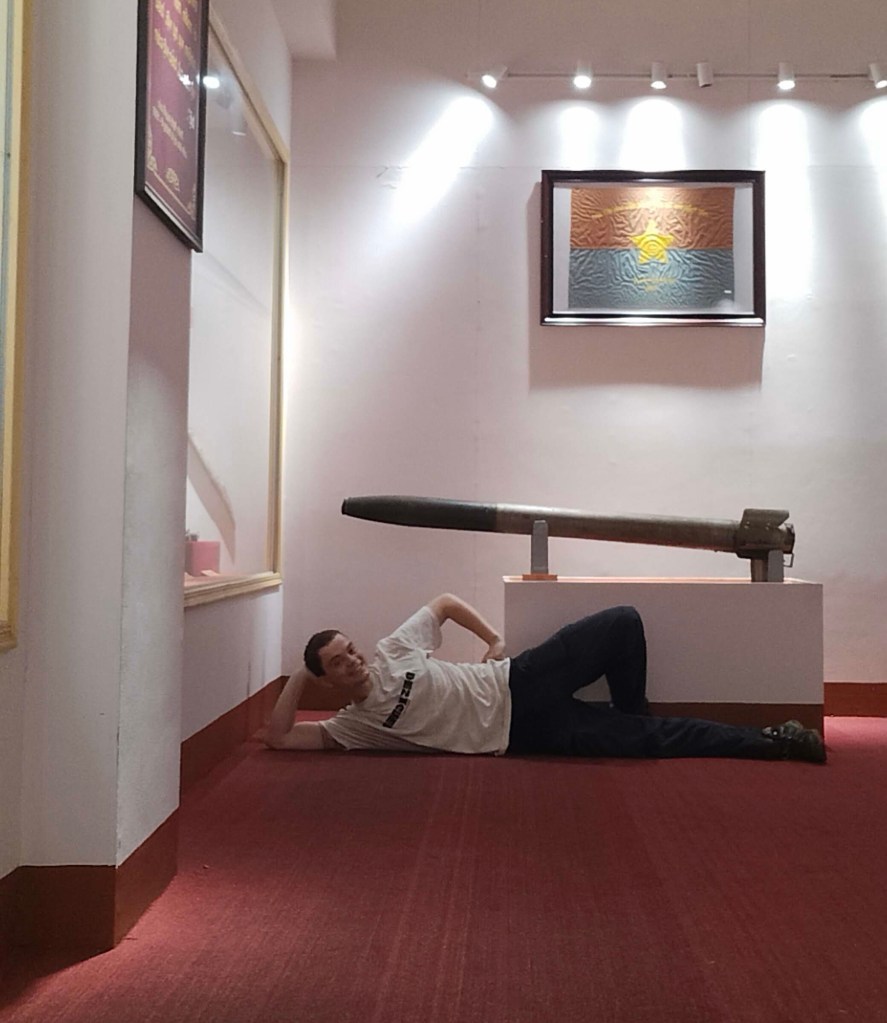
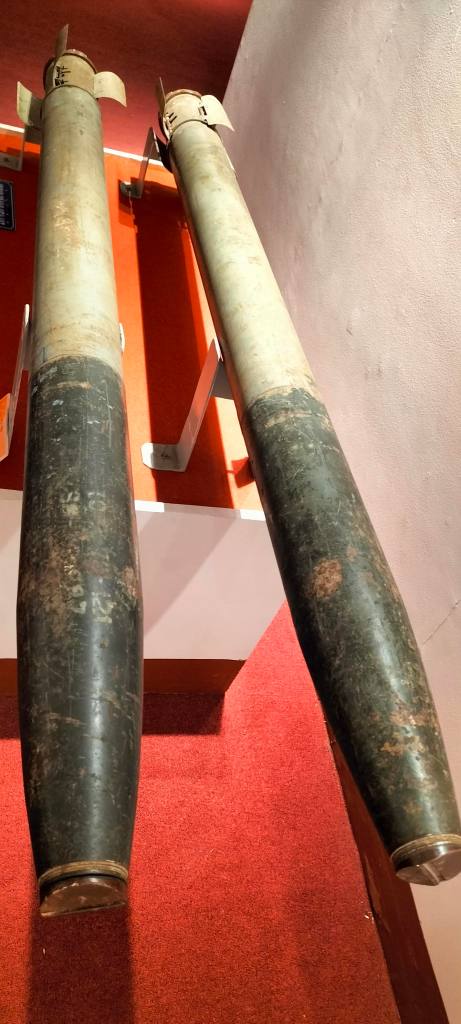
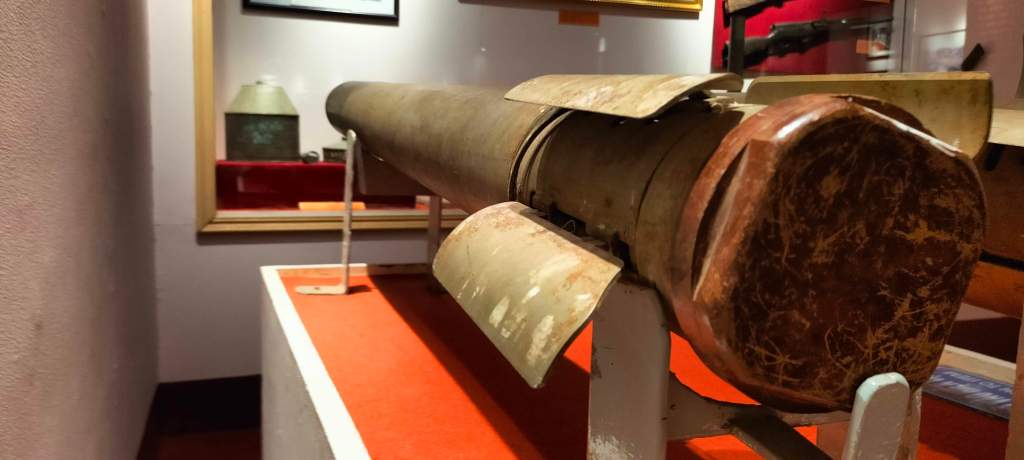
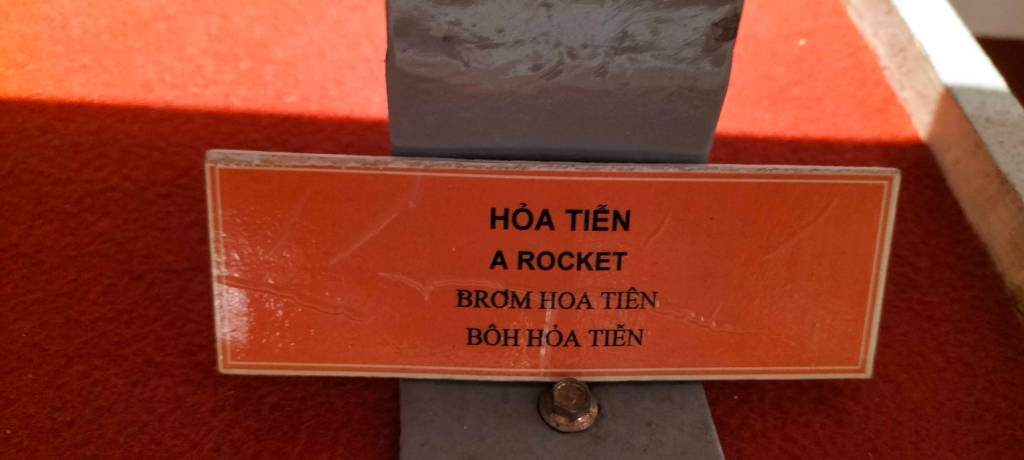
I wondered if some of the old 122mm rockets like those used at Rocket Box had found their way into Pleiku’s museum. I popped over to find out. After paying 10,000 dong for my ticket, I wandered inside, finding myself as the only visitor in the entire building. I quickly found the rockets upstairs in the war history room. Unfortunately, the staff seemed as uninspired as the museum’s attendance numbers. The woman at the front desk was chatting with her friend and didn’t seem the least bit interested in my questions about the rockets – where they were sourced or who might know more about them. I was met with blank stares and shrugged shoulders. So I took some photos and went on my way.
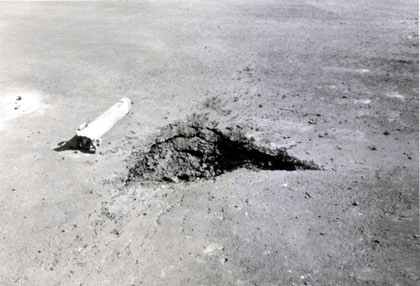
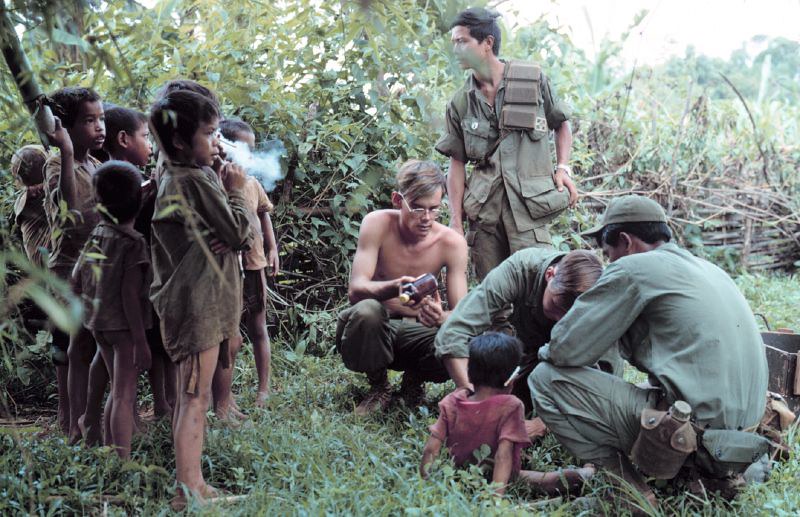
II Corps Headquarters, RVN, 1971
“The launch system was often just prop it up pointing in the right direction and shoot. But with no guidance system and a range of many miles to targets beyond sight, the VC couldn’t actually target specific buildings or predict where they would strike. That poor accuracy played to their advantage since they were pretty much for harassment and we all knew that even low value targets were just as likely to be hit as the high value ones.” (source)
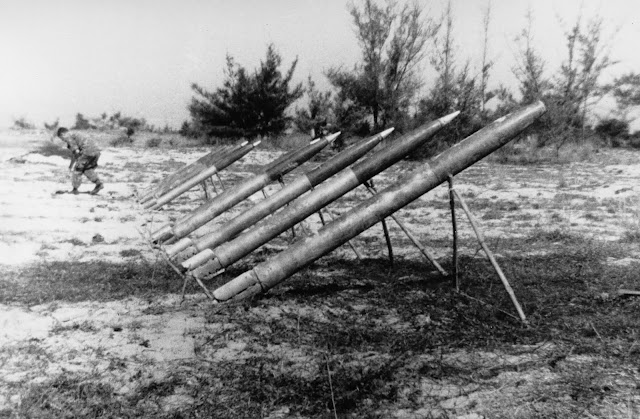
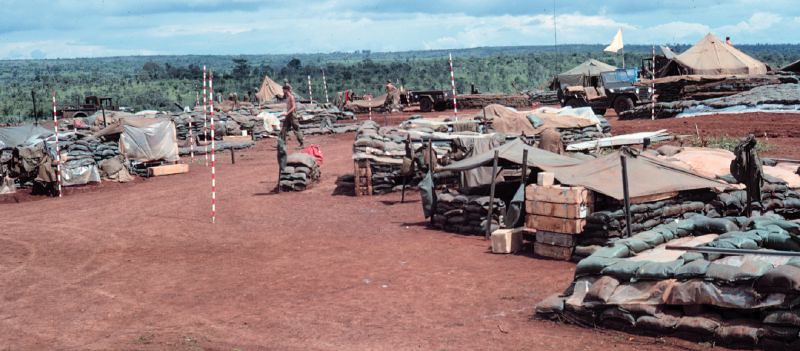
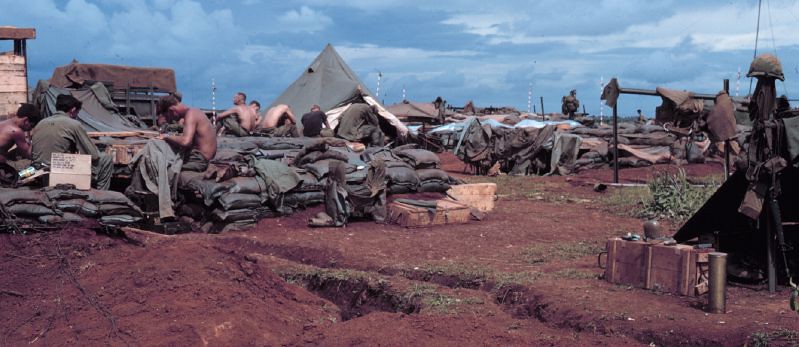
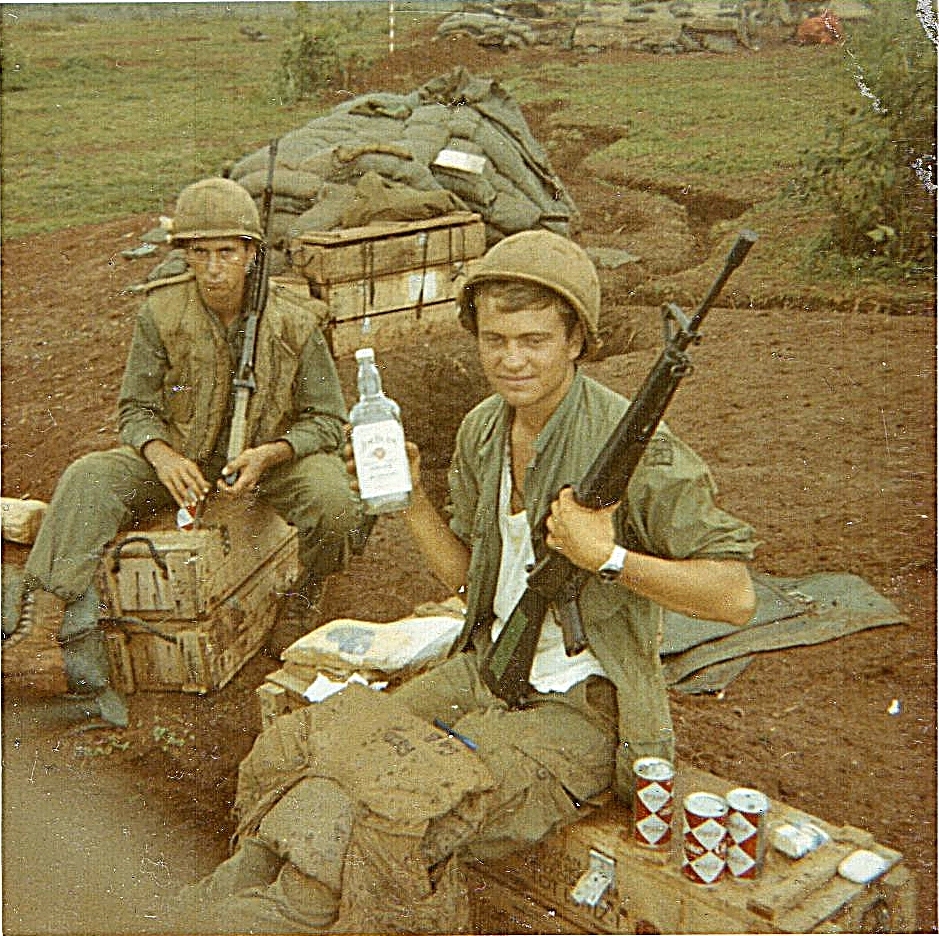

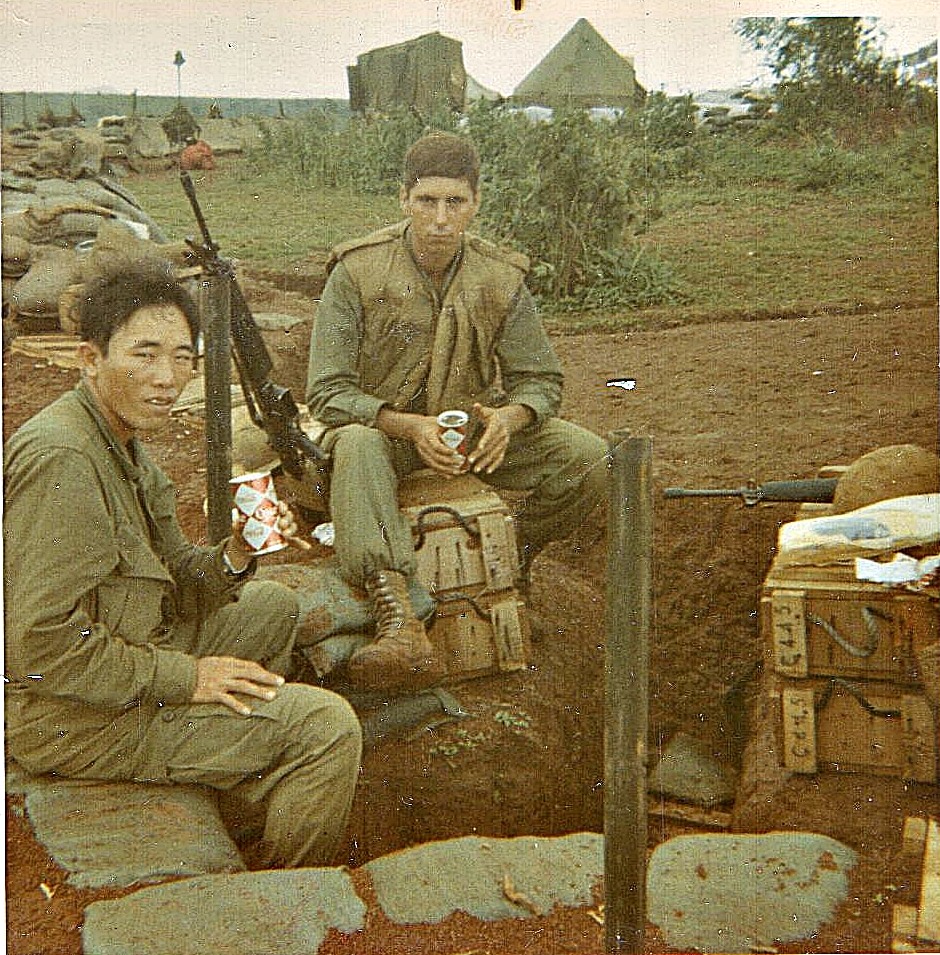


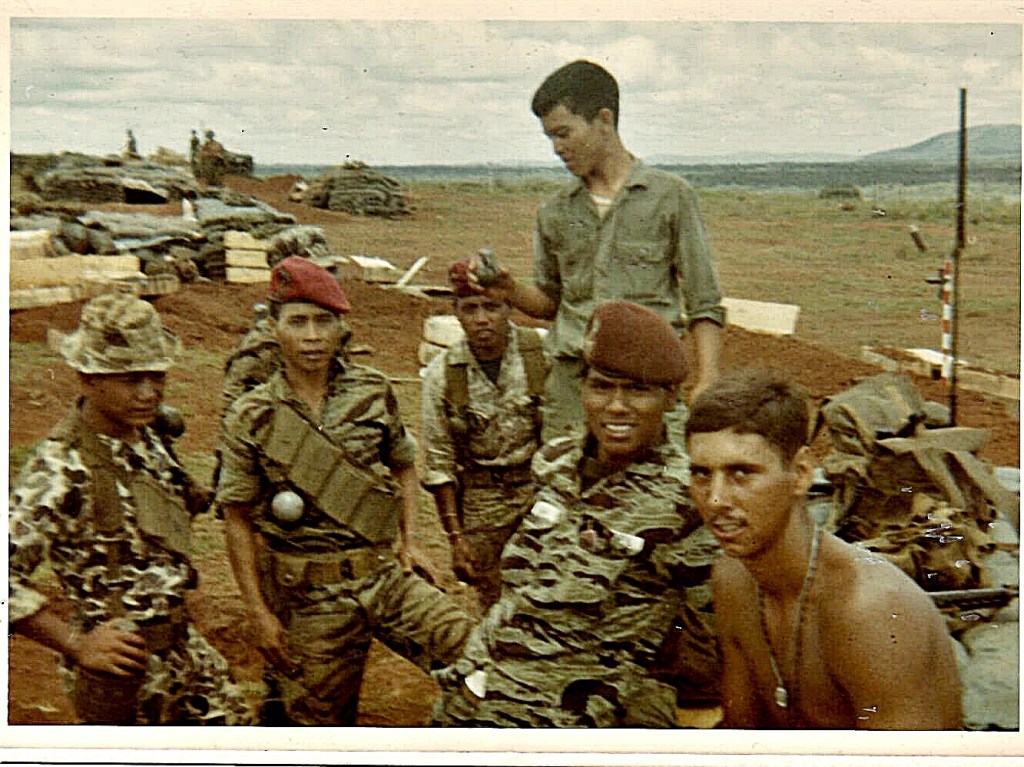
“Every couple weeks the VC would fire missiles at us. While the rockets certainly weren’t harmless–people died in this incident–they were far more scary than they were dangerous. Typically, we’d be ducking nine rockets in a day: Three in the early morning, three more around noon, and three before supper. They’d set up the rockets on the outskirts of the city–near the whorehouses, I’m told–and retreat into the town before the Hueys could respond. The intended target was usually the local military headquarters (II Corps). Since our Commcenter was on the line defined by the launch site and the target, we had more than a few close calls. But by the second rocket in each set, we’d be in the bunker, wearing tin pots & flack jackets.” – Joel Dinda
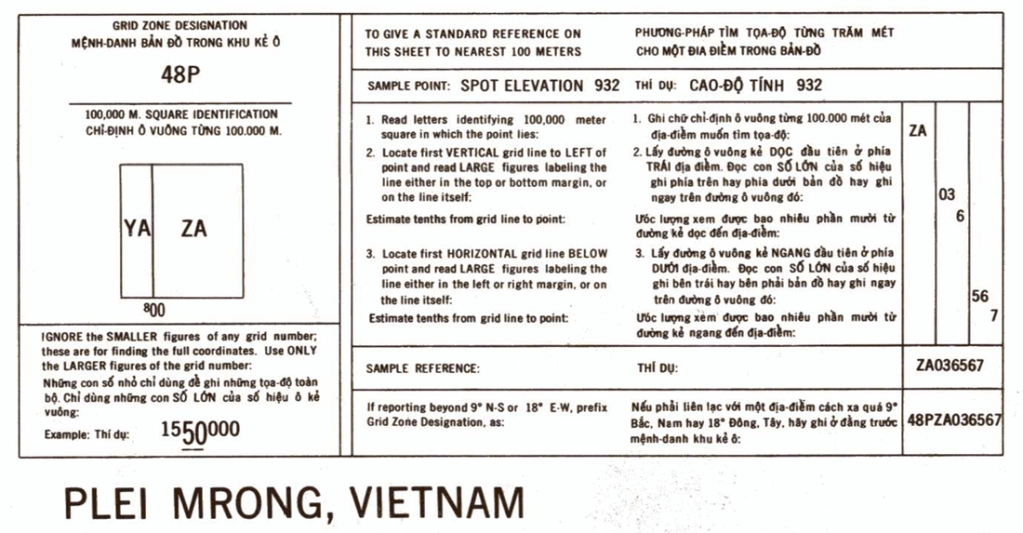
My next mission was to explore Rocket Box itself. I knew it was home to Landing Zone (LZ) Ruth (source, source), and I had coordinates for LZ Ruth: ZA168528. If that looks like an odd grid reference, that’s because it’s in MGRS format, which is a bit intimidating to interpret for the uninitiated. Luckily the old maps have a guide so I was able to convert it to latitude and longitude which can be put into google maps.
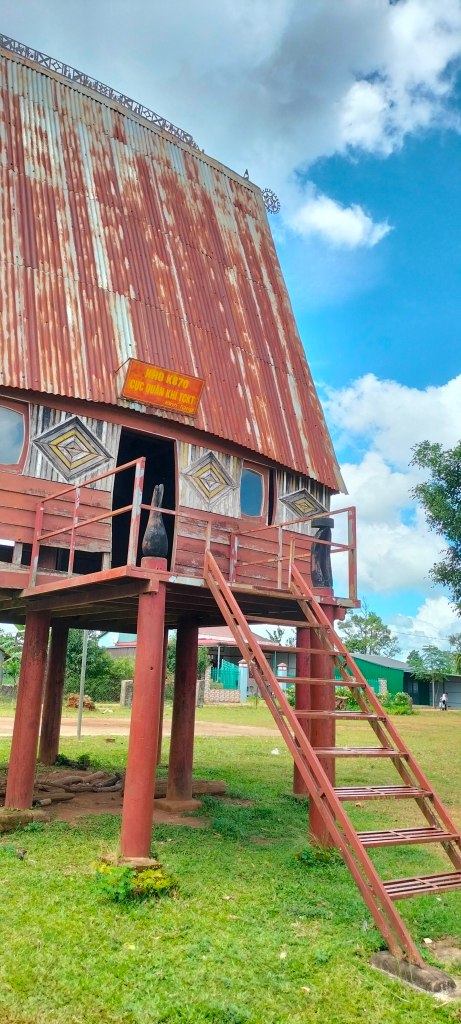
Armed with the coordinates, I set off, curious about what I might find—maybe an old crater or some other remnant from the past. The October air was cool and crisp, and we’re just entering my favorite season in Pleiku—the dry, chilly months that follow the rains. I took the bypass and turned off into a Jrai village where I stopped to admire the rong house, chatting with some local Jrai along the way. As usual, they were intrigued to see a foreigner wandering off the beaten path; one man even asked for a selfie, which has become something of a routine for me here.
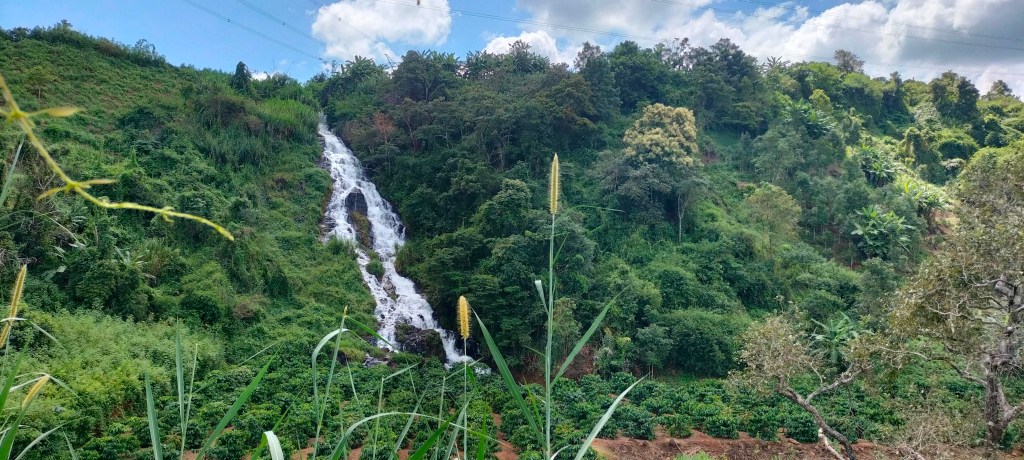
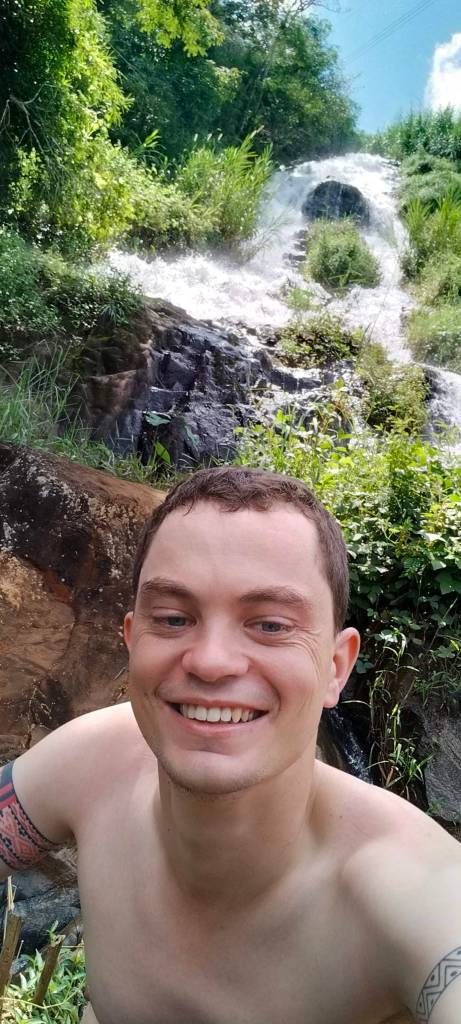
As it turned out, the Jrai I spoke to had something far better than craters—they told me about a little-known waterfall, not marked on Google’s map. Now, if you’ve traveled around Gia Lai with me, you’ll know that I love swimming in waterfalls. I can’t resist diving in, and this hidden gem didn’t disappoint. It wasn’t just a trickle either, but a full, roaring cascade that tumbled into a verdant hollow before flowing out to feed rice paddies. It was high noon by this time and the day had warmed up significantly. So the cool, shady pool at the foot of the falls was a perfect escape from the midday heat.
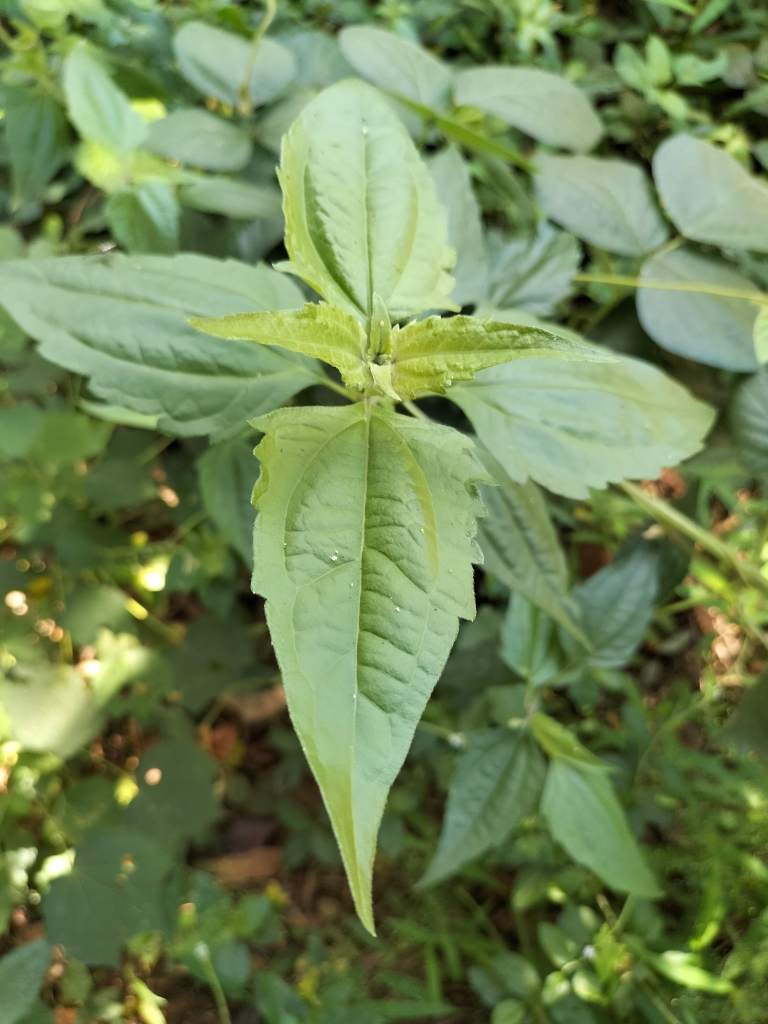
While I was relaxing in the hollow I noticed a remnant of the war – not a crater, but the flowering shrub chromolaena odorata, also known by the common name, “Jack in the Bush” (or in this case Jack in the Rocket Box!). It’s an invasive species from the Americas. The Jrai have their own name for it – they call it hruk se or hruk kŏ “airplane weed,” based on the folk belief that it was spread by US aircraft during the war (Jonathan Padwe 2020). In reality, though, it had probably been known in the area for a generation before that (according to the catholic missionary and ethnobotanist Jacques Dournes). Either way, it’s an interesting piece of folk taxonomy that highlights the association in people’s minds between the spread of the weed and the war era. This weed does well in areas affected by “bombturbation” – a term coined to describe how repeated bombing churns up the soil, mixing strata and altering the habitat. So it’s no wonder I found it thriving here in an area famous for being rocketed.
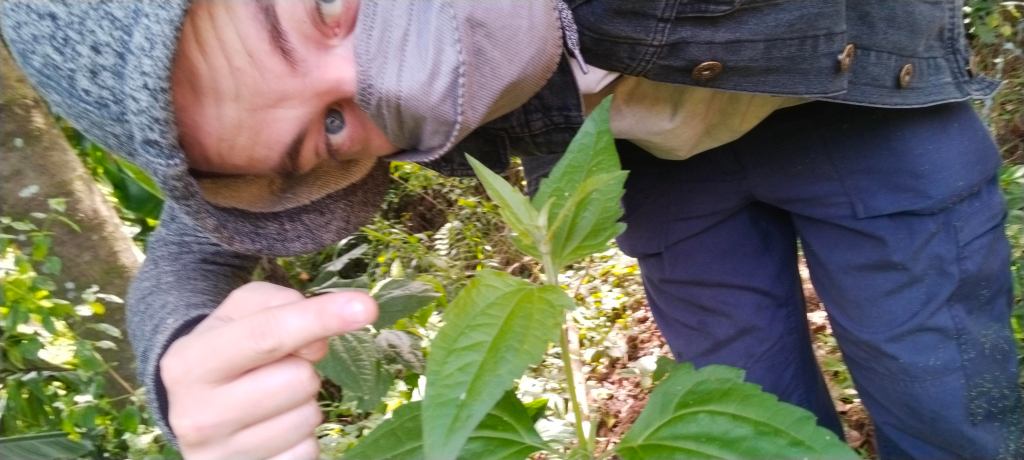
So, while I didn’t stumble upon any rockets or craters this time, the drive was nice, and my adventure led me to a hidden waterfall so it turned out to be a delightful day, and a reminder that the land has its own way of preserving history, even when the helicopters and rockets have long since gone.
sources
- Padwe, J. (2020). Disturbed Forests, Fragmented Memories: Jarai and Other Lives in the Cambodian Highlands. K. Sivaramakrishnan (Ed.), Culture, Place, and Nature.
 Eastward Ho!