The well-known travel guide Rough Guides has this to say about Pleiku:
Though it’s not terribly easy on the eye, the regional capital of Pleiku possesses a carefree air quite in keeping with its far-flung location. The city was wrecked during the war, and so little of it was left standing that a near-total reconstruction was required when hostilities ceased. (source as of 08/01/2024)
This comment irritates me because it’s clear the author didn’t research properly. Pleiku wasn’t destroyed by the war—it was built by the war. The city expanded dramatically to meet wartime needs. Before the war, Pleiku was little more than a few bungalows and French administrative buildings. Contrary to Rough Guides‘ claim, many of these original buildings still stand today (source). It seems the writer visited, spent one night, found the city wasn’t Hoi An, and made assumptions based on a quick impression. However, for those who know where to look, some prewar remnants can be seen.
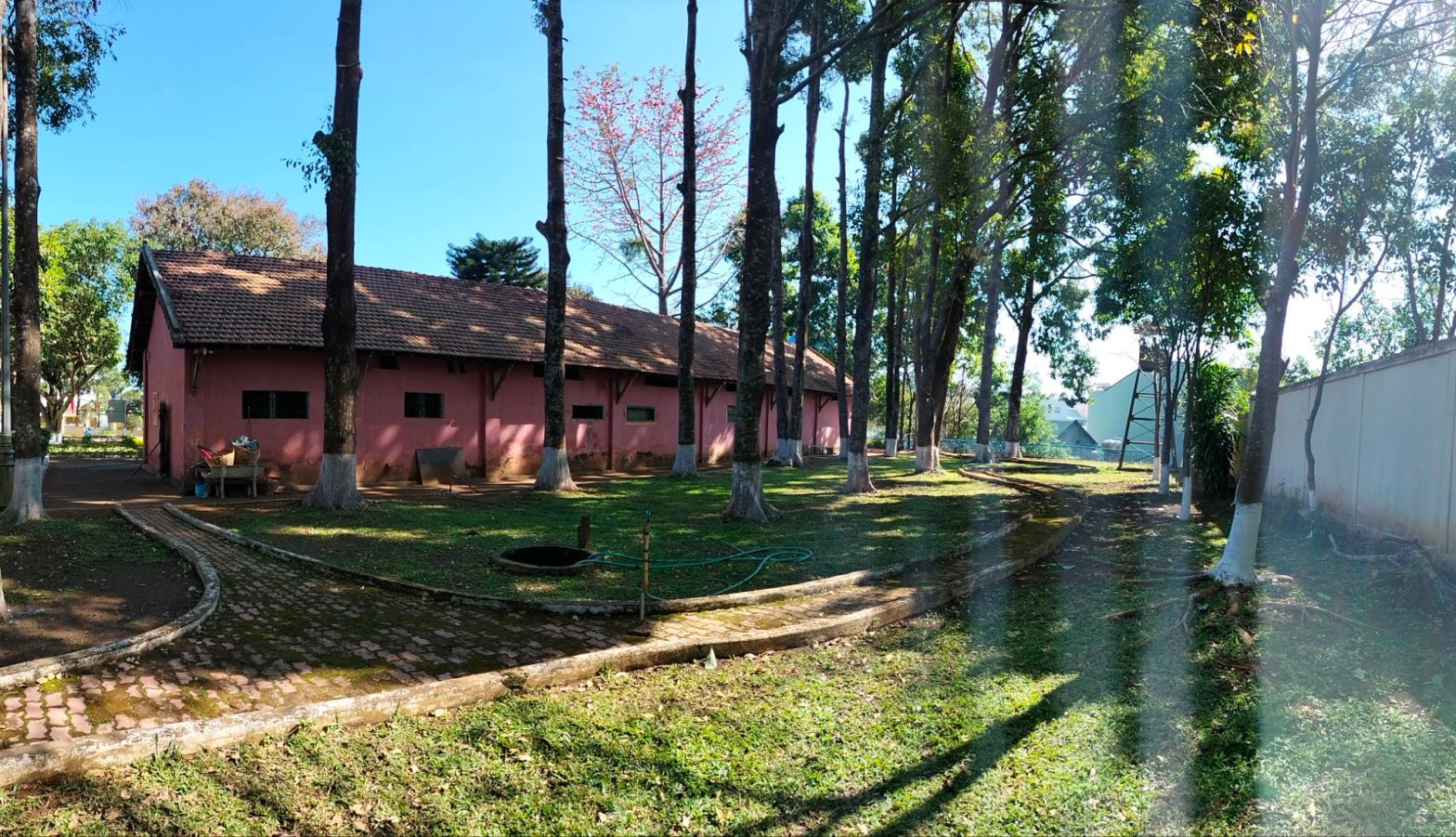
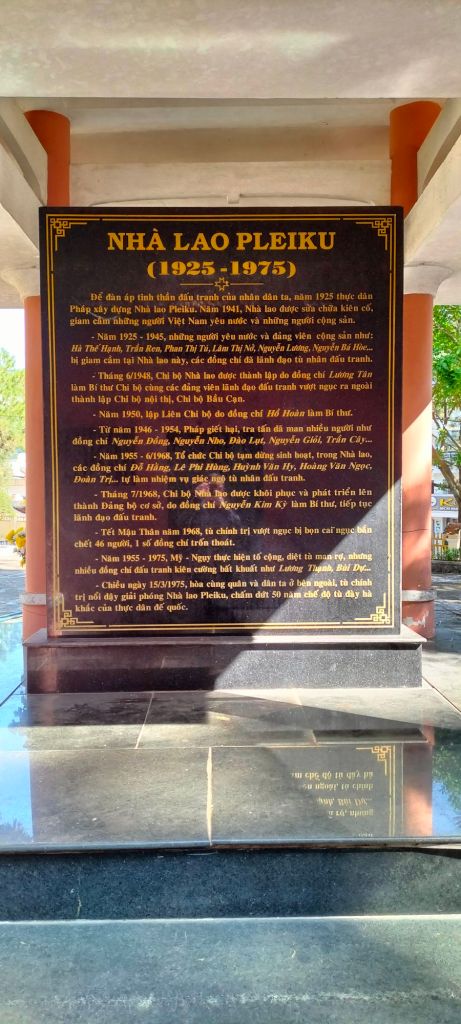
One such piece of history is Pleiku Prison, a site worth visiting if you’re interested in the countries past. Built around 1925, the prison housed both unruly indigenous peoples and political prisoners. The complex was surrounded by 3-meter-high walls and layers of barbed wire. Today, only one of the original buildings remains intact – but with it’s cramped, gloom cells – it’s a sobering glimpse into the past.
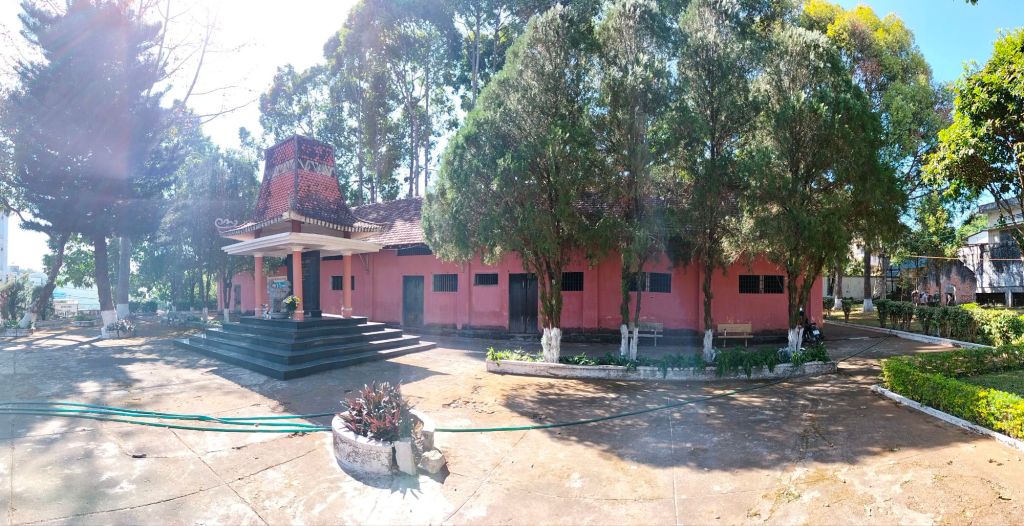
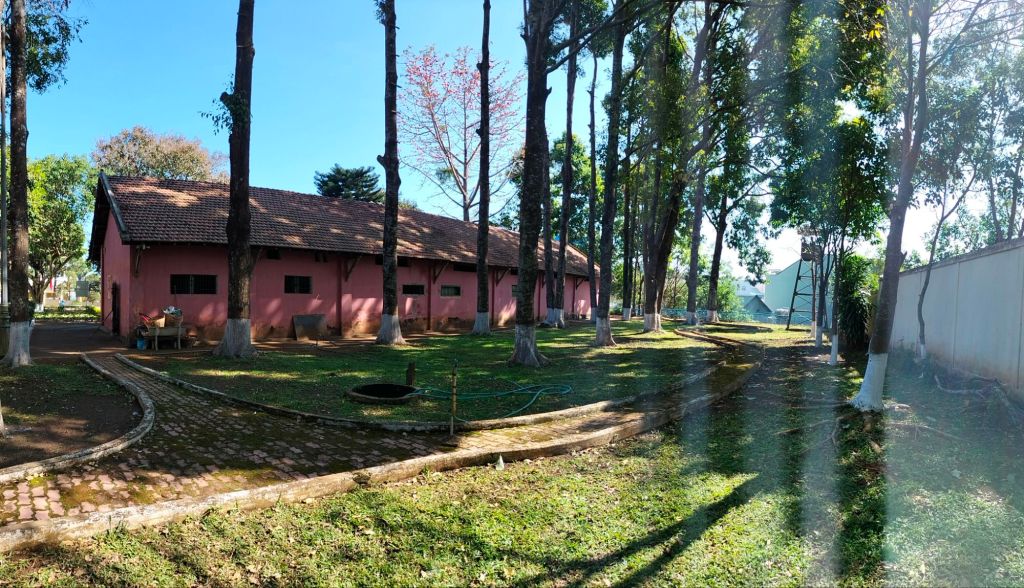
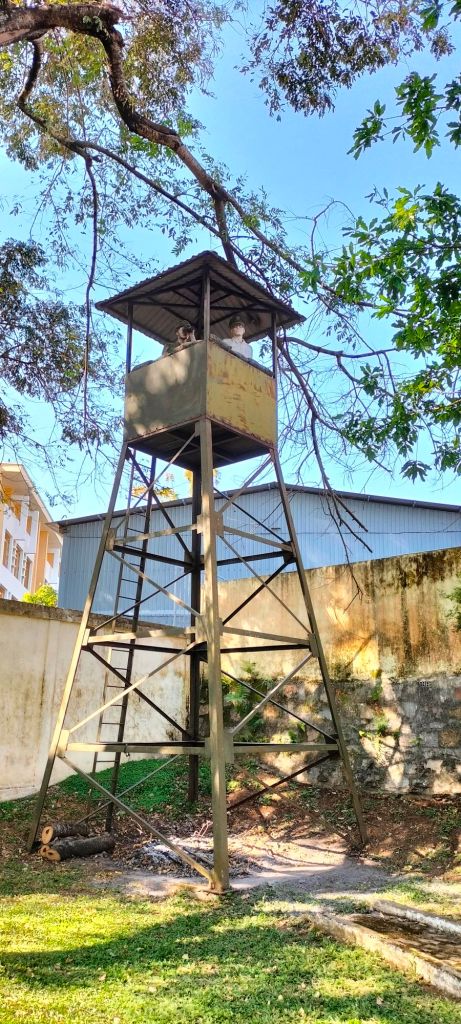
During the Second Indochina War, There was also a separate POW camp, where uniformed combatants were held, while civilian dissidents with suspected communist sympathies were imprisoned in the inner-city jail. It is claimed that after the Tet offensive of 1968 the prison help 800 captives. On March 15, 1975 the South Vietnamese were in a hasty retreat from Pleiku and the prisoners managed to break out of the prison prior to the arrival of the North Vietnamese army.
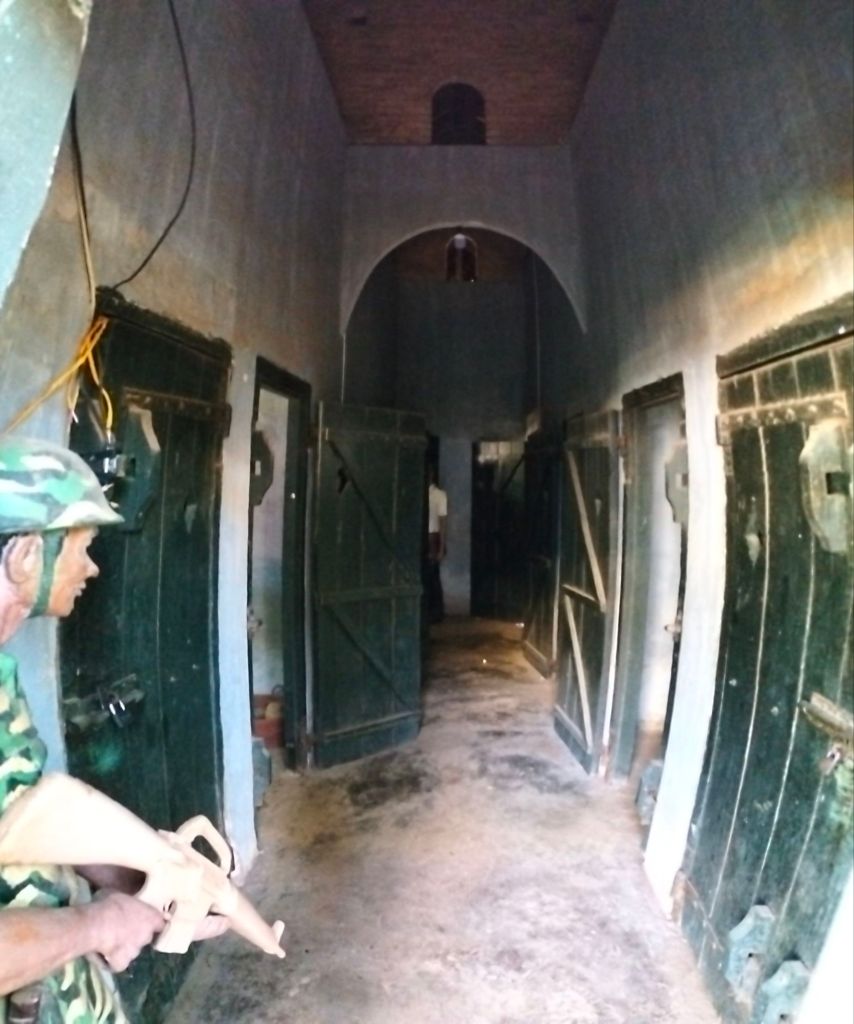
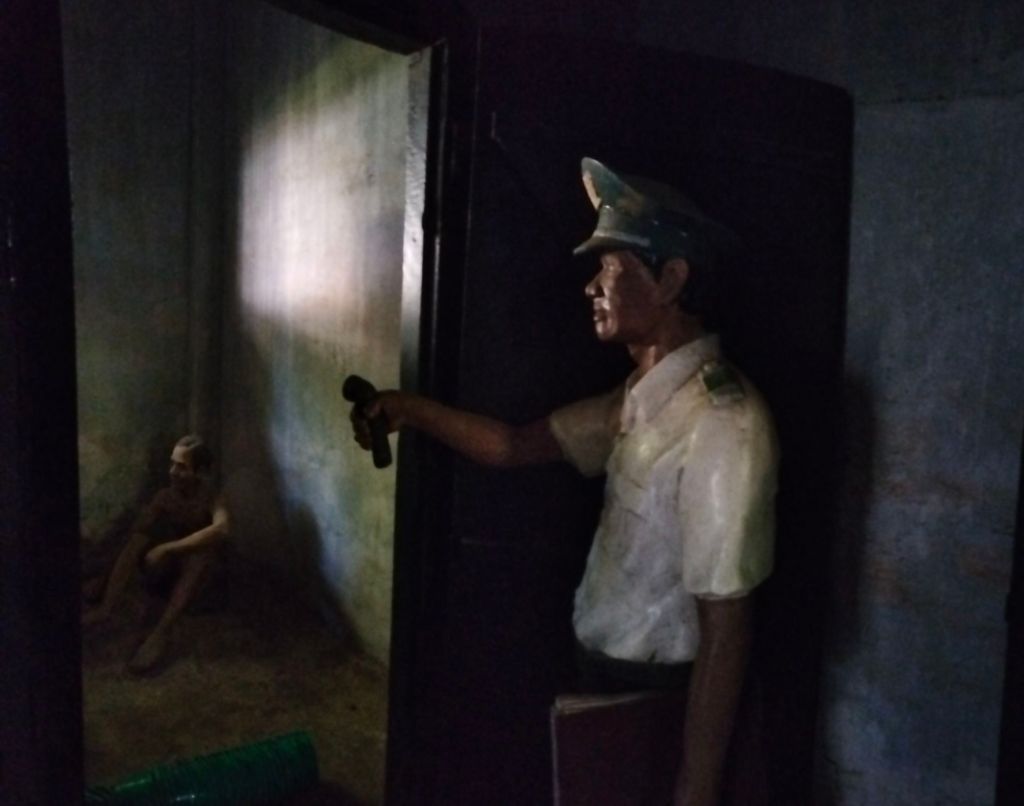
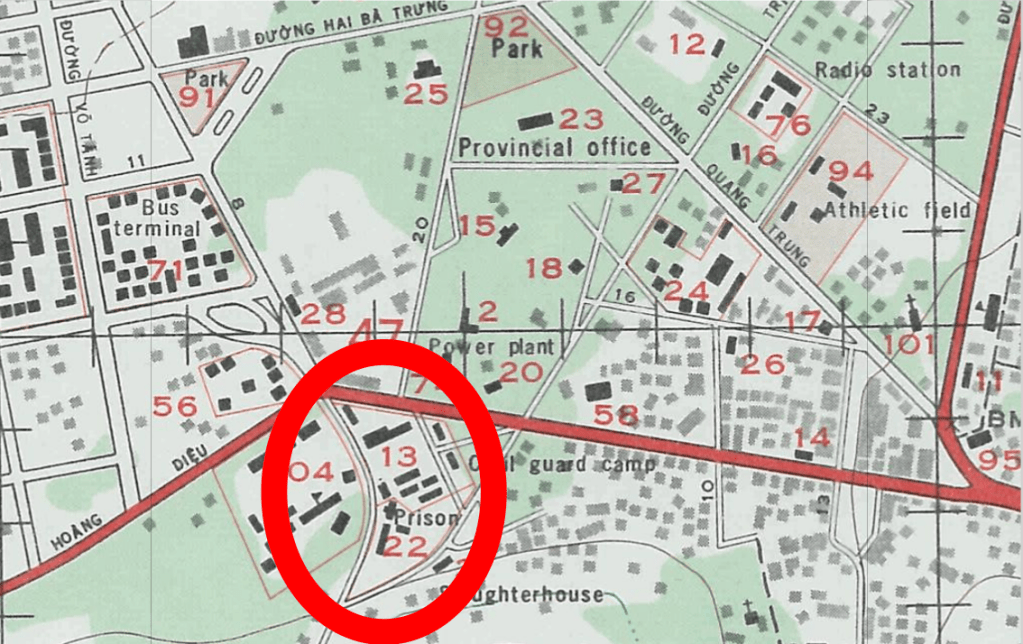
Unfortunately, I’m unable to give any other perspective on the prison because I’ve never been able to find any French or American records other than it being marked on the city map. I also can’t find any old photos. If you have any sources, please let me know.
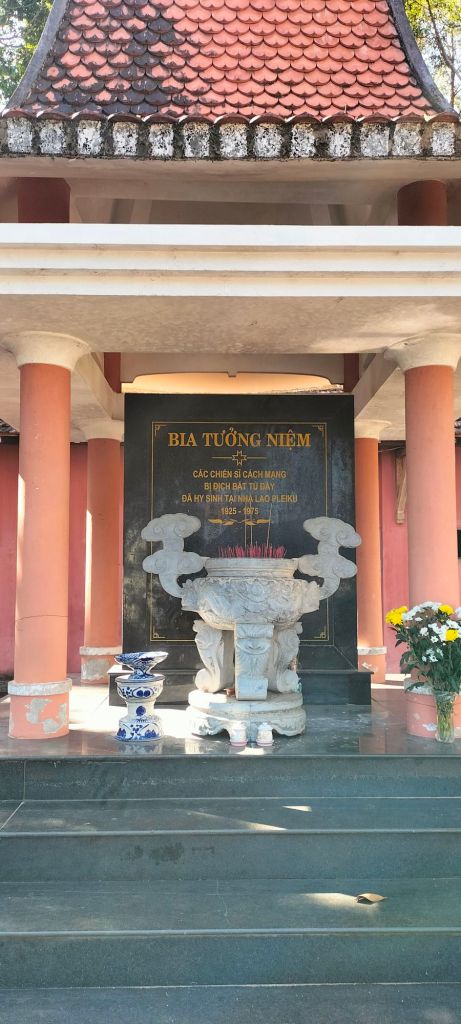
Visiting Pleiku Prison is free. The main gate is typically locked and entry is via a smaller gate just at the top corner of the site. Today, there is a monument dedicated to the prisoners in the forecourt, commemorating their hardships and escape. In the Gia Lai province museum you can find a handkerchief which embroidered by Pham Kim Cuc during her time in Pleiku prison from 1968-1972 (source).
 Eastward Ho!