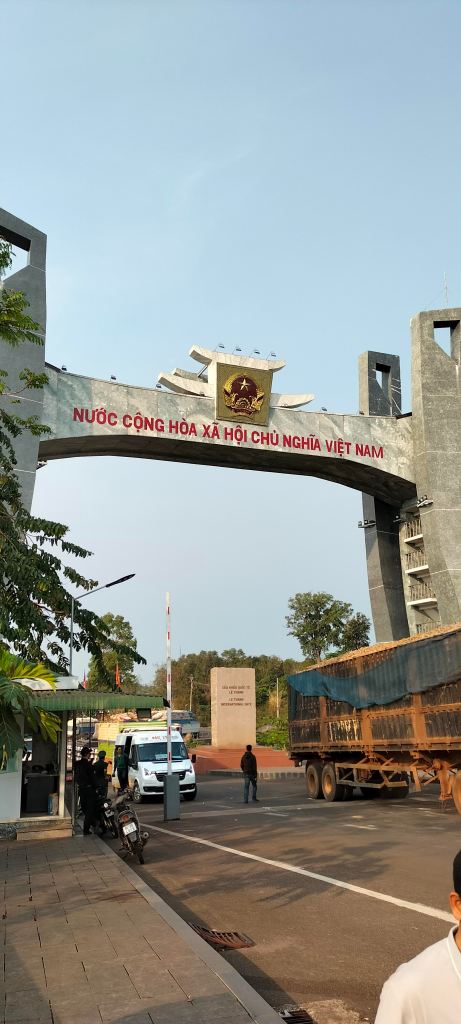
With my VUS campus still very new when I joined two years ago, it’s been tough finding time to get away from the six-day workweeks. But I finally managed to stash a few overtime hours, and so I decided to do something different: I crossed the border from Gia Lai, Vietnam, into Ratanakiri Province, Cambodia. It’s a short trip, geographically speaking—just seventy miles—but one that feels significant. Ever since moving to Pleiku I’ve looked westward and wanted to cross the border into Cambodia from here. I have actually visited once before, during COVID, but that involved a flight to Phnom Penh and a painfully long coach ride north. This time was blissfully simpler: a three-and-a-half-hour VIP minibus ride from Pleiku City to Banlung City, with a smooth border crossing along the way. Besides crossing the border here somehow feels more significant.
I might be the first non-ASEAN passport holder among my Pleiku acquaintances to try this route. Everyone was interested in how it would go. I half-expected to be turned away at the border, but for 300,000 VND, the Vietnamese company’s minibus whisked me to the crossing in under two hours. We arrived to find plenty lorries carrying produce but few other travelers. An almost comically empty duty-free shop beckoned on the Vietnamese side, and an equally quiet visa office greeted me on the Cambodian side. A quick form, a $30 USD visa fee, and we were off again, arriving in Banlung ahead of schedule.
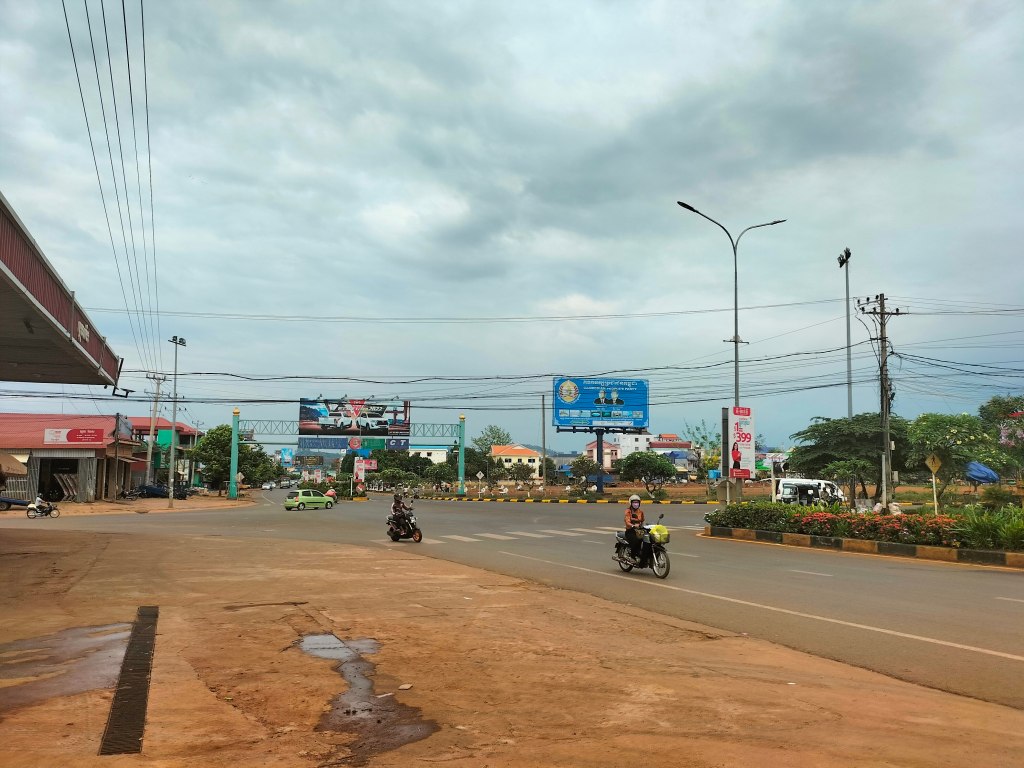
Despite its remote location, Banlung welcomes travelers with an infrastructure that suggests it’s not quite the undiscovered gem visitors like to think. I meet plenty of tourists here—far more than in Pleiku—who insist they’re “avoiding tourists,” which makes me smile inwardly. Banlung’s tourism industry is quite developed, with a wide selection of tour-guides, homestays, and restaurants that cater to English speakers. It’s true that it’s a good place for anyone wanting to dodge the thronging crowds of Siem Reap or Hoi An, but let’s be honest—it’s not exactly an undiscovered frontier. I’ve learned that if you truly avoid tourists, you also avoid the amenities that make travel fun. I’ve been to small towns with zero tourism, and trust me, they can be pretty dull when you’re craving a decent meal or a comfortable bed, especially if you don’t speak the language.
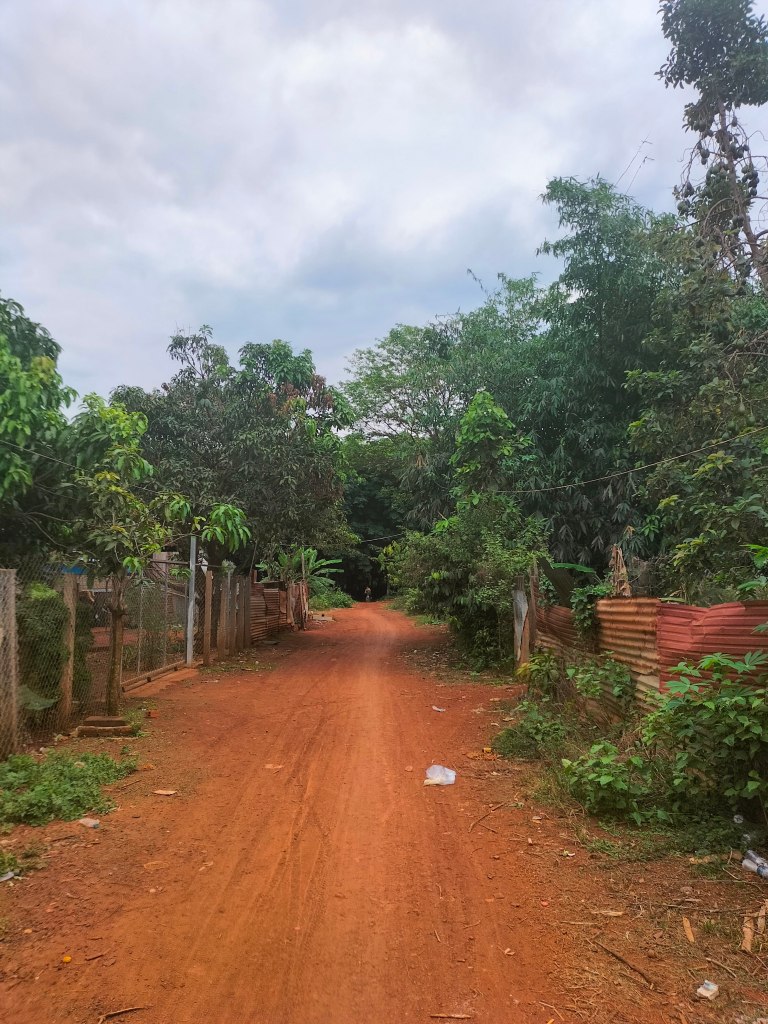
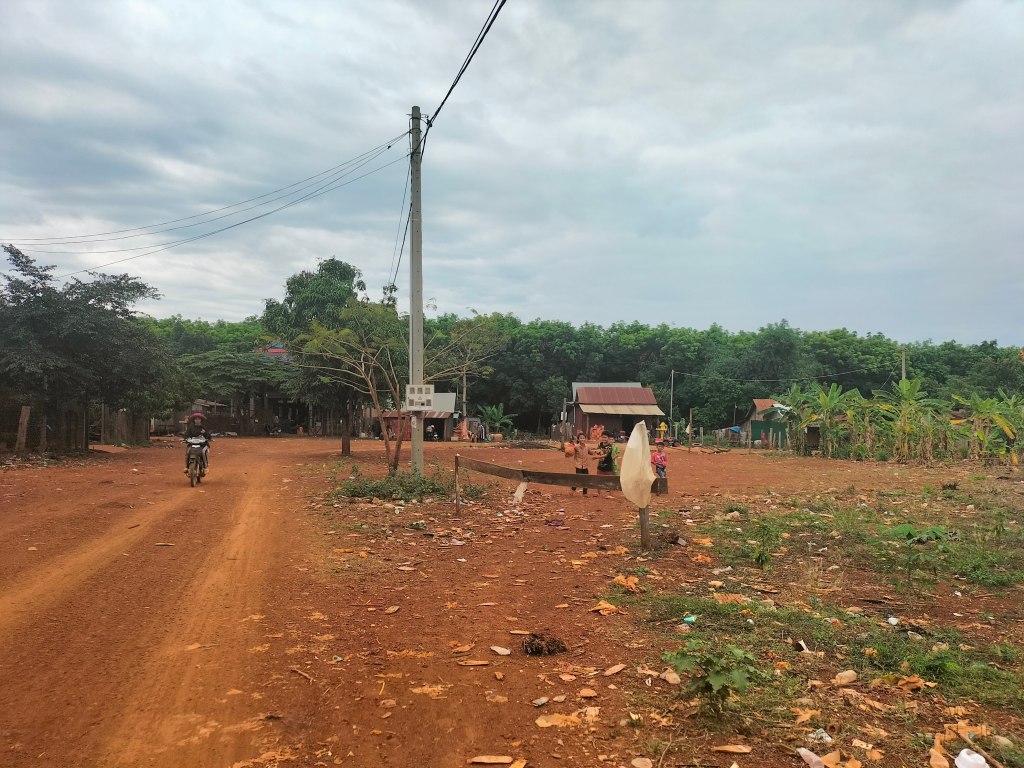
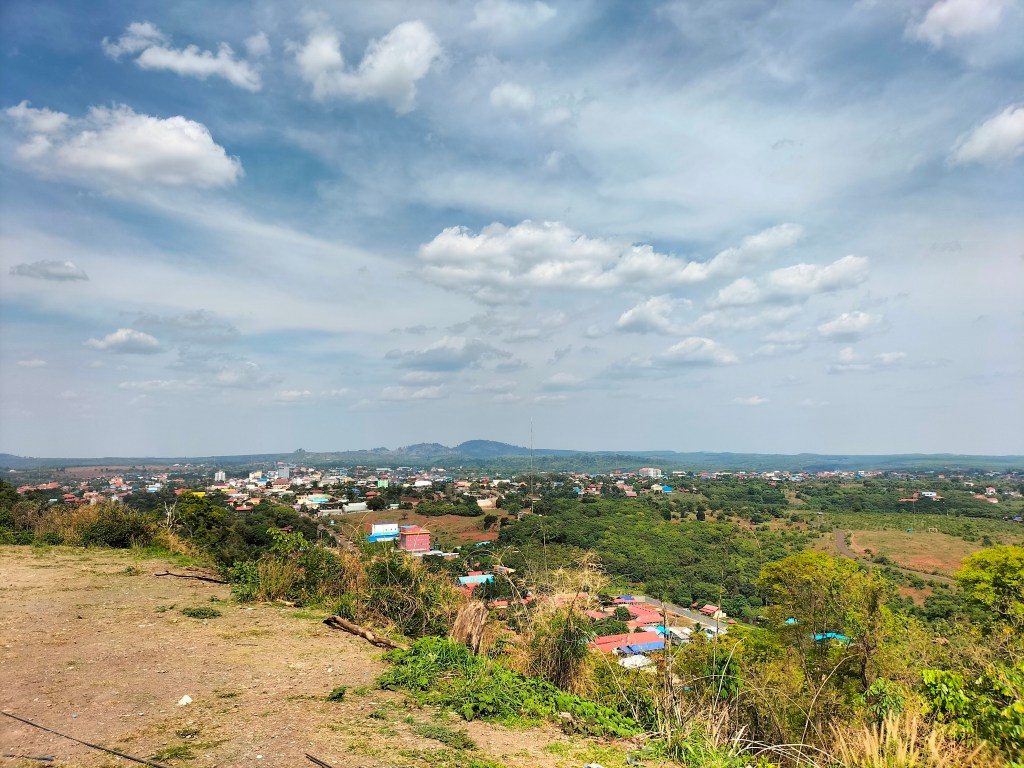
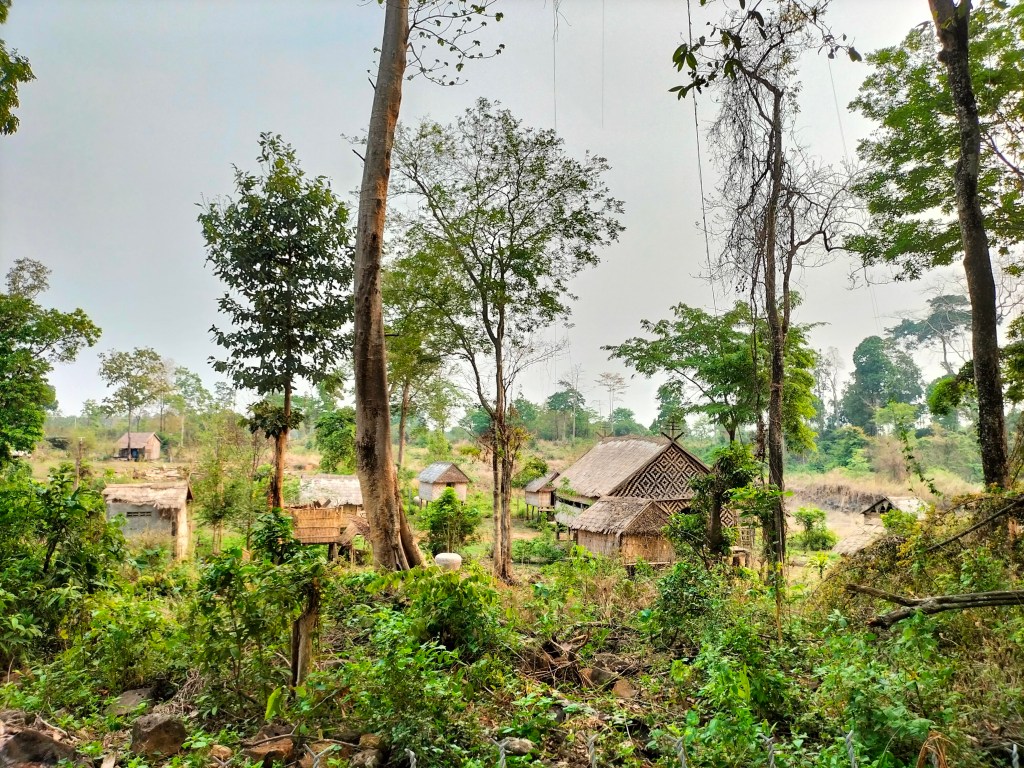
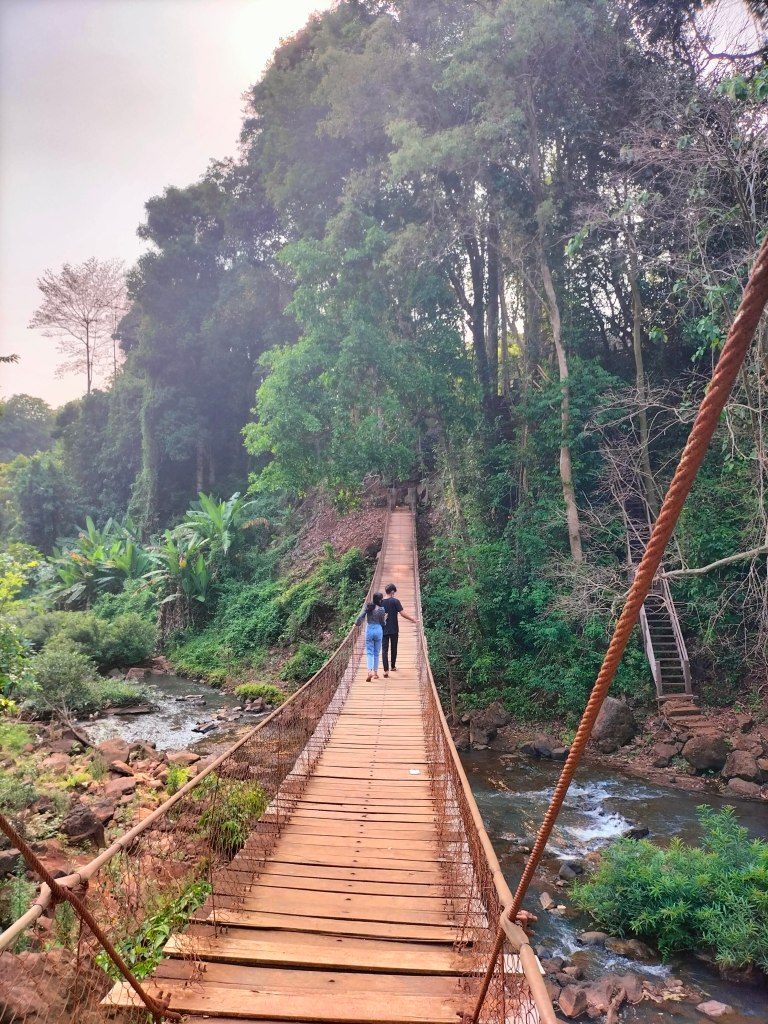
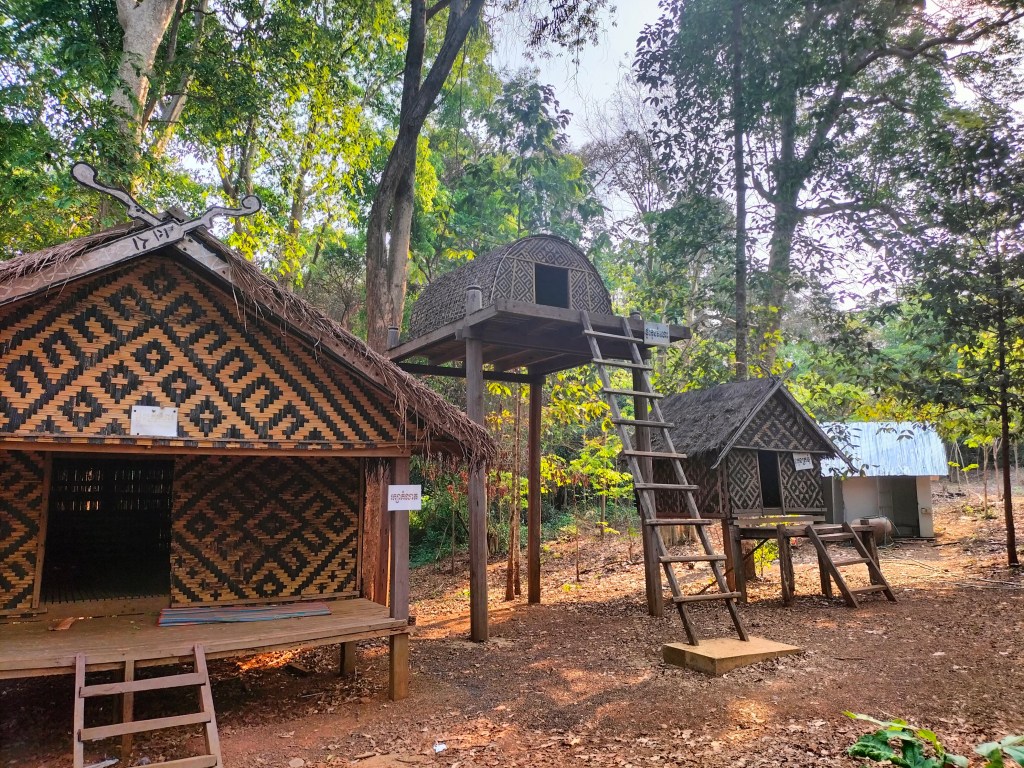
One thing that really surprises me about Ratanakiri is its unexpectedly fancy supermarket called Setra—much nicer than anything I’ve seen in central Vietnam. My guess is it’s here for Chinese workers in the area, but its shelves boast all sorts of international goodies, including HP Sauce! Naturally, I stocked up on herbs, sauces, and a variety of beers from Thailand and Laos to share with my homestay hosts.
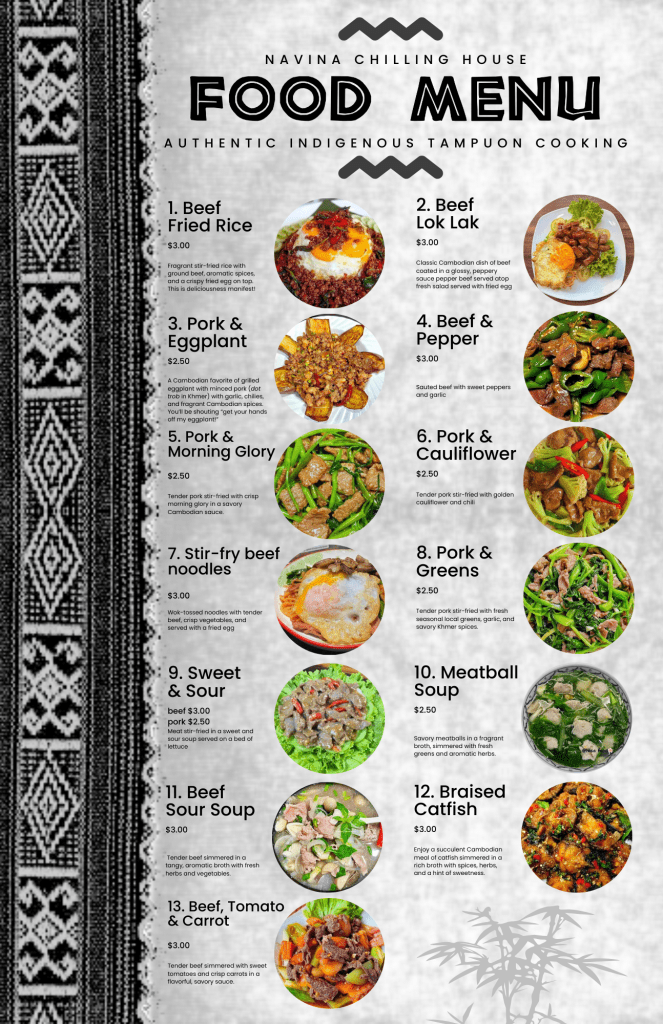
Speaking of which, I’m staying at a homestay run by the Tampuan, an indigenous Bahnaric-speaking group. I even catch a few words that sound suspiciously like Jrai, my second language in Pleiku. The homestay is listed on Booking.com and Couchsurfing; you can either pay for your room or work in exchange for it. We hadn’t agreed anything in advance but I ended up not paying in cash—I helped with light chores and used my laptop to design them a menu, assist Yok (one of the hosts) with his English CV, and create a collage of past guests for the wall. I’m no graphic designer, but knowing how to use Canva feels like a superpower out here. It makes me realize how many skills we take for granted—tools that seem trivial to us but can be game-changing in a place like this where few people even have their own PC or laptop.
Over dinner one night, Yok shares a story that gets everyone laughing. It’s about a Khmer man who marries a mountain girl and takes her to his town. The attitude definately reminds me of some people I know in Pleiku. Here is the full story.
Once a Khmer man married a mountain girl and took her back to his town. She was so excited by everything there that they didn’t have in her small village. He took her to the amusement park and she had childish joy going on all the rides.
When she was on a big swing her husband was waiting on the ground. To his horror, he saw that her underpants were visible under her skirt. When she got off the ride he said to her “Do not do that again, I don’t want people seeing your underwear!”. The girl smiled and was submissive to her husbands wishes as she had been taught a good girl should be.
The husband was satisfied and went to buy them both ice-cream but when he returned, he saw his wife was back on the same swing. He shouted and gesticulated madly. He ran and hit the emergency stop on the ride. The wife came down still smiling and asked “what’s the matter husband?”
“I told you not to go on that ride again because I don’t want people to see your underwear!” yelled the husband.
“Oh don’t worry darling husband, before I went on the ride, I took off my underwear!”
I really enjoy spending time in Ratanakiri. The sun here seems to shine at a different angle, bathing the landscape—and my mood—in an amber glow. It’s not just physical warmth; it’s an invitation to consider new possibilities. Maybe I’ll move here. Maybe I’ll open a restaurant or become a YouTuber. Or maybe I’ll return to Pleiku and get back to the daily grind; after all, there’s plenty waiting for me there, too.
Ultimately, it’s nice to step away from routine, cross a border, and remember that the world is out there, bigger than my usual bubble. The tourists I meet remind me that we each bring our own lens to new places, shaping how we see them—and how they see us. And as Yok’s story proves, sometimes the best thing you can do is step back, realize you’re taking yourself a bit too seriously, and share a good laugh.
 Eastward Ho!