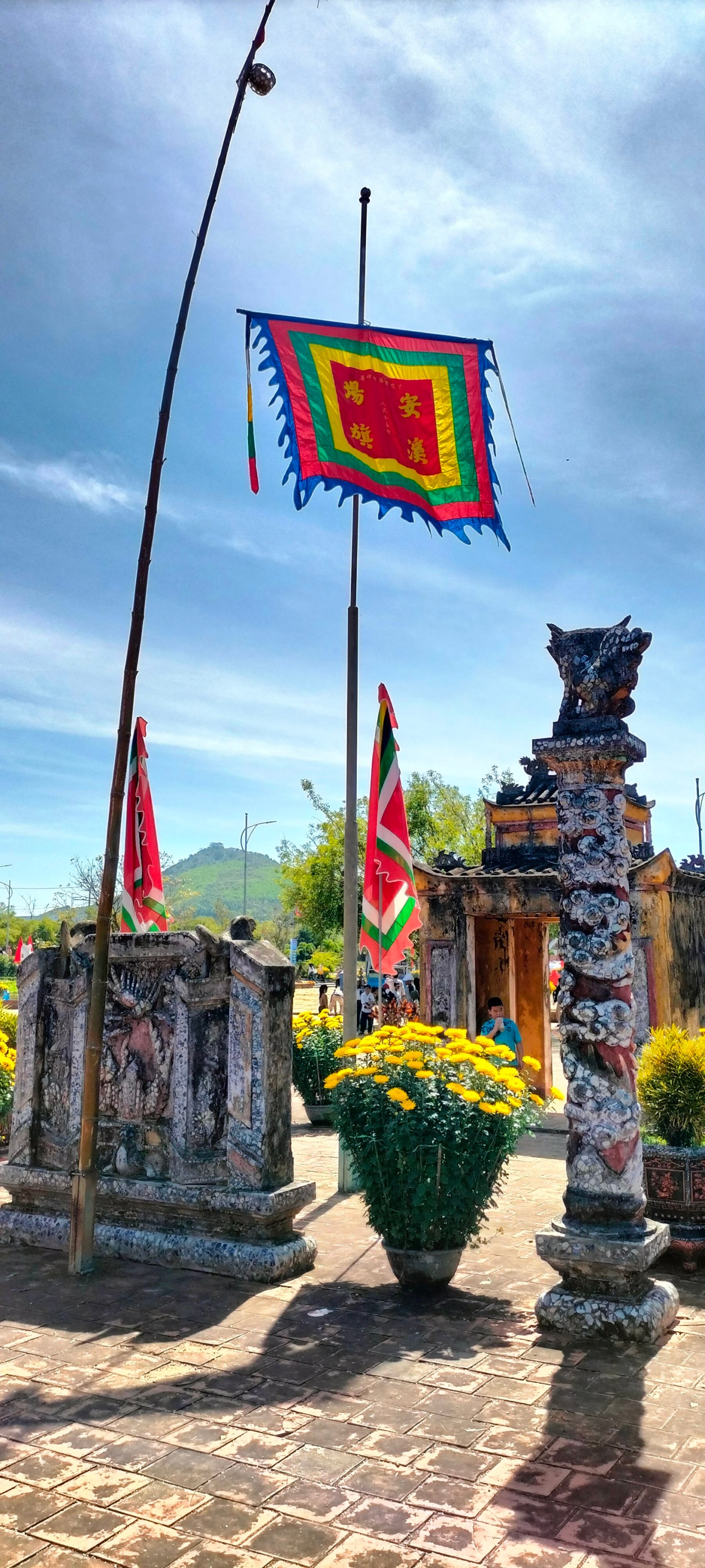

One thing I love is visiting historic sites. Another thing I love is the central highlands of Vietnam. And it’s exactly those twin passions that brought me to the town of An Khê. There sits, right in the heart of this town, perched not far from the Ba River, the venerable site of Tây Sơn Thượng Đạo—a military training ground built about 250 years ago, now a national monument. During Tet holiday 2025 I came here to learn more.
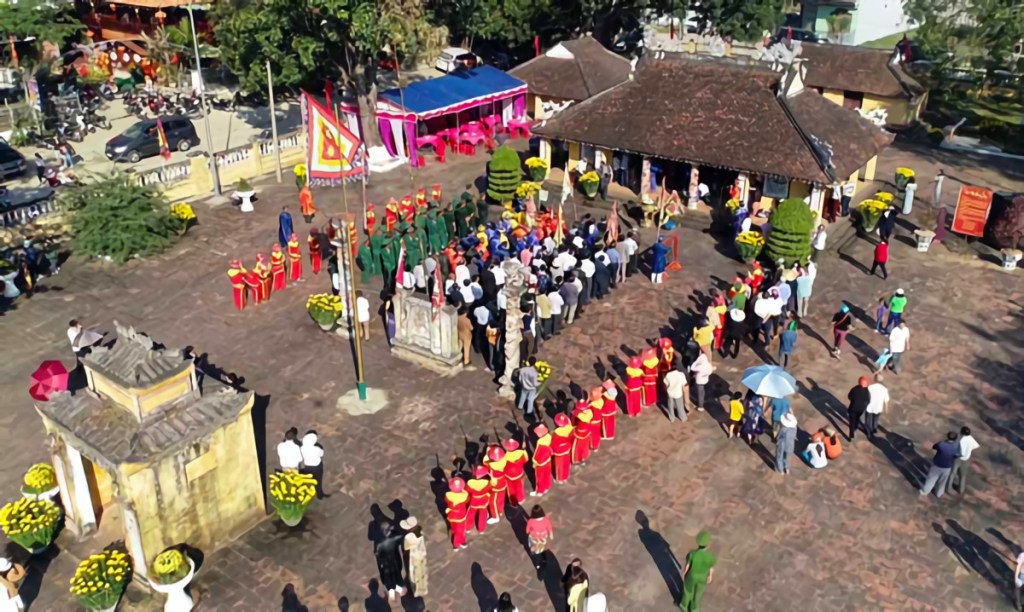
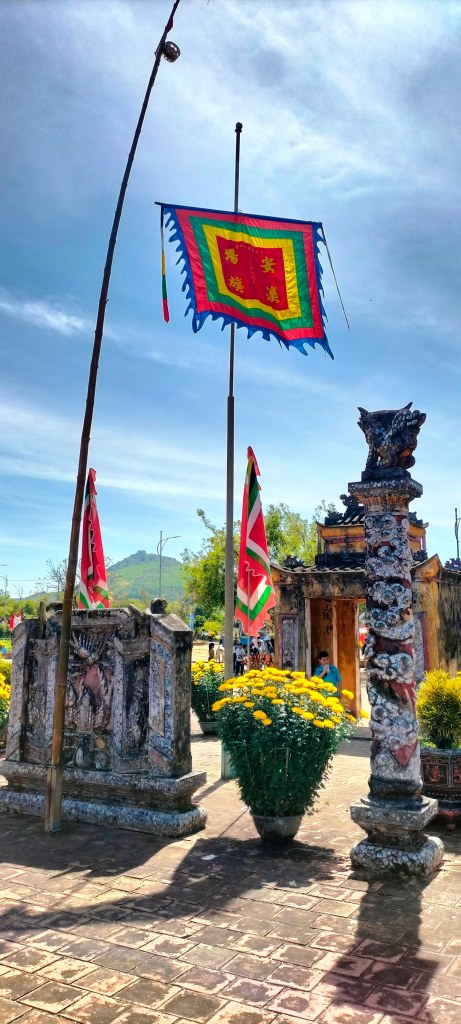
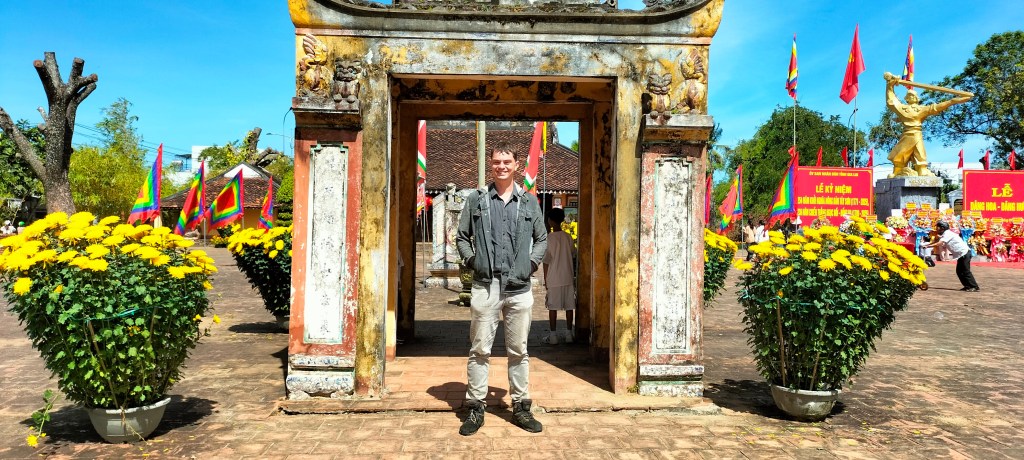
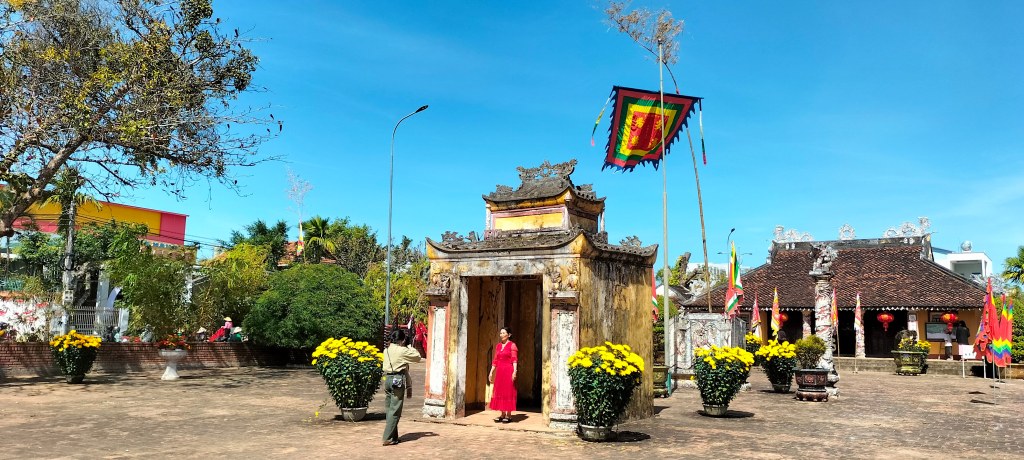
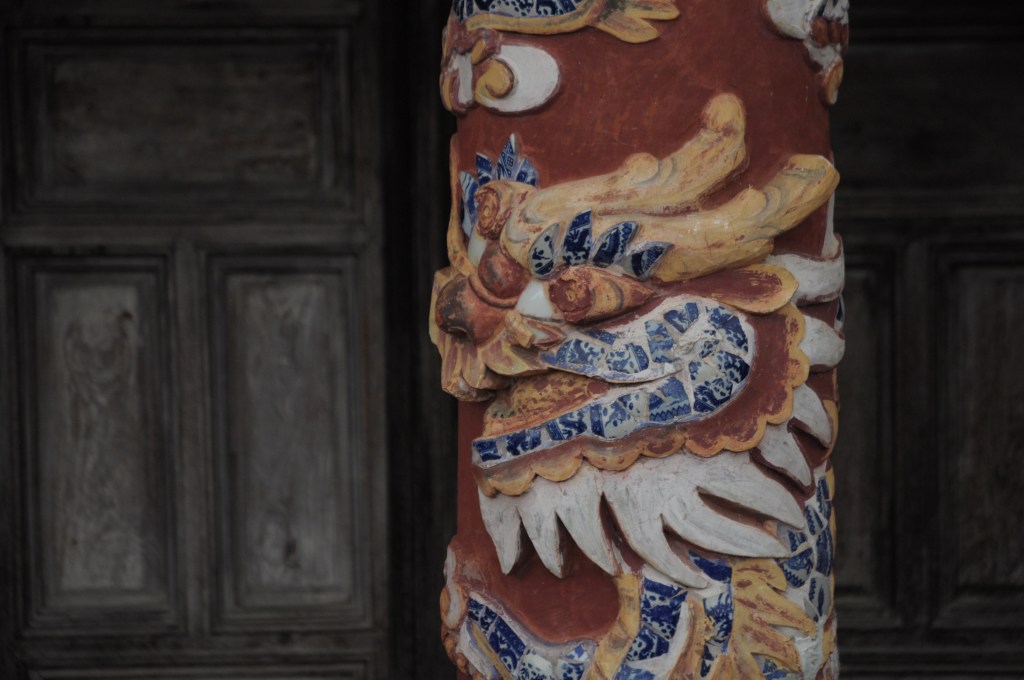
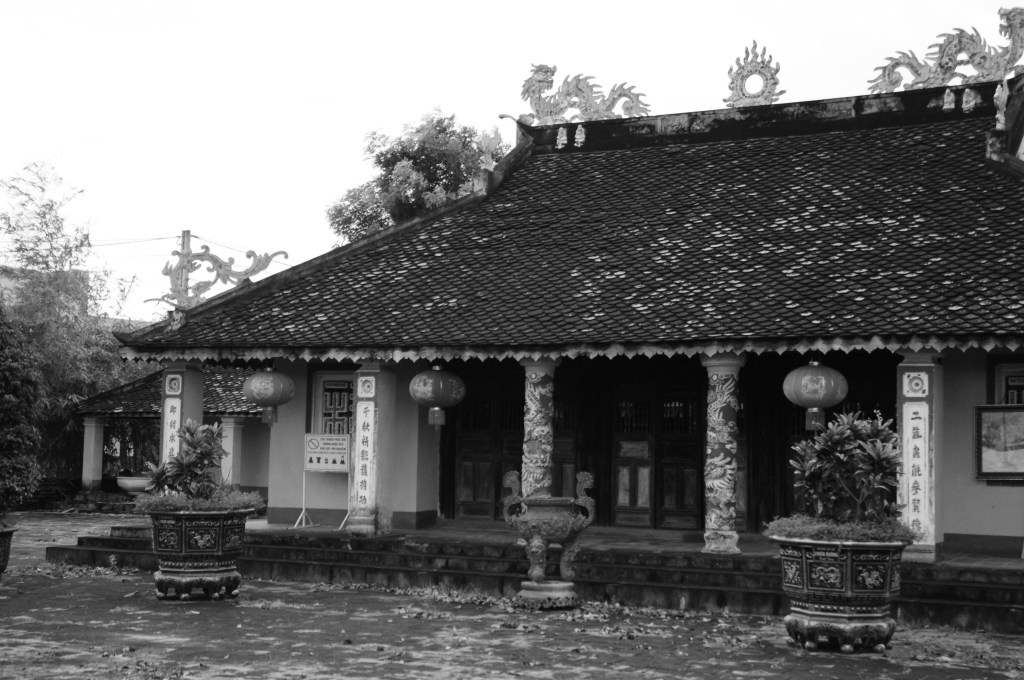
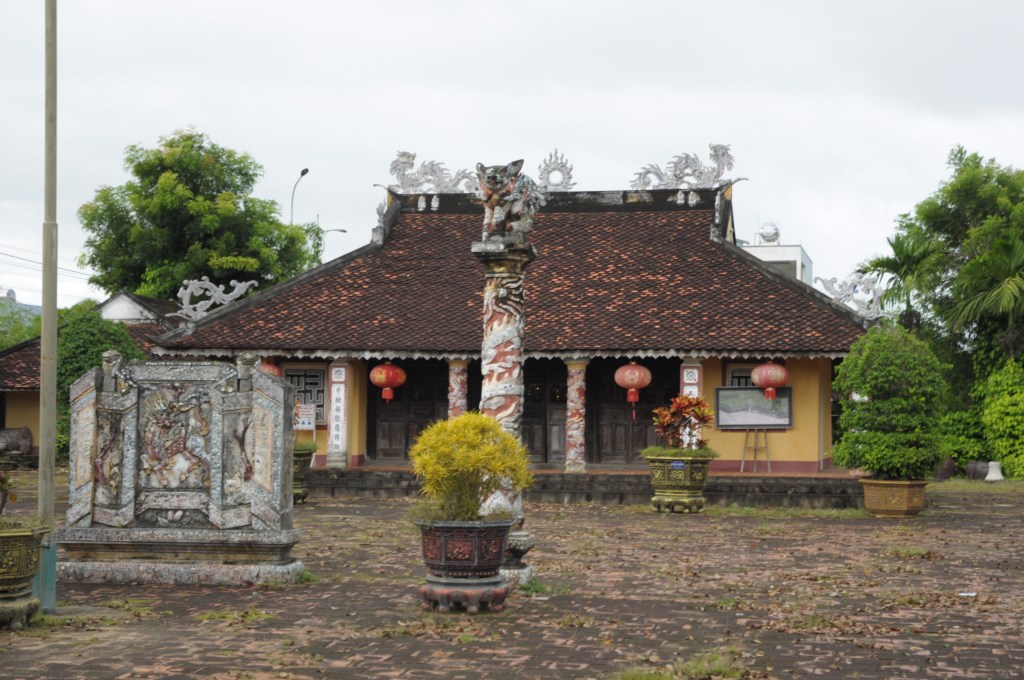
At first glance, the place might be underwhelming, especially if you’ve seen old Vietnamese sites in Hue, Hanoi or Ninh Binh. There are a modest cluster of buildings in the familiar style of Vietnamese temples, a sun-scorched courtyard, a handful of statues and exhibits— and that’s about it. Yet being one of the few places with historic remnants in the highlands of Tay Nguyen makes it a rare treat for me to visit.
Today, An Khê is a toilet break on a road-trip between Pleiku and Quy Nhon cities. But in the mid-18th century, it was a wildwest frontier, just beyond the western edge of imperial control. Getting here from the lowlands meant ascending the An Khê Pass—a steep, winding climb that even now is spectacular but challenging. But it was precisely this location, at a strategic crossing of the Ba River and near tribal trade routes, that made An Khê ideal as a mountain fastness.
The site was founded by a man named Nguyễn Nhạc. Nguyễn Nhạc was born to a family of traders in Tây Sơn, Bình Định, working the wild frontier between lowland Vietnam and the highlands beyond. He likely knew An Khê well from his time bartering goods with the Bahnar and Jarai peoples—betel nuts for salt, forest goods for rice. In a country fractured between the Trịnh Lords in the north and the Nguyễn Lords in the south, he saw the hardship of ordinary people. Originally a tax collector, he grew into a kind of Vietnamese Robin Hood—redistributing wealth, resisting corruption, and gaining a following. The name Tây Sơn Thượng Đạo literally means the “high road” of the Tây Sơn, and Nguyễn Nhạc seems to have been a virtuous man by all accounts – taking the high road in more ways than one.
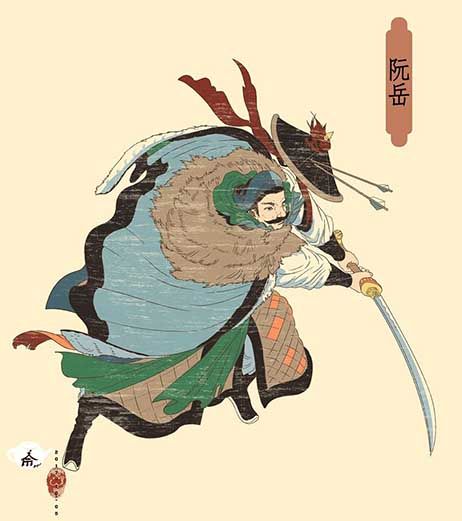
When Nguyễn Nhạc and his brothers launched their armed uprising, An Khê was a strategic choice. Tucked behind the steep slopes of the An Khê Pass and straddling the vital crossing of the Ba River, it offered both protection and access. But location alone wasn’t enough. It was Nguyễn Nhạc’s leadership—his charisma, his deep roots in the region, and his trusted relationships with local highland tribes, especially the Bahnar—that made it possible to gather a unified rebel force here. Without that rare combination of vision and local knowledge, the rebellion might never have taken root in such a crucial place—let alone succeeded.
Nguyễn Nhạc and his brothers would go on to reshape Vietnam’s political landscape—defeating the southern Nguyễn Lords, toppling the northern Trịnh, and establishing the Tây Sơn Dynasty—a more stable chapter of Vietnam’s history.
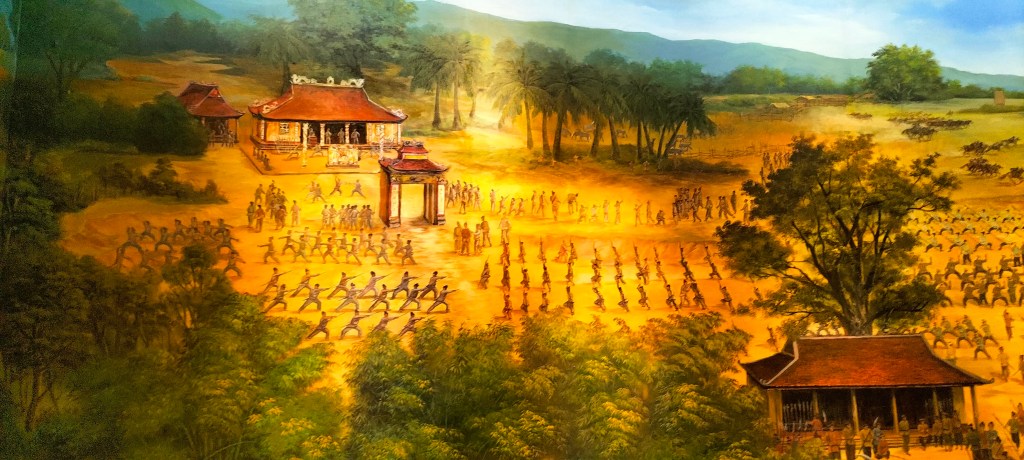
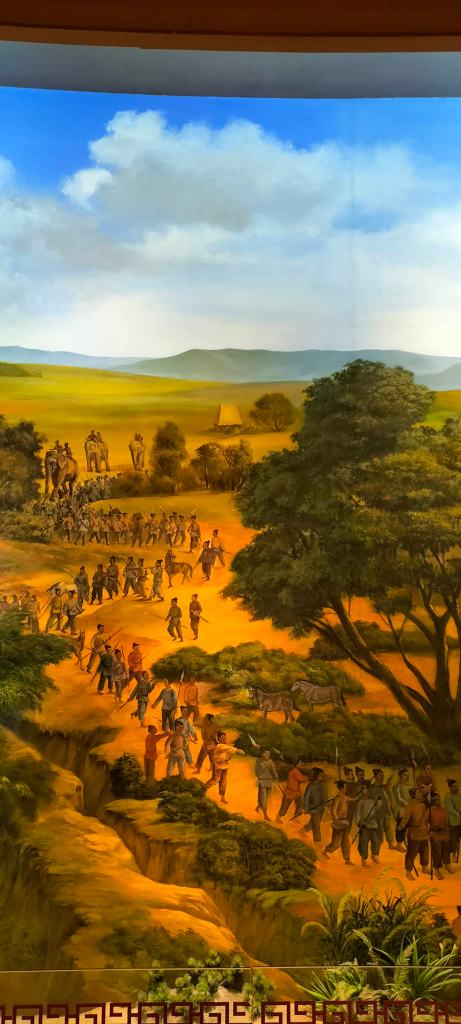
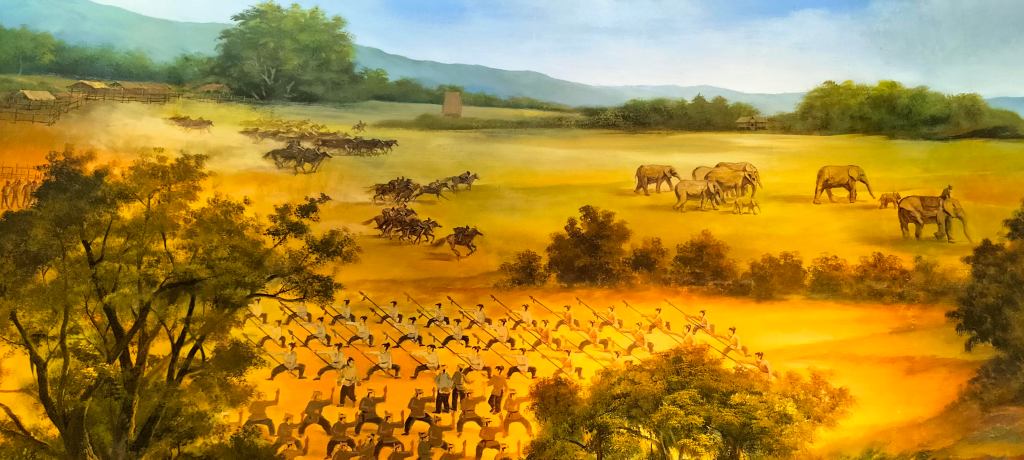
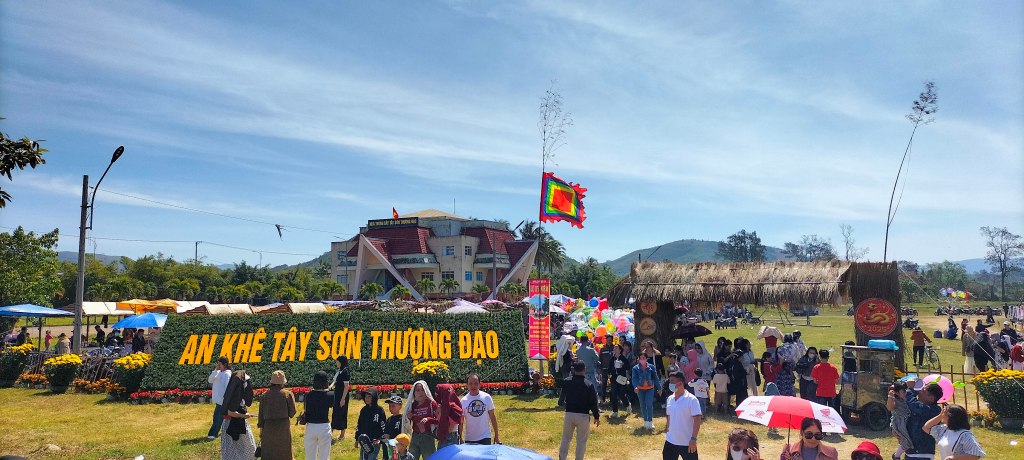
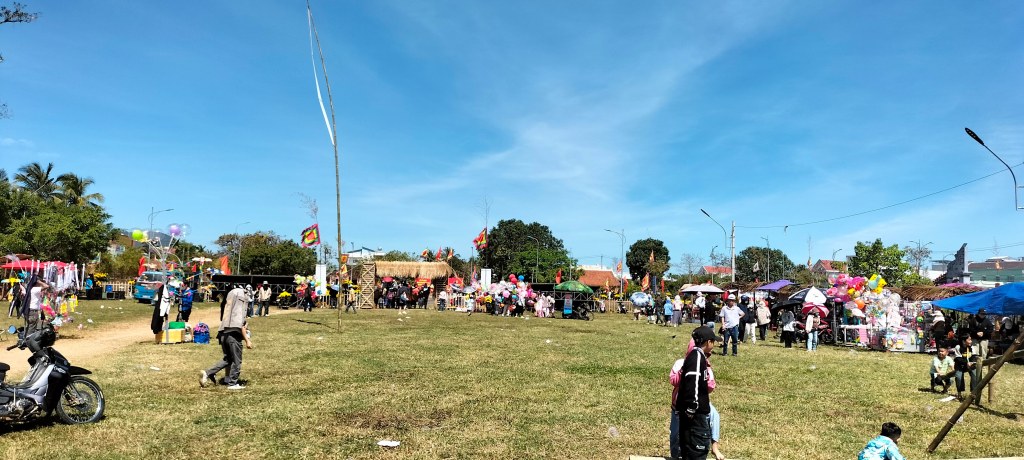
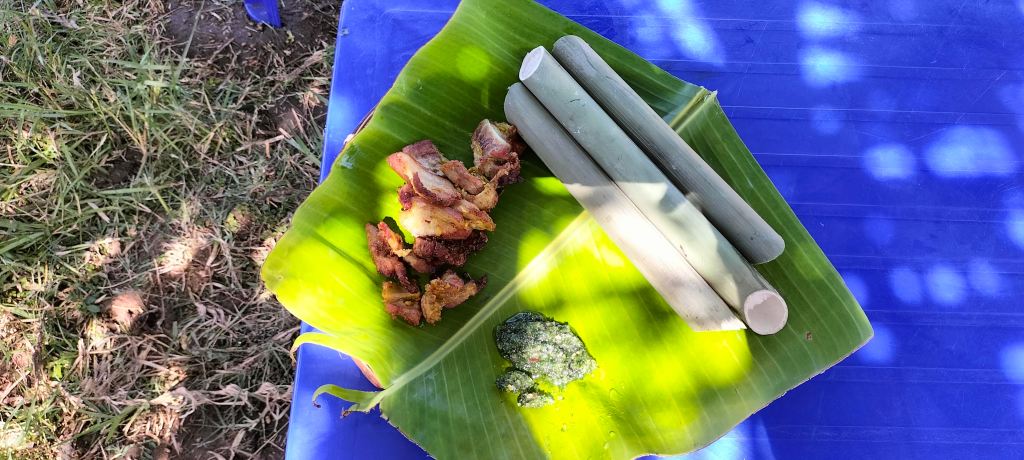
These days, Tây Sơn Thượng Đạo draws visitors from all over the country, especially during the week long national holiday for Tet – Vietnamese New Year in spring. Tet holiday happened to be the time I had off work to visit this site and I was pleasantly surprised to find a fair set up in the field and a very festive atmosphere. Visitors could buy Bahnar food, local produce, and there was even a stand offering traditional Vietnamese calligraphy. To me, it was the perfect encapsulation of the areas diverse history.
It’s not hard to see why this site still resonates with the Vietnamese people. The people rising up to express their displeasure with the running of the country is a recuring theme in the history of Vietnam as much as anywhere – and of course the most recent time that happened is still very much in living memory. In that way, the spirit of Tây Sơn lives on.
Whether you’re a history lover, a curious traveler, or someone looking to get away from the more famous tourist sites — I suggest you stop in An Khê. Walk the grounds where a rebellion once stirred. Cross the Ba River where traders and rebels once passed. Stand where Nguyễn Nhạc trained his troops who would change the history of the nation forever.

 Eastward Ho!