
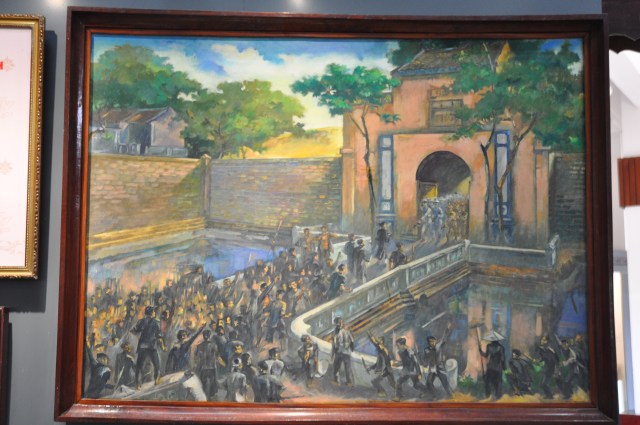
A painting caught my eye; a mob surging towards a castle gate while French soldiers in pith helmets brace to hold the line. This was in the Quy Nhơn Museum back in 2020, and it made me want to walk in the footsteps of those brave folk. But when I tried to find the castle on a map, there wasn’t one. It would be five years before I uncovered the clues that led me to the location.
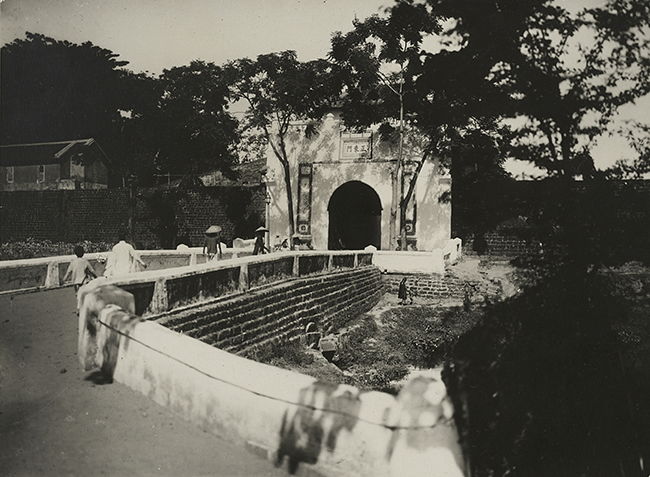
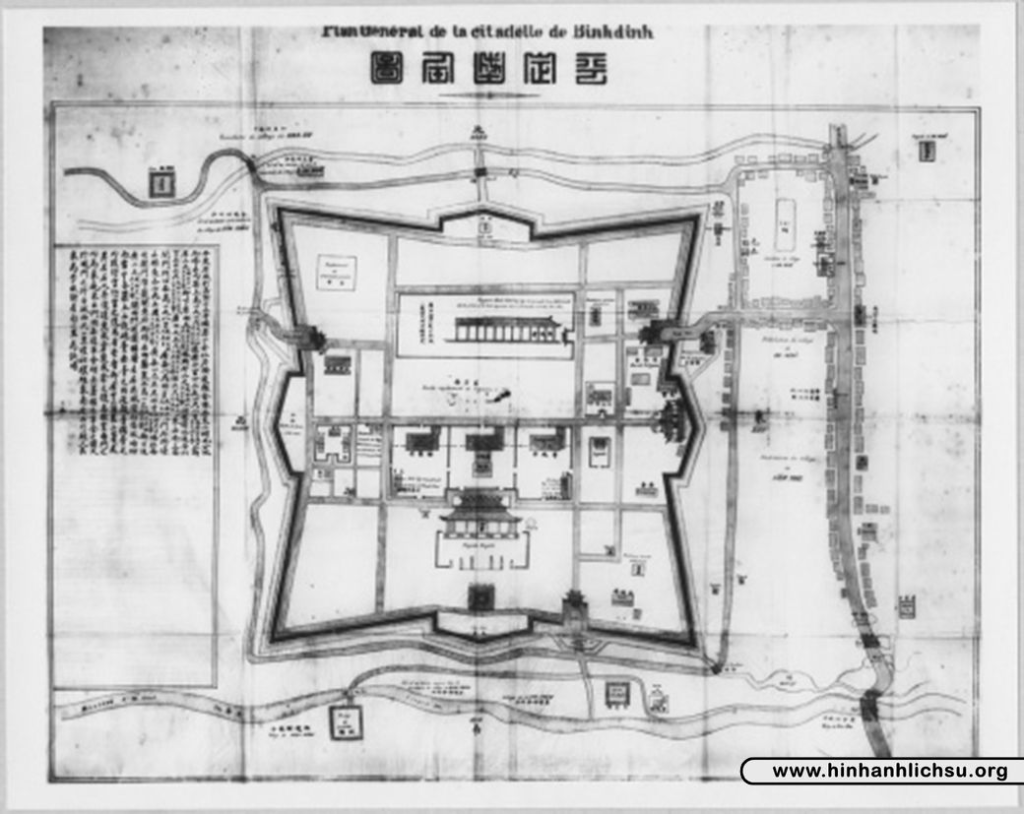
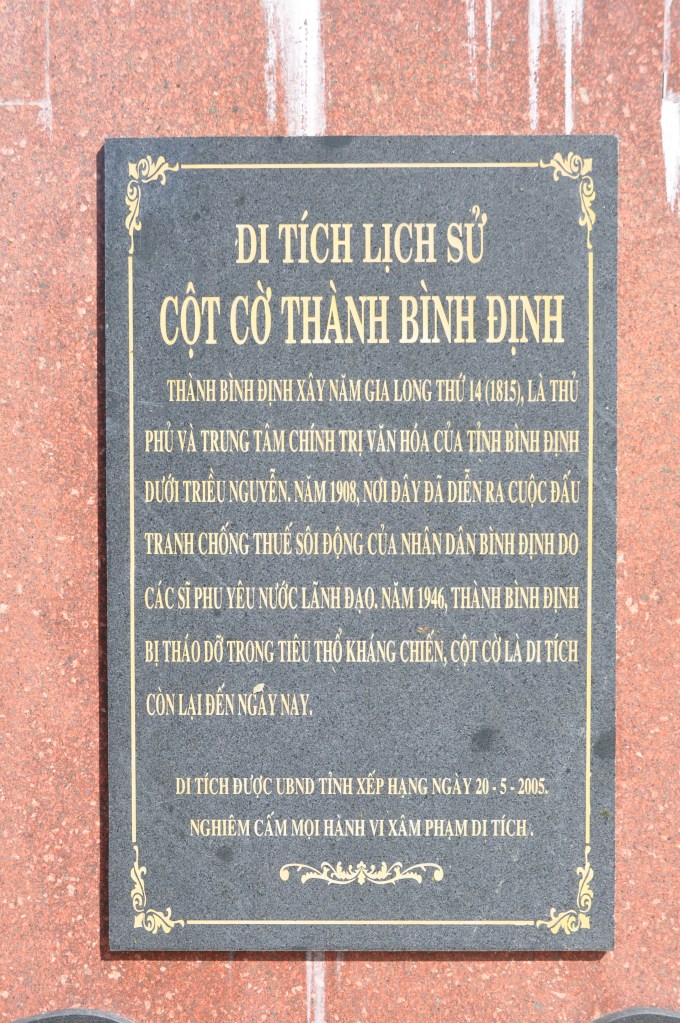
So continuing the history from my last post, after the Tây Sơn were defeated at the Battle of Thị Nại in 1801 the new Nguyễn dynasty decided that the 800 year old citadel used by the Tây Sơn was passed it’s use-by date. They moved just 5km south to a different distributary of the Côn River and built a modern star-fort. The Citadel was named Bình Định (平定) meaning “Subjugation” — no dressing up what was happening to the Tây Sơn homeland. It was the first time the name Bình Định was used but it would later be the name of the whole province (until discontinued in 2025).
When I showed up in An Nhơn, people were still sweeping up after the typhoon. Leaves were piled along the kerbs and branches lay scattered about, though the town had clearly fared better than the coast. The storm had cleared the air; it was a cloudless blue and the heat was already intense. Part of the reason I’d come was the hope of finding a hotel with electricity, since Quy Nhơn city was completely without power — but An Nhơn was in the same state.
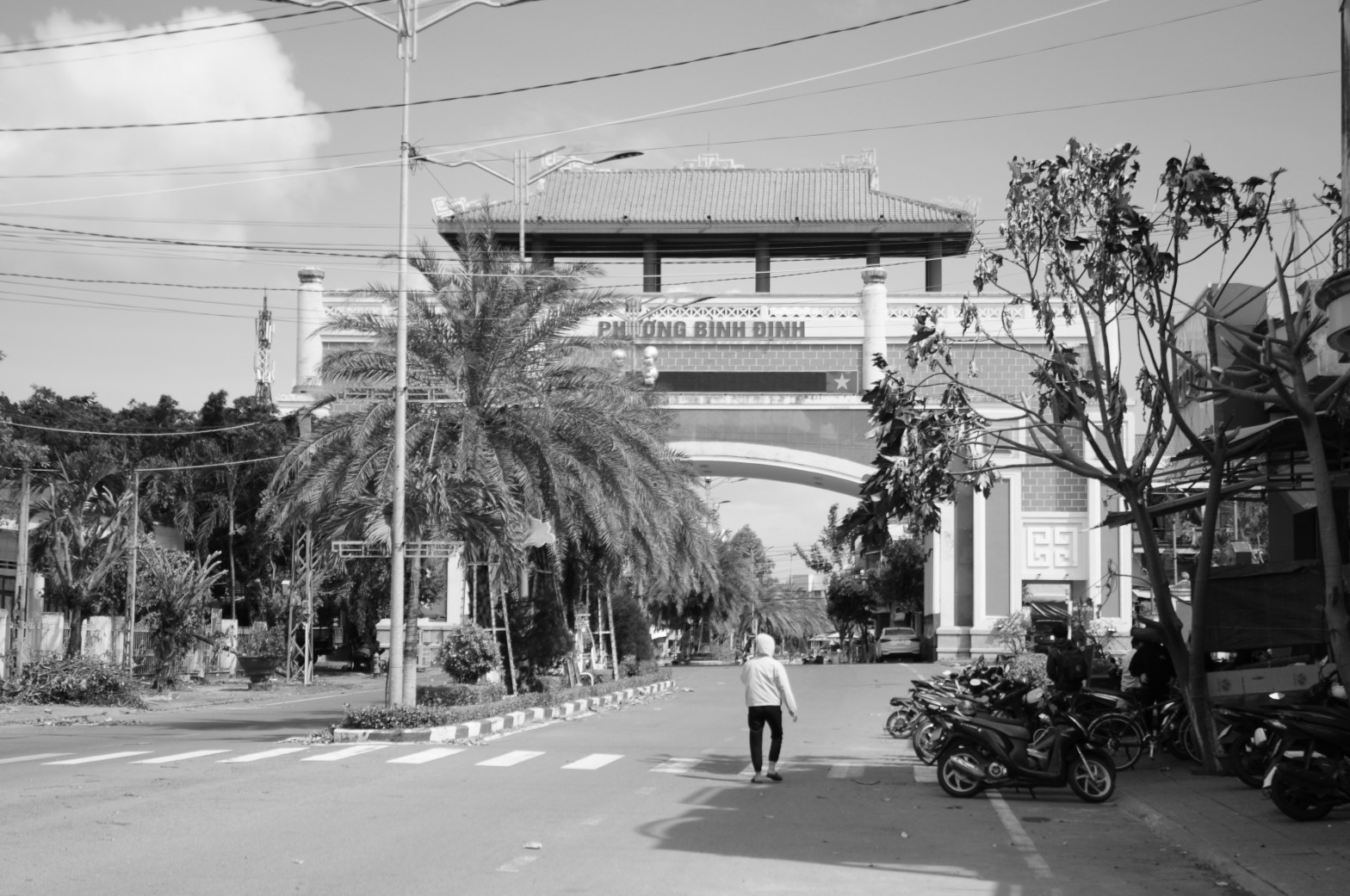
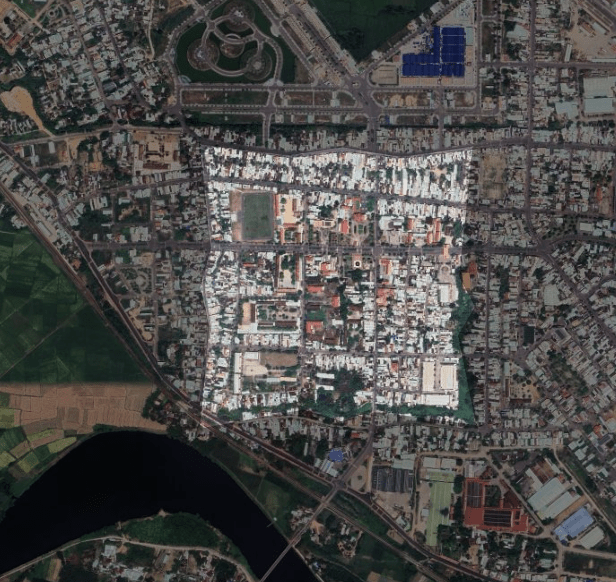
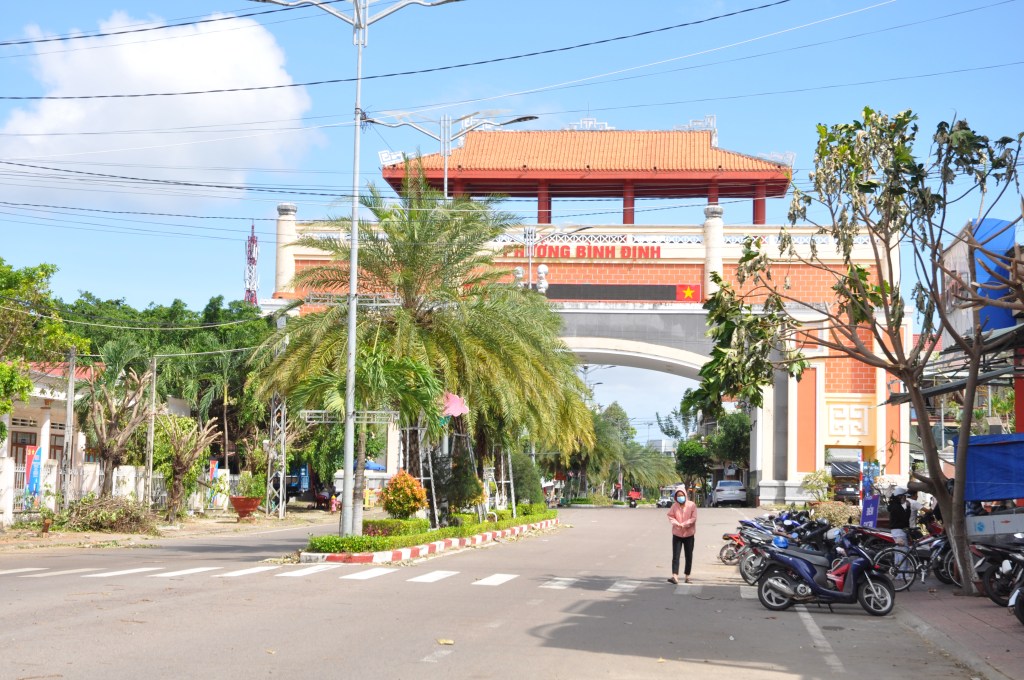
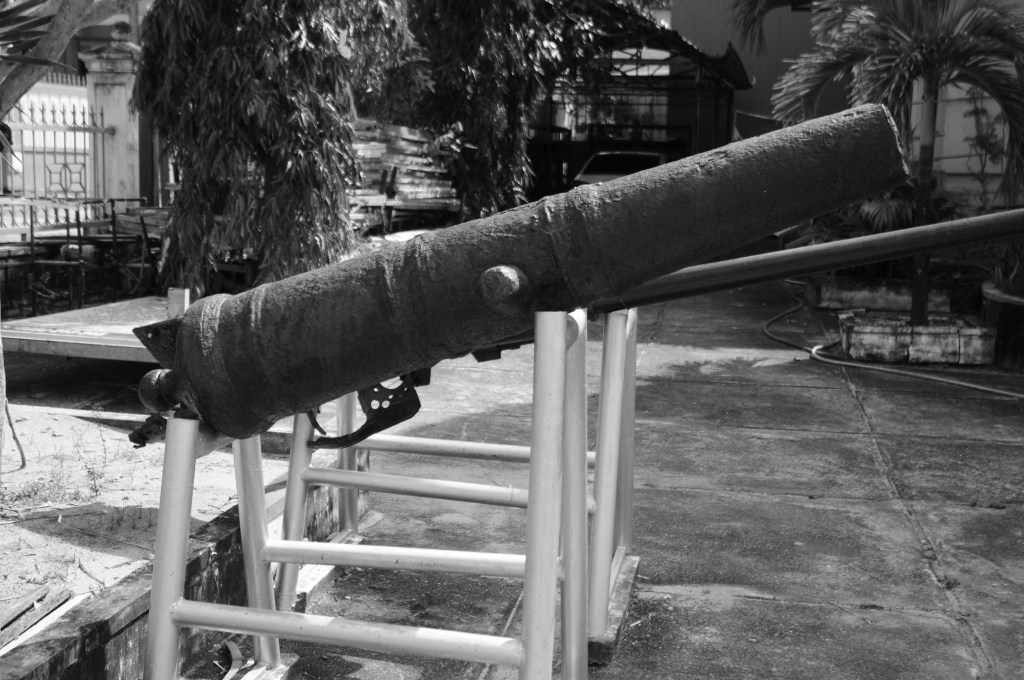
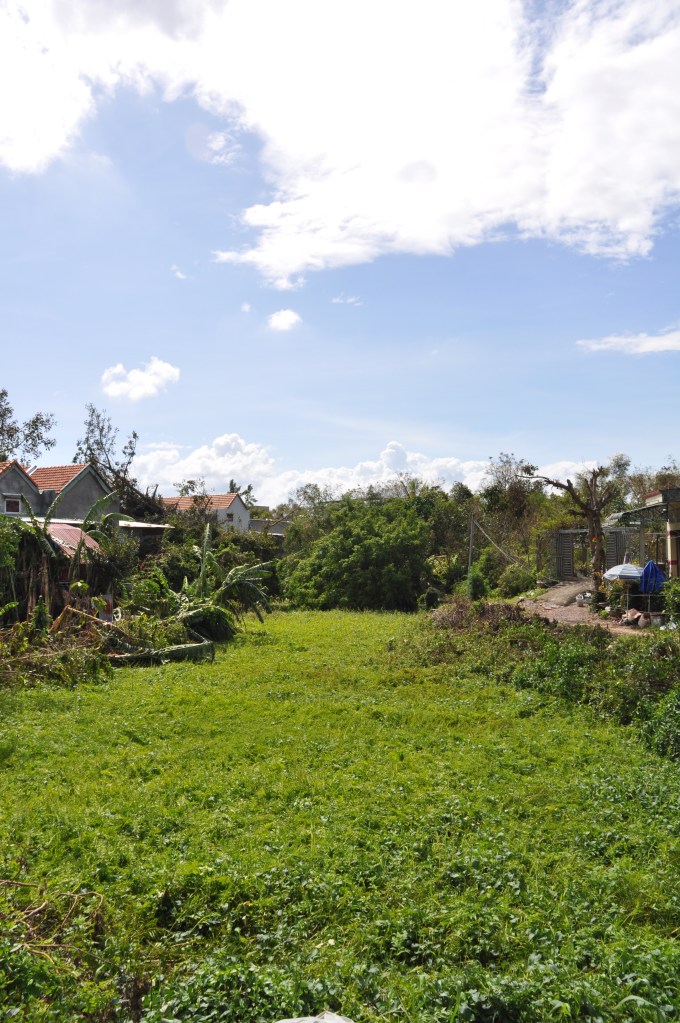
Despite that, I persevered to find some traces of the old citadel. Like most towns in Vietnam, An Nhơn has an arch across the main road to welcome visitors. But while many towns go for something that looks like the Blackpool lights, with flashing technicolour lights, An Nhơn instead greets travellers with a grand, castle-style gate. It marks the site of the original west gate of the citadel. Further down, parts of the old moat survive as ponds thick with water plants, and the local library keeps an old cannon stationed proudly at its entrance. The main street Gia Tự even zigzags where it follows the outline of the former star-fort.
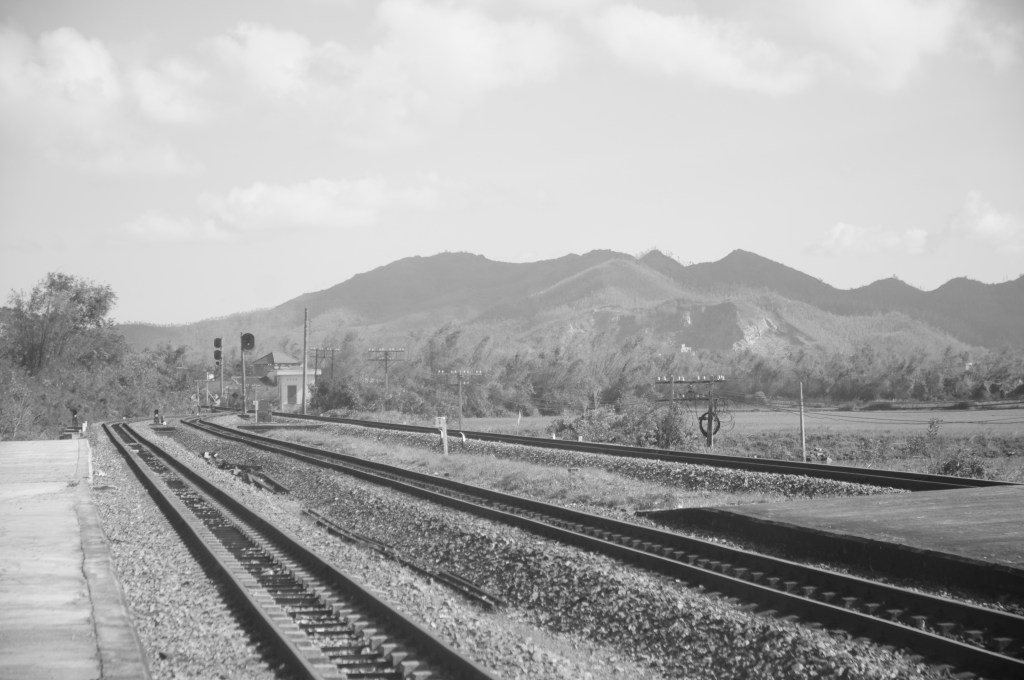
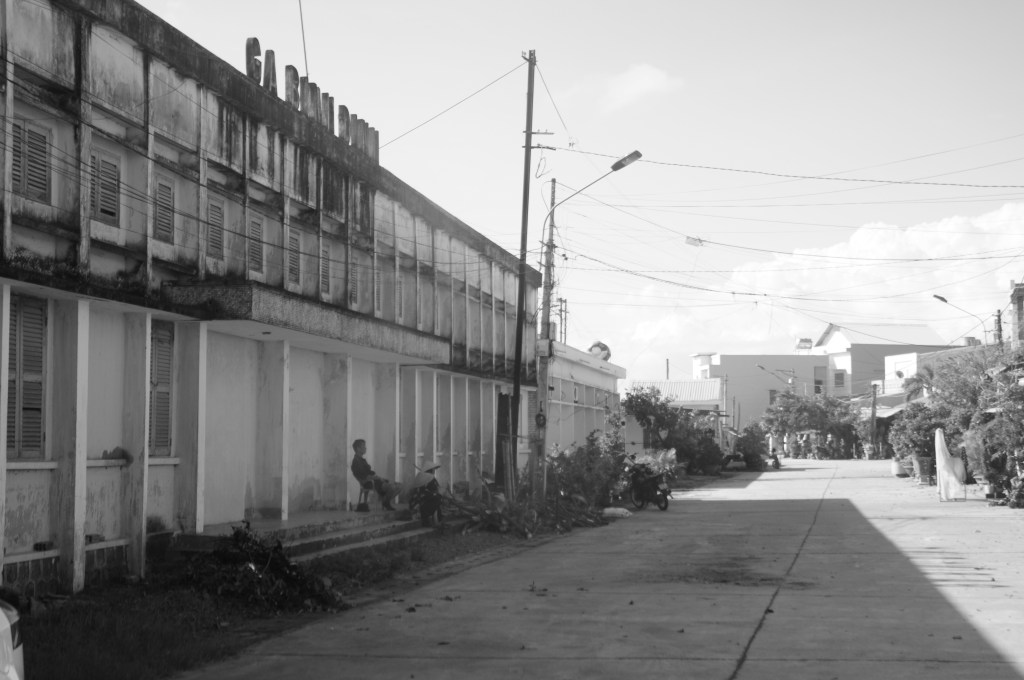
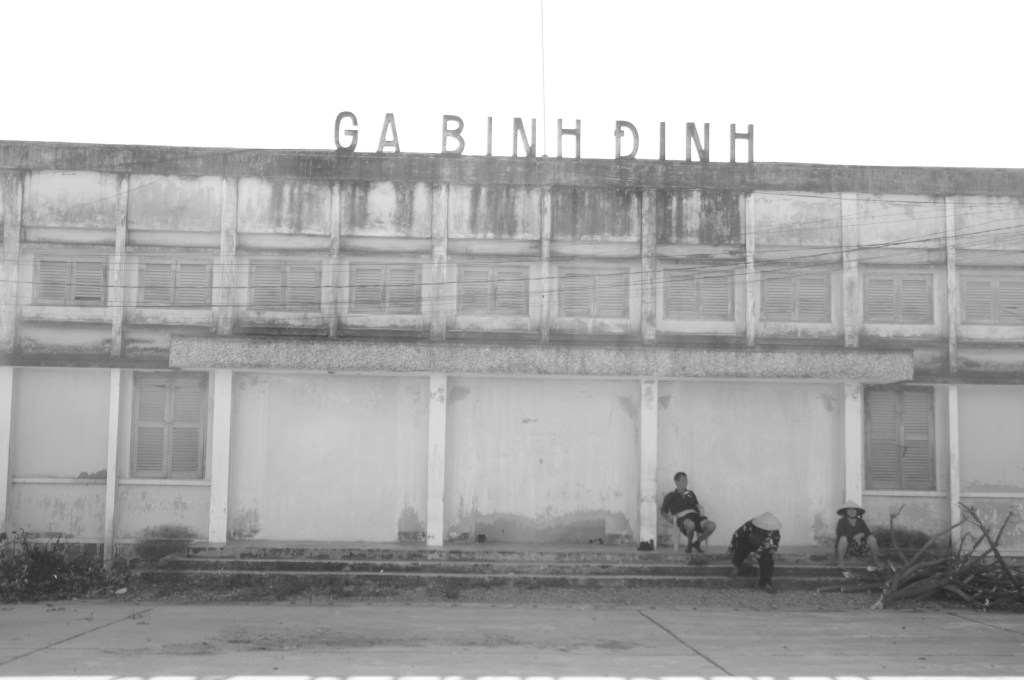
While the Citadel stood, An Nhơn was once the administrative heart of Bình Định and knowing this history solves one modern day mystery about Quy Nhơn city. Tourists come to Quy Nhơn City these days to enjoy the beach but are inconvenienced by the way the railway mainline doesn’t come into the City. Well, Quy Nhơn at the current location would be established by imperial decree in 1898 but was little more than a couple of fishing villages and would not have been at all important enough to consider on the route of the railway, construction on which started in 1899. An Nhơn however does have a railway station named Bình Định.
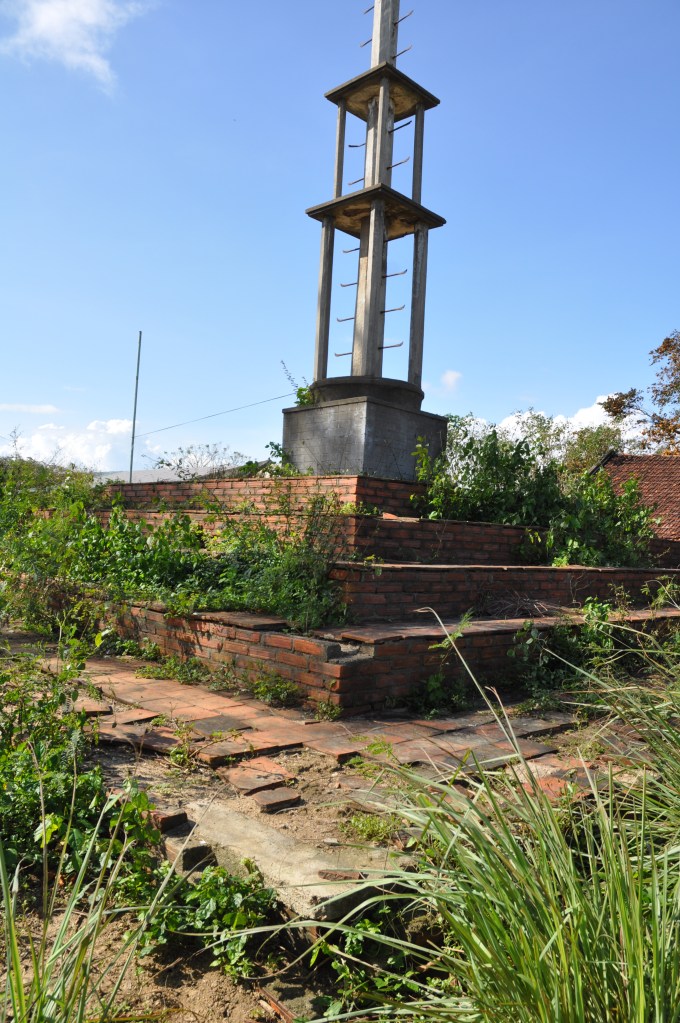
I stopped for a coffee, choosing a cafe next to the overgrown pond that you can see clearly on a map is the shape of a star-fort moat. I had a chat with some friendly locals who were really keen to hear me speaking Vietnamese and wanted to know all about me. Then the owner insisted I not pay for the coffee. After that, some other locals helped me find the old forts flagpole. After taking a well hidden dirt path between farm buildings, I cam across a brick tiered base with a flagpole, the only structural remains of the citadel left to mark the spot.
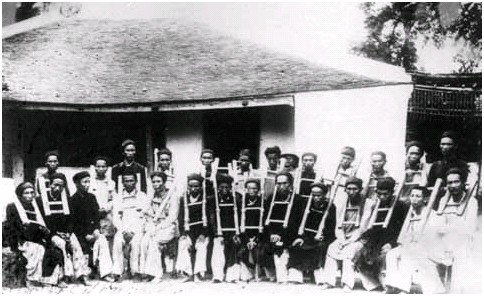
After a lot of digging I learned that the painting in the Quy Nhơn Museum depicts the uprising of 1908, when thousands of local rose up to protest high taxes set by the French colonists. The demonstration was mercilessly crushed, many were executed or sent to Côn Đảo — the infamous prison island (source). Today these demonstrators are remembered as heroes of the long fight for freedom.
Would I recommend tourists come here? Probably not. Although my interactions with locals made the day out worthwhile, there isn’t much to “do” or “see.” Visitors from Europe often say South Vietnam lacks history, not much in the way of castles or ruins to speak of. I used to think that too. But it’s here, it just takes a bit of searching to find it. Even in China, most of the “ancient” citadels were reconstructed in the 1980s (source). Perhaps one day Vietnam will follow suit. I think relocating relevant artifacts from other Gia Lai museums to an onsite reconstruction at An Nhơn for the Bình Định Citadel and Hoàng Đế citadel could be a great boost to tourist, especially given the proximity to the airport.
 Eastward Ho!