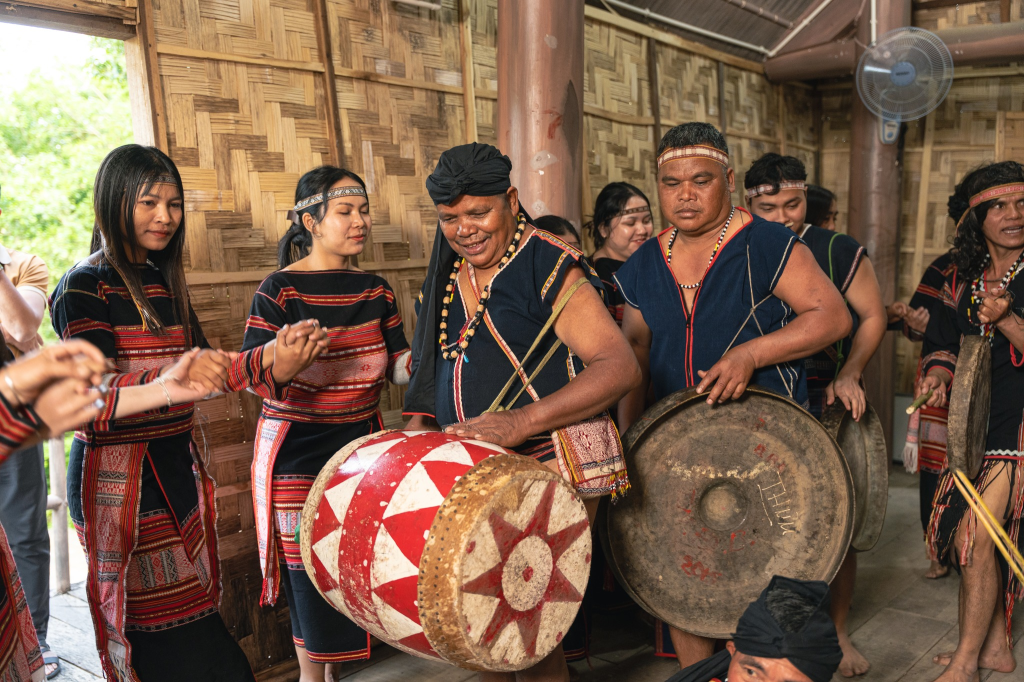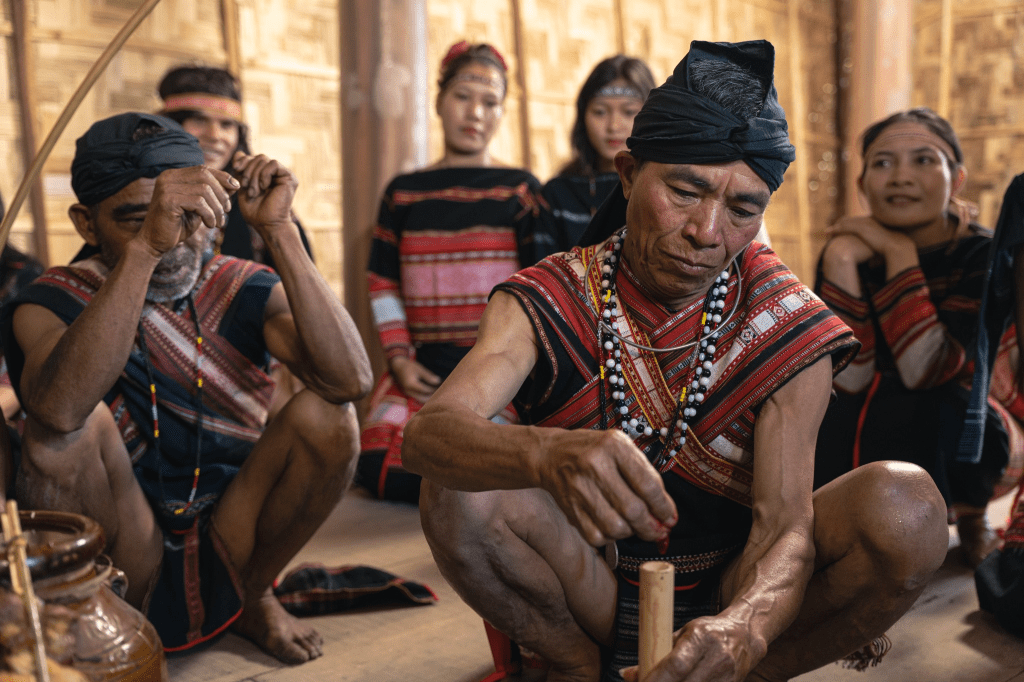
It’s been a while since I’ve written about the indigenous cultures around Pleiku, though I feel there is still a lot more to uncover. At the time of writing, I’m in Sarawak, Borneo for Tết holiday. One of the first things that stuck me here as a tourist is the beads. Among indigenous Bidayuh communities in particular, strings of beads are not just fashion; they are integral to culture and identity.
The indigenous people here appear outwardly to be similar to the cultures around Pleiku (and possibly distantly related, splitting off about 2500 years ago). Which for me raises the question: were beads ever significant to the Jrai? Afterall, I’ve written about the significance of bangles before.
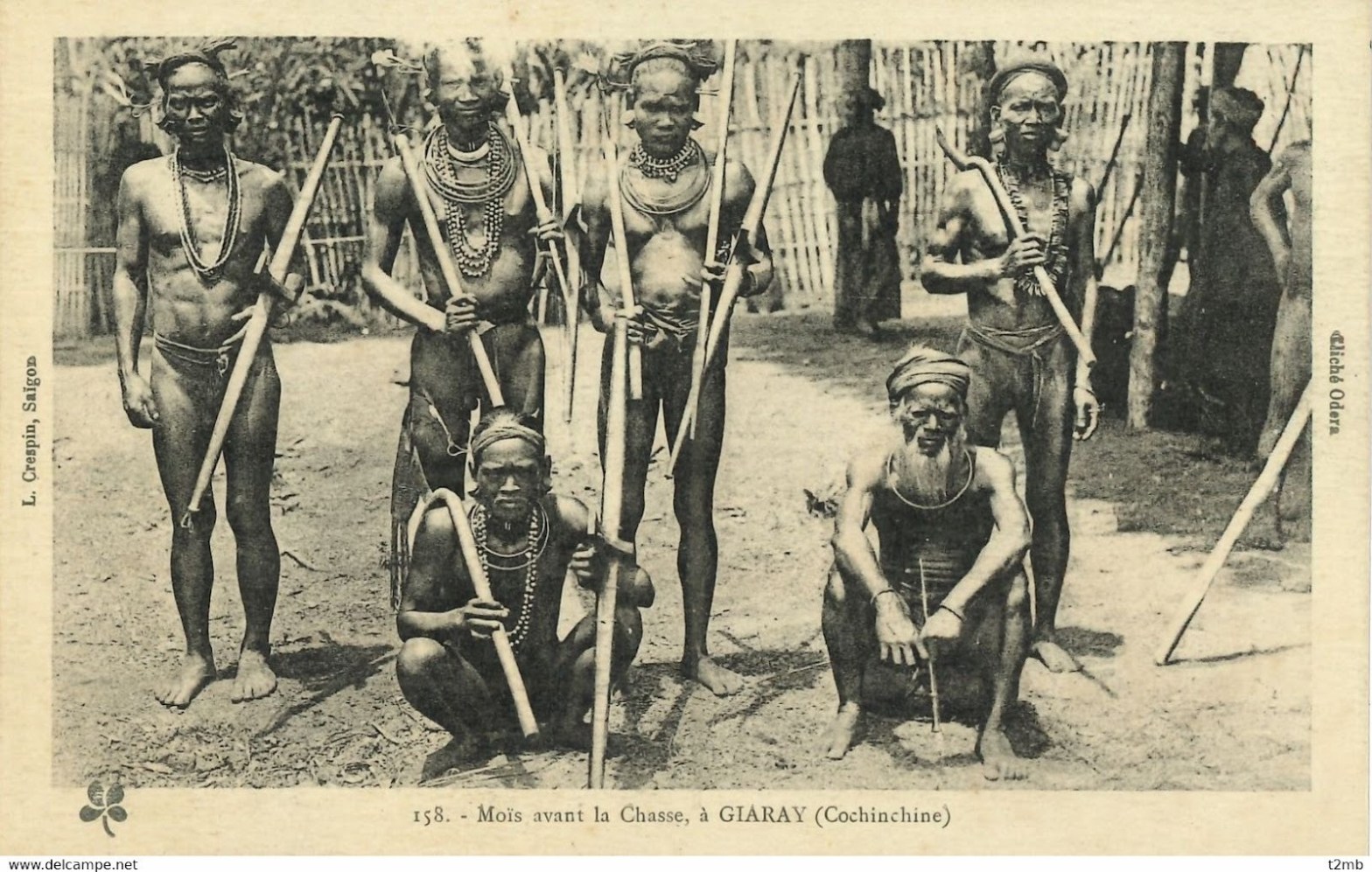
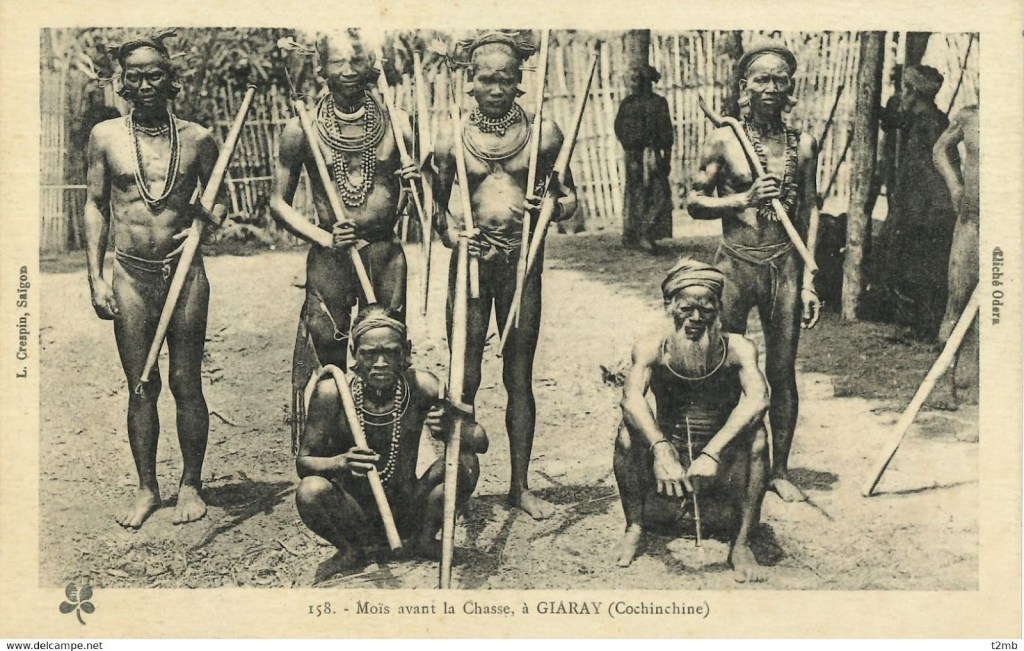
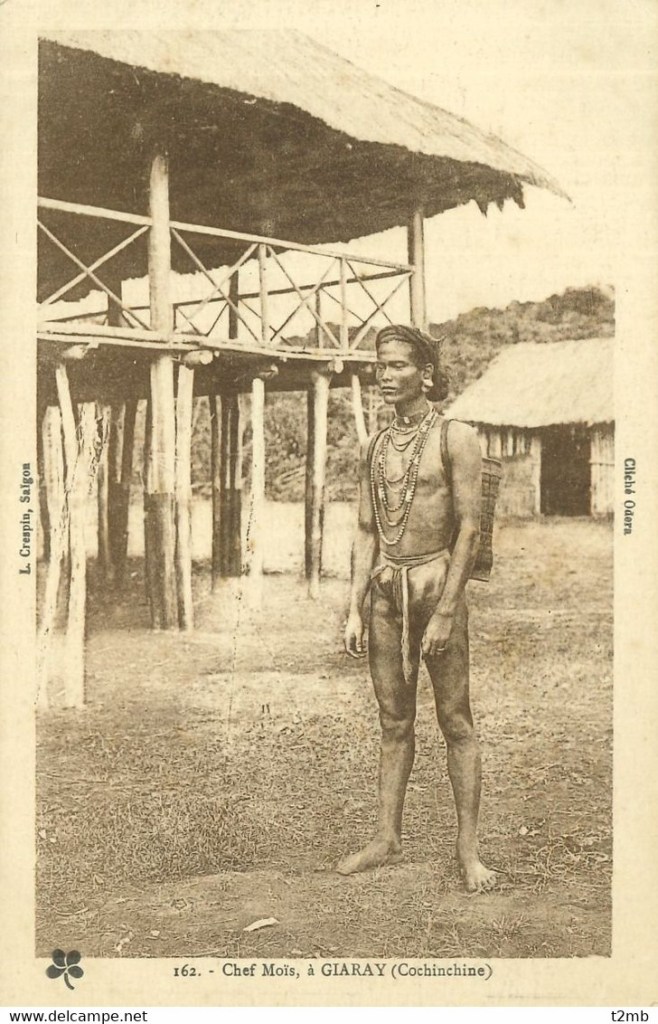
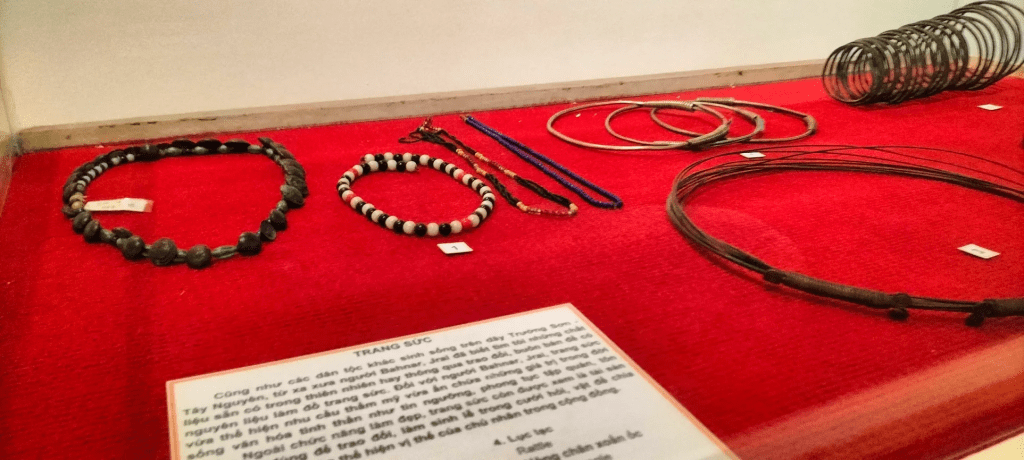
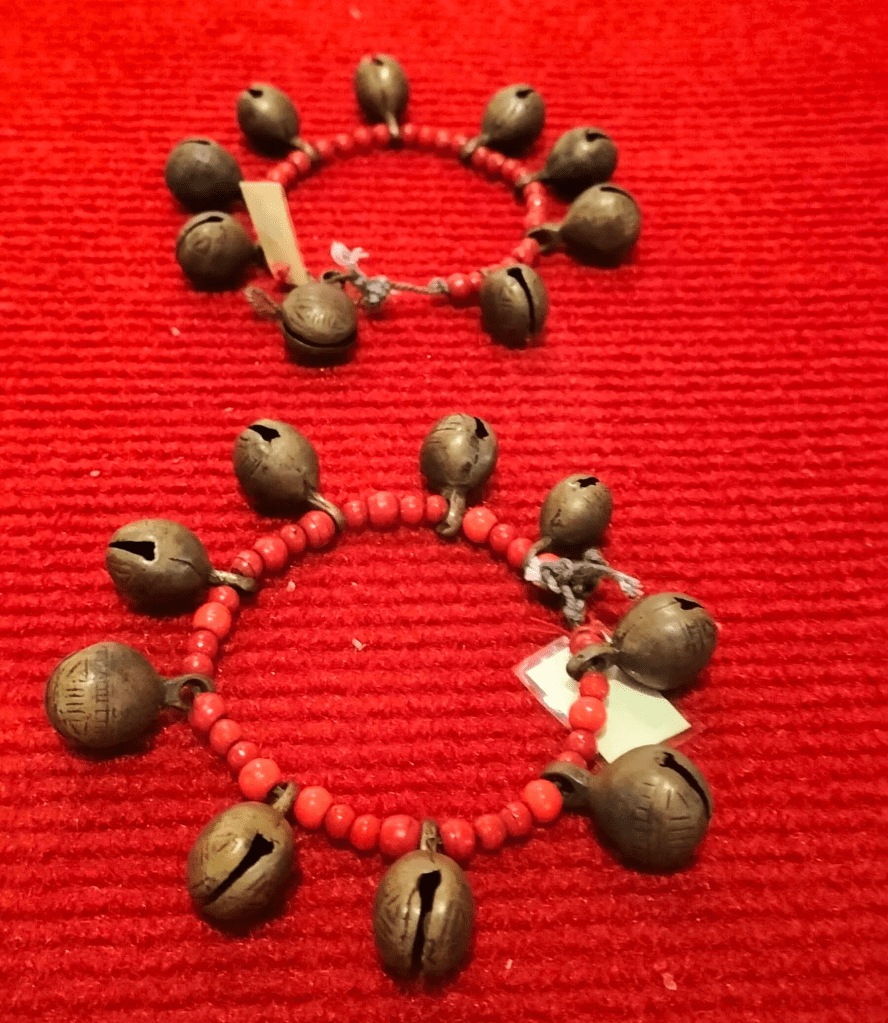
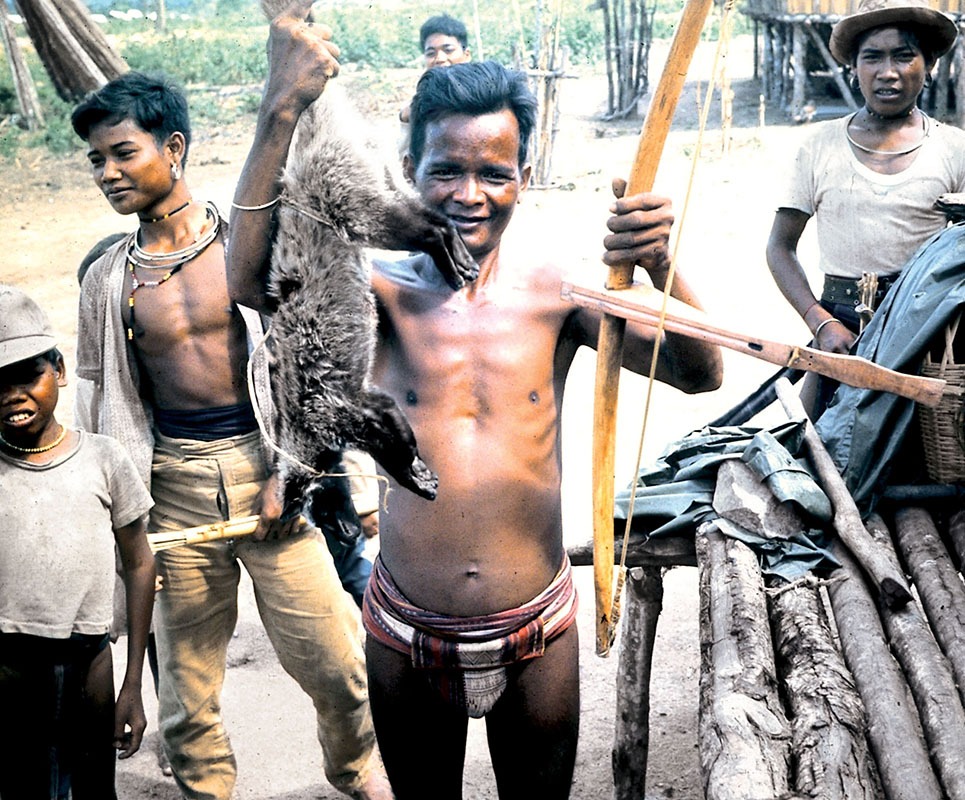
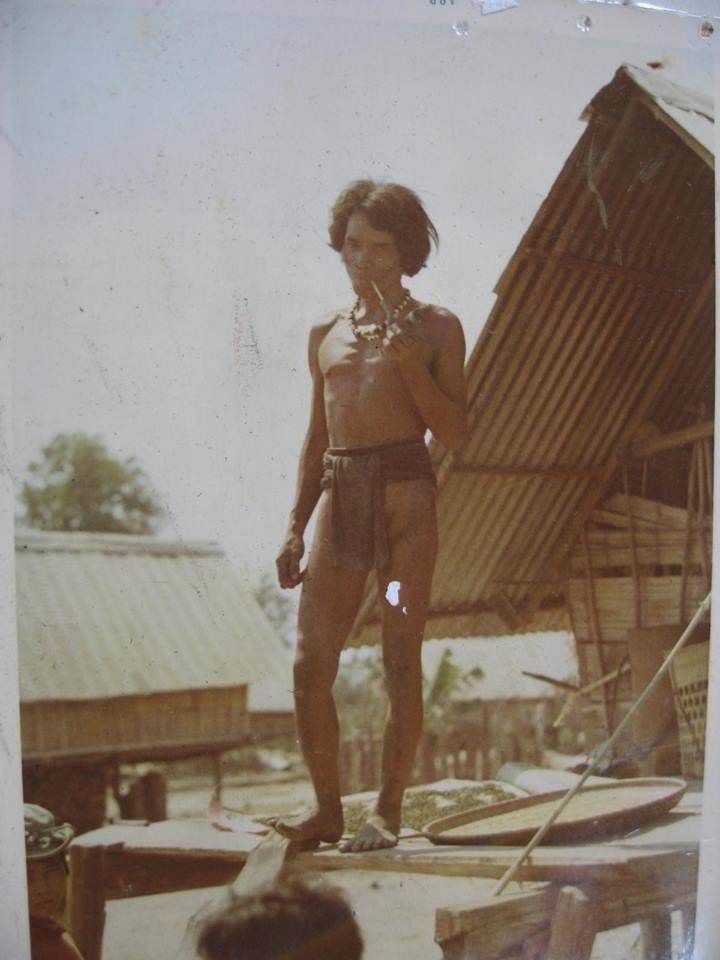
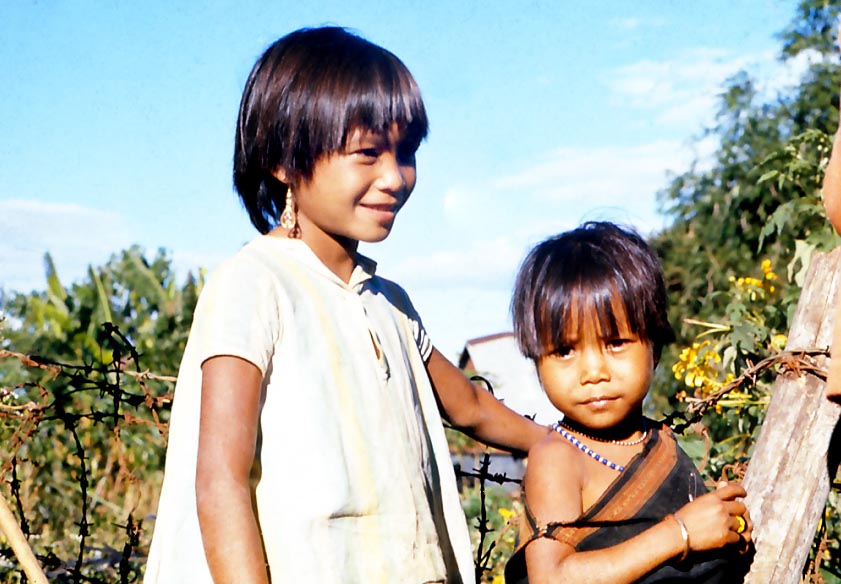
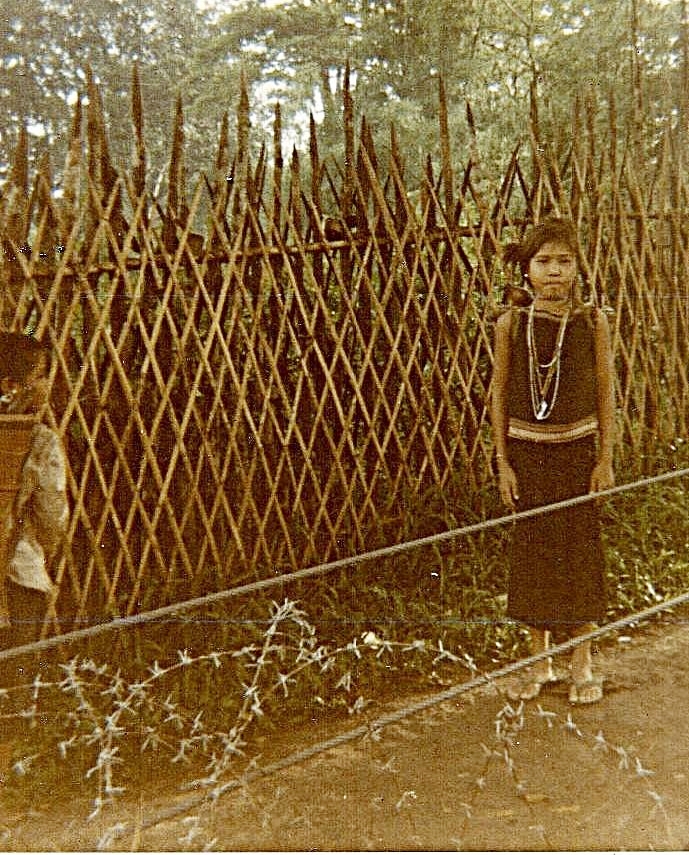
The answer is … maybe. The oldest photographs from the late nineteenth and early twentieth centuries show Jrai men and women wearing multiple strands of beads around their necks. There is also material evidence in Pleiku’s museum you can see Bahnar beads. But as the decades moved on — particularly from the 1960s into the 1970s — the strands thin out in the visual record. By the war years, jewellery of any kind is far less visible except the bangles.
The mid-twentieth century disrupted highland lifestyles significantly. French administration, missionary influence, relocation into strategic hamlets and the wider cultural shift of Southeast Asia all altered patterns of dress, ritual practice and local economies.
In neighbouring groups, bead significance is more clearly documented. Among the K’ho people of Lâm Đồng, certain agate beads are associated with wealth, power and even love. The K’Ho believe that white represents water; black represents earth; red symbolizes desire and will; blue is the color of the sky; and yellow is the color of light. Usually the big beads are oval and the small ones are round and flat. The beads are strung by alternating colors and sizes (source).
For Co people in Quang Nam, Every Co girl is taught how to string beads by her grandmother or mother from a young age. On special occasions such as weddings and festivals, the Co people wear their traditional clothing along with colorful bead strings they have handcrafted (source).
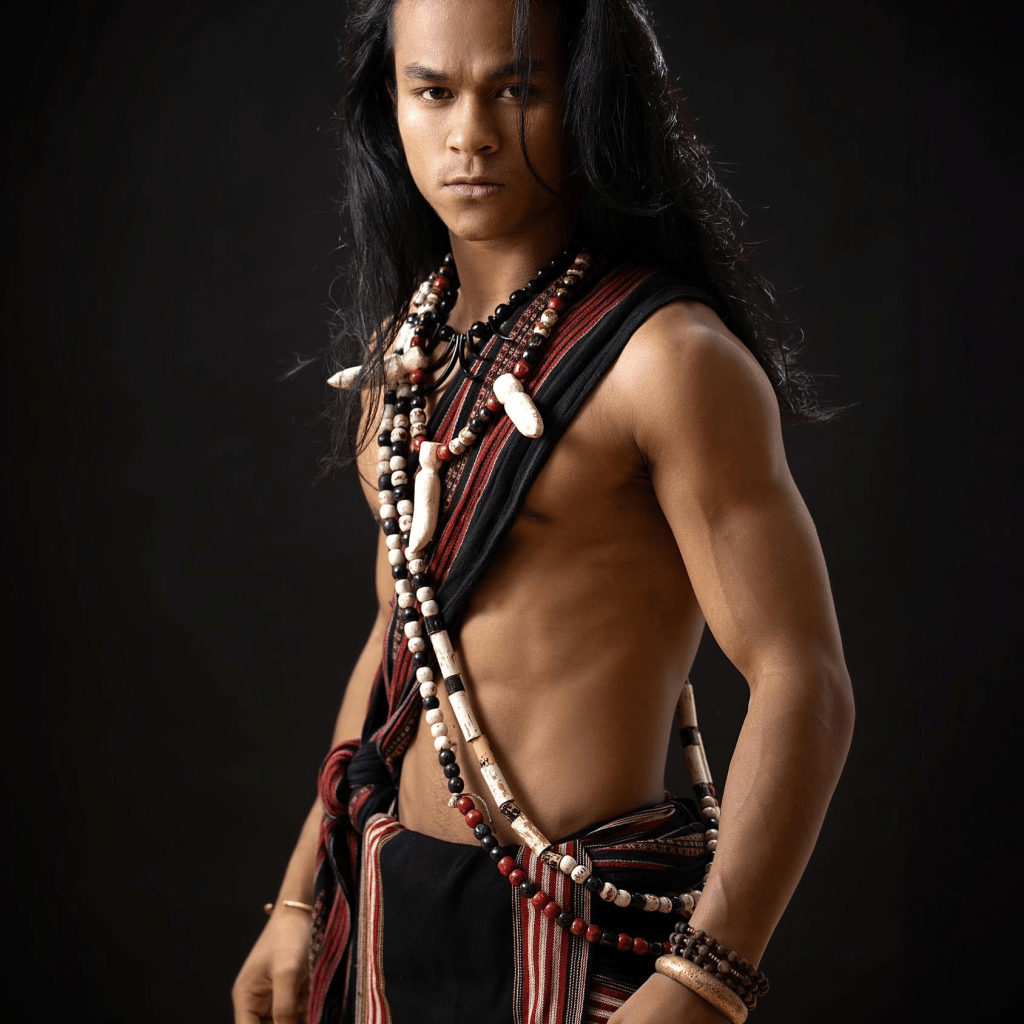
The beaded necklaces of the Katu people, who live near the boarder with Laos, are worn by elderly men at Tết, weddings, and other important gatherings. Strings of agate beads are prized, often strung along with wild boar fangs, bear claws, or small carvings of rare wood. The length of a fang or claw signals a man’s status within the village. These necklaces are considered part of a man’s life, and when he dies, they are buried with him. (source)
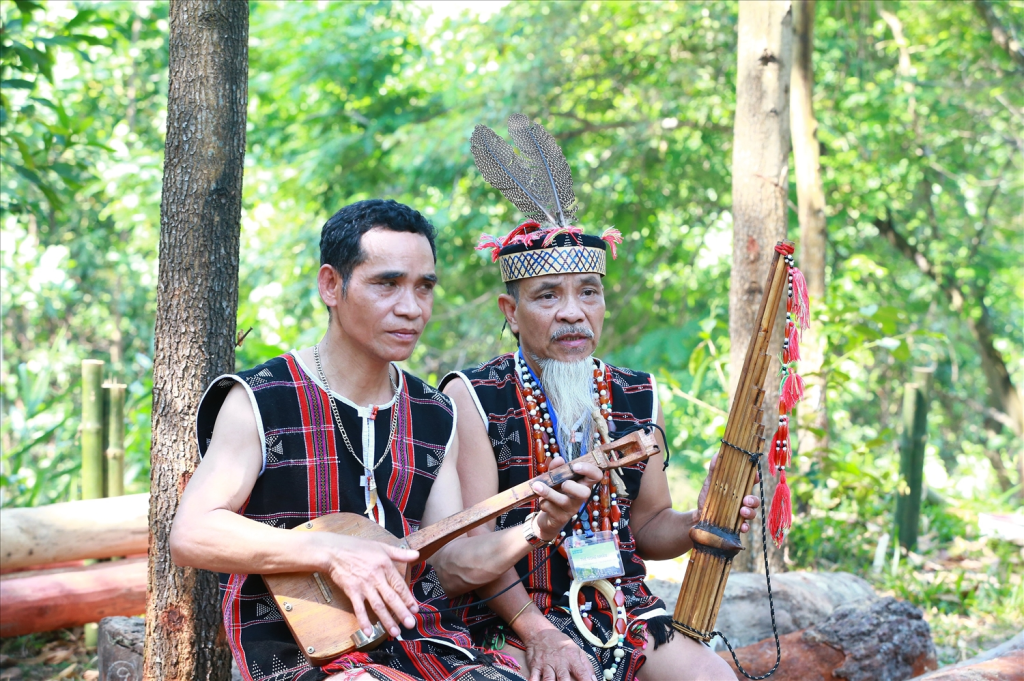
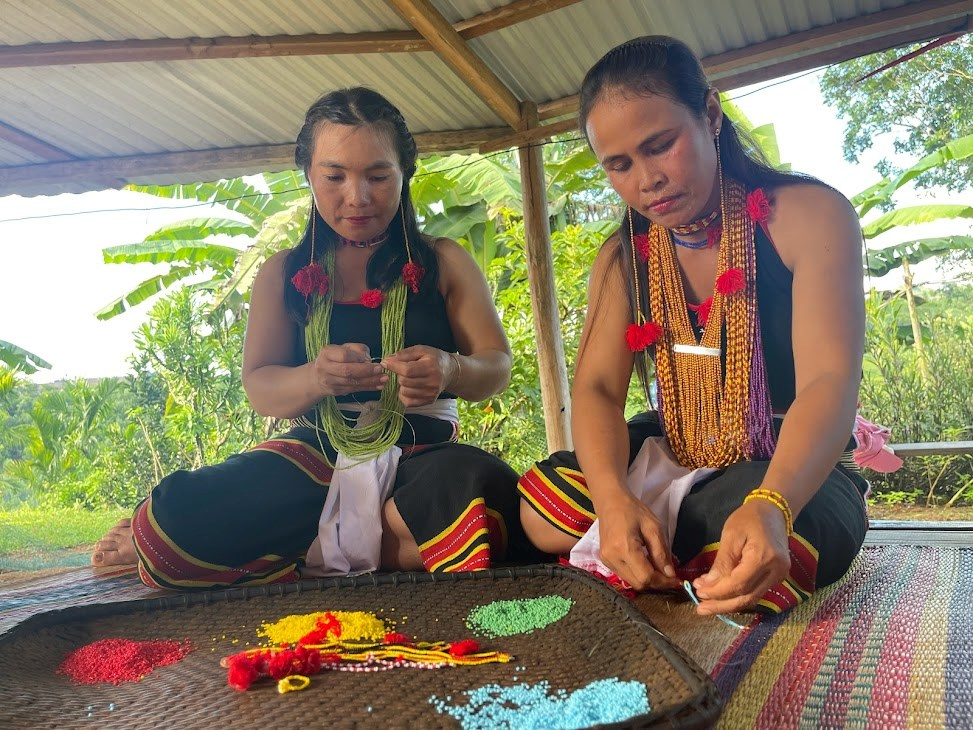
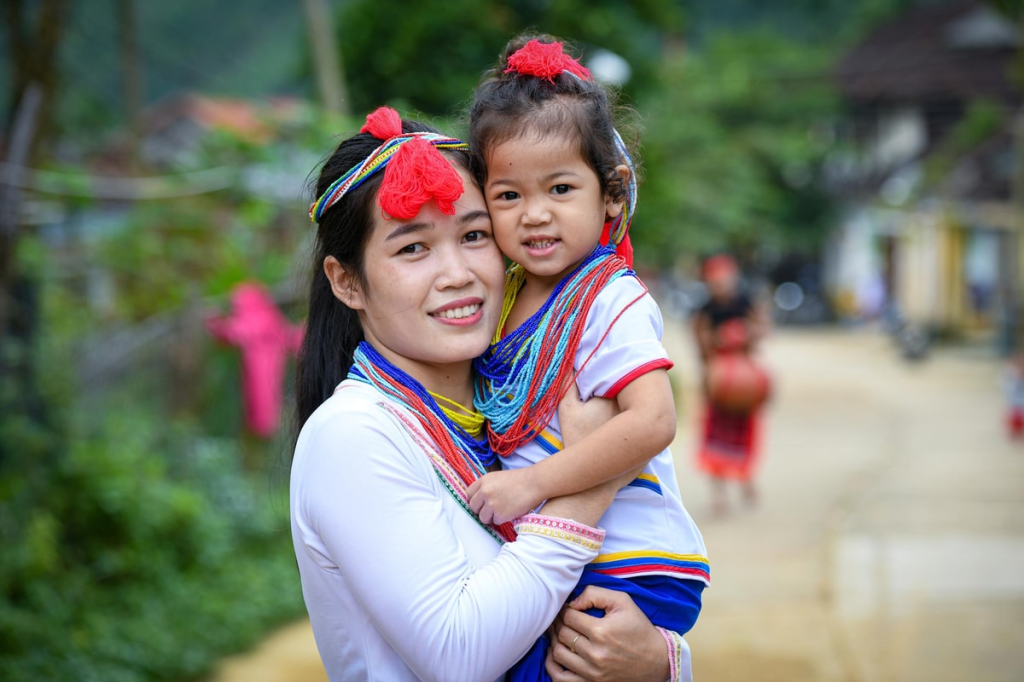
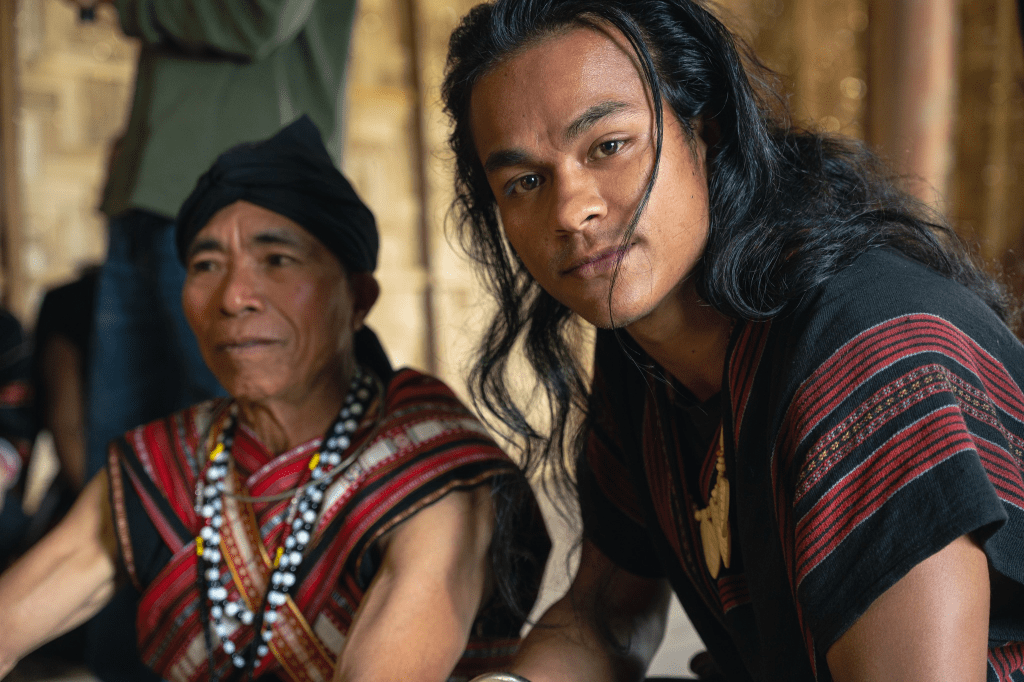
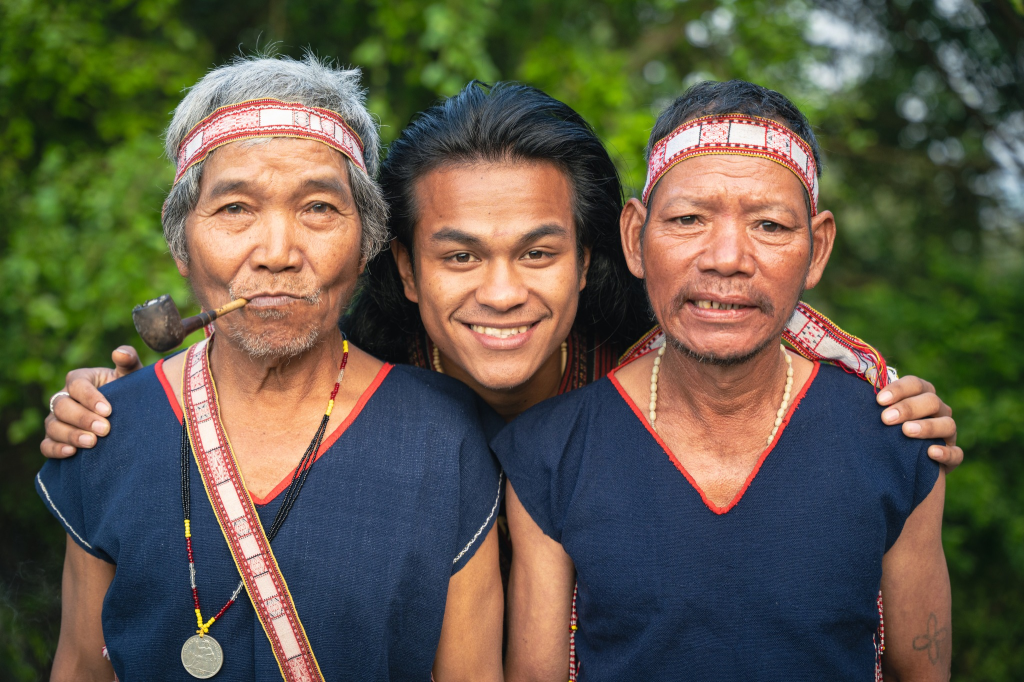
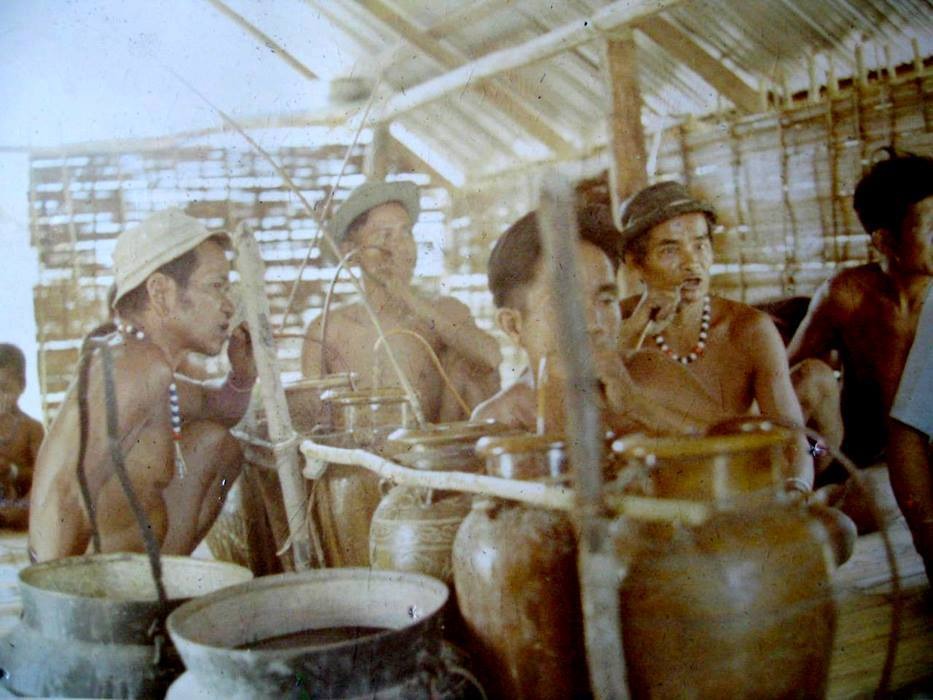
More recently, there are signs of a reappearance of beads in Jrai communities. Bus Rcom, a friend of mine and public figure who goes by the name Tarzan Tay Nguyen (Facebook) (Instagram), often appears at cultural events wearing several bead strands as part of his traditional costume. When I asked him for a quote he had this to say
Each bead, each bracelet has its own story and it all goes to the old stories, the spiritual stories of each different people – Bus Rcom