I haven’t finished writing about Christmas yet and then I have Chinese New Year to write about…. However I thought I should do a quick update on the coronavirus situation.
Let me start by saying I haven’t caught the virus and neither has anyone I know. There have been surprisingly few cases in Vietnam. At the time of writing, there is a higher probability of catching it in the UK than in Vietnam so don’t worry about me!
School’s have been shut here since the start of February in response to the virus. They closed at the end of January for Chinese New Year and never reopened. I have been tutoring some of my students in cafes and others via Skype from home. There is talk of GCSE and A’level exams being pushed back but the IB organisation have apparently issued a statement saying that nothing will change so we’re worried about that.
Other than that most things are operating as normal here. People are wearing surgical masks but people always have done; they think it helps with pollution. I hear that Vietnam is no longer issuing new visas and have removed the visa waiver for tourists. I haven’t noticed any difference in the number of people out and about but I hear tourist cities like Hoi An are very empty.
I grew up in the countryside and I’m definitely a country boy at heart. I love to get away from the roads, noise and crowds of city life and lose myself in the wilderness. In the novel and film Lost Horizon, Shangri-La is a place to escape from modern society. I guess that’s why I was so attracted to Shangri-La when I heard that it’s the name of a real place and why I dedicated two weeks to traveling across China in the heart of winter to get there.
This is what I was thinking about as I sat alone on the pine-needle covered floor of the mountainside eating duck jerky and watching the view; nothing around me but trees and snow.
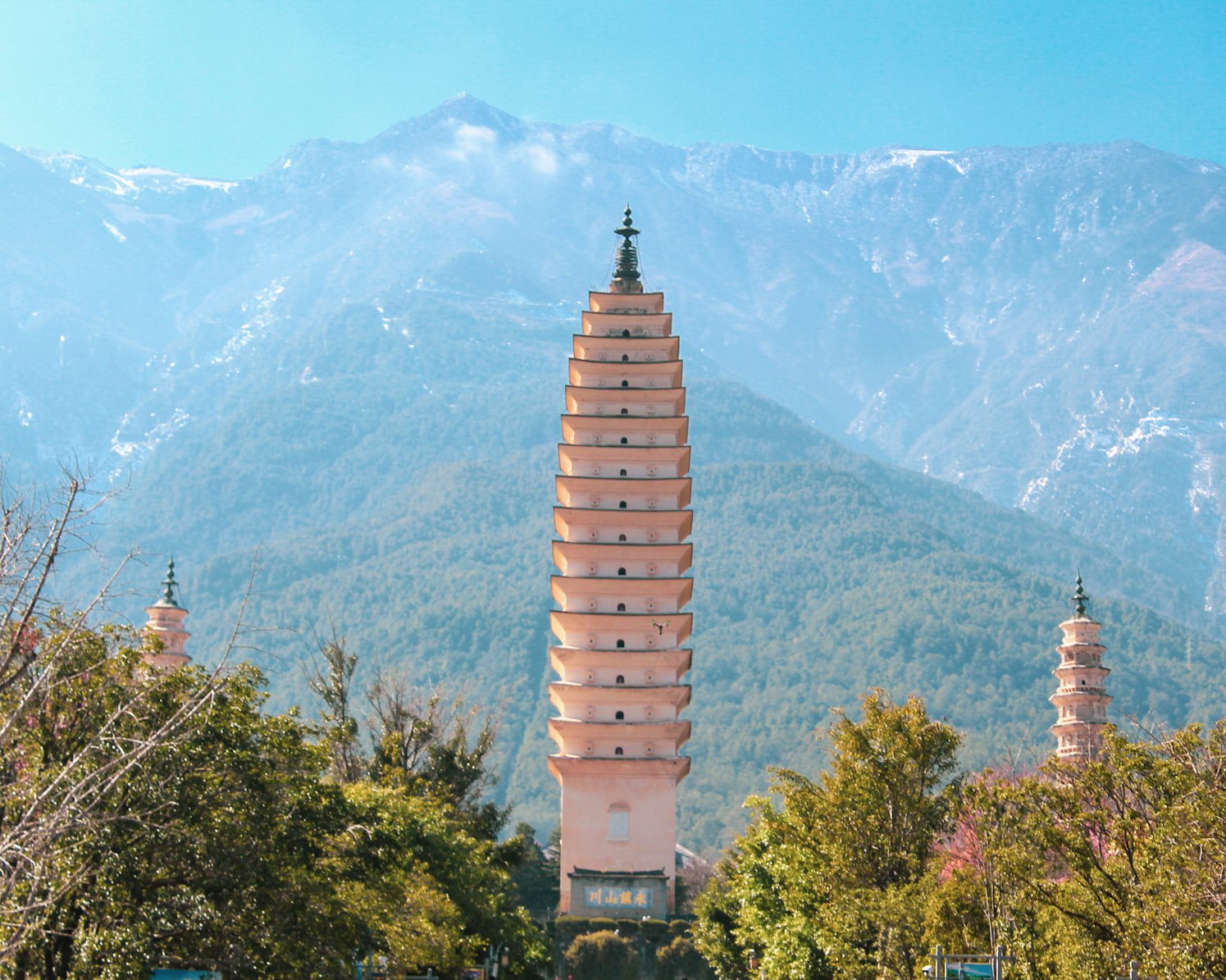
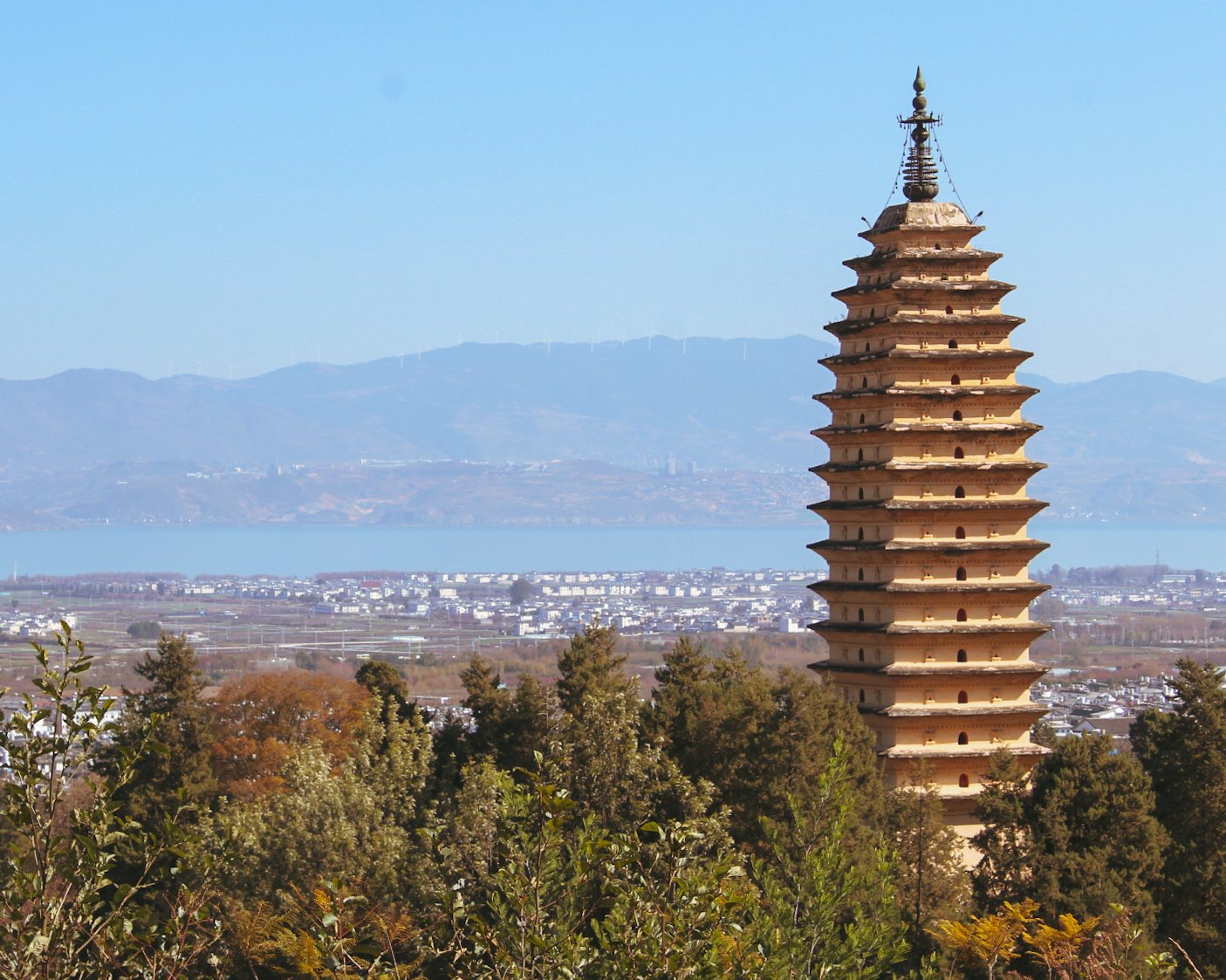
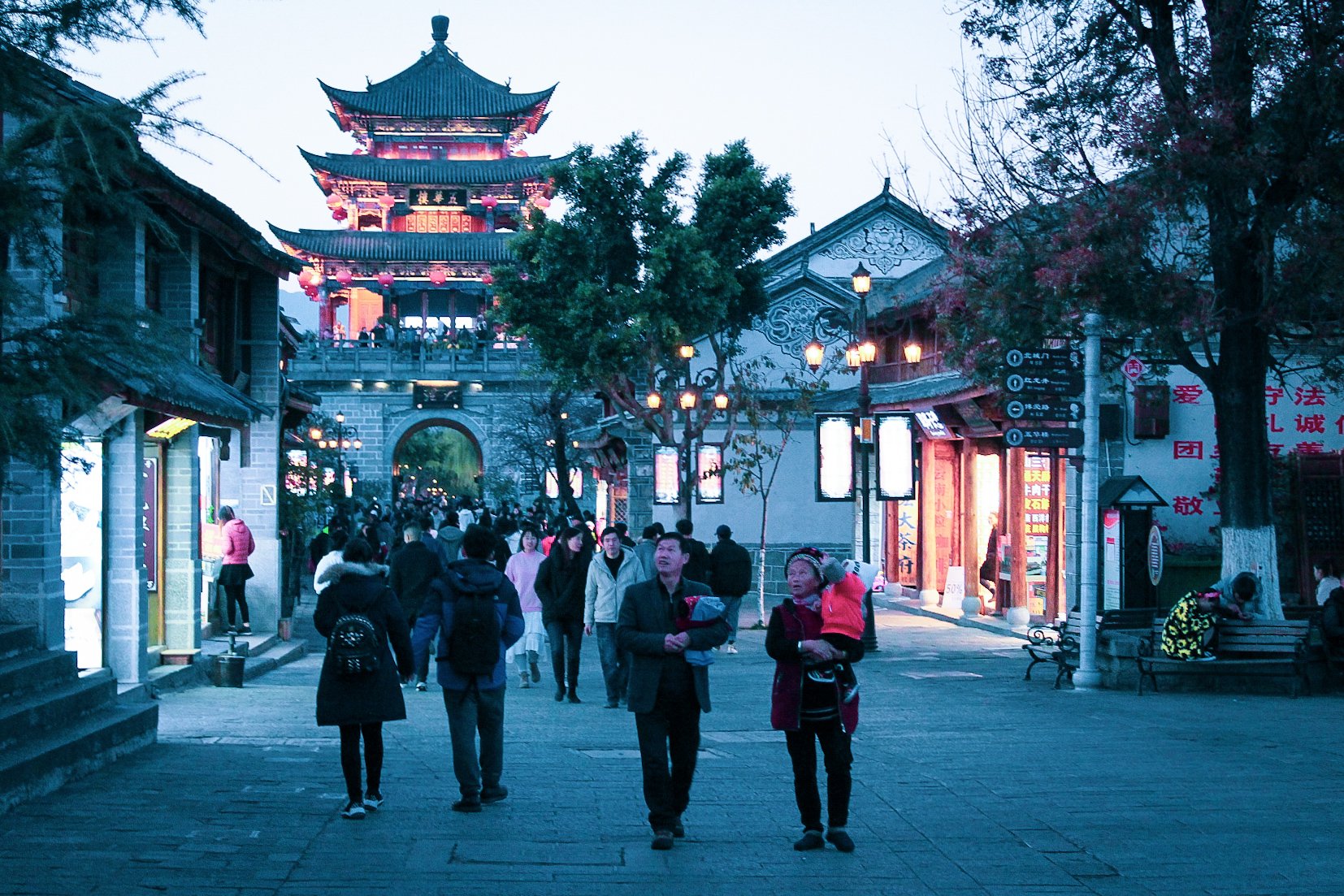
Looking out from my seat 500m up Cangshan mountain I had a fantastic view of Erhai lake: the source of the Mekong river. I could also see the famous ancient three pagodas – which I had visited the previous day – and the ancient walled city of Dali where I was staying in a hostel.
The three pagodas with Cangshan behindA different pagoda looking out over Erhai Lake
The only reason I had chosen to stop in Dali because it is a city that is easy to reach by train from Kunming and directly south of Shangri-La. I had seen online how Dali has an ancient citadel outside the modern city – like a Chinese Carcassonne – the stone streets lined with alluring street food. However, as soon as I had arrived in Dali and seen how Cangshan loomed over all the streets I knew that I would have to climb the mountain.
Dali itself is at an altitude of nearly 2000m (higher than any peak in the UK) but Cangshan touches heaven at over 4000m! The previous night the owner of the hostel had pulled out all his torn old maps and laid them out on the floor of the deserted common room. I was the only guest for the whole week. The maps hadn’t been any help; they’re not maps for hikers and only approximately where various tourist sites were.
I left the hostel early in the morning so that I had maximum daylight hours to reach the summit. After visiting a corner-shop for supplies: lunch and water, and a zaodian for a filling breakfast of baozi, I headed to where I thought the path up the mountain should start according to a blog I found on Bing. There’s no Google in China and the available English-language internet is very limited. I went up a few dead-ends thanks to that blog but eventually with the help of openstreetmap I found a footpath that would take me onto the mountain. Then it should have been a simple case of going upwards, right?
This path was guarded by a couple of old men. I think they were fire wardens. They told me that I couldn’t pass. I talked to them for a while and I don’t know what I said to convince them but after signing my name and declaring that I didn’t have a lighter on me they eventually let me passed onto the mountain. The blog I had read said that you need to pay to enter the mountain area but nobody had asked me for money.
I walked through what seemed to be a wooded graveyard then the graves ended and the path got steeper. The going was very pleasant with dappled sunlight coming through the trees and no other people around. This is what I left the city to do; get some peace and some nature. I felt very mindful, maybe even spiritual! Perhaps I was just lightheaded from the altitude…
After climbing only a few hundred meters I reached a wide, flat stone path contouring the mountain. The path I had come on continued up the mountain but was blocked with barbed wire and some angry looking signs. I came here for an adventure, not to walk on something flat and paved. In places there was even generic folk music playing from low fidelity speakers.
I consulted the map for another path that went up and walked around the stone path until I found it. However this was also blocked, and so was the third path. I ended up walking the entire length of this stone path and there was no further path up the mountain. On my way I passed a few walkers as well as some people collecting an entry fee at the top of some steps. They ignored me because I was already on the mountain and I think they assumed I’d already paid. I seem to have inadvertently found a backdoor onto the mountain.
The route around the stone path was nice in it’s own way even if it wasn’t to my taste. It goes in and out of folds in the side of the mountain created by streams. Each stream had a little pagoda. On the south side of each fold the day was getting quite hot and I removed my warm gloves and woolly hat but on the north side of each fold it was very cold and there was even snow! Back on went the gloves and woolly hat.
Taking a break on one of the shady side of one of cangshan mountain’s many folds
It is possible to get the the summit of the mountain by cablecar but I think they have closed all the paths despite the fact that they look very old and well trodden. I was very disappointed that I was stopped from attempting to reach the top and out of spite refused to take the cablecar. I’ve seen on the map that the other side of the mountain has what looks like a road which might be for cablecar maintenance. I was told that it might be possible to walk up that way during the summer.
After deciding to give up and go back I headed back down the path I came up. I eventually passed the old men fire wardens again who recognised me and gave me a wave; I suppose they don’t have many people coming this way.
By the time I got back to the old town the sun was setting. Time to pass through the ornate gate in the city wall and dine on the delicious street food and soak up the atmosphere.
It wasn’t a bad day by any means but what I’d really wanted to do was to lose myself in the wilderness for a while. I’m starting to learn that this is more difficult here in Asia than in Scotland. At least the food is better here.
Like Chita in Russia, I didn’t have any expectations of Kunming and ended up having a great time because I met friendly people by chance.
With Christmas Day and Boxing Day spent in Chengdu, I left for Kunming on the 27th. I left the hostel at 5am. My train wasn’t due to leave until 8am and I usually wouldn’t stress so much about getting to the train station early but China’s intercity train stations are different. They’re more like airports than train station, with baggage scanners and passport checks. They usually have a waiting area on a concourse above the platforms and check-in gates where you wait until you’re allowed through the ticket turnstiles onto the platform. The whole vibe is similar to Birmingham New Street but a bit more dystopian and yet a bit less unpleasant.
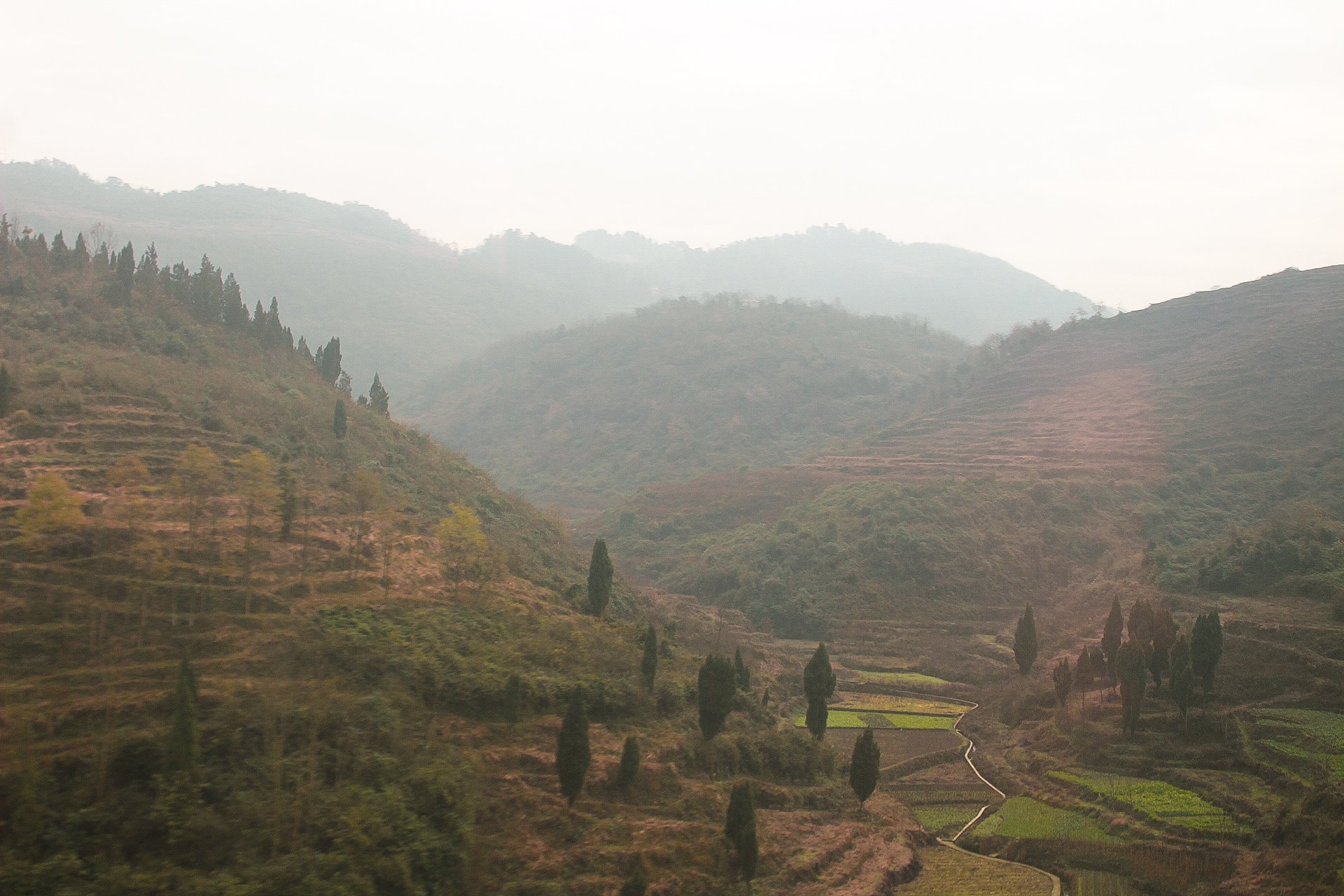
View from the train from Chengdu to Kunming. The soil of Yunnan is a distinctive red.
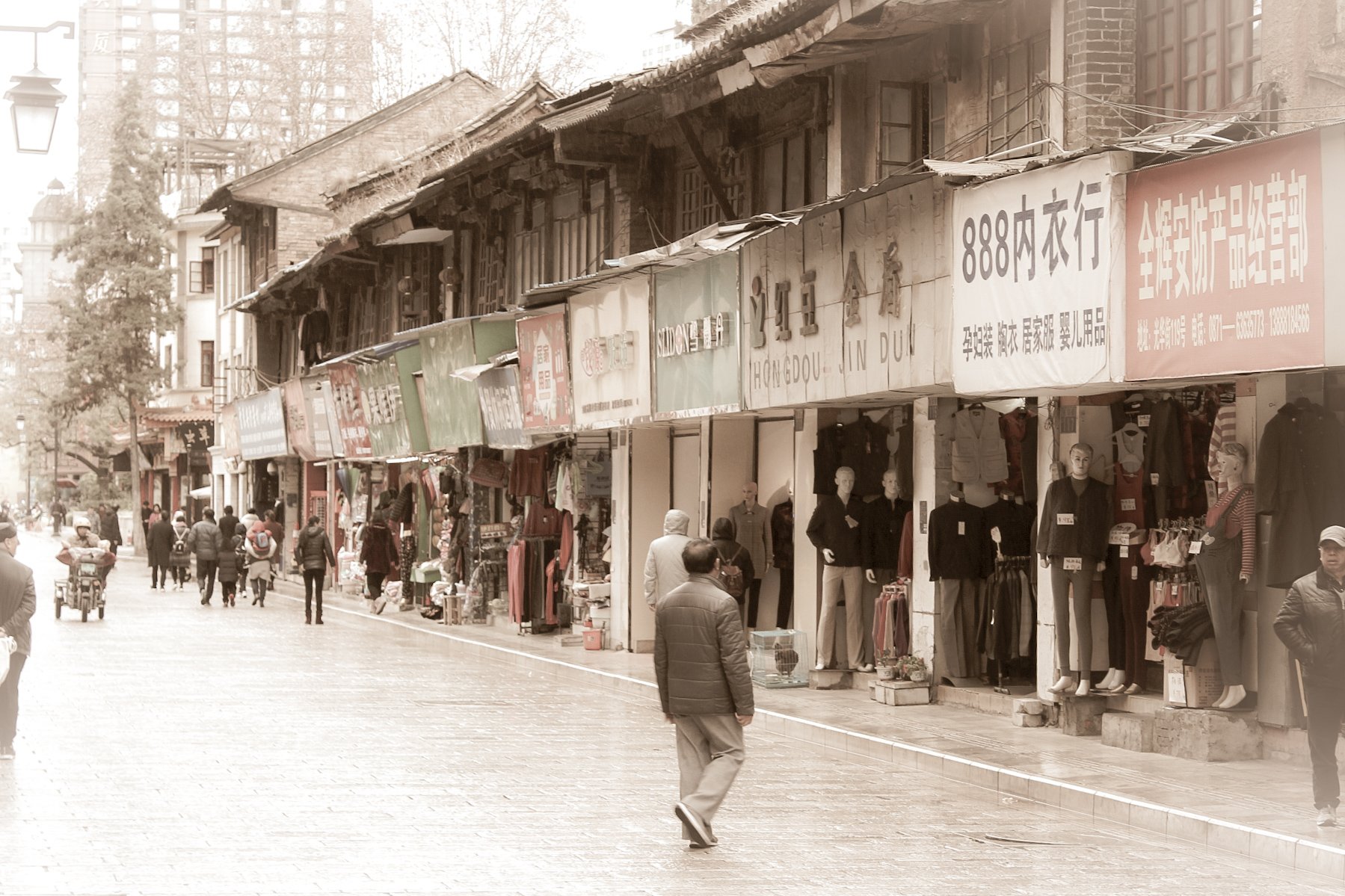
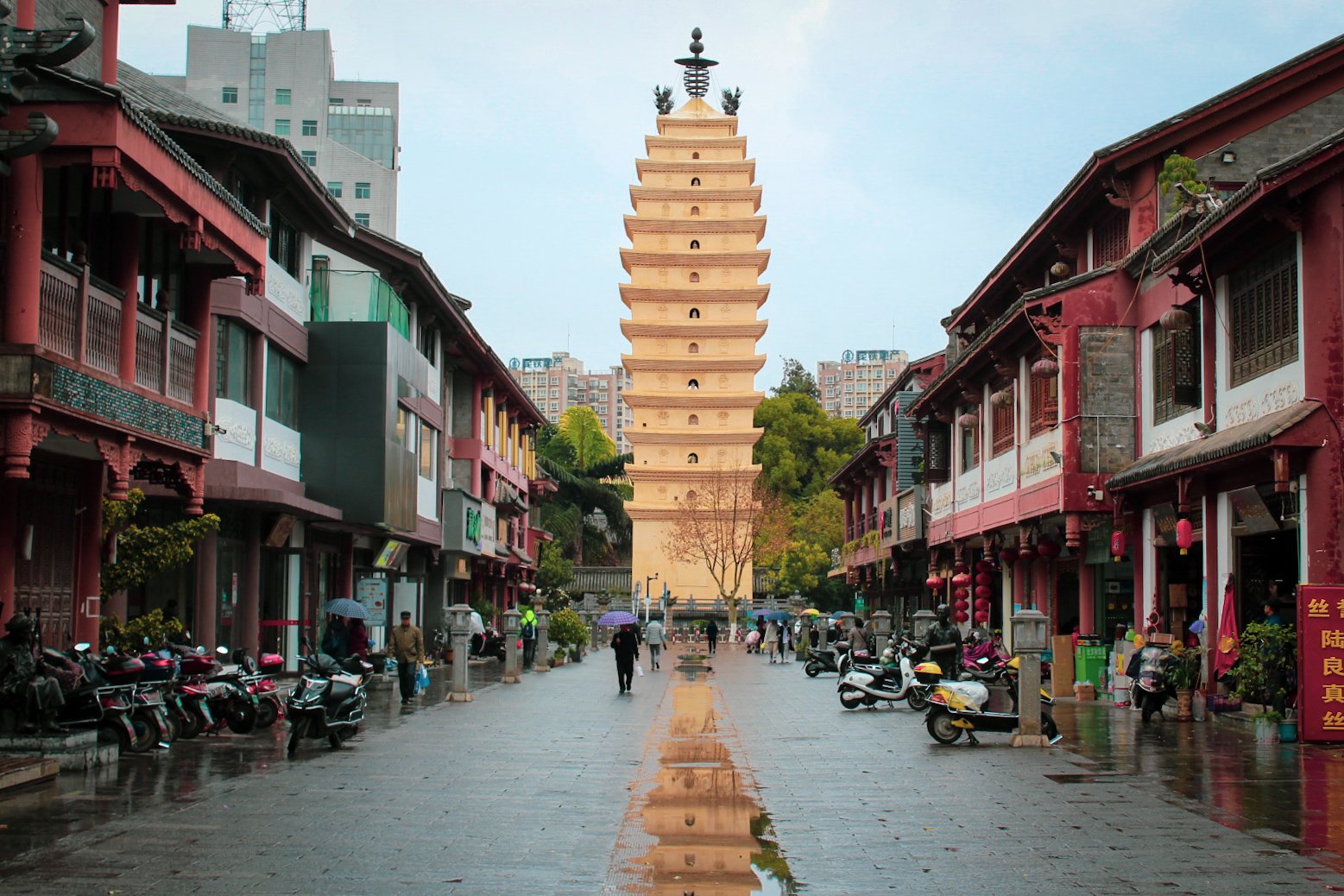
I pulled into the sleepy city of Kunming around lunch time, the province of China that borders Vietnam, Laos, Myanmar and Tibet. As you can imagine it has a diverse past. Kunming shows its history here and there amidst the modern Chinese cityscape with monuments such as the two ancient pagodas and ancient city gates. The streets also had some run down old houses that remind me of old films from Hong Kong.
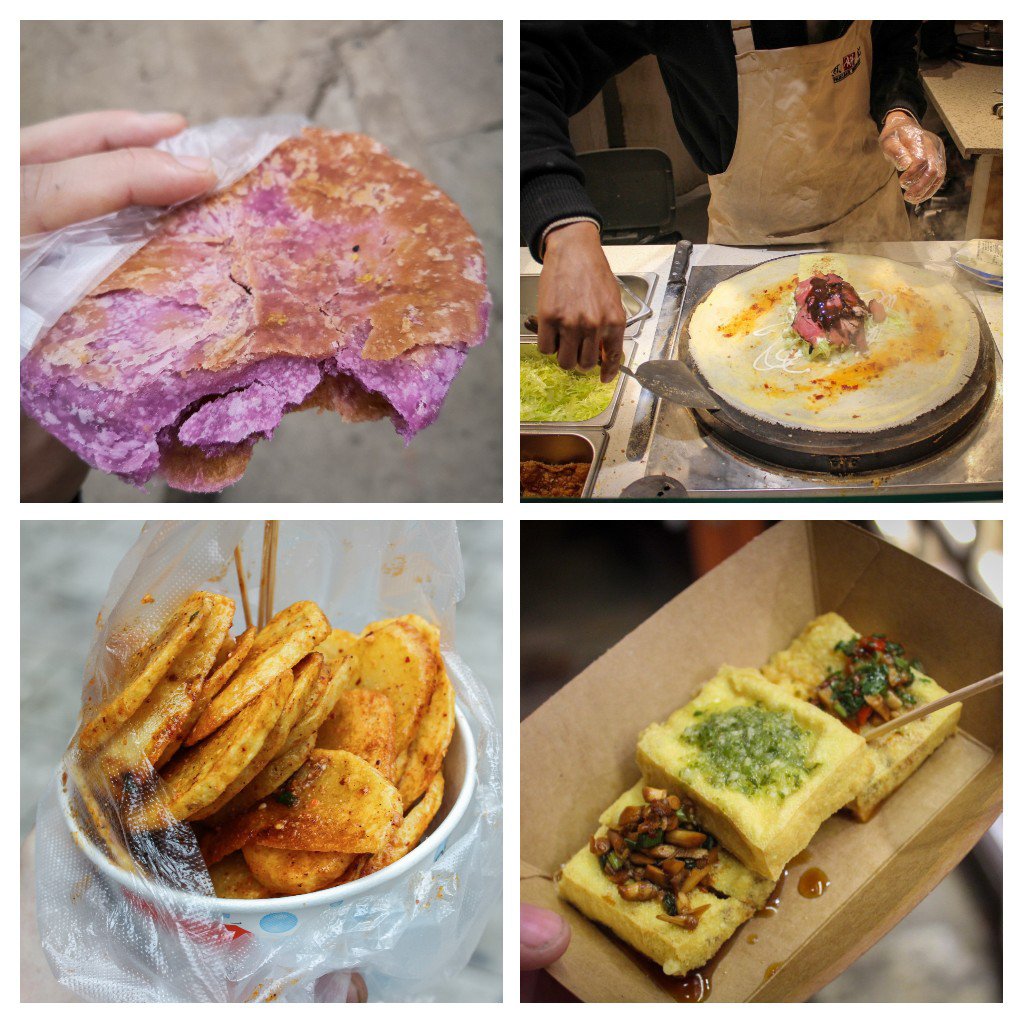
The thing I initially liked about Kunming was the street food. There were potatoes, pancakes, tofu and various other delights. I spent my afternoon wandering the streets sampling various treats until I was ready to burst!
Street foods of Kunming
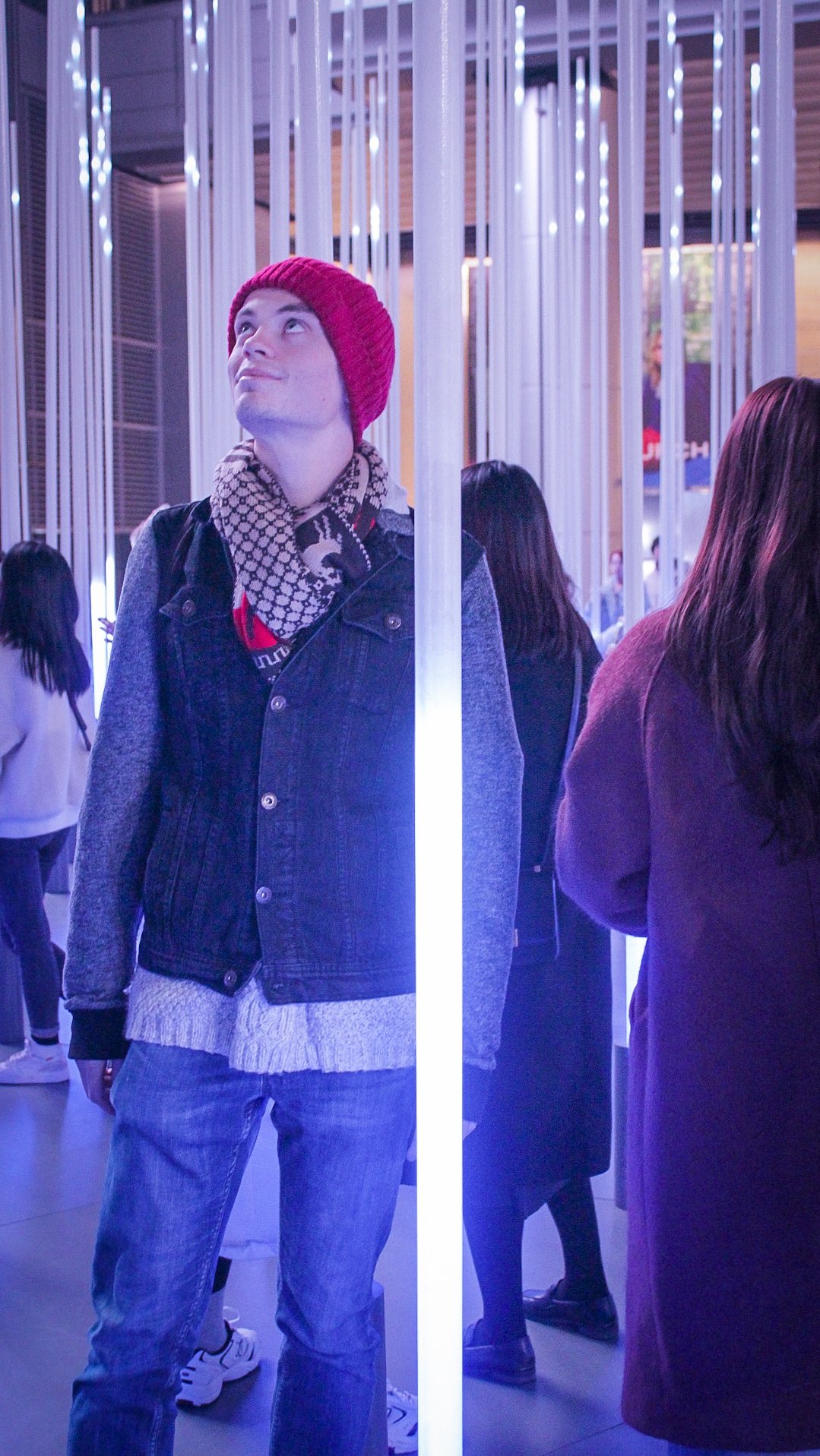
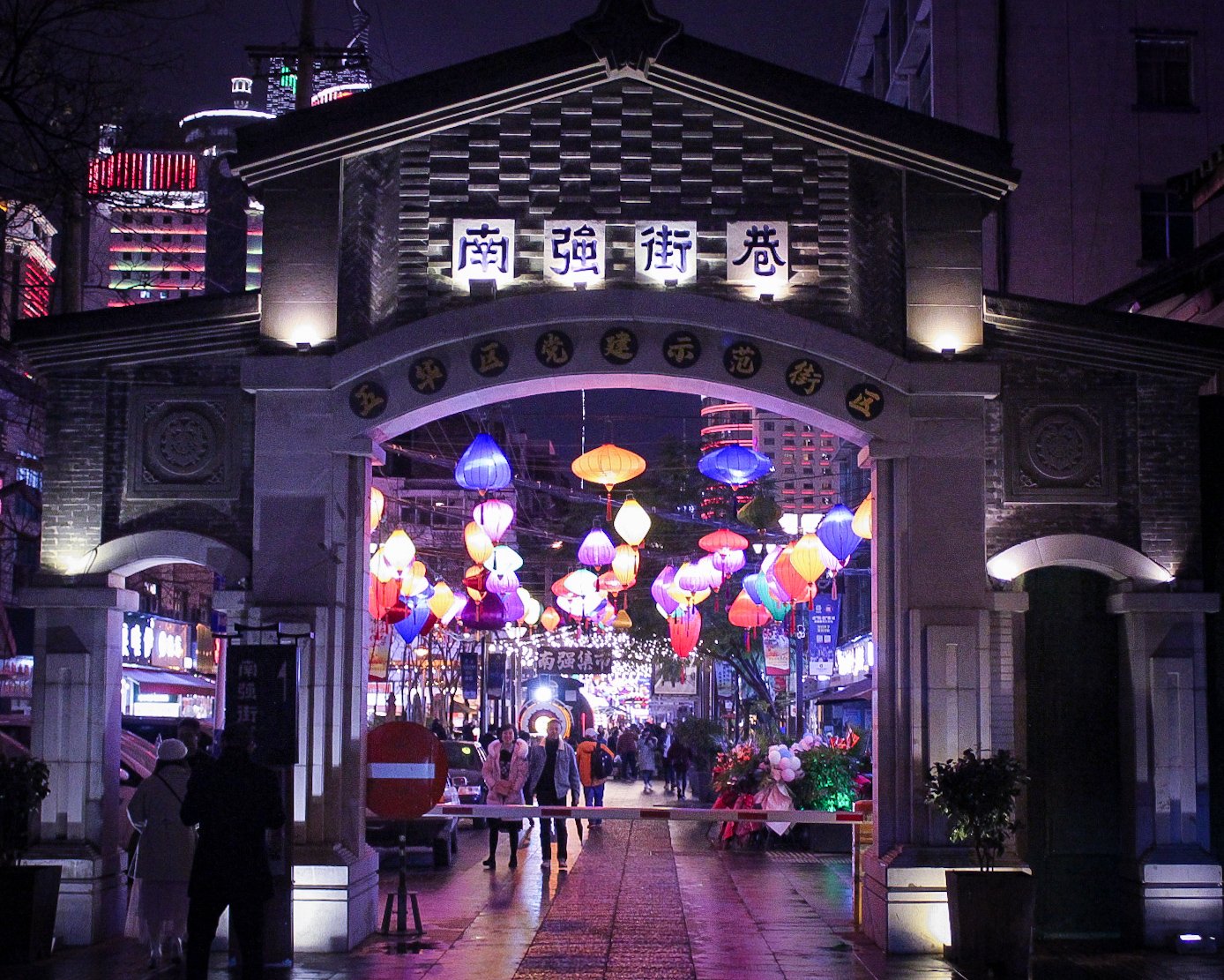
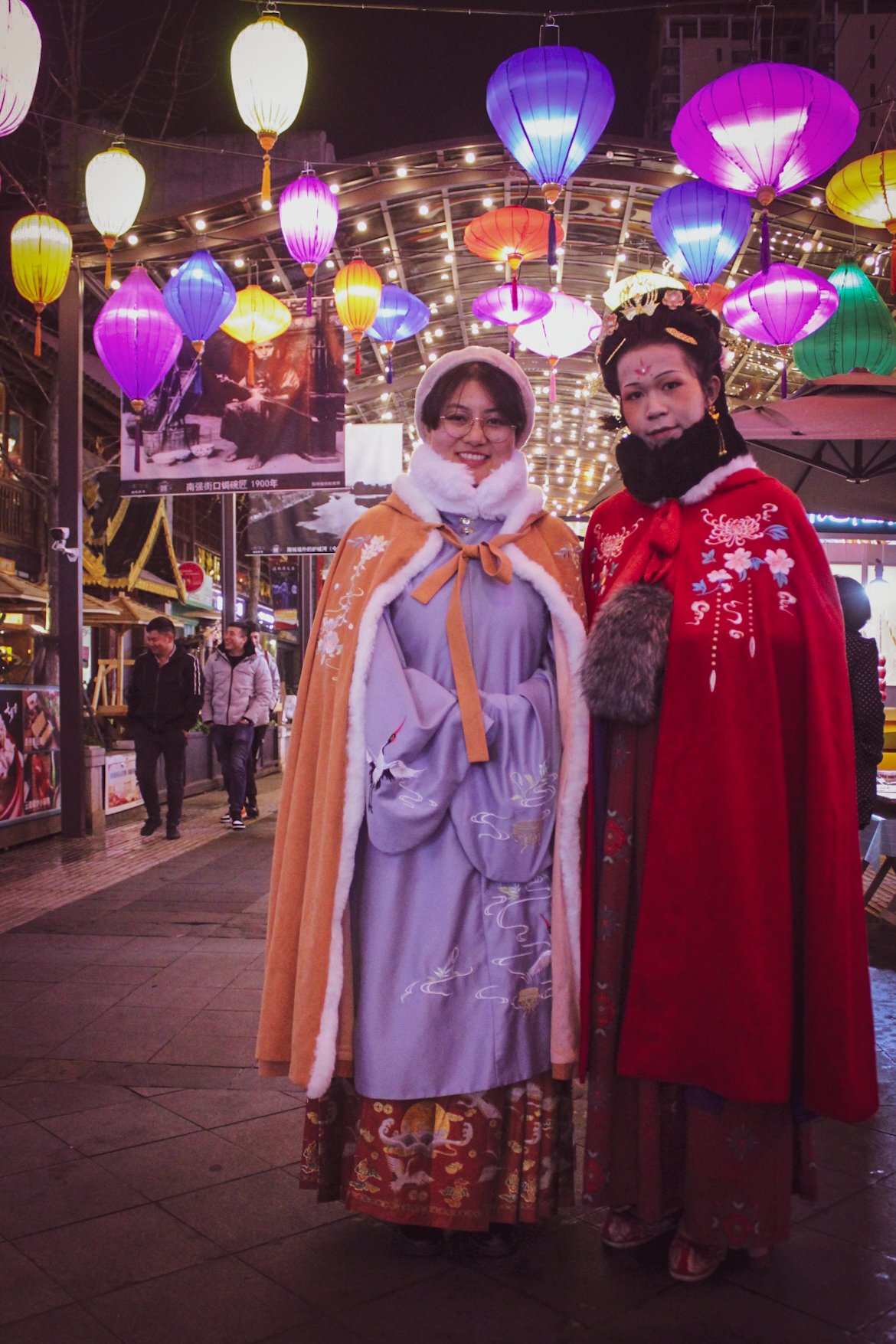
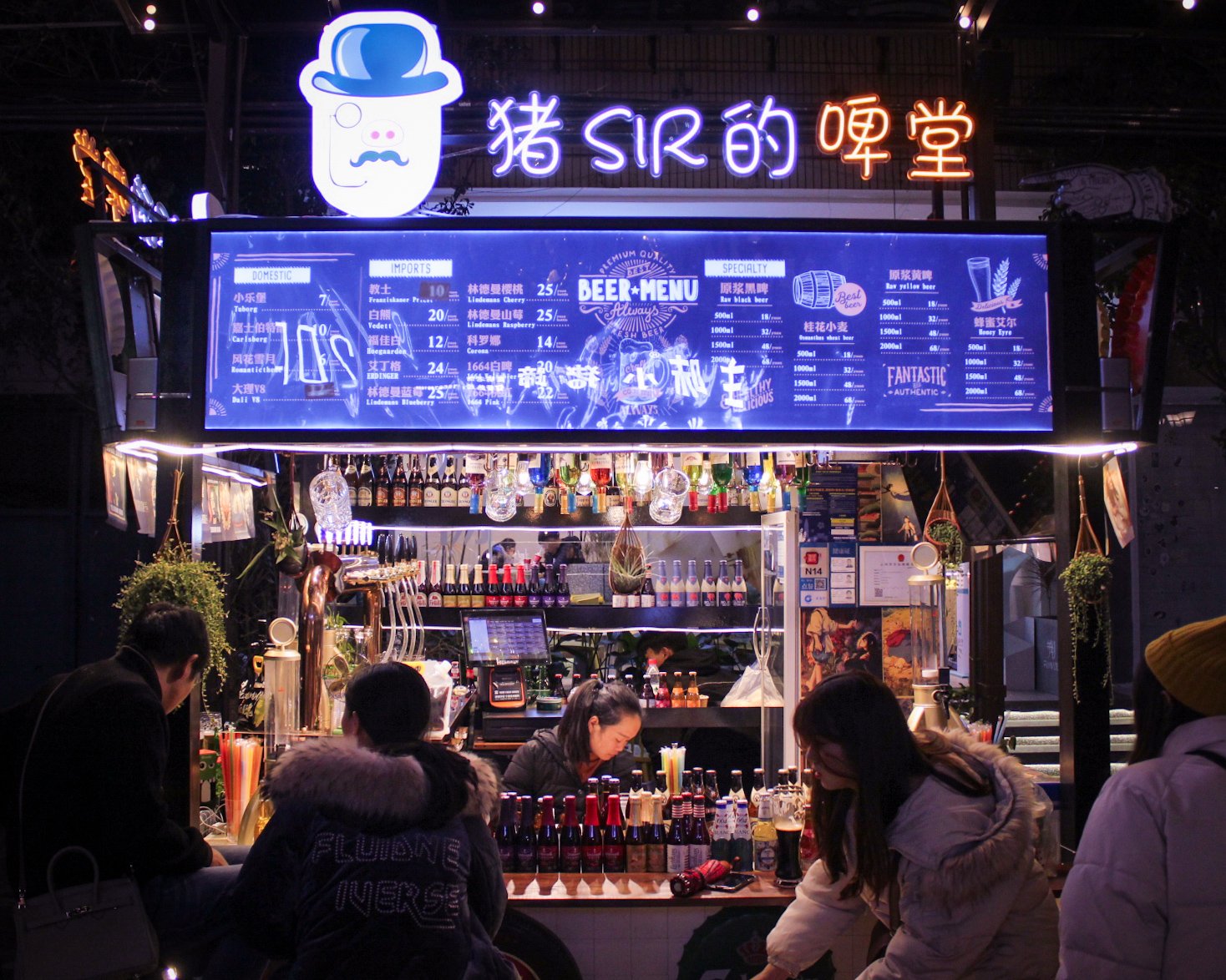
By the time I was done eating it was dark and so I headed to a nightmarket. I browsed for a while and admired the period costumes the teenagers were wearing as they drank tea and took photos. With nothing better to do, I stopped at a market-stall serving as a bar for a beer and instantly a group of students struck up a conversation. They were livestreaming their evening on some Chinese website. Comments and questions were scrolling fast on their device, it seems like they had a lot of viewers. They invited me to join them in their drinking games and answering questions for their viewers. We chatted, played games and drank until the nightmarket closed and I headed back to the hostel.
The livestreamers said I look cool 😎 however nobody else in Asia seems to like my fashion sense. I got my christmasy scarf cheap from a market in ChengduThe nightmarketSome people in period costume. I asked them if it was any special occasion and they said it’s just for fun“Sir Pig’s beer hall” where I drank with livestreamers on a nightmarket in Kunming
Returning to the hostel I spoke to the landlady who I thought had a strange accent when she spoke English. It turned out she had spent a year living in Redruth!
I stayed just one night in Kunming (although I pass through again on the way home) before catching a train westward to Dali.
School term dragged on from August to December without a break. I was more than ready for a holiday and so decided to fly to Chengdu rather than take the train so that I could relax for a few days over Christmas before hefting my backpack and hitting the (rail)road once more.
“Chengdu huanyin nin”, words of welcome from a giant poster of a panda in arrivals. Chengdu is the biggest city in what remains of the pandas’ natural habitat and is a base of panda preservation. Many people come to Chengdu to see the pandas and a large tourist industry has grown to exploit this (pandering to the tourists!).
Part of the reason I chose to come to this corner of the globe was to get away from the heat of Ho Chi Minh City but brrrrrrr I felt cold! When I arrived it was 7°C; a sharp contrast to the 30°C I departed from! It would be a few days before I acclimatised.
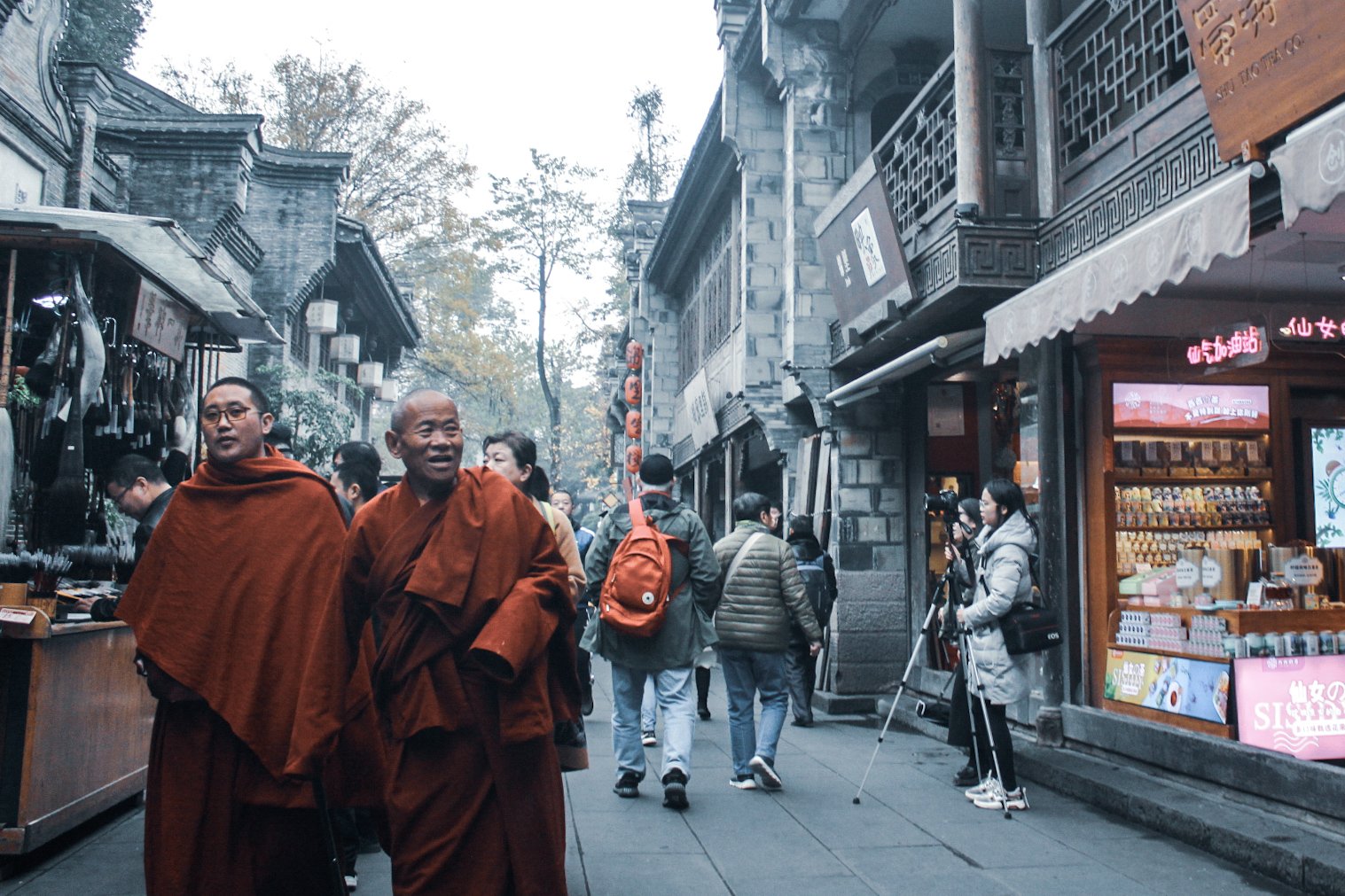
The hostel was full of buddhist monks. Whilst I was leaning on the check-in counter waiting for the attendant to scan my passport, one monk put his hand over mine and gave me a warm smile. An auspicious start to my trip! I had chosen a large, cheap hostel that had good transport links to the airport and the station but by good fortune it was directly opposite Jinli Ancient Street; a picturesque pedestrianised shopping street full of food vendors and souvenir shops as well as an ancient temple and a theatre. Most of my meals in Chengdu consisted purely of delicious street food from here.
Monks wander through Jinli ancient street
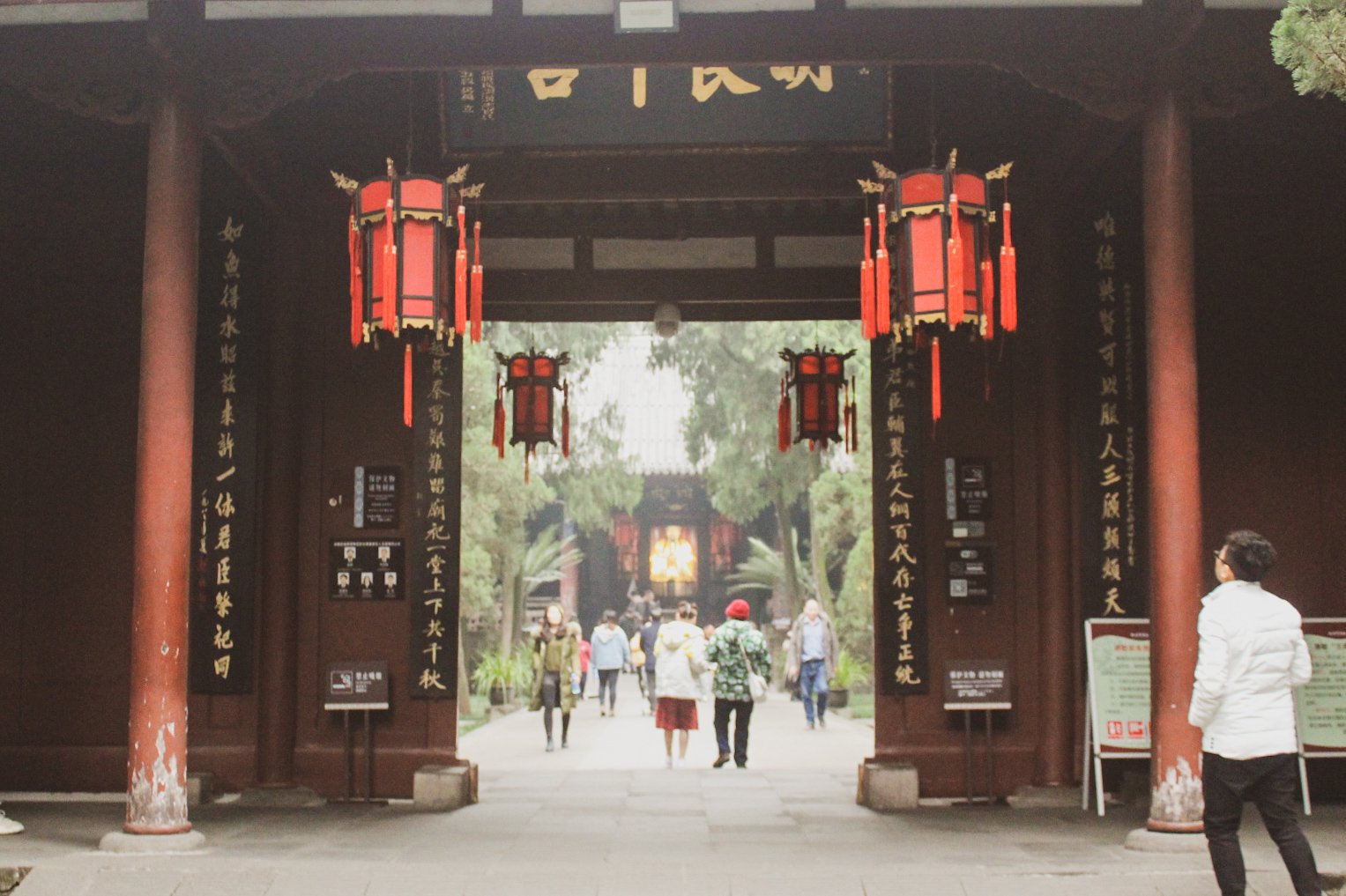
Wuhou Temple sits in the centre of the Jinli area and was a great morning out; it has a two thousand year old burial mound and several beautiful pagodas*. The temple dates back to the Three Kingdoms period and there were many statues of generals. Chengdu was the capital of one of these three kingdoms – Shu – and I learned a lot about this era of Chinese history which was contemporary to the Romans.
Wuhou Temple
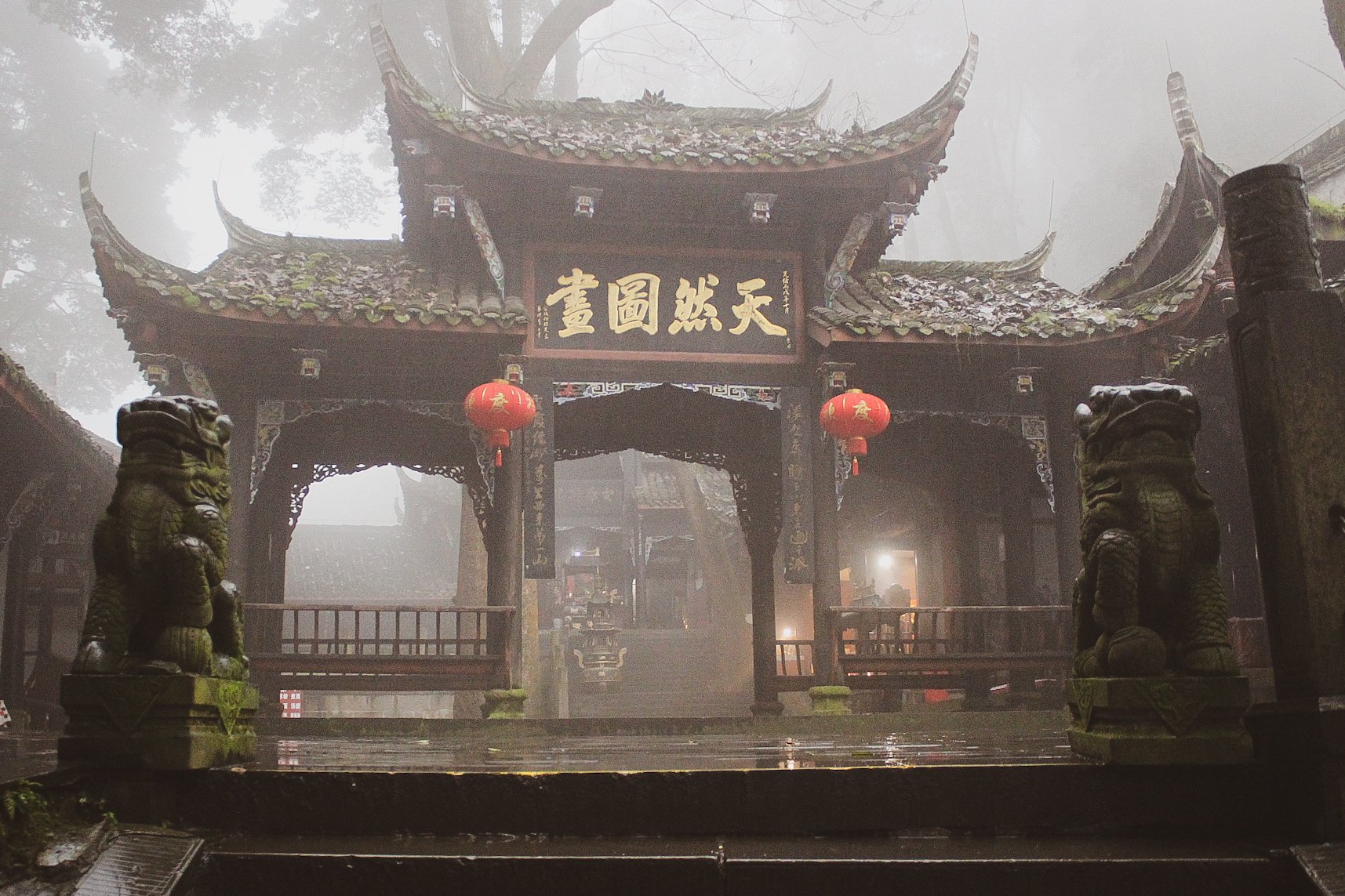
It was Christmas eve babe, and in the hostel… I decided to visit Qingcheng mountain which was recommended to me by my JPMorgan colleague who hails from Chengdu. The mountain is a World Heritage site and possibly the most sacred place in Taoism. It was sadly a little over-commercialised but it was a lovely day out; walking in the misty bamboo forest, peering out at peaks that look just like a traditional Chinese painting. The mountain is littered with temples where various Taoist masters found The Way. I climbed to just shy of 4000 feet which would qualify the mountain as a Munro but it was nothing compared to what I had to come!
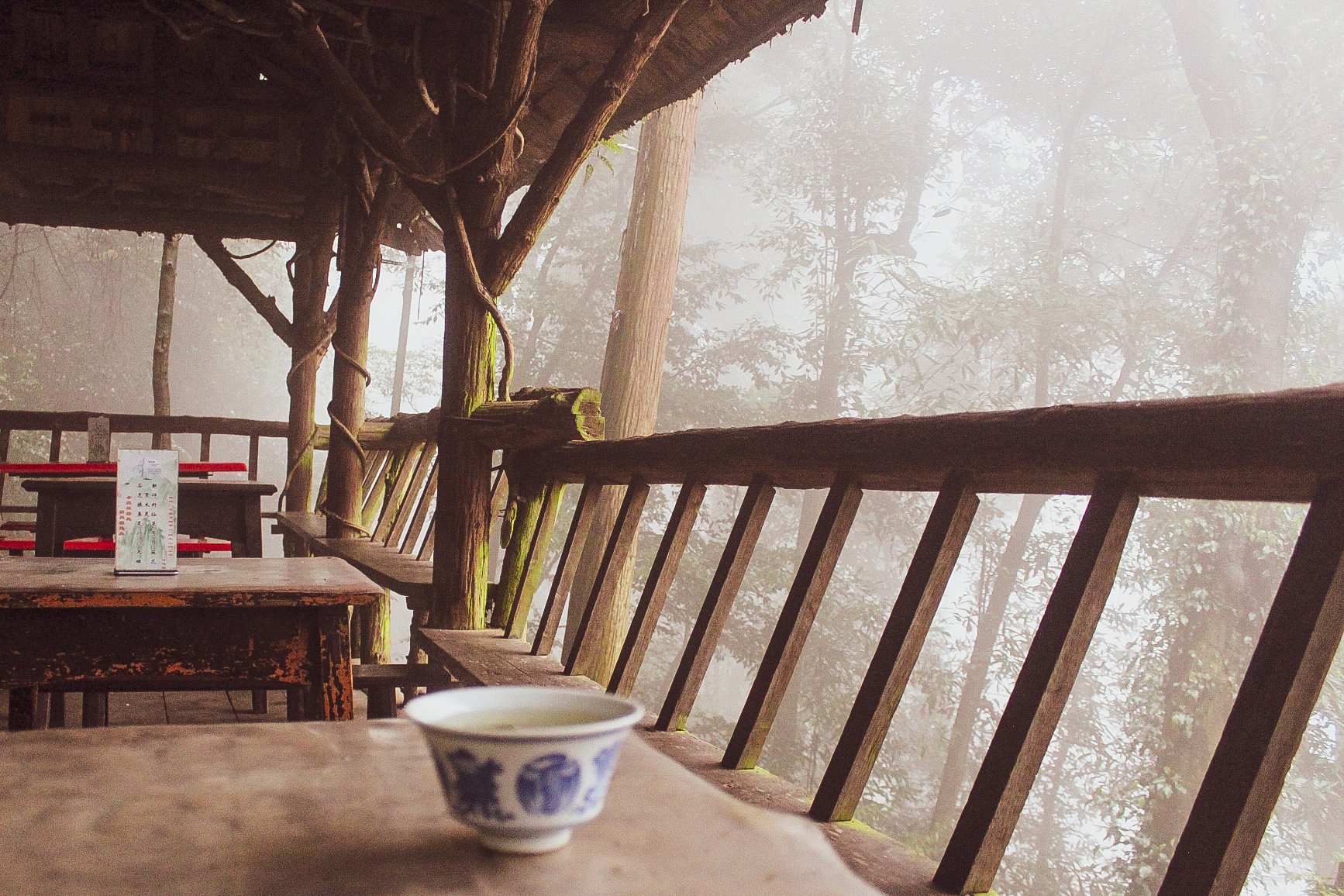
One of the mist-shrouded temples that the path up Qingcheng Mountain passes right throughMaking the most of the commercialized nature of the mountain I took a tea break near the top!
I had planned to go to the panda research base on Christmas Day but I met up with some locals and we changed plans a bit. I went to see the pandas on boxing day instead. Christmas day was quite a lazy day; I slept late, went to the Jinli ancient street for coffee and breakfast. In the evening we went out for a Christmas dinner which was interesting… It was in a wine bar which I think wanted to plug itself as trendy and western. They did a reasonably priced set meal for Christmas so we chose there. The set meal was odd and disappointing featuring Heinz mushroom soup, some little bits of chicken, onion rings (the highlight) and two pizzas.
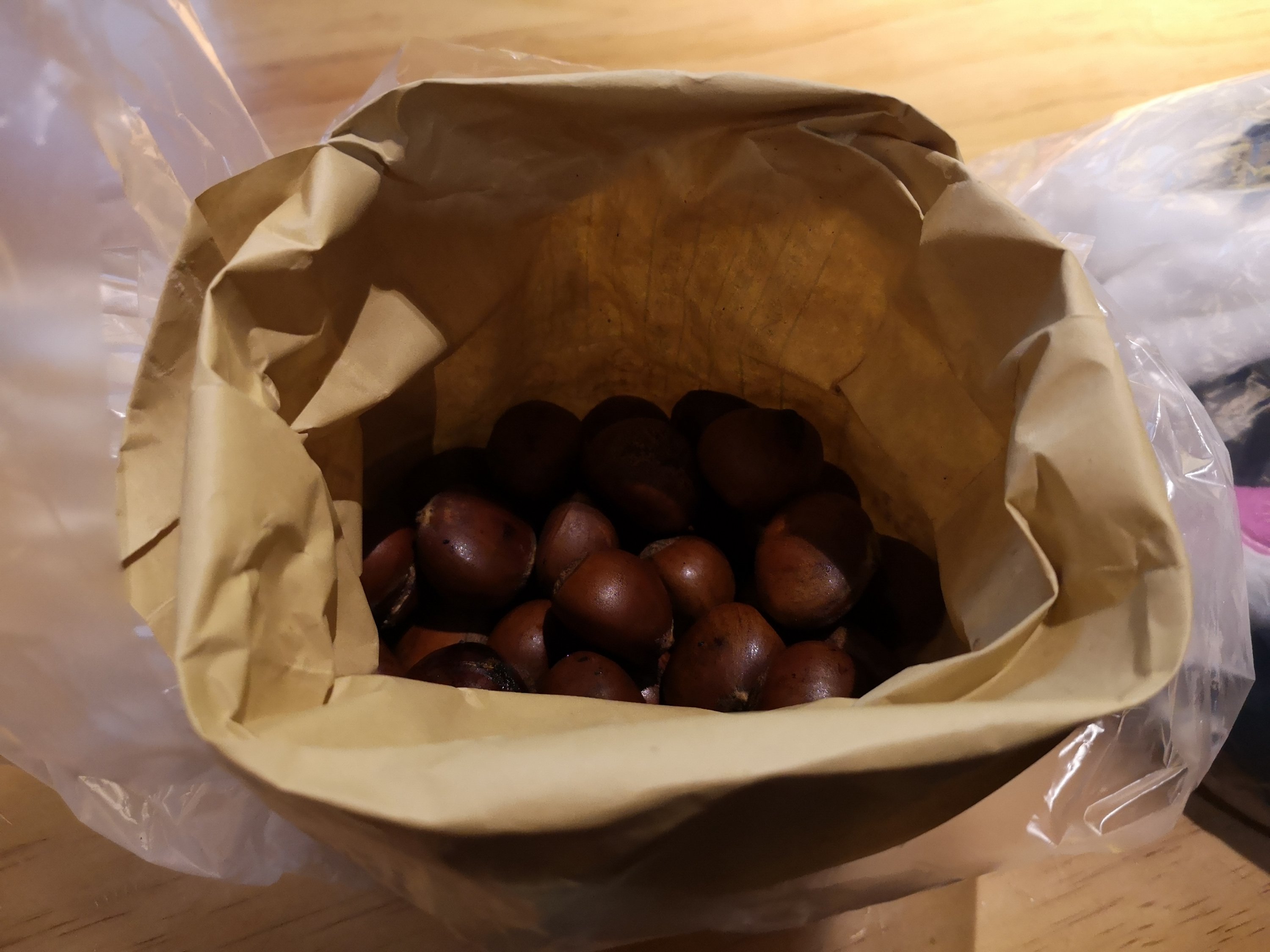
It turns out roasted chestnuts are a popular winter snack in China! For my non-English readers: we eat these around Christmas. I bought a huge bag full on Christmas day
Early boxing day morning we took the subway to Panda Avenue where we caught the shuttle bus to the Panda Research Base. This turned out to be basically a zoo where the only animals were pandas and red pandas.
Actual photo of me eating Christmas dinnerRed panda photographed mid fight
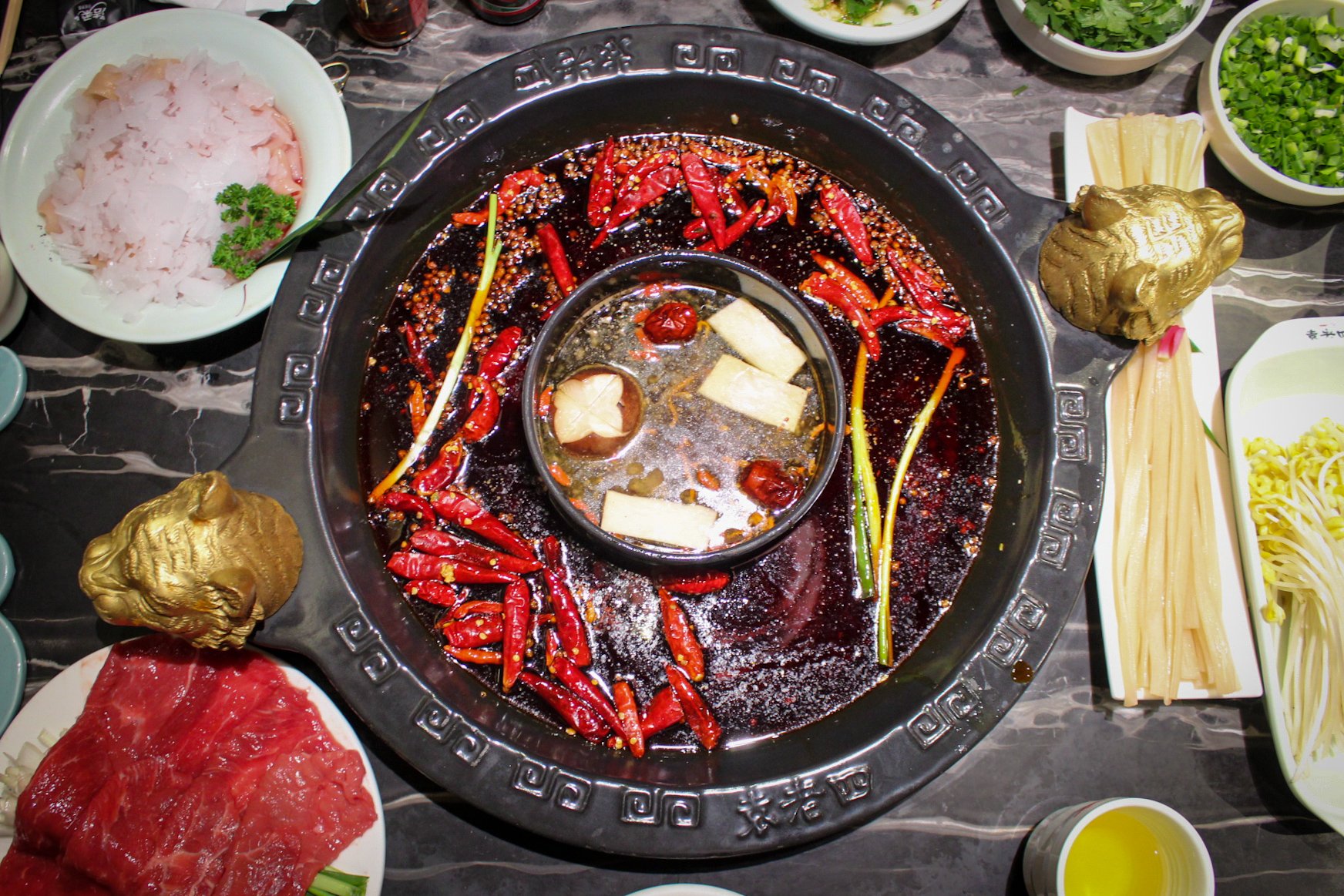
After seeing all the pandas we could, we headed back to the city centre to eat the famous Sichuan hotpot! This was incredibly spicy. Sichuan is famous in china for it’s chili peppers and pepper corns. The chilies have a distinct flavour that was in nearly all the food I ate in Chengdu. The pepper corns are odd because they almost have a cooling effect like menthol. The hotpot has plenty of both and it gets stronger the longer you are at the restaurant. What is translated to English as hotpot in china is very different from a Lancashire hotpot (a type of English stew), it is an enormous dish full of broth heated from below where diners around the table cook their own food.
Famous Sichuan hotpot.
Feeling the fiery warmth of hotpot from the inside-out, we went rounded off the day with a visit the Chengdu Museum which was well worth a visit; I learned a lot and it was full of great artifacts covering thousands of years.
Overall I really liked Chengdu and would recommend it as the best Chinese city to visit for food, culture and pandas.
*: a point about the term pagoda. In Vietnam and Southeast-Asia in general, the word pagoda refers to the whole temple complex however in china we use pagoda to refer to a single building, “a tiered tower with multiple eaves”
The term is coming to an end. This term from August to December with no half-term or break of any sort has been exhausting and I’m ready for a rest over Christmas. Yet being as self destructive as I am I’m planning another adventure!
My next adventure is back to China in search of the mythical town of Shangri La. There is an area in western Yunnan Province which changed it’s name in 2001 from Zhōngdiàn Xiàn to Shrangri La in order to attract tourists. I have to say it worked for me! So I’m heading to South China. South China has a very different culture to North China, I dipped my toe in that culture in Shanghai but now I’m going to experience the unpolished version. I am planning to stop in Chengdu – Sichuan (alternatively Szechuan or Szechwan – the only place pandas are native to), Kunming and Dali en route and I will be traveling by train and bus.
Deck the Halls
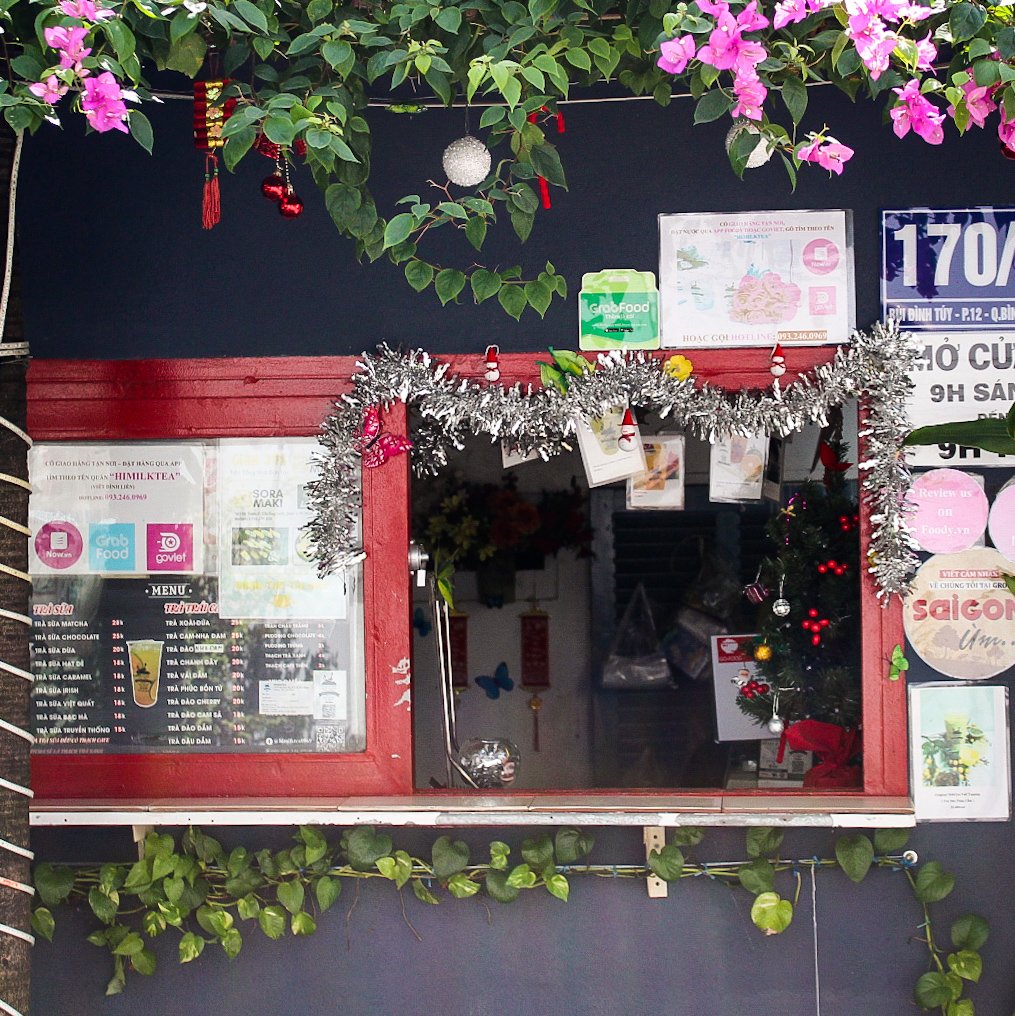
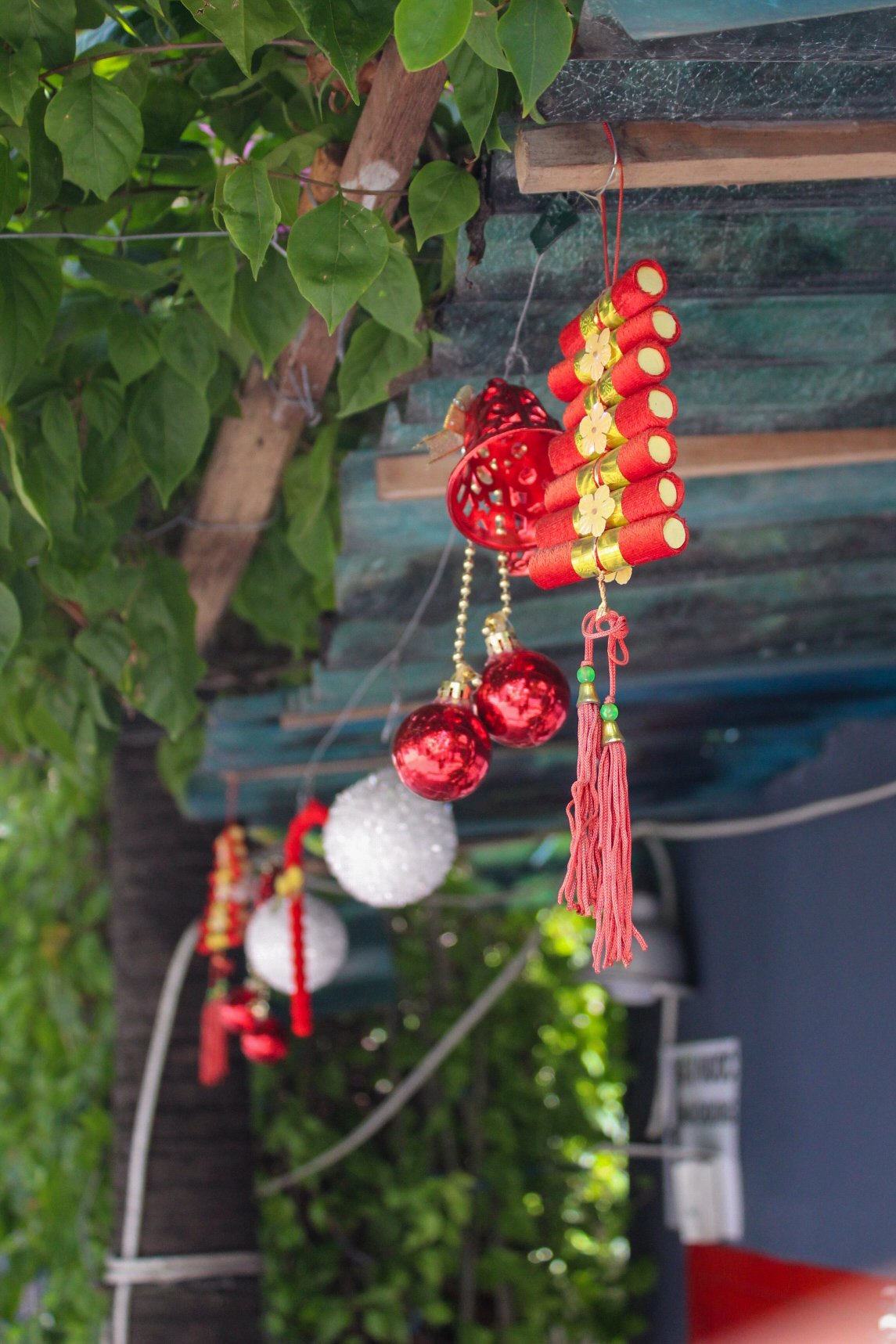
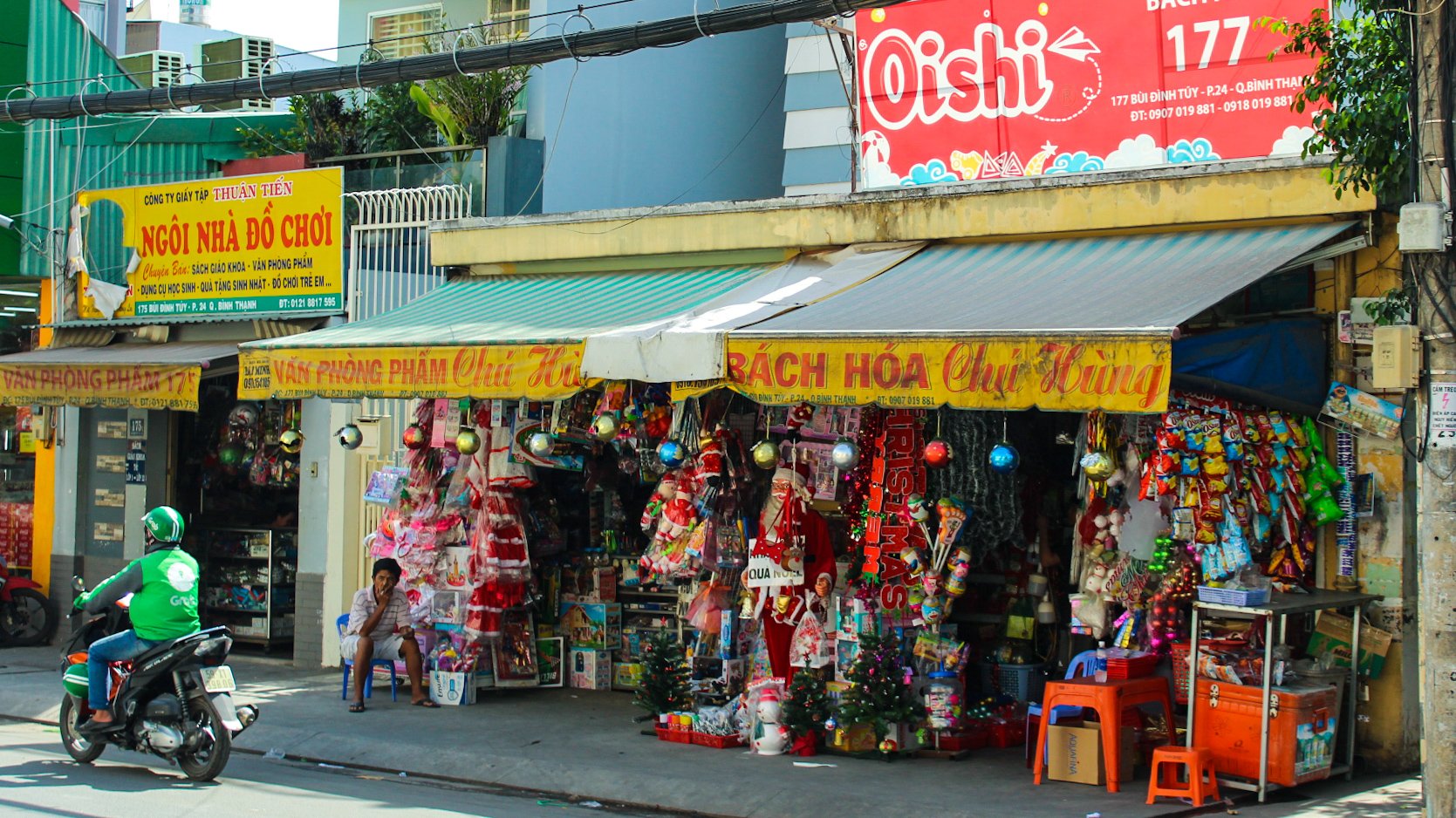
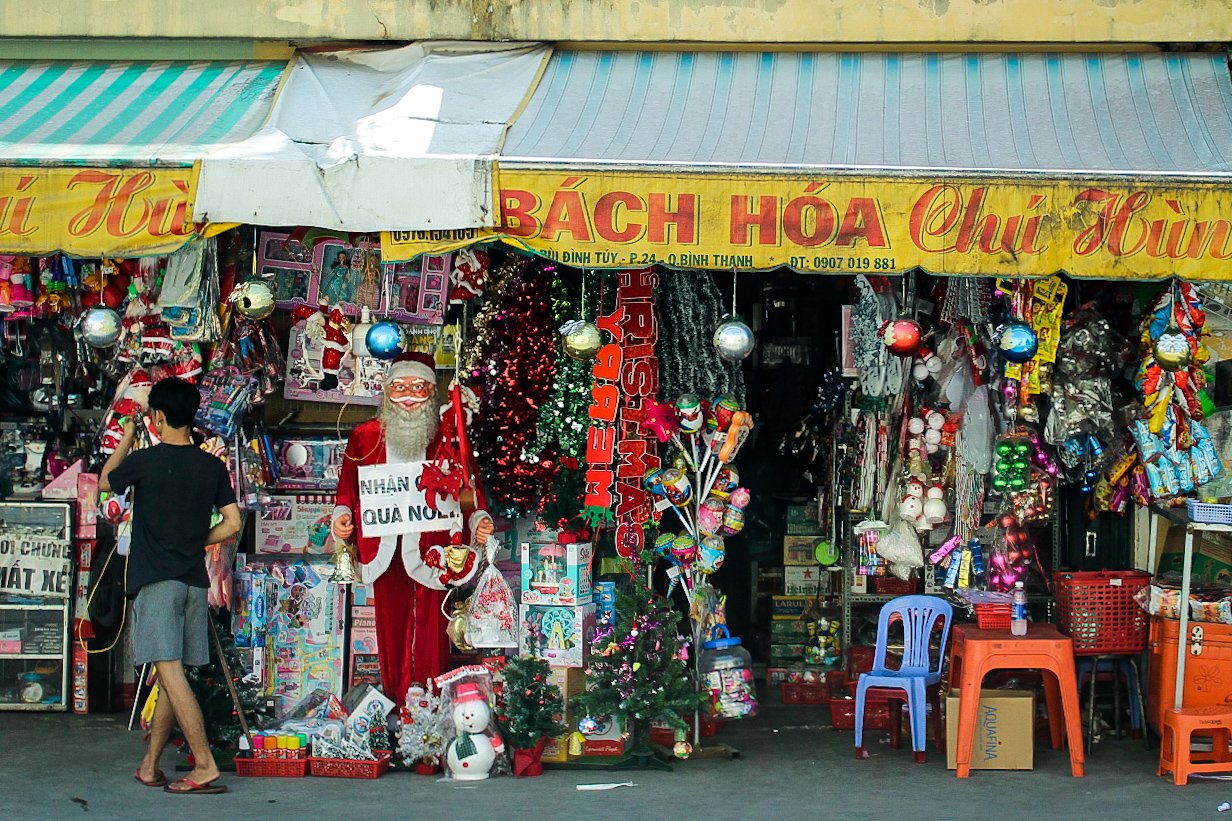
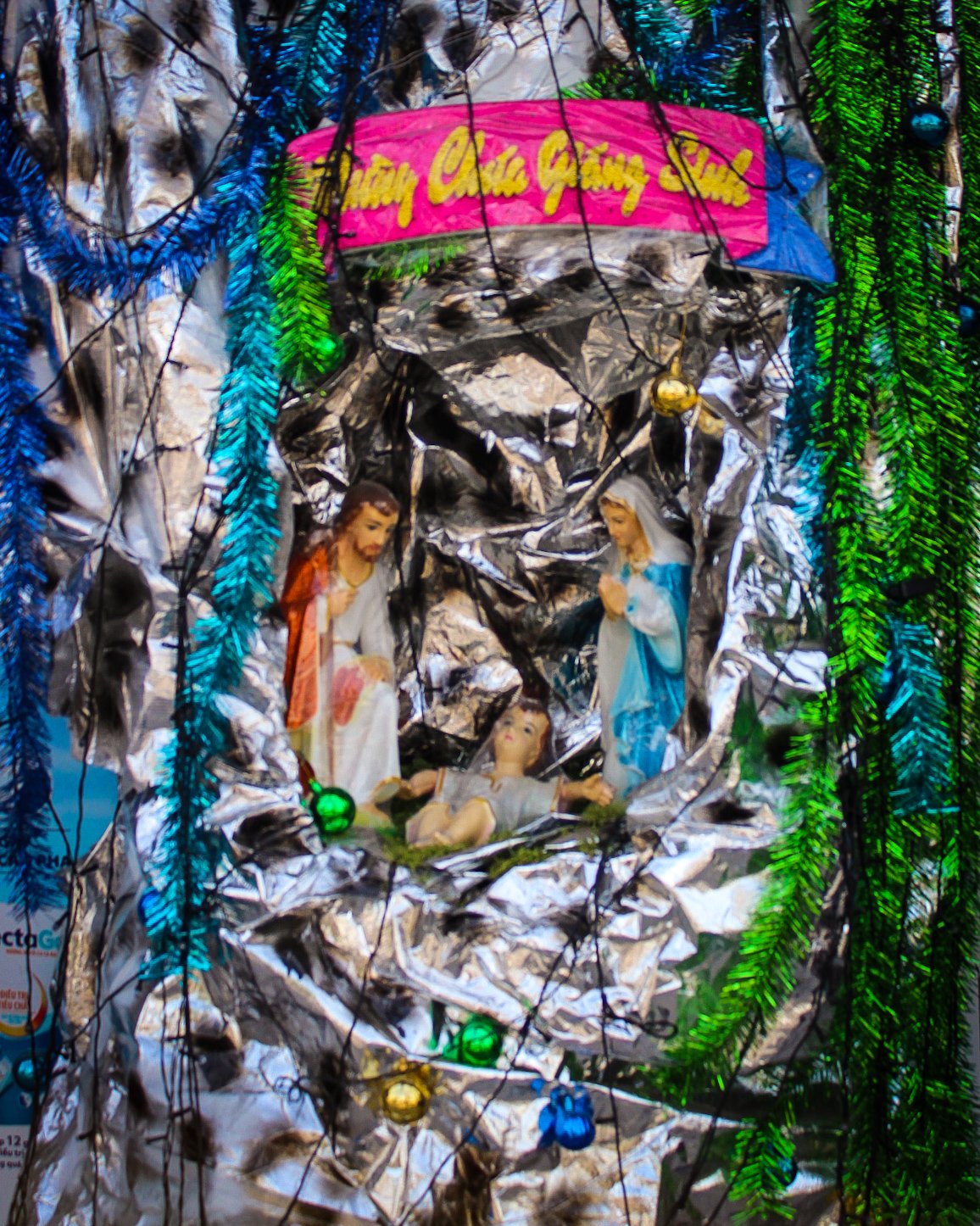
Vietnam is mad about Christmas. I didn’t have to go anywhere special to take photos of how OTT everything is; all these were taken on my street.
A rare case of tasteful decorations mixing Christmas and Chinese New YearSilver foil is a must for nativity scenes here. This one was on the street outside a shop
What I’ve been up to
Vietduino
I’ve been tinkering with some of the home-grown Vietnam electronics. Due to the modern industrial nature of the country many electronics components are cheap and readily available. They even have their own Arduino Uno clone called the Vietduino Uno which cost me about $3 and so far seems just as high quality as a branded Arduino. I’ve been playing with this for my own pleasure but I’ve also used it in the classroom to teach digital electronics in GCSE physics
Assorted photos
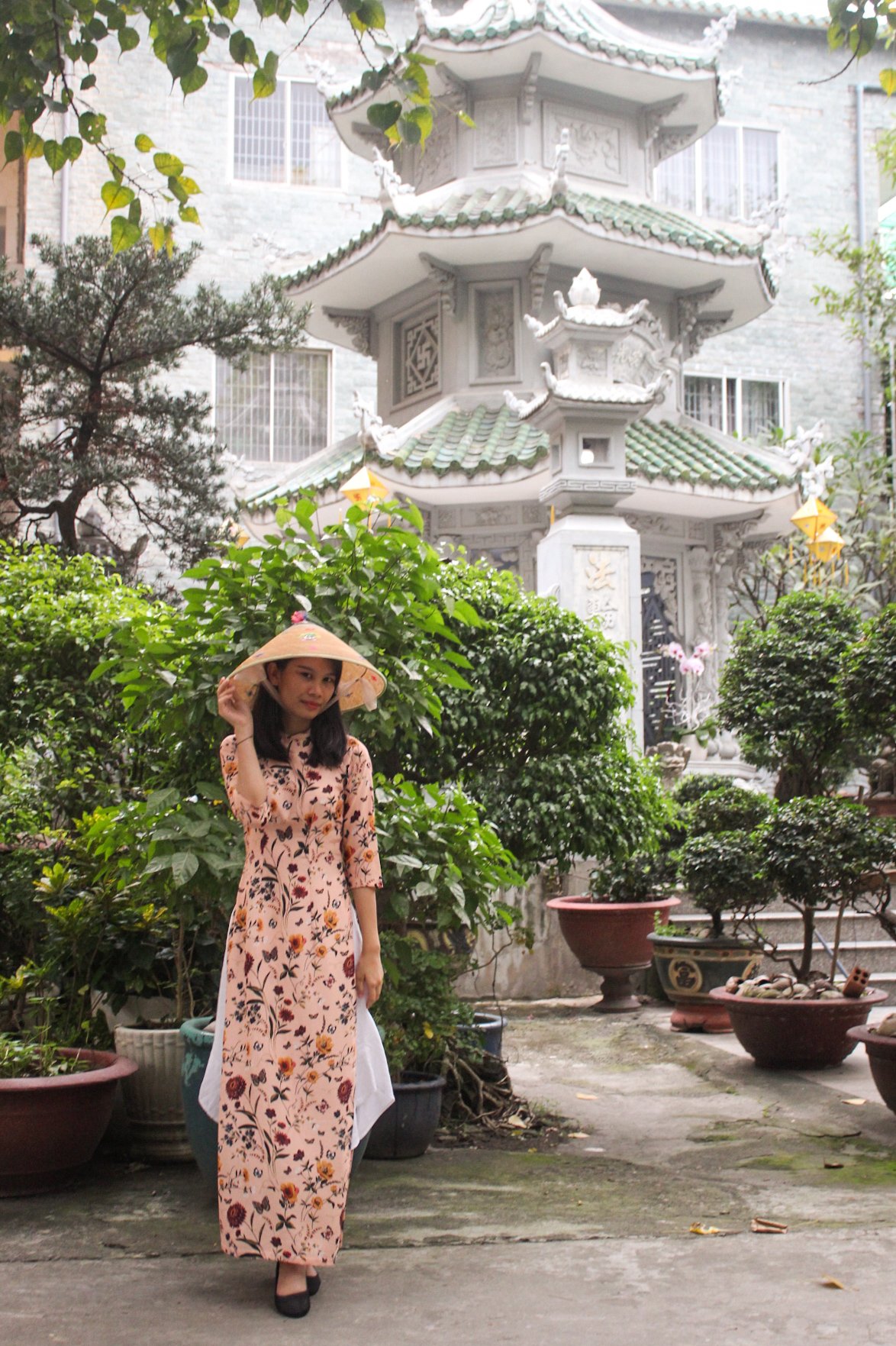
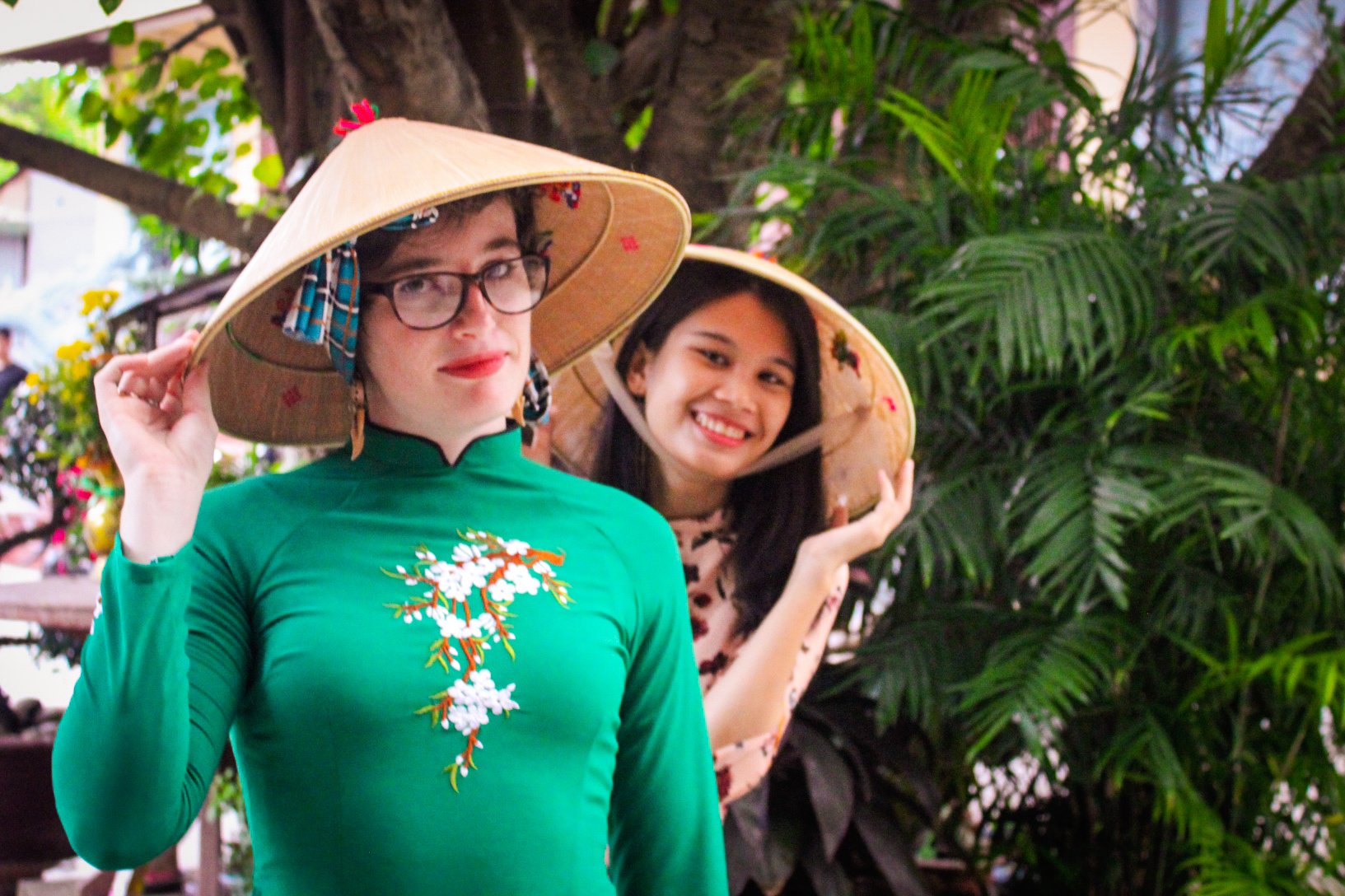
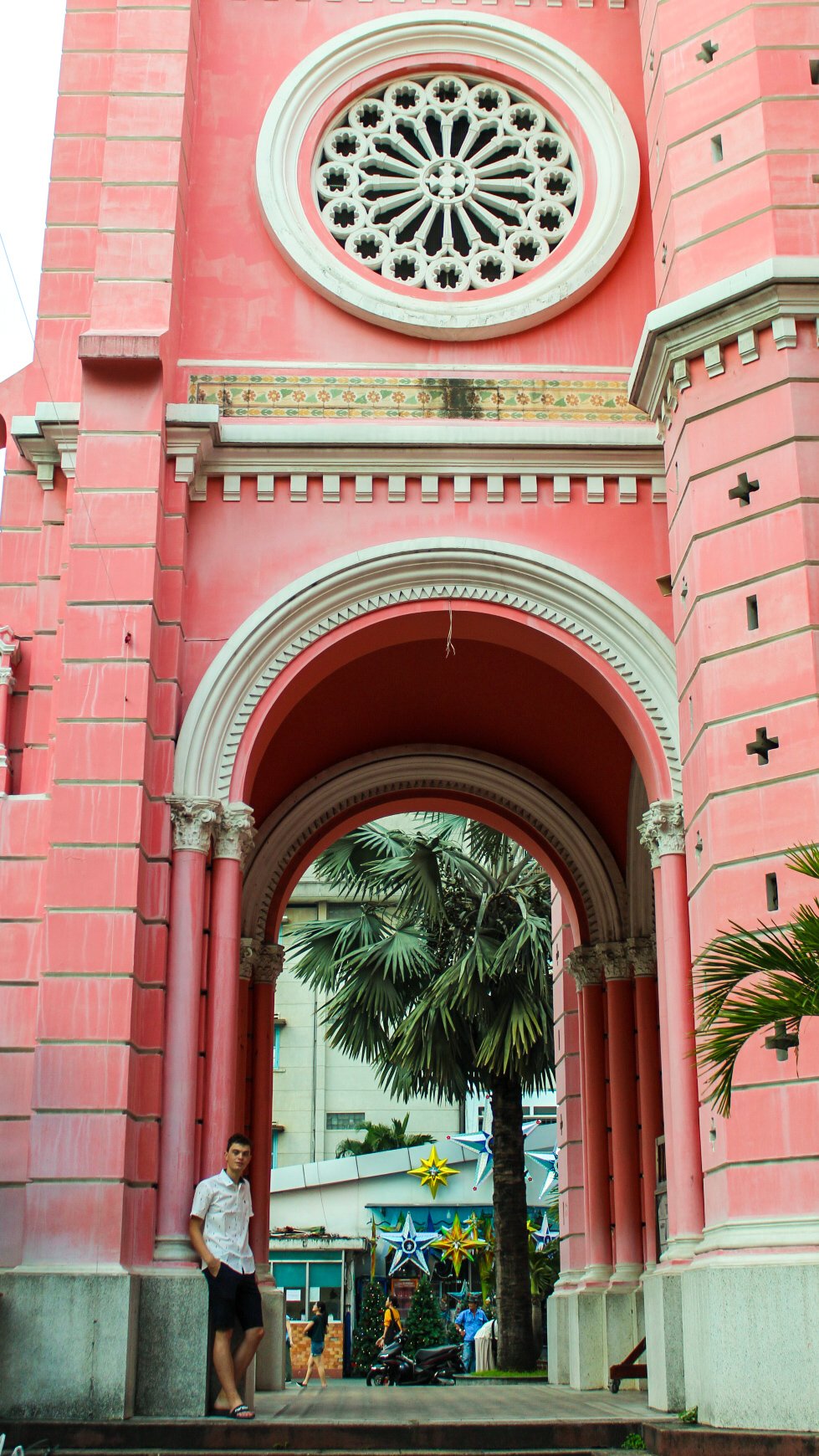
Hanh posing in áo dài and nón lá at the pagoda where she volunteersAlice and Hanh from workSaigon’s famous pink church at Christmas timeA teahouse in chinatown, District 5
Advent of Code
Like every December, I attempt to tackle Advent of Code: a website providing new computer programming puzzles every day. I’m attempting this in Racket as a learning exercise and you can find my solutions on Github with a document describing what I did for each day. I have fallen behind and probably won’t finish before Christmas but I’m hoping to tackle some on the road.
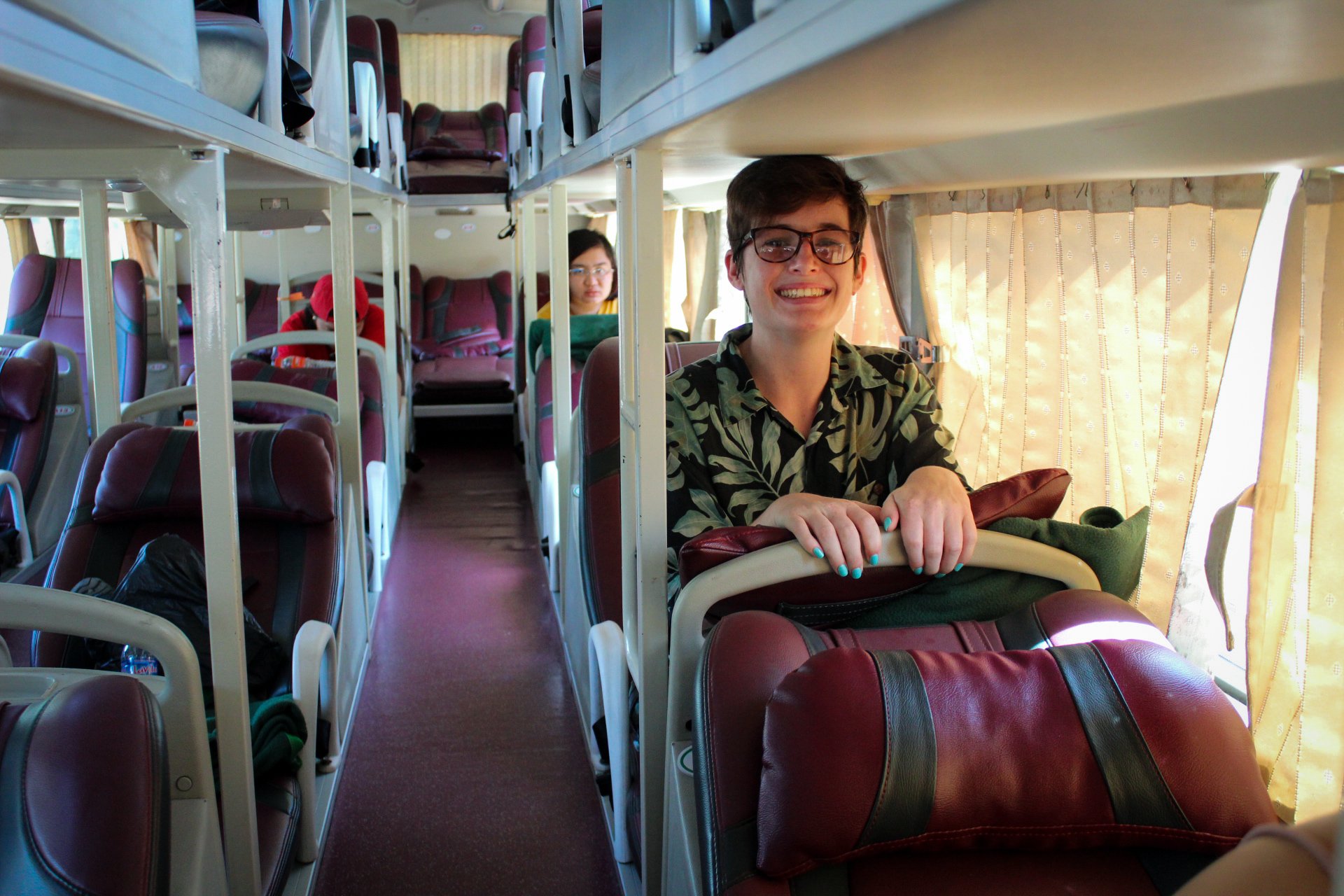
Straight after work on Saturday we caught the bunk-bed equipped bus from Saigon up the coast to the fishing town come resort of Mui Ne. I was with a motley crew of Hanh and Kel (both Vietnamese), a young Kiwi English tutor Alice and Jonas; the Ozzy surfer dude.
Although not as developed as other sea resorts like Da Nang and Nha Trang, Mui Ne is well known amongst my Vietnamese friends. It’s most famous for its red sand dunes.
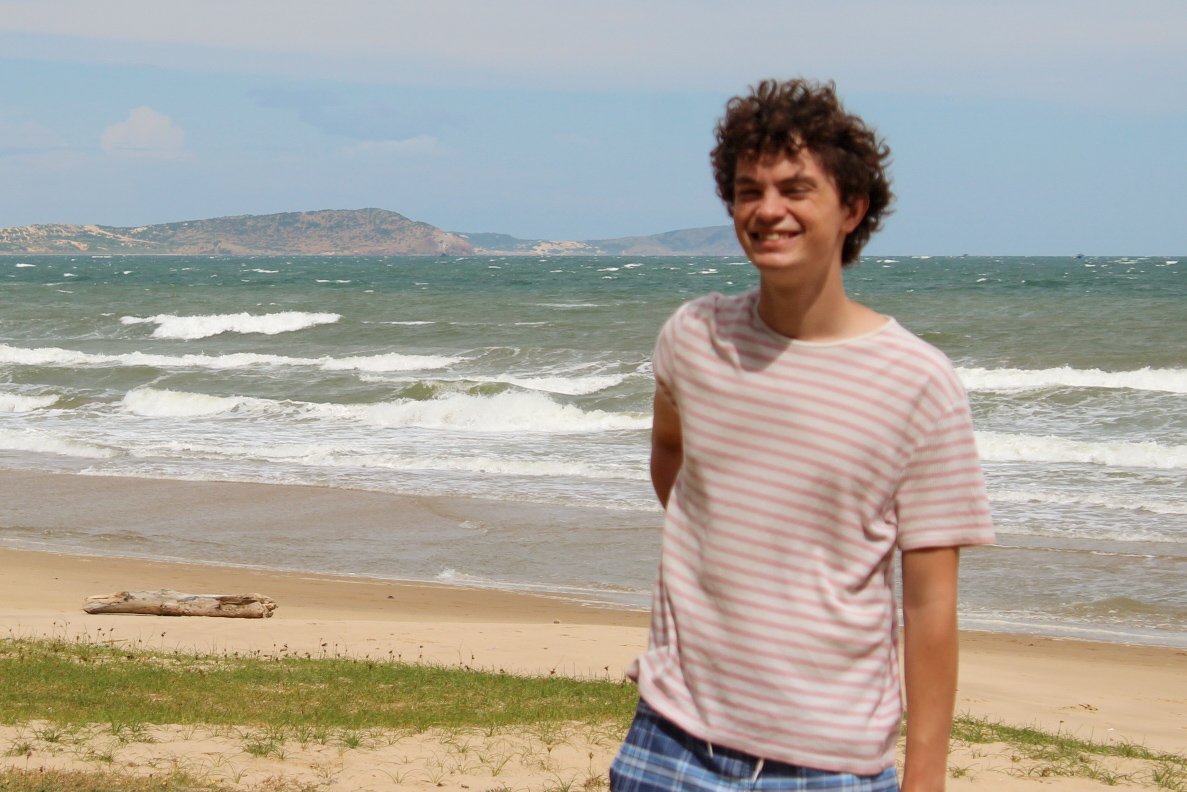
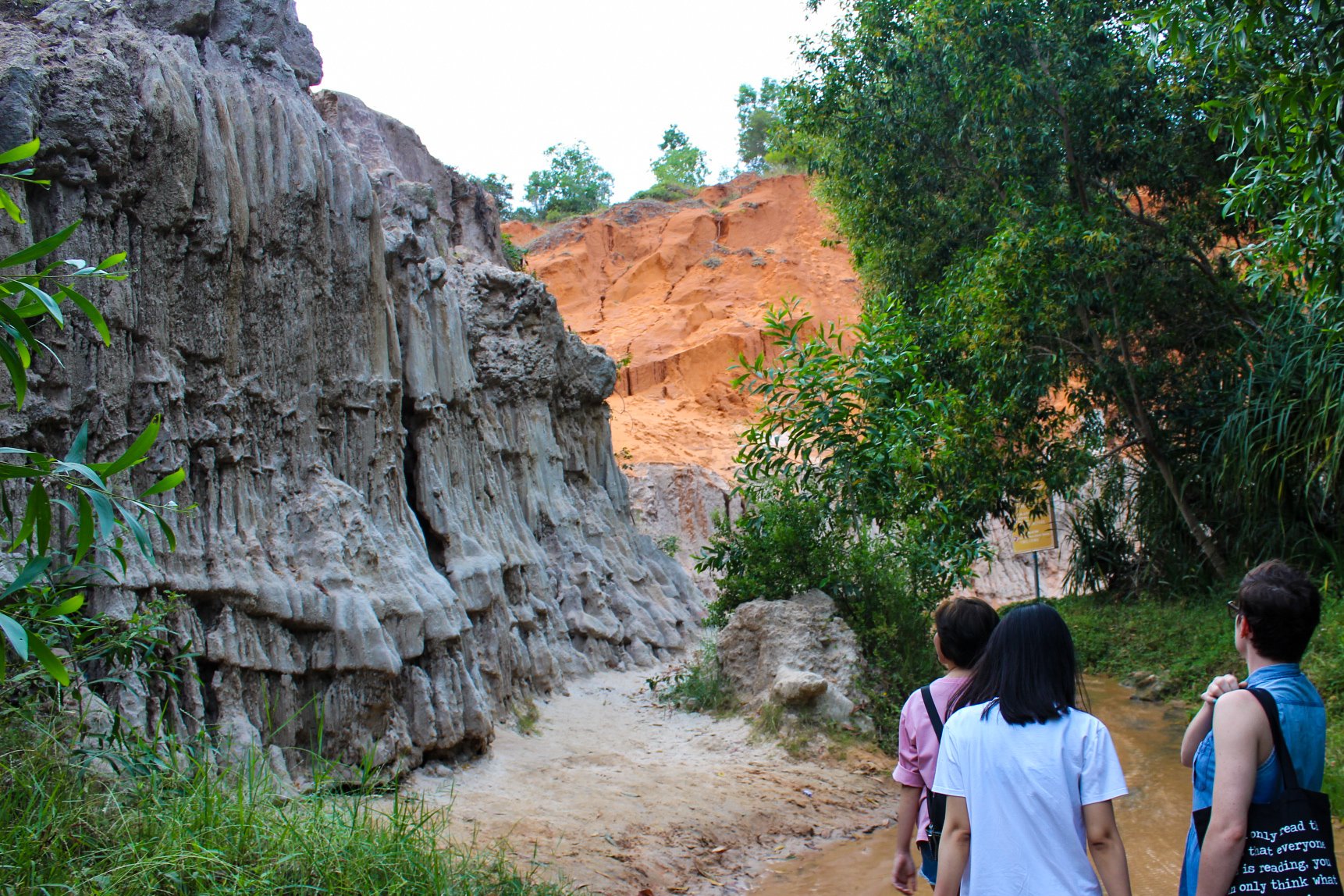
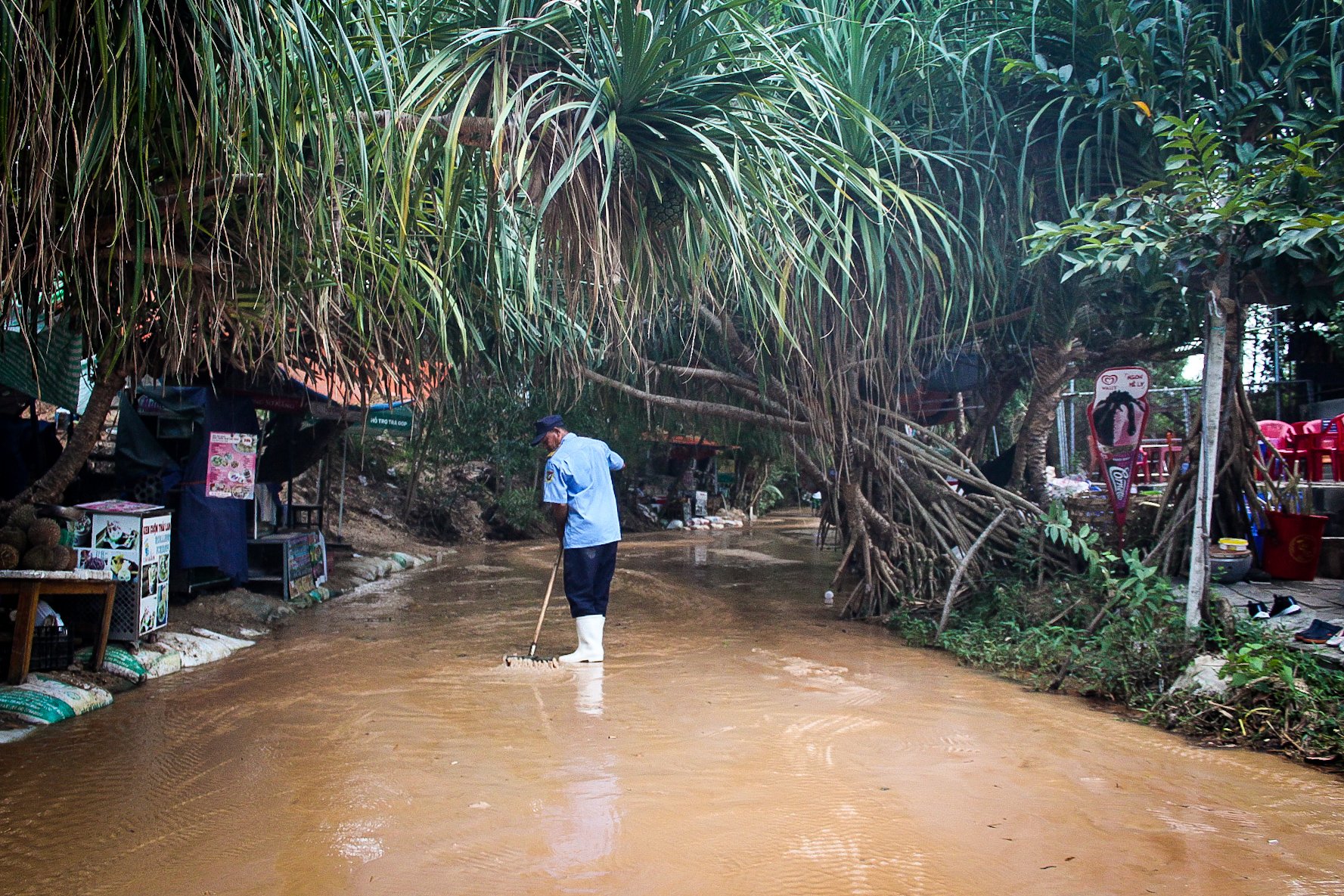
We were a motley crew of me,We spent the weekend eating delicious seafood, hanging out at the beach and we visited the Fairy Stream; which is a short, shallow stream people walk along to view the sandstone rock formations that line it. Vietnam is pretty awful for tourist traps. In Da Lat when I visited last year I got used to the formula; pay to enter, be surrounded by street vendors which detract from the thing you actually came to see, pay for a photo with someone in a costume, be deafened by karaoke. I was however very surprised to see all this in a stream!
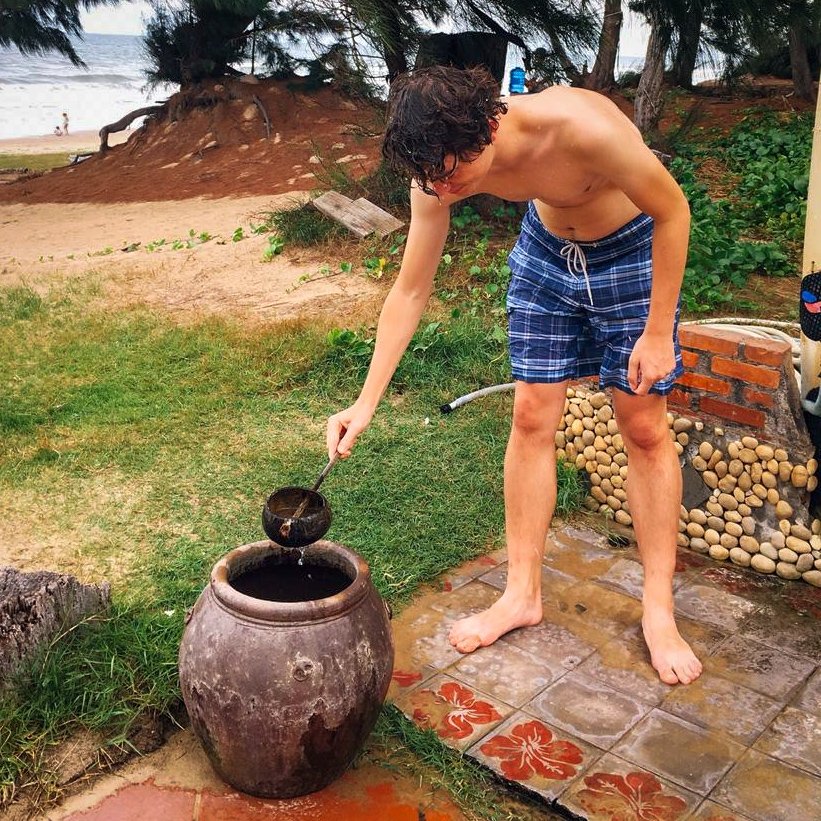
Alice looking excited to be riding the sleeper busAfter being on the beach I wash off the sand in the traditional Southeast Asian styleRock formations at the fairy streamA man sweeps a stream because… Vietnam.
The Holy King of the Sky
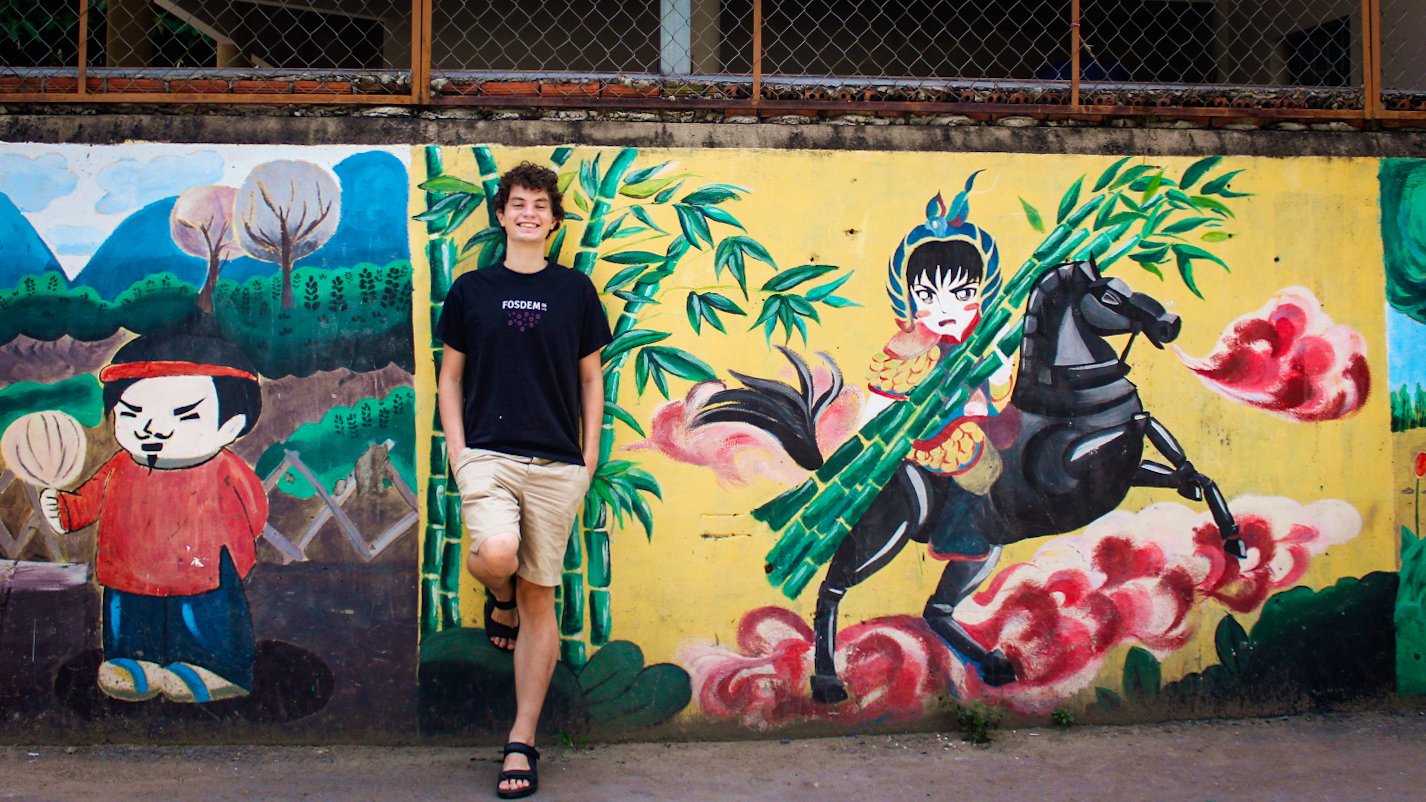
There is a wonderful anime-looking mural near where I’m staying of a guy on a horse wielding bamboo as a lance. I’ve always been curious about it. I finally got around to asking Chu and she told me it’s the legendary boy hero Thánh Gióng.
The full legend is quite interesting. His lance broke while the child fought the invading Chinese so he picked up some bamboo and proceeded to crush his foe. After this feat, he rode his horse straight up to heaven which is where he got the title The Holy King of Heaven. He seems to be a national hero here, something like King Arthur is in Britain.
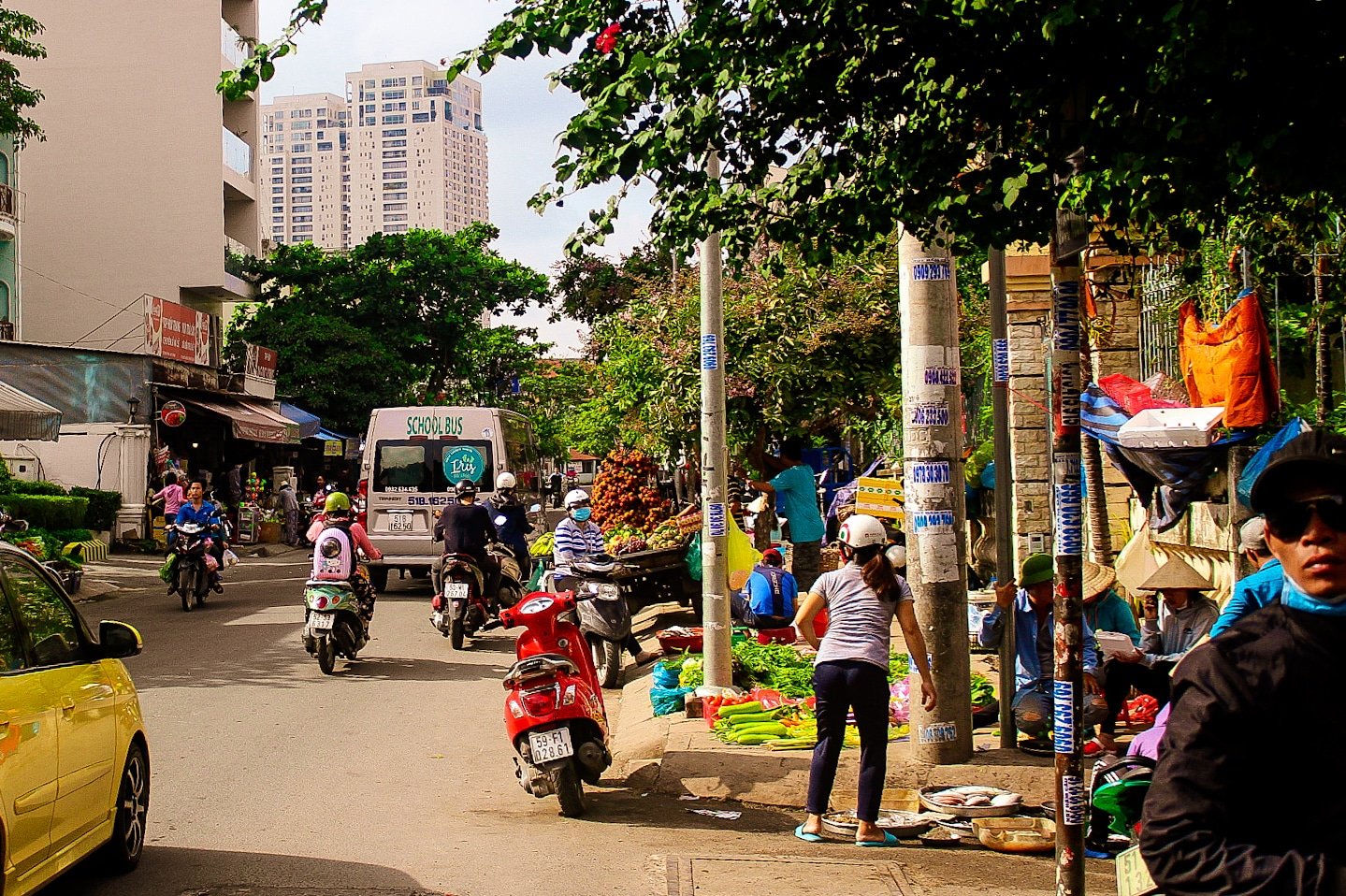
I’ve been living here in Ho Chi Minh City (AKA Saigon) for a couple of months now. I have moved into a flat and have established a bit of a routine but it’s still a bit disorganised because I’ve not got used to working evenings.
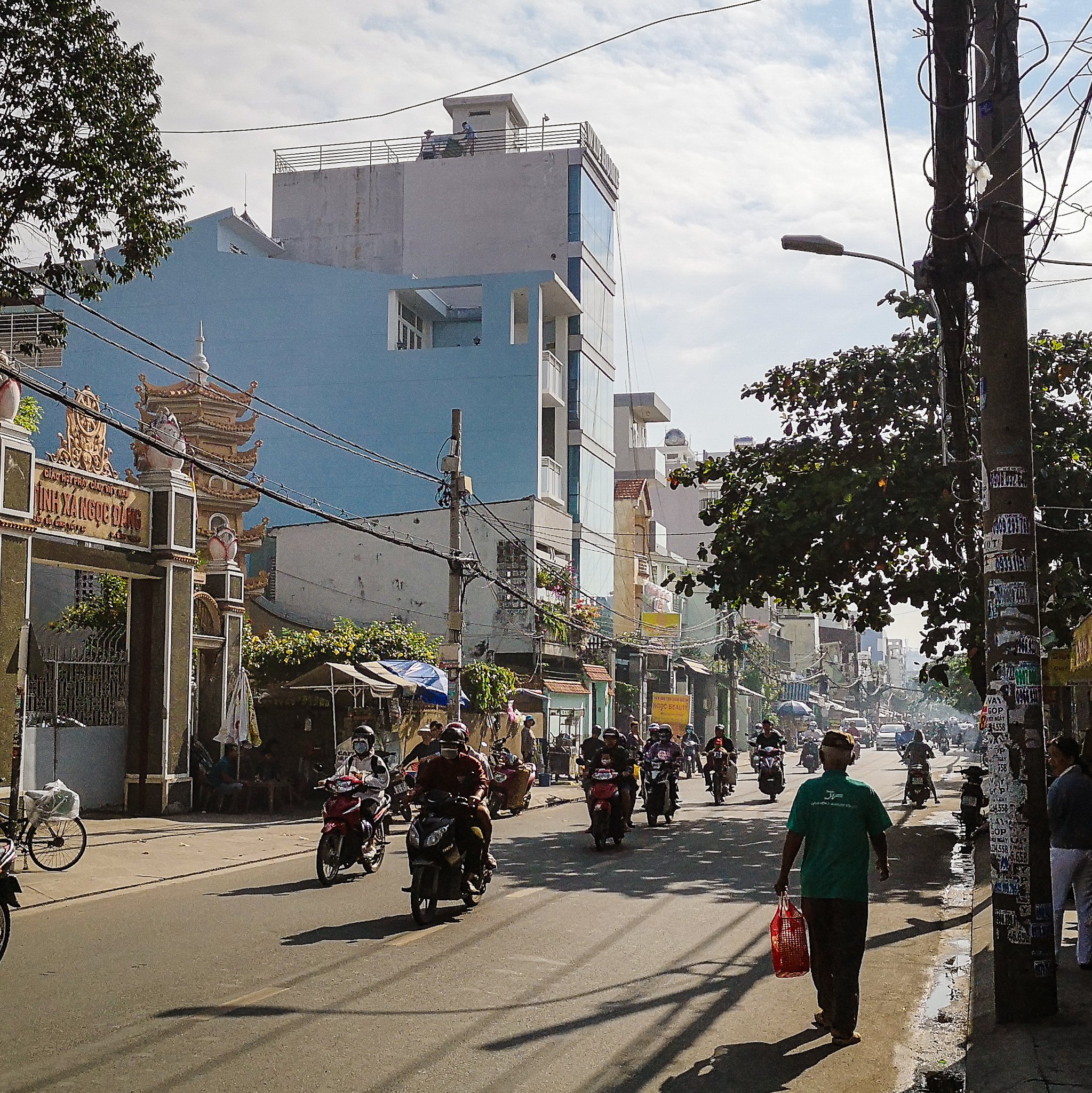
Saigon has a population very similar to London (9 million) but has a much lower population density: 11,000 people per square mile compared to London’s 14,670. I’m living in Binh Thanh District which is north of the city centre and west of Thao Dien; the ward where I work. This area is nice because it’s central but there aren’t many other foreigners living here and it’s alive with the bustle of Vietnamese life.
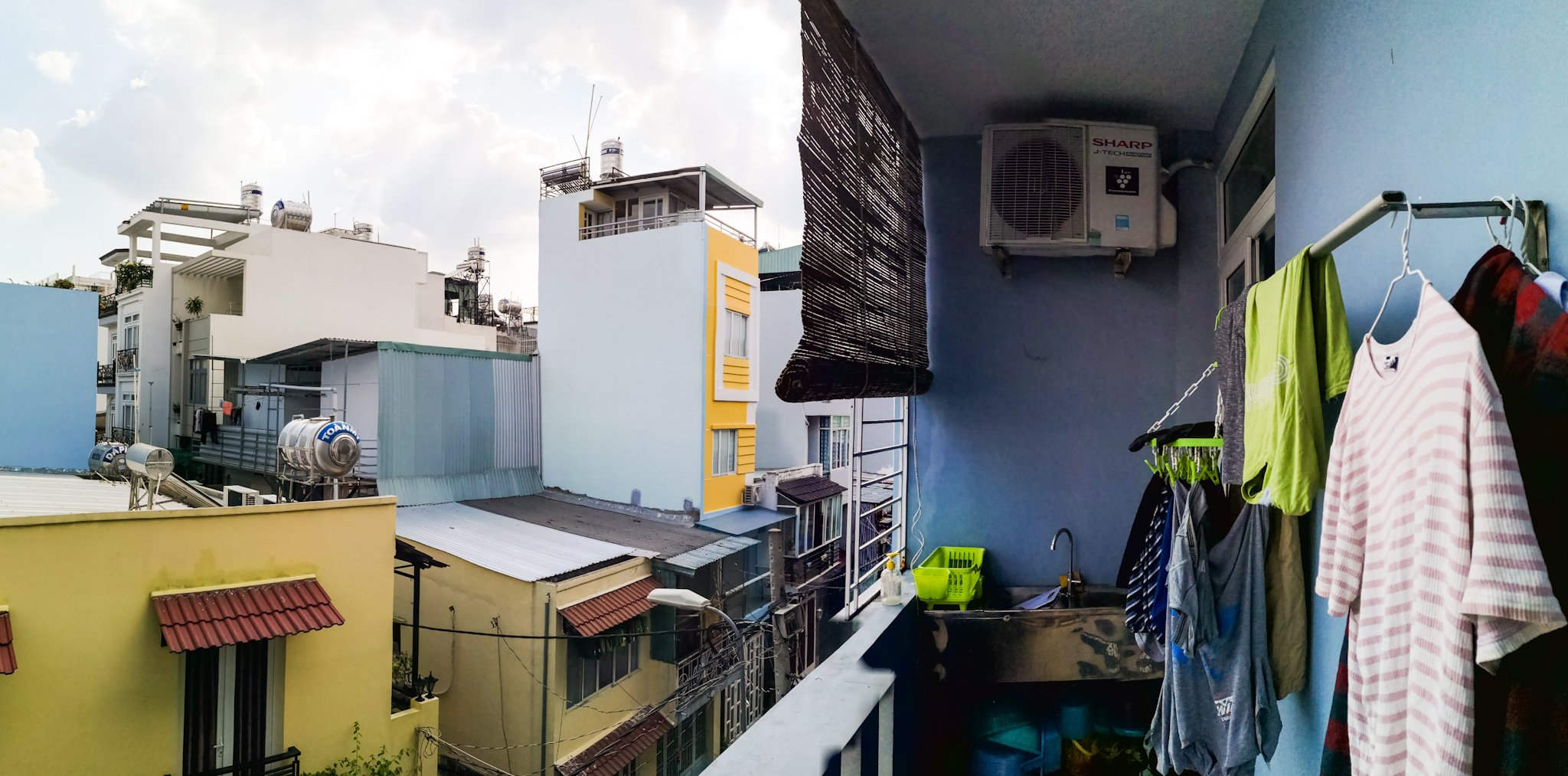
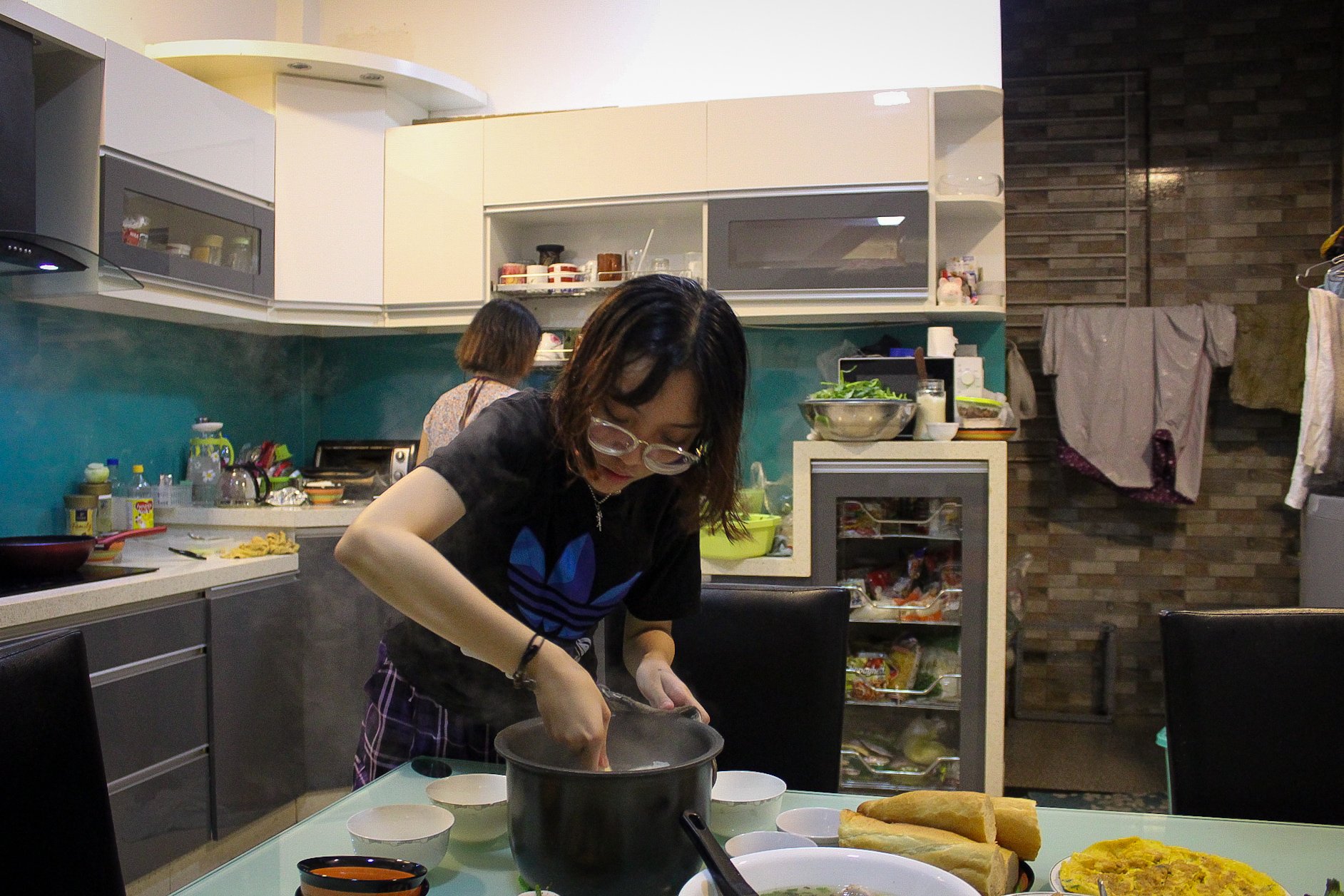
I’m renting a floor of a villa from the family of Su who is the receptionist at work. I have a bathroom to myself, a kitchen-living room and a balcony so it feels like I have my own flat but with the advantage of some socialising with the family. Downstairs lives the landlady is Miss Trang, her two twin daughters Su and Sa, sometimes Miss Trang’s Australian boyfriend Steve is here and her niece Chu is here more often than not. Upstairs is Frank, an English teacher from Canada. Finally there is a chubby tomcat called Kodi.
My living roomMy balconyThe neighbourhoodThe man of the house wants to know what I’m doing on the balcony. Miss Trang and Su prepare a meal for the whole house
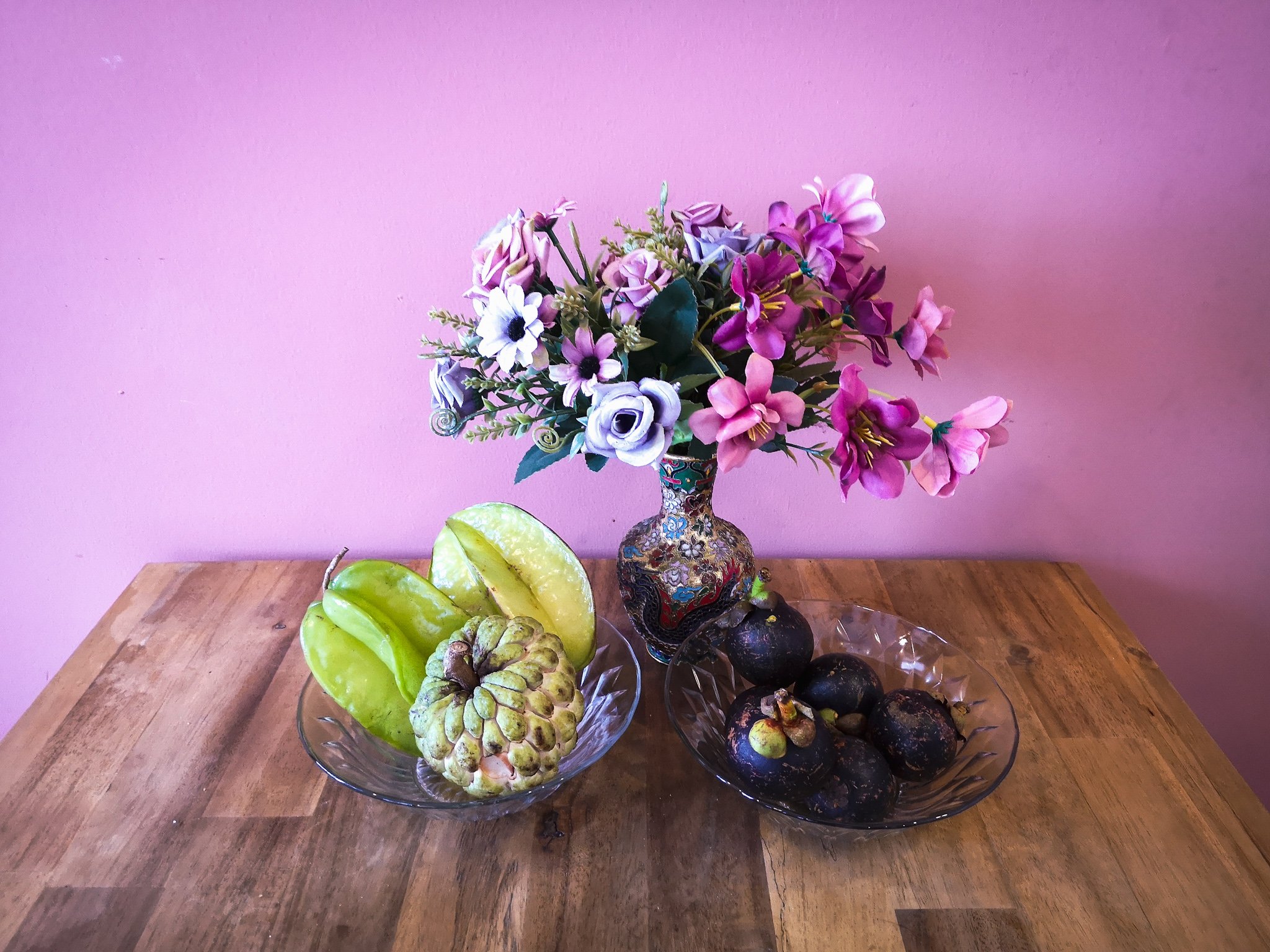
I’ve been making the most of a nearby market to try all sorts of fruit I’d never heard of before! There are pomelos, starfruits, soursops, sweetsops, mangosteens and even more I haven’t learned the name of yet. The Vietnamese like to eat their fresh fruit with chilli-salt, a habit I can’t get used to myself!
exotic fruit from left to right: starfruit, soursop and mangosteens
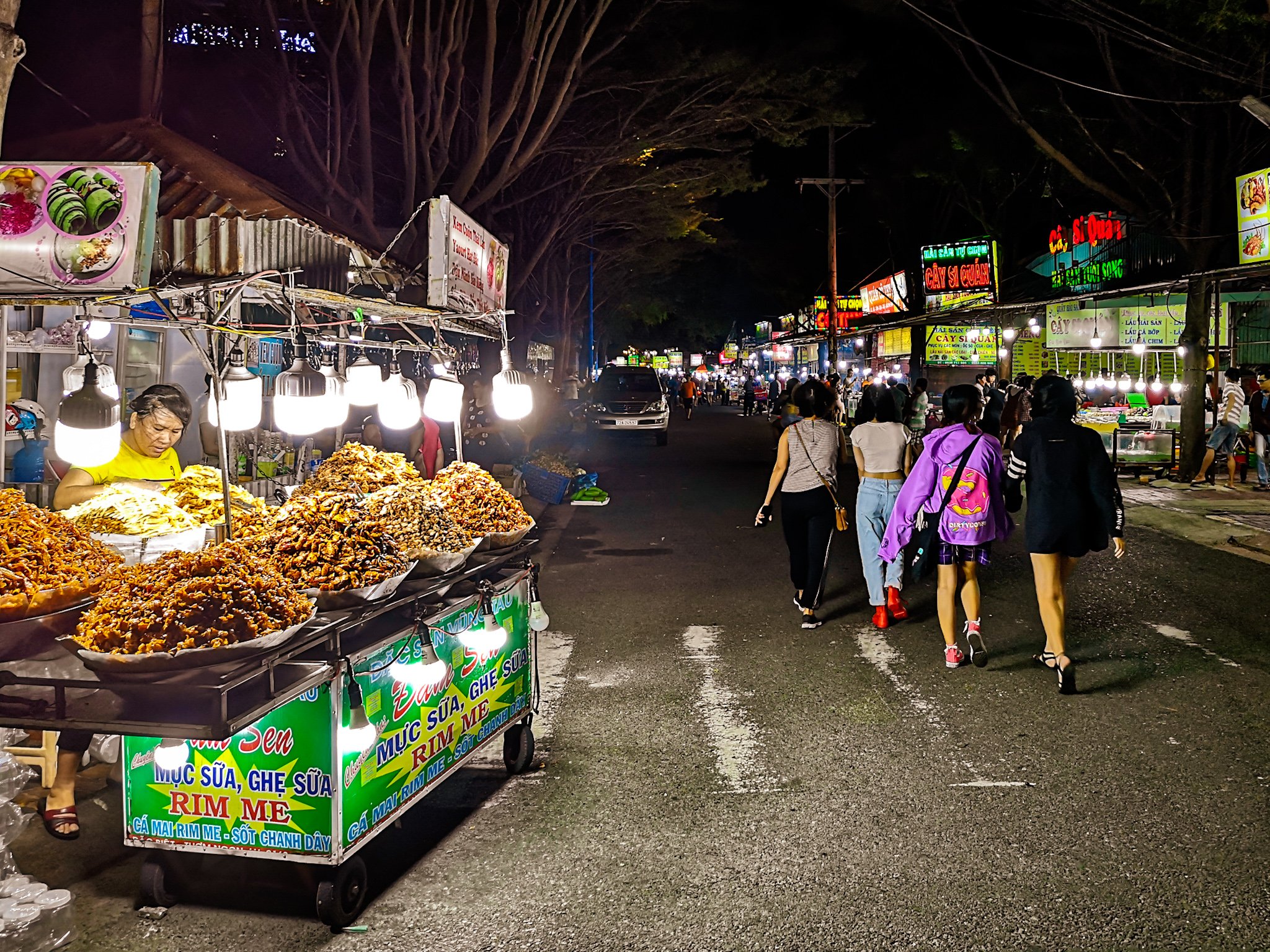
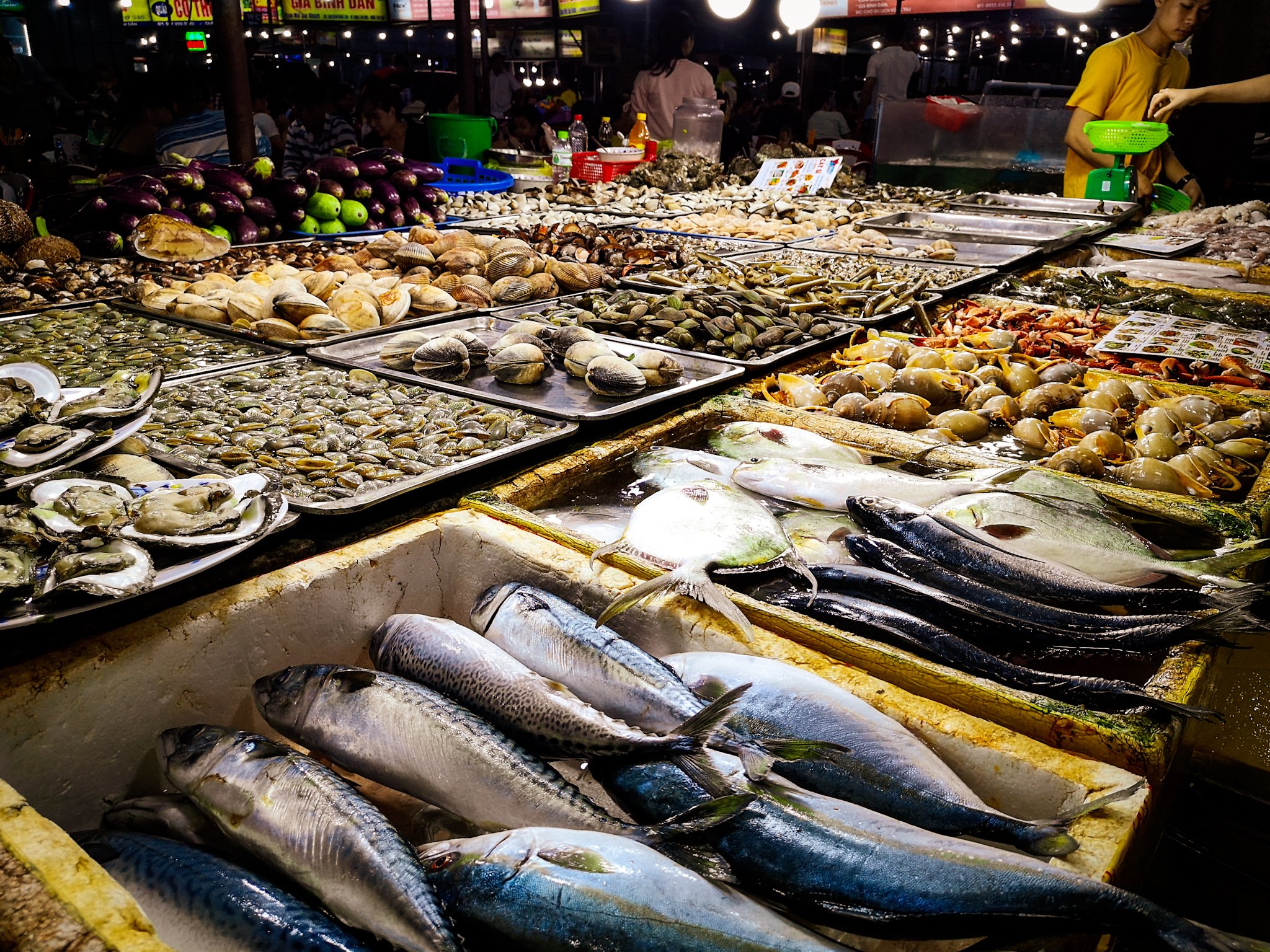
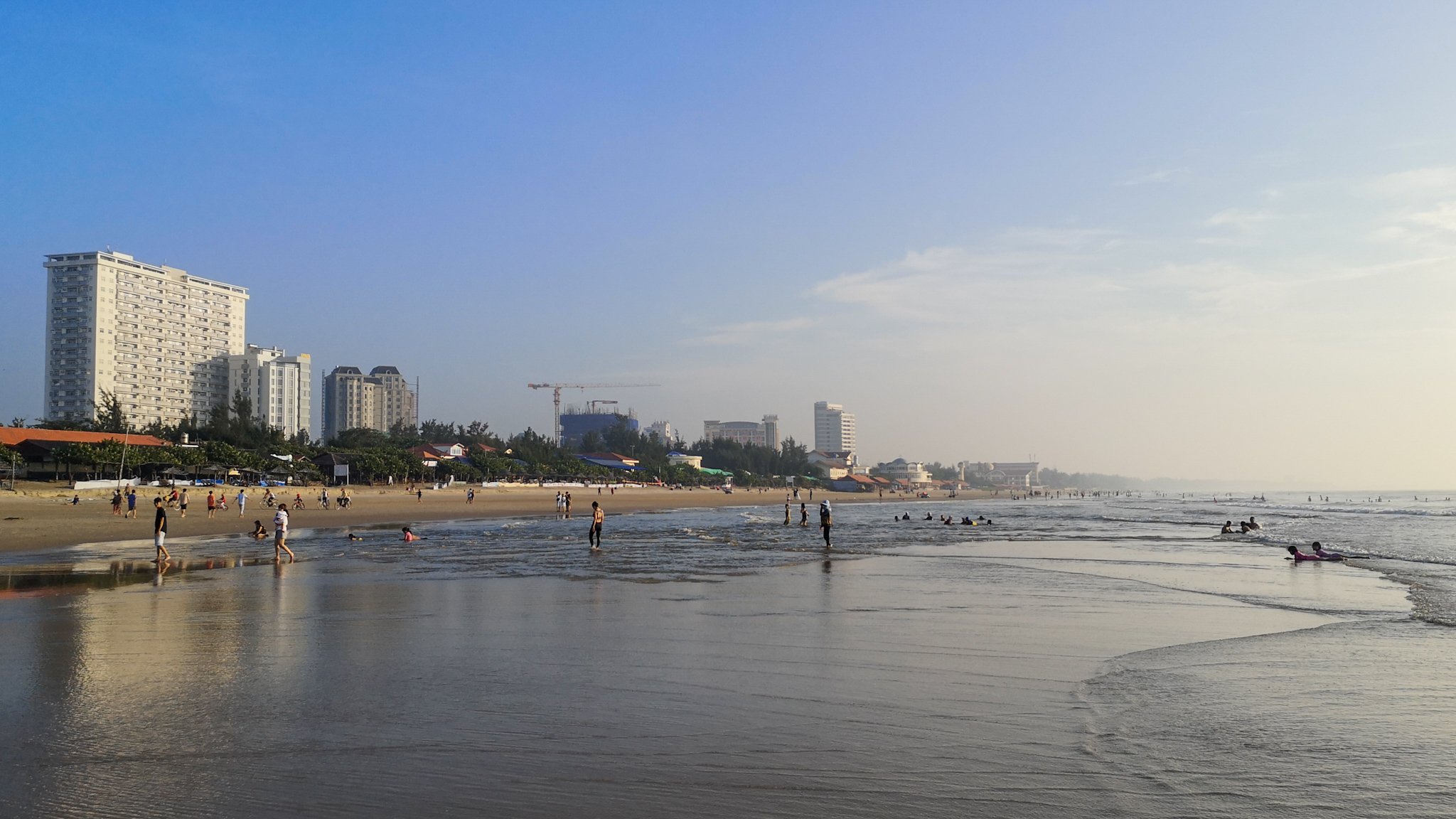
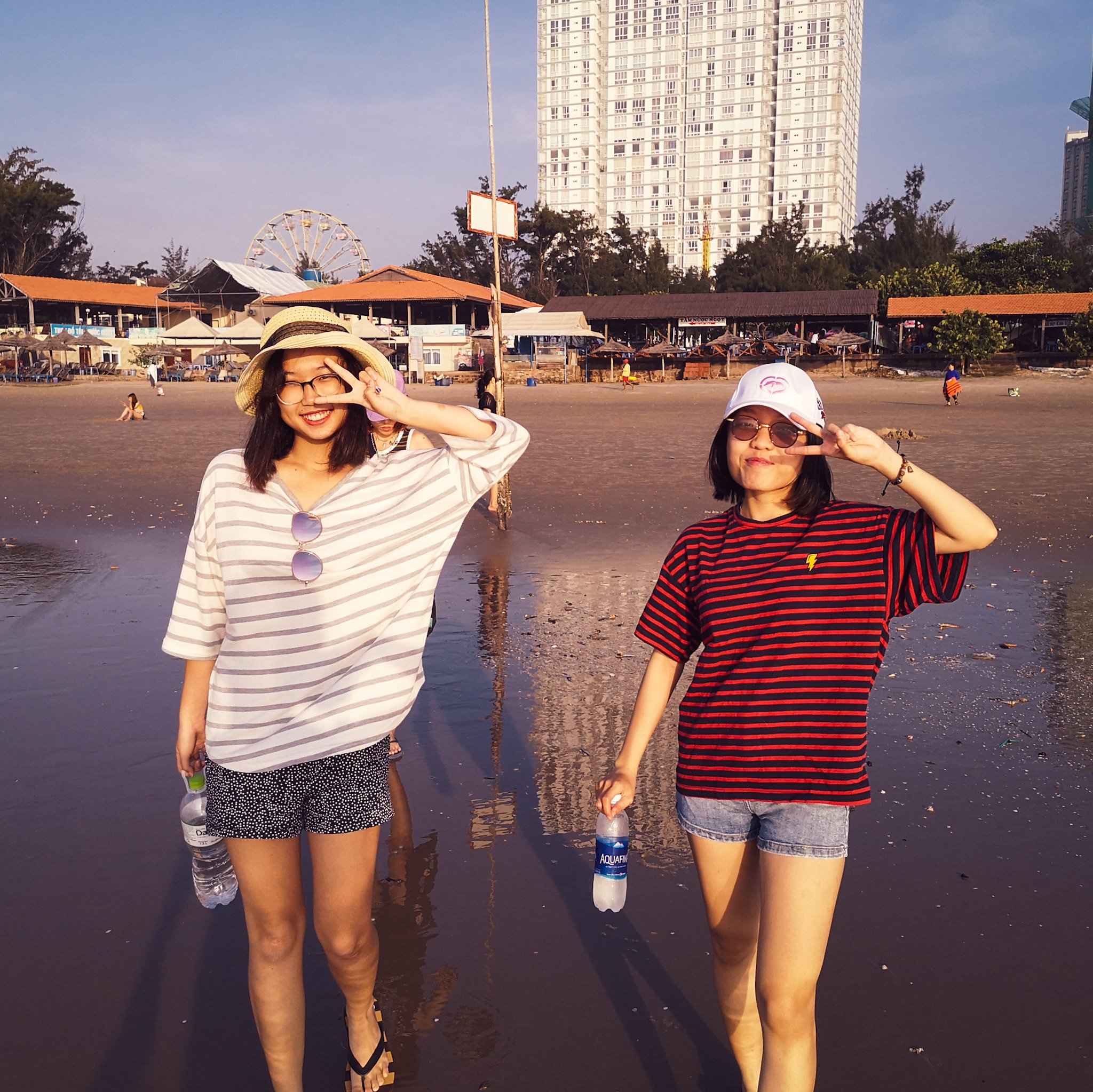
I recently went with the family to Vung Tau, a nearby seaside resort. Vung Tau is a peninsula so has beach on three sides. It’s very popular with Saigonese workers taking mini-breaks, especially on public holidays. It’s not as popular with international tourists as other resorts like Da Nang (the US army’s holiday resort during the war) and Nha Trang (it’s popular with Russians and Chinese but nobody knows why). We stayed overnight in a flat Miss Trang owns and went to the beach in the morning. The sea was incredibly warm!
Vung Tau at nightA bar and grill in Vung Tau: choose your fish and they grill itVung Tau east beach (if I recall correctly)Chu and Sa excited for an early morning dip in the sea! It’s rare to see these undergrads up and about before midday
Public transport in Saigon is fairly poor. They started building a light railway in 2008 (some parts underground and some parts elevated) and it’s due to open next year but nobody believes that and looking at the state of it, I can see why. Most people get around by moped, you can even book a moped taxi using an app which is really convenient! When I first met Vietnamese people in Manchester in about 2015, they told me that only the super rich in Vietnam drive cars. However the wealth of the country has grown and a car is the thing to have now if you want to show off how bougie you are. The cars cause chaos on the roads because a) the roads are too small, with no pavements and b) the people who drive them believe they have right of way over everyone in front of them on the road. Nothing says you’ve made it in life like bullying a little old lady into walking in a puddle!
A driver for the ubiquitous moped taxi hailing app Grab
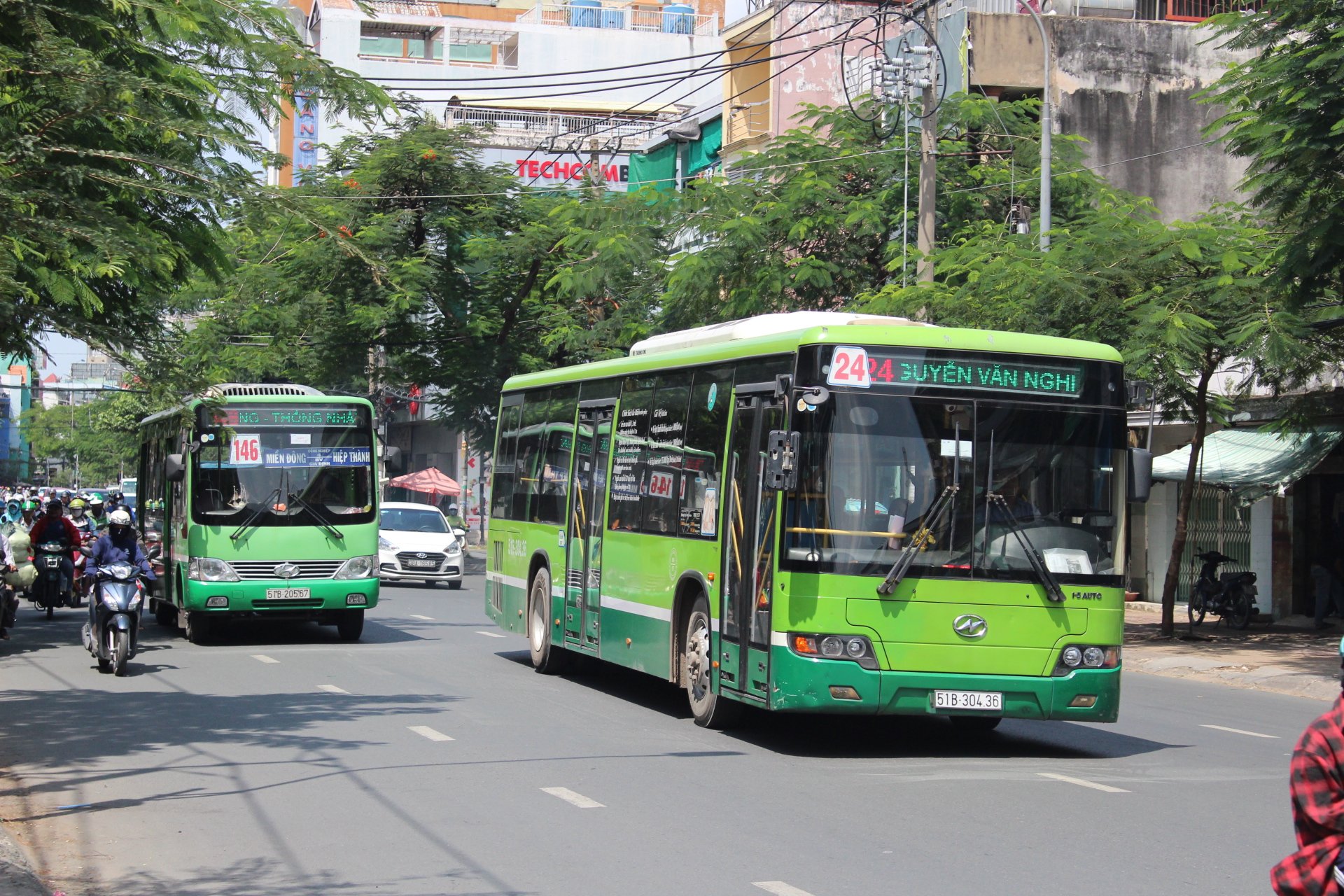
On the other hand, buses here are really good. They’re old and not air conditioned so most people turn their noses up at them but I love taking the bus. They’re cheap and reliable. You can go across the city for about 20p and there is an app for tracking where your bus is when you’re waiting. One quirk is that some buses have scheduled stops to let street vendors on to sell passengers fruit juice and coffee!
Saigon’s buses havena certain retro charm
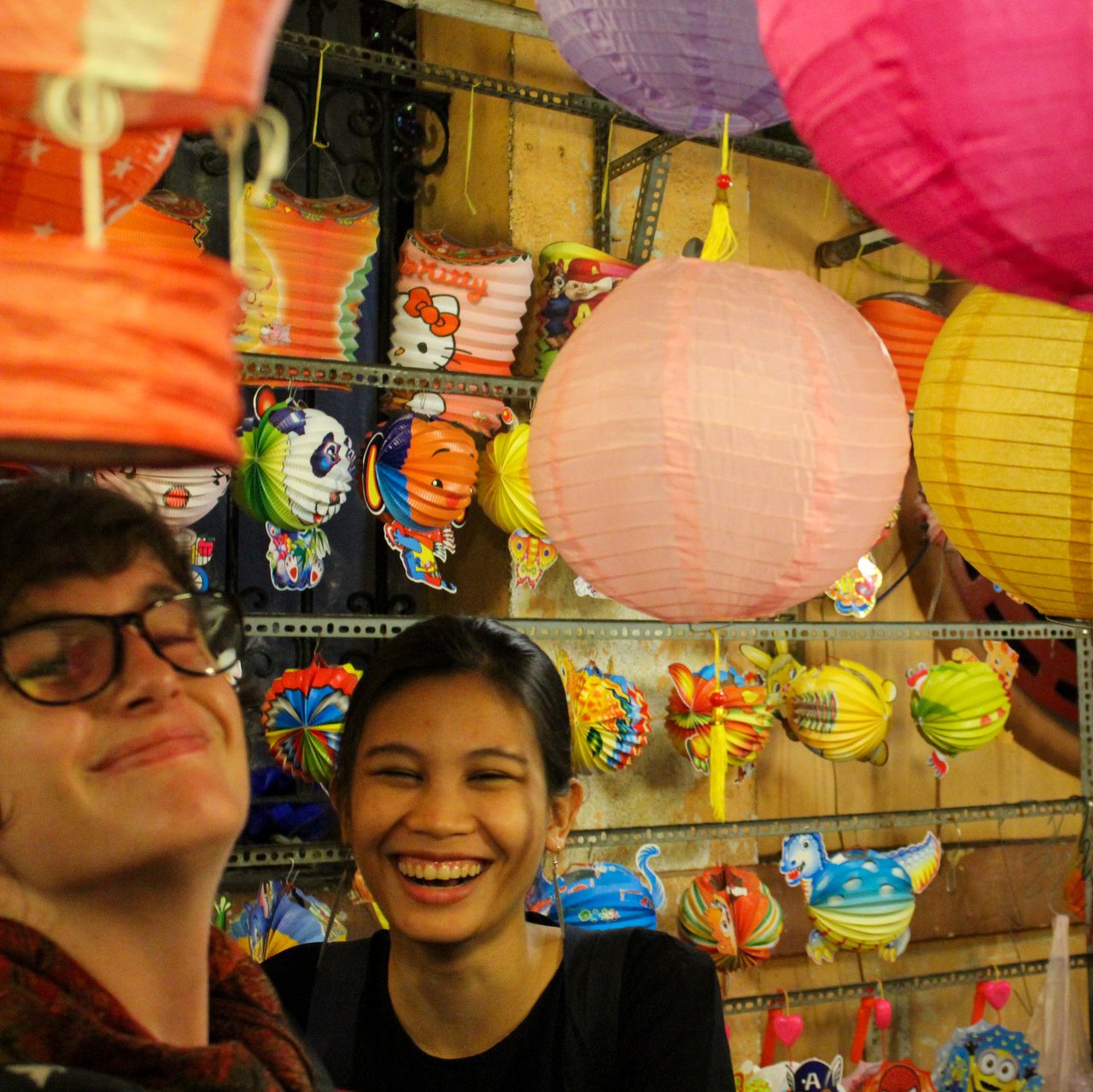
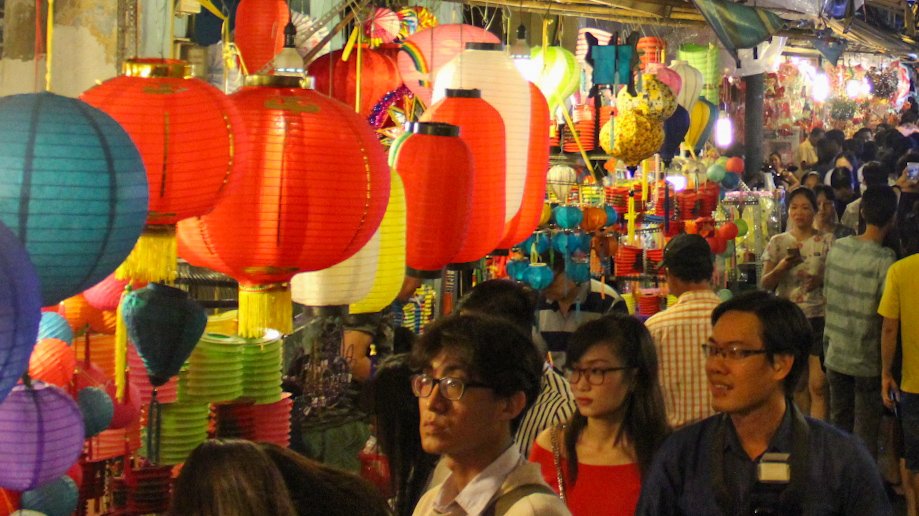
I’ve not visited everywhere in the city yet. I went to District 7 for my housemates birthday. District 7 is like a Korea Town, full of Korean shops and restaurants where the Korean staff don’t speak Vietnamese so speak to everyone in English! There is also a China Town (District 5), where I went with colleagues for the Lantern Festival which is celebrated in traditional Chinese and Vietnamese culture. It is also known as the mid-autumn festival and is analogous to the British harvest festival and is celebrated on the full moon in the eighth month of the Chinese calendar. This year it fell on the 13th of September.
My Colleagues Alice and Hanh (AKA Helen) at the Lantern FestivalBusy chinatown street during the Lantern Festival
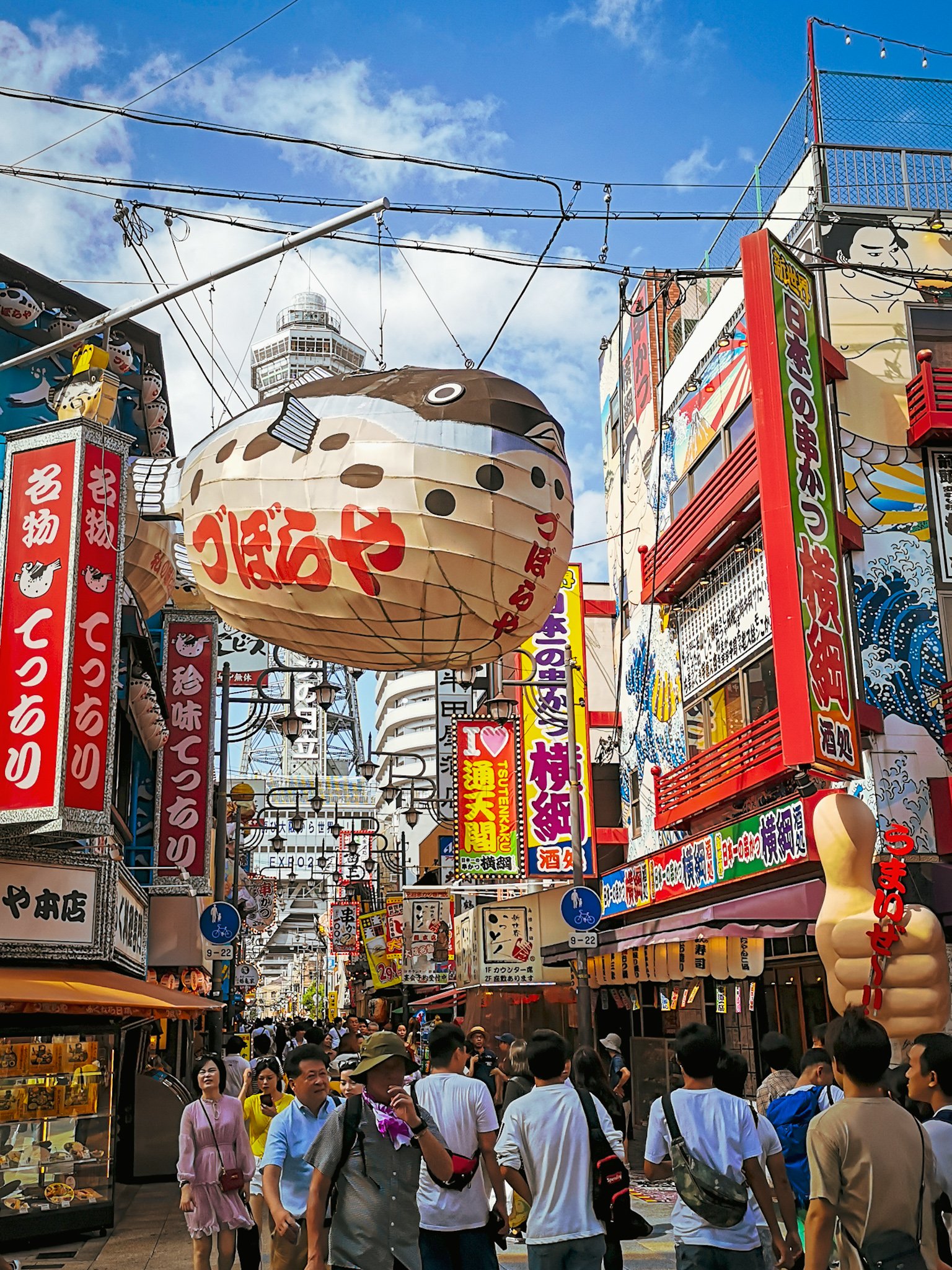
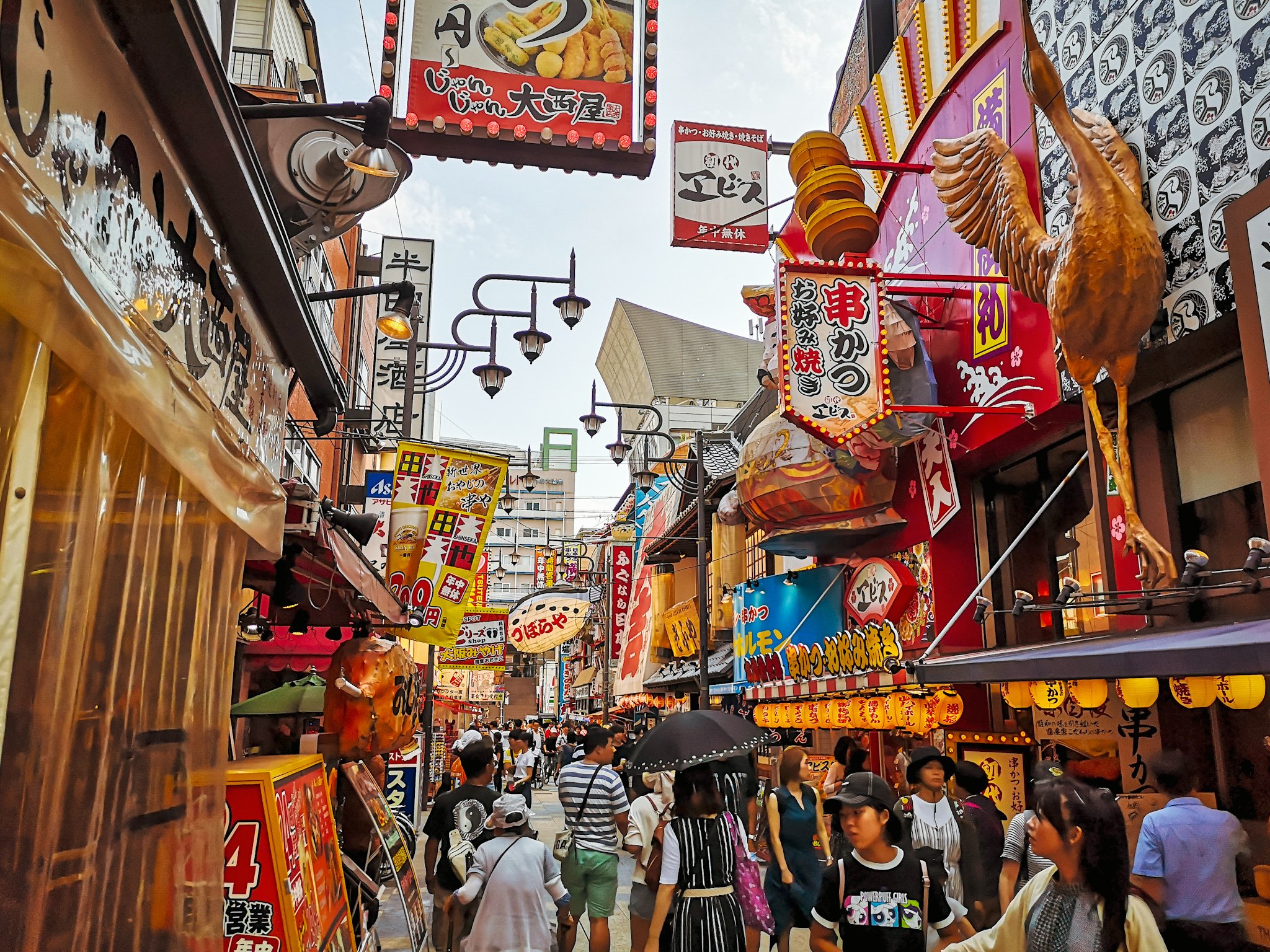
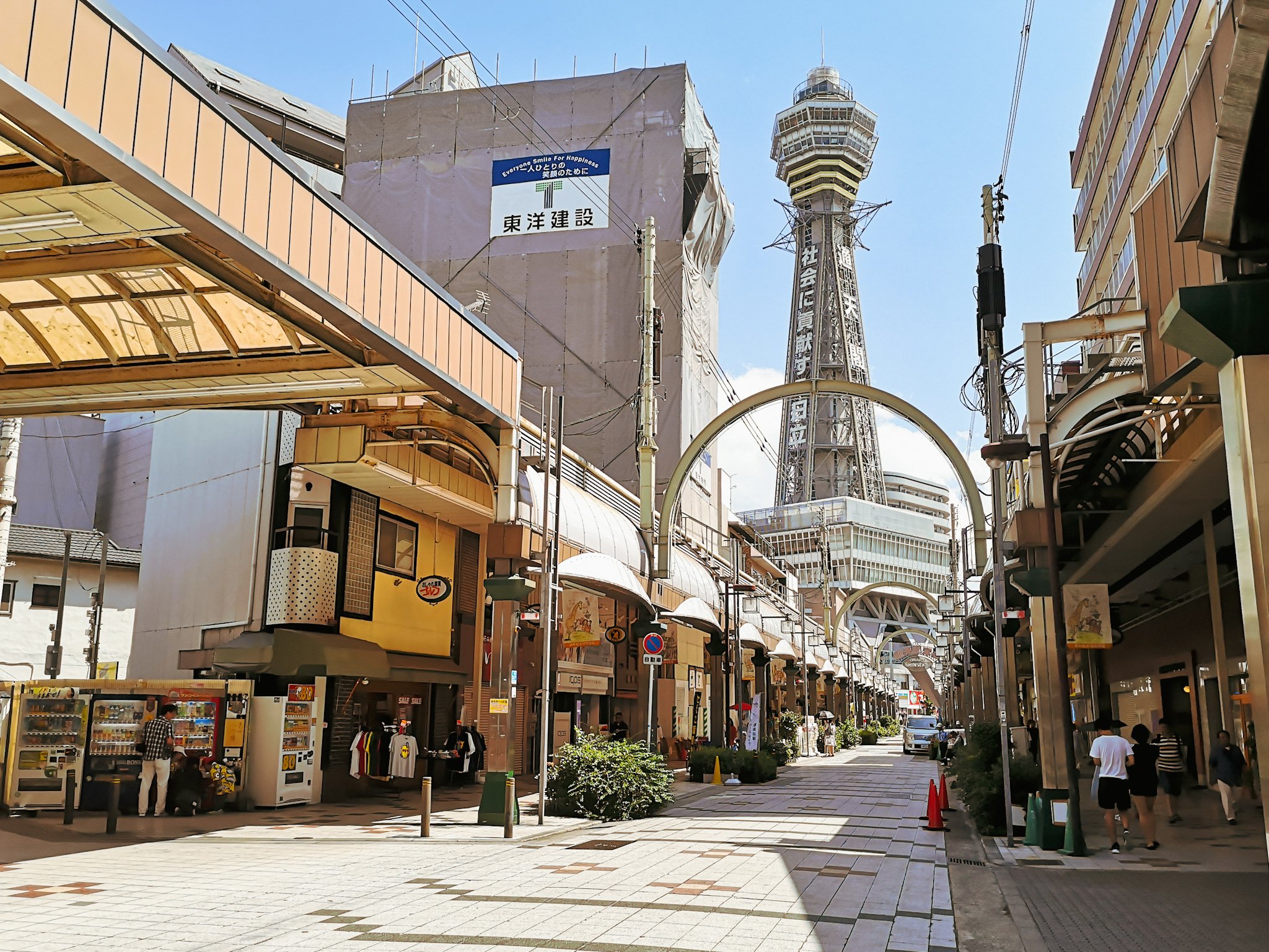
Vending machines on one street corner, shrine on the opposite. I’m definitely in japan! I’ve come from the harbor to Shinsekai, a street in Osaka full of food, arcades and market stalls. I bought some tea from the market. The lady brewed each tea in front of me to allow me to sample them and after I bought some roasted tea she had me pick a raffle ticket and I won a small pack of the same tea! Somewhat lucky I guess…
The atmosphere here is so different from China. People are smiley and polite. Everyone smiles and say konnichiwa, even the smartly uniformed traffic officers. An old lady helped me find which ticket I need to ride the train although she didn’t speak any English.
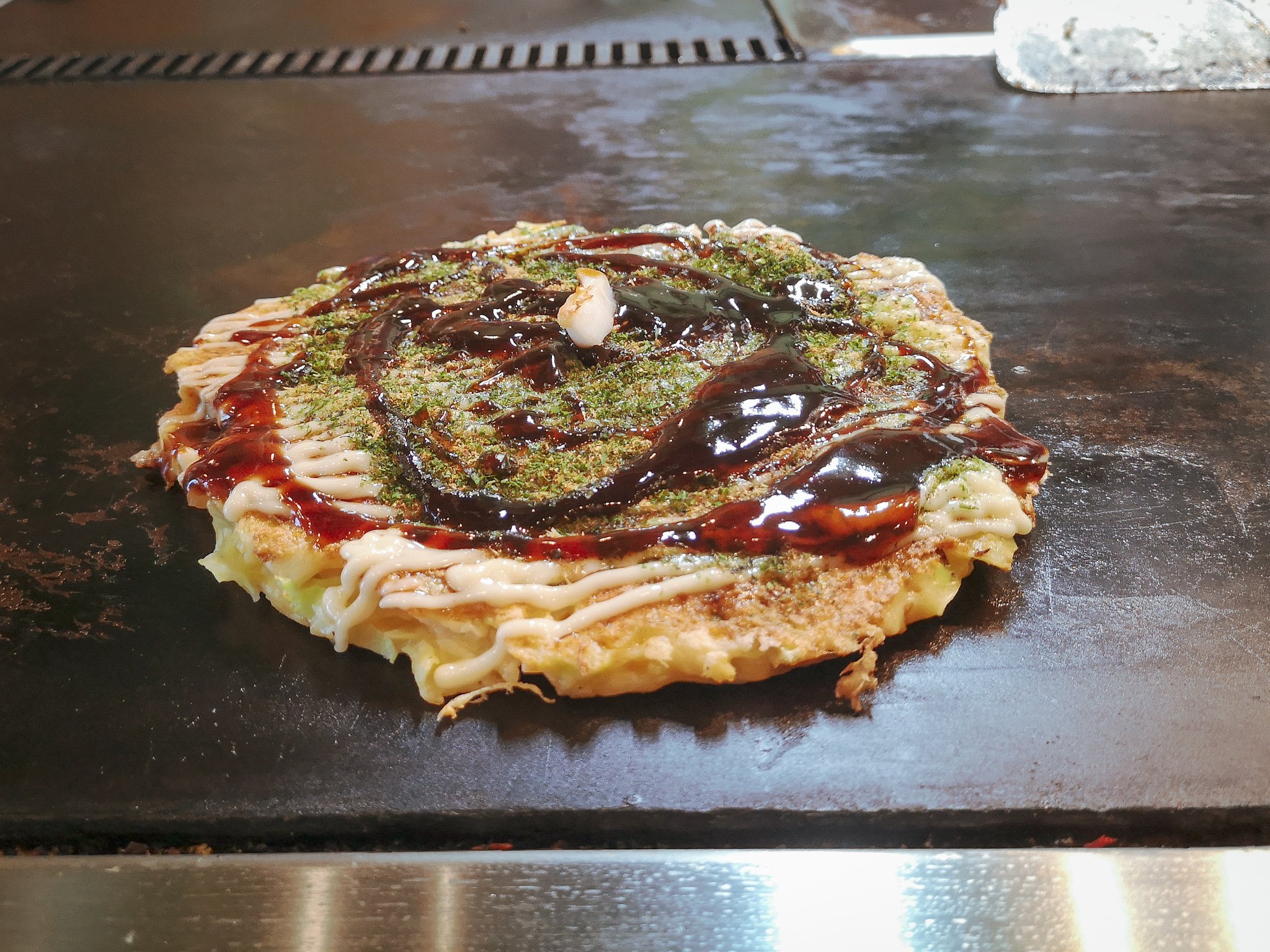
As I write I’m in a small okonomiyaki restaurant. Its a speciality of Osaka, a cabbage based pancake, mine is absolutely delicious with some smokey squid amd mayonnaise. There is a counter with a grill where the chef cooks right in front of the customers. He is a skinny middle aged man with a bandana rolled up tied around this forehead doing everything with great care while a bubbly woman who speaks English bustles around serving drinks. There is a small CRT in the corner playing some colourful daytime TV. I watch the chef scraping the griddle and am reminded of my own burger van career. I watch the locals to learn the correct way to eat as the pancake is placed on the griddle in front of me and I’m given a small spatula.
I’m loving japan so far. I was worried I’d find the people cold and sycophantic but they are actually very warm and welcoming while being much more polite than chinese and russians, at least here in Osaka. Everything is going smoothly!
* * *
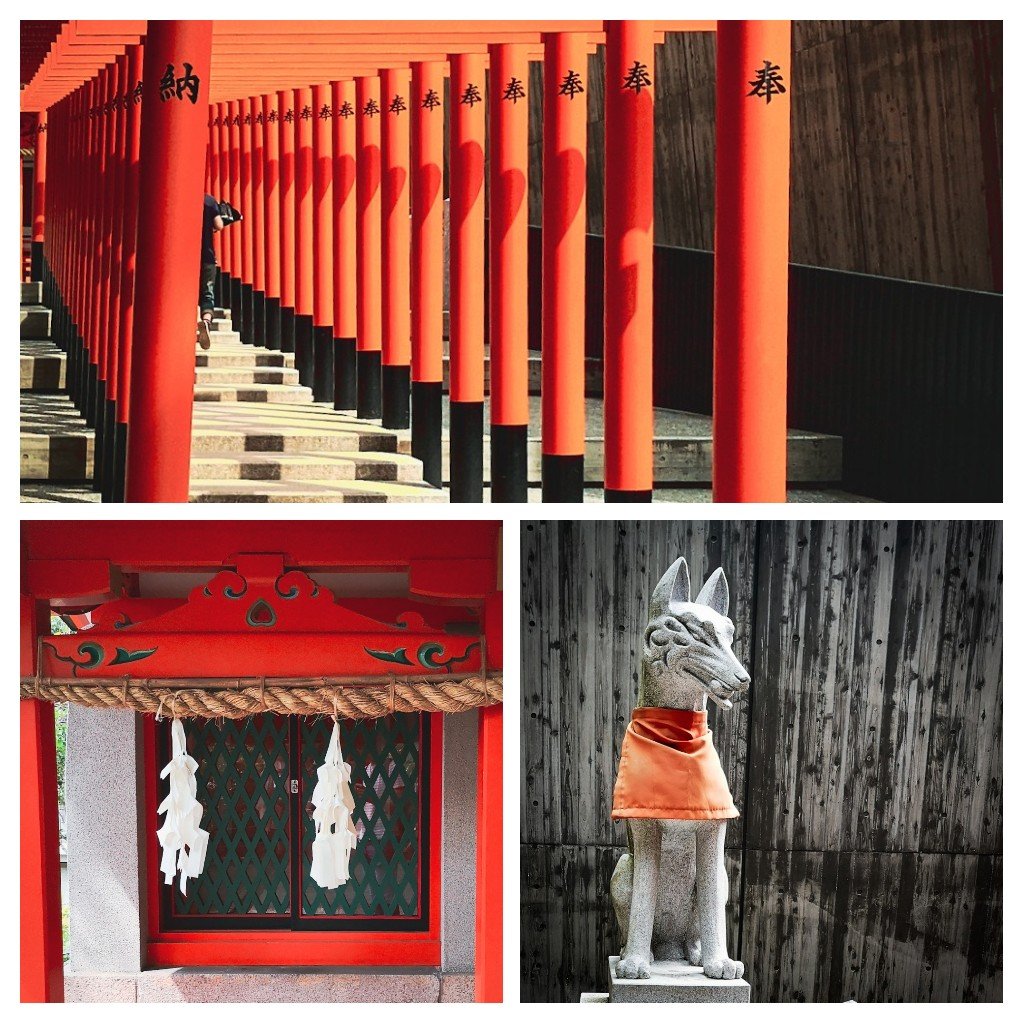
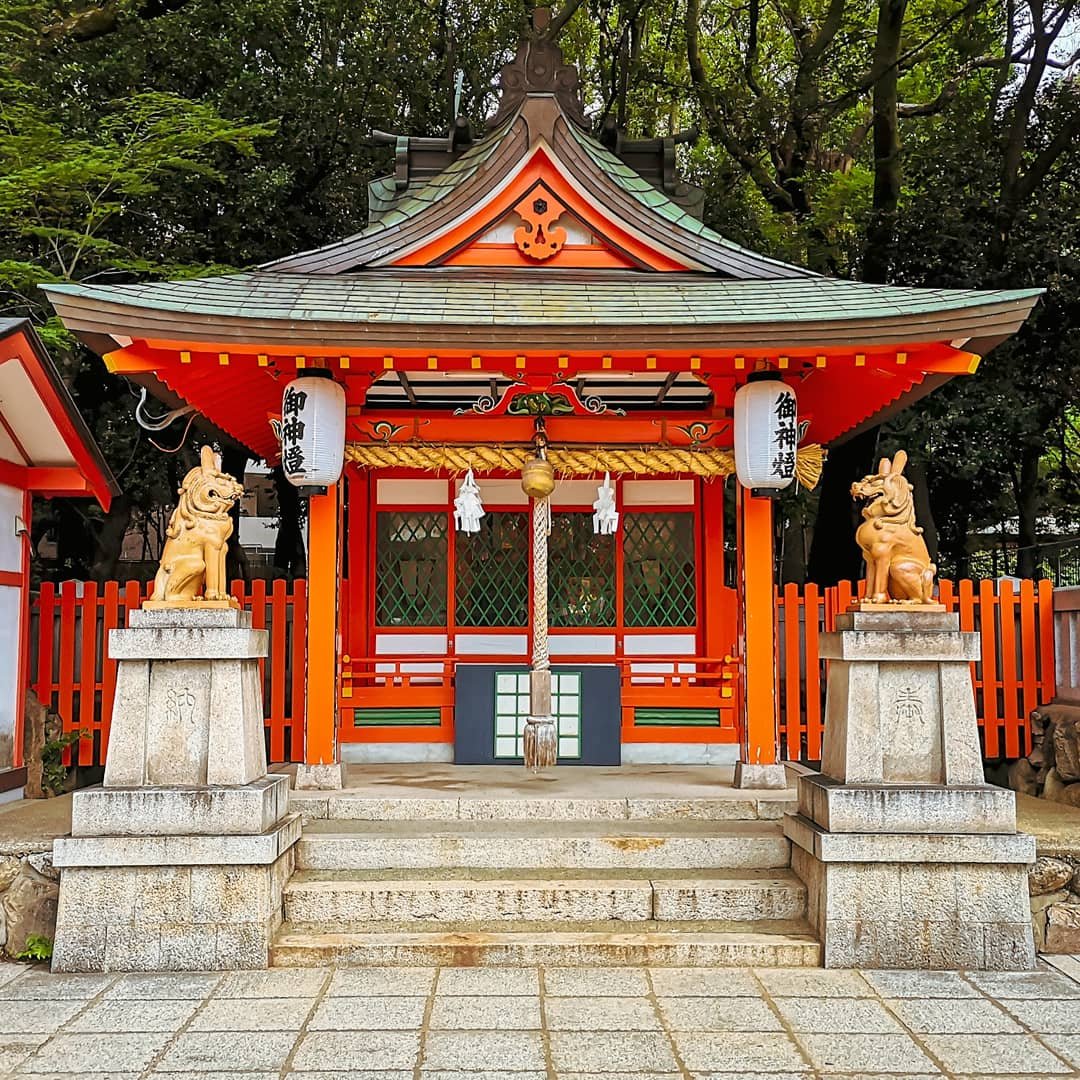
It’s day 2 in japan. I got up early to visit a Shinto shrine. This required a lot of research as the etiquette is very complicated. There are rituals of bows, claps, offering giving and bell ringing as well as hand and mouth washing rituals.
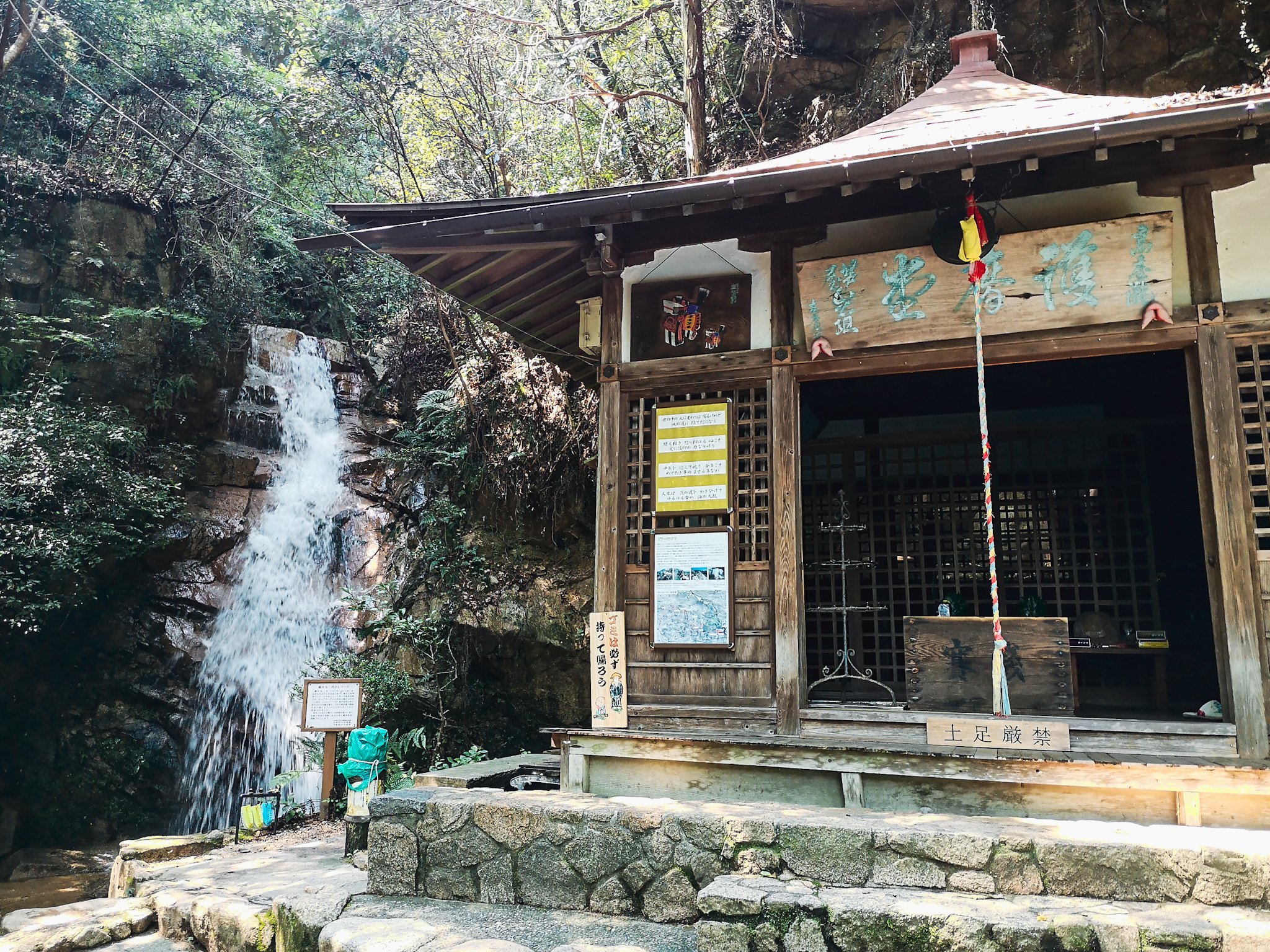
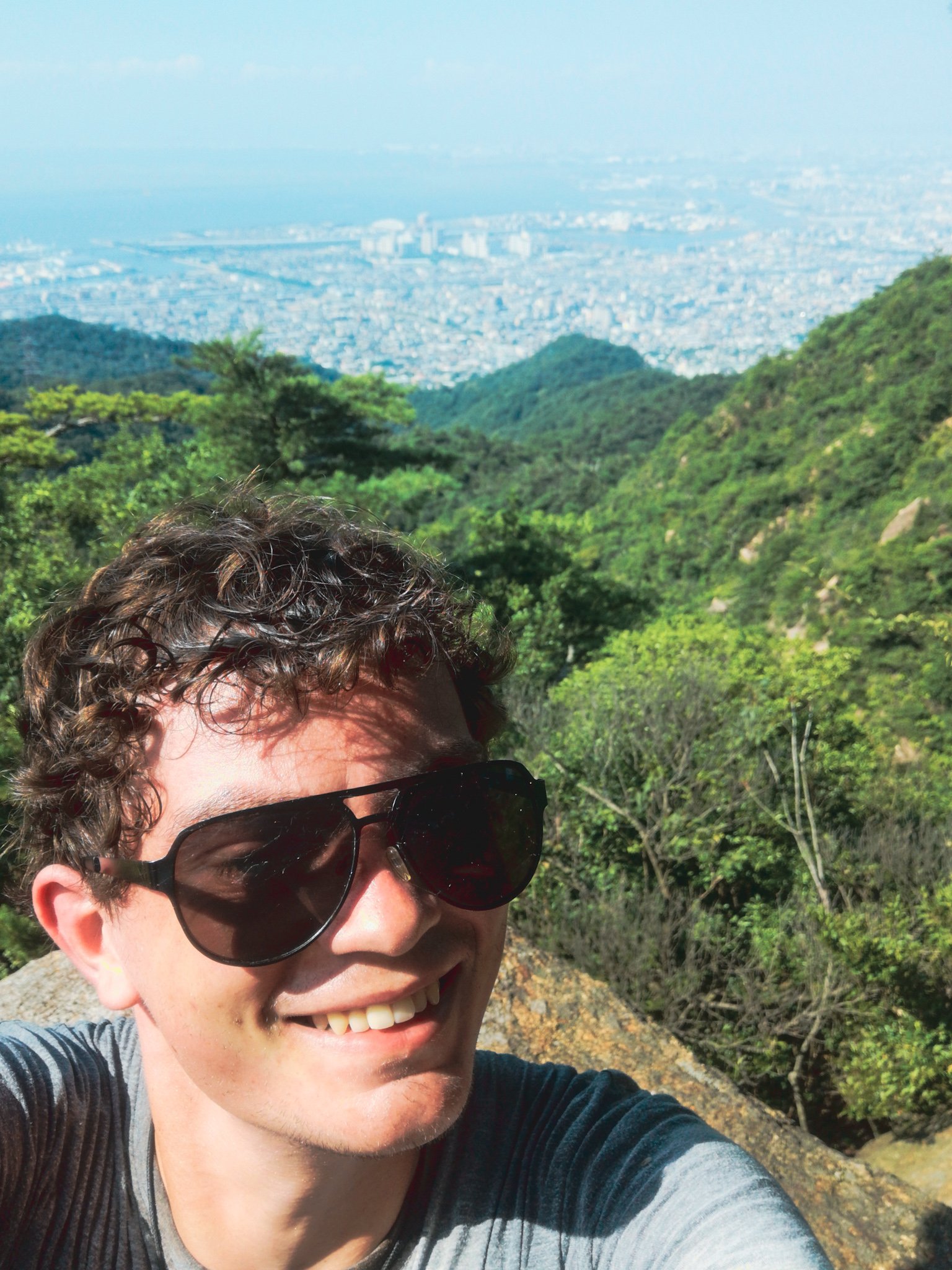
I was worried that I’d got some of the ritual wrong and upset the spirit bringing bad fortune but today everything went swimmingly. I went hiking in the mountains. I had no map so from the train station I just walked towards the mountains I could see. At the foot of the mountain was a small shrine at a beautiful waterfall. The paths meander all over these lush mountains, fording streams and following ridges. I had a fantastic afternoon hiking in the shade of the bamboo.
I’ve been unable to update the blog while in China because the WordPress app didn’t work with chinese Internet. I’m sorting out my backlog of drafts and will publish them soon.
* * *
Being seasick on a ferry that you took for fun is a lot like having a hangover. As you crouch over the toilet bowl you ask yourself why you make these life choices and swear never to do it again… Until the sickness passes and you forget all about the promise you made and start planning next time.
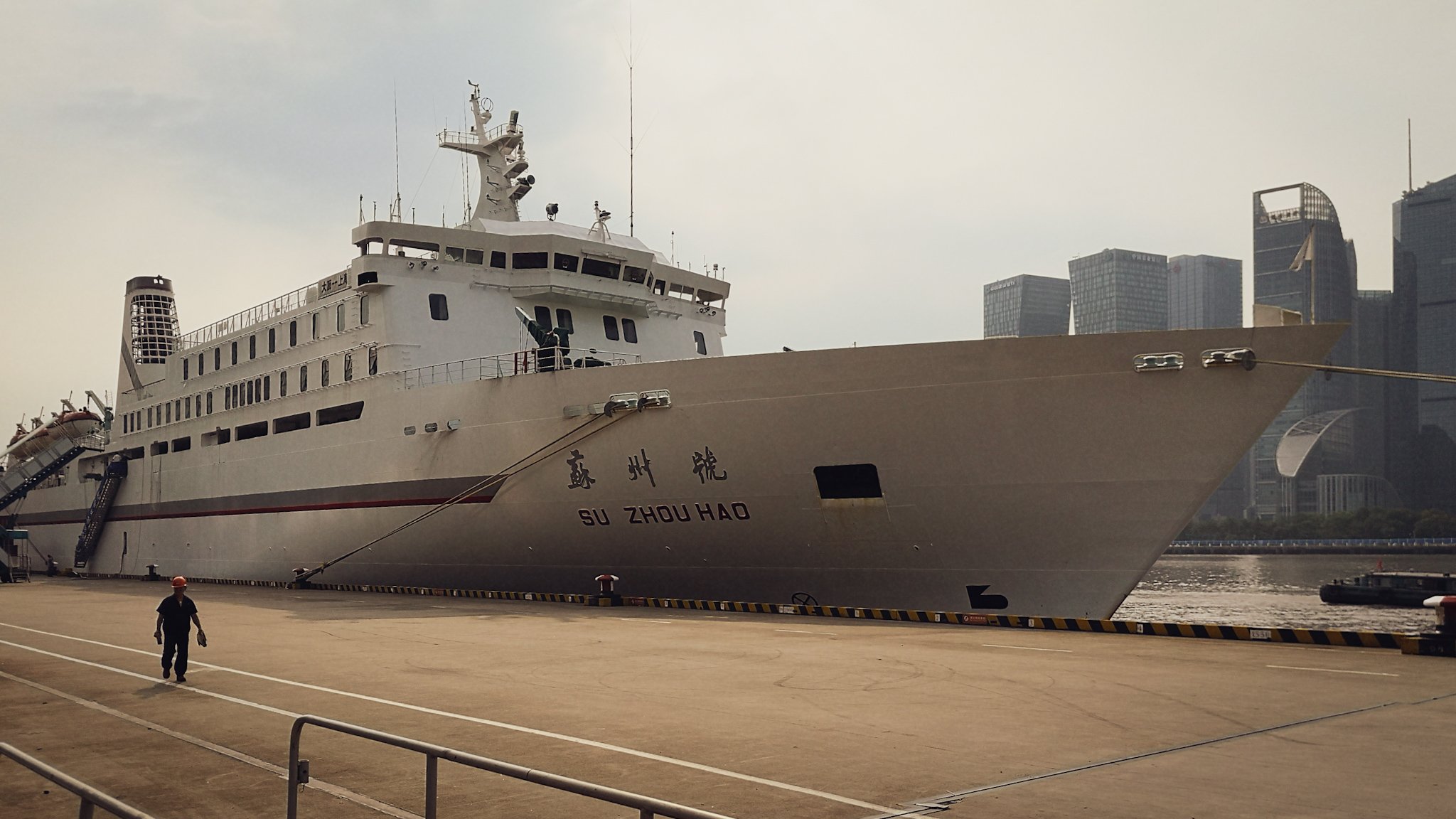
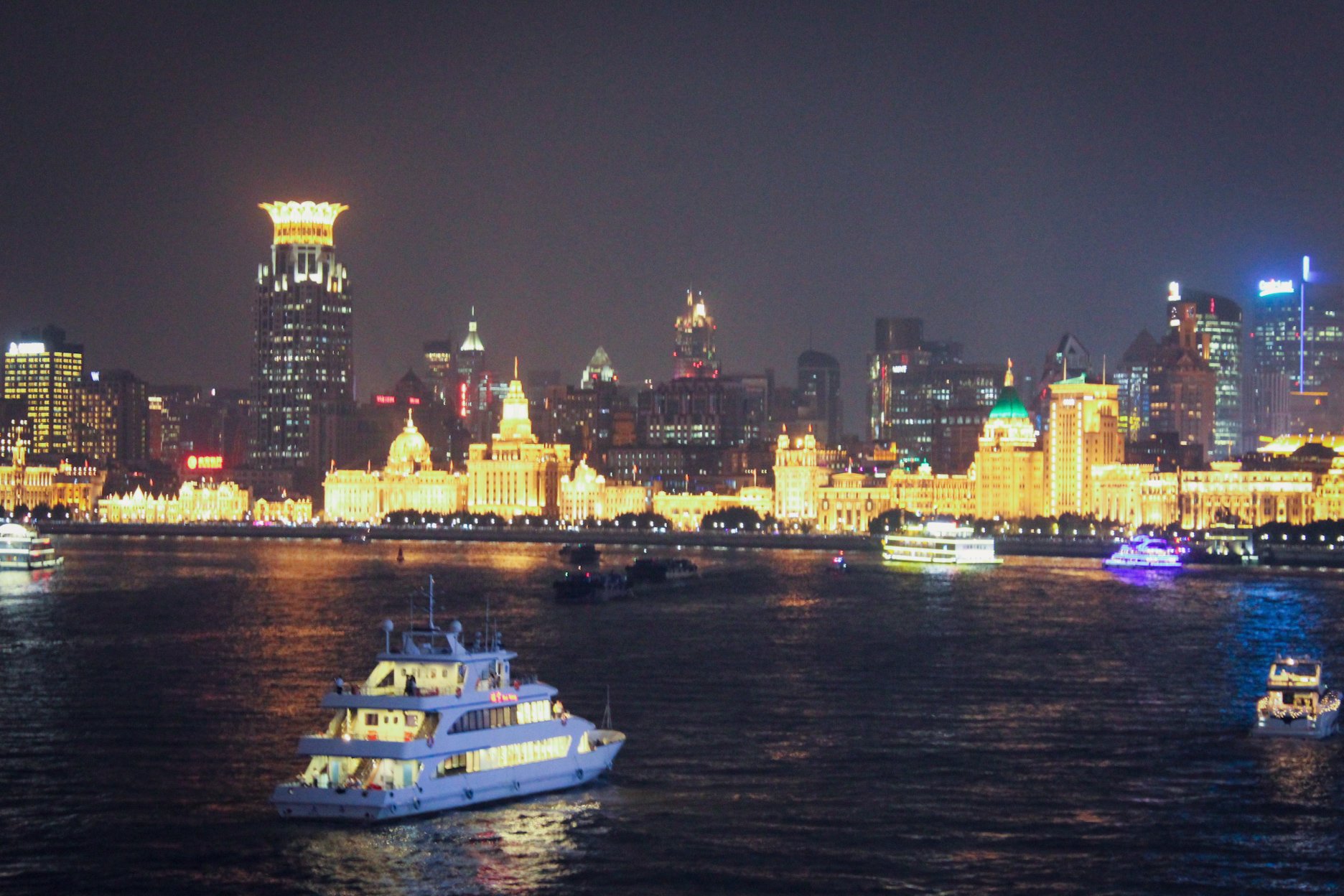
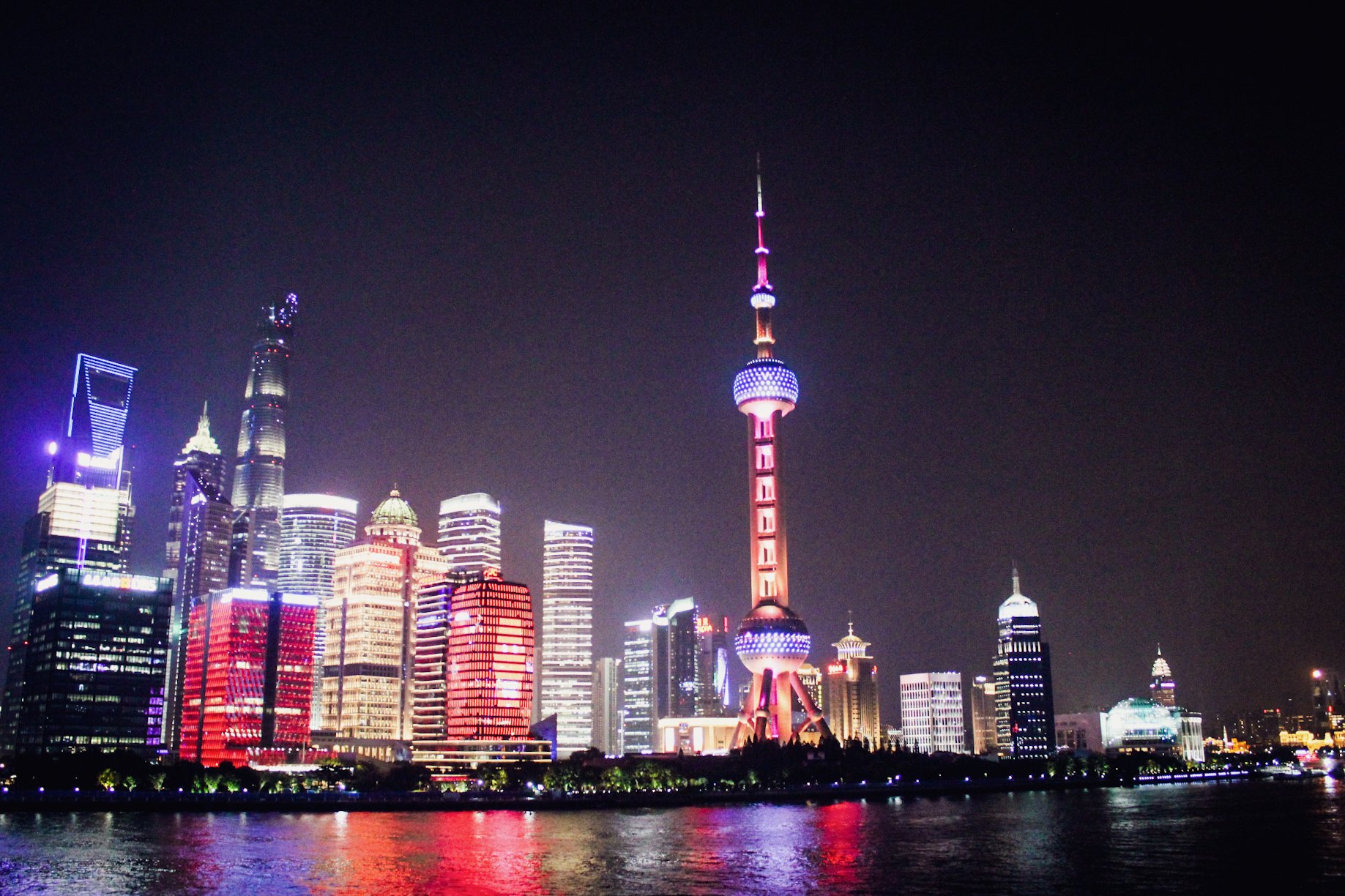
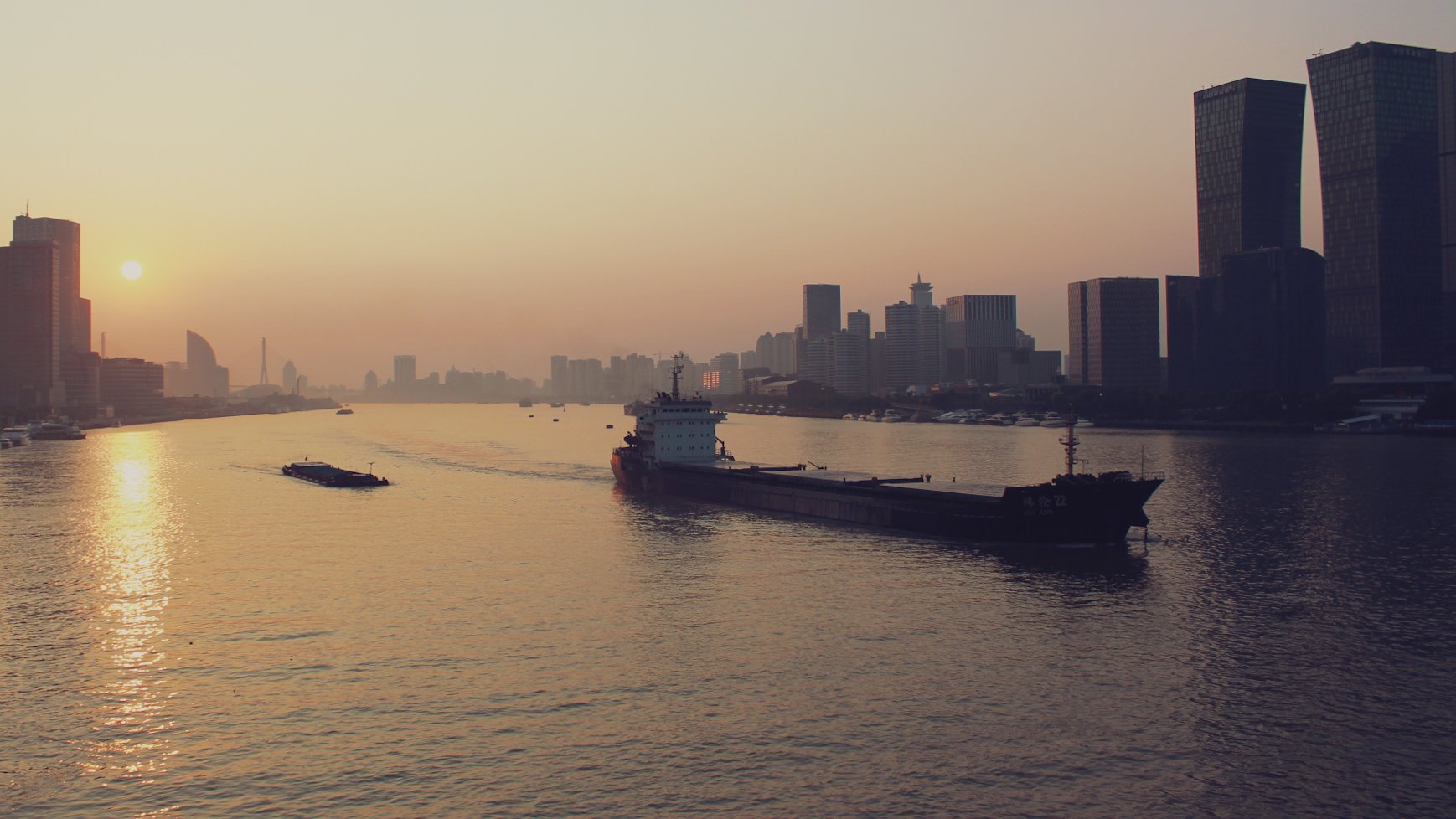
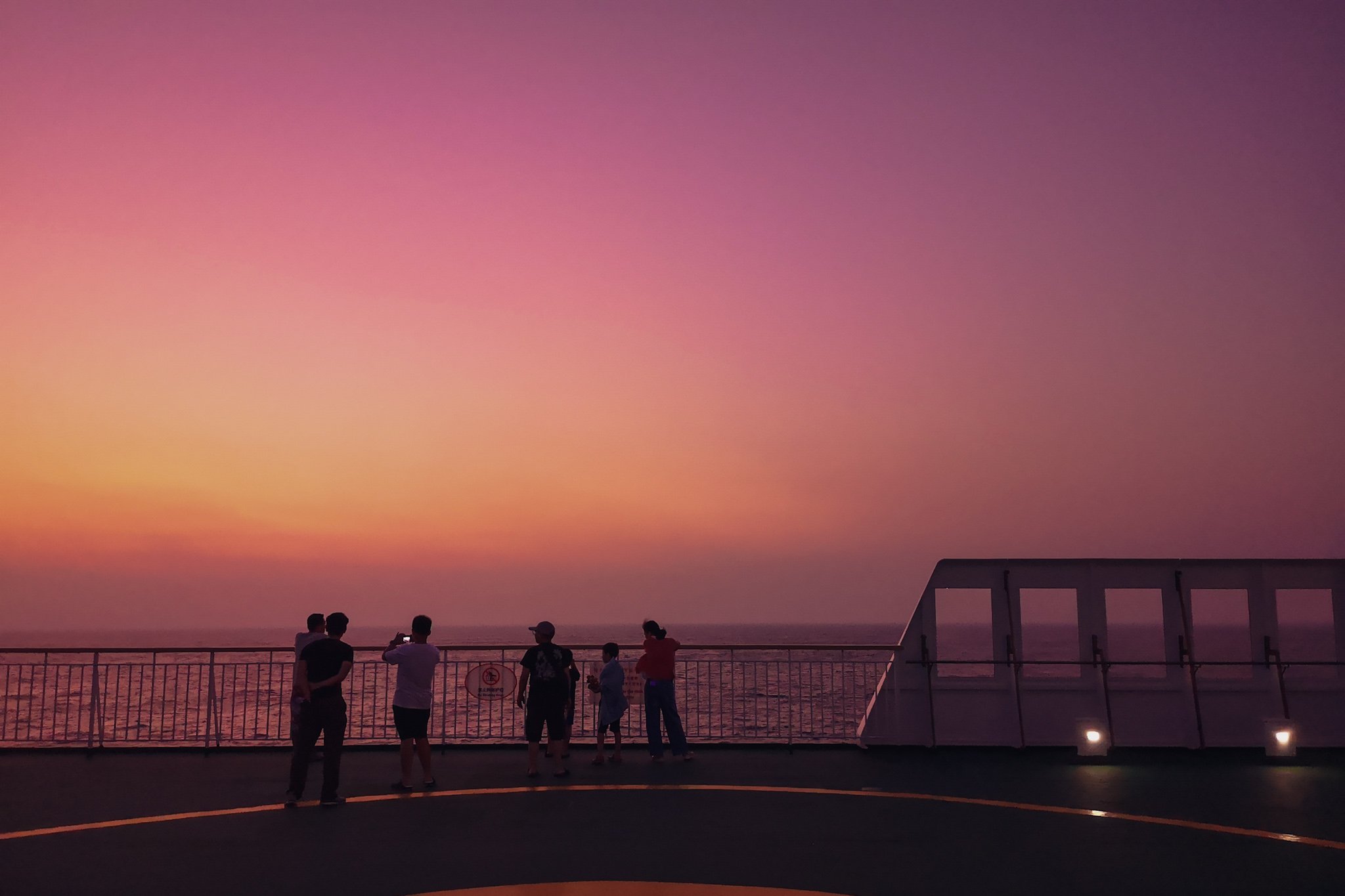
The crossing from Shanghai to Osaka (Japan) got choppy on the second day at sea. It might have been due to typhoon 10 (the Japanese don’t give names, just numbers). The typhoon had already delayed us from leaving Shanghai for a day. We had gone through passport control and officially left China and then we were stuck on the boat, spitting distance from Shanghai’s famous Bund. The plus side being I got to see the Bund at night and got to watch the ships coming and going through the world’s busiest port.
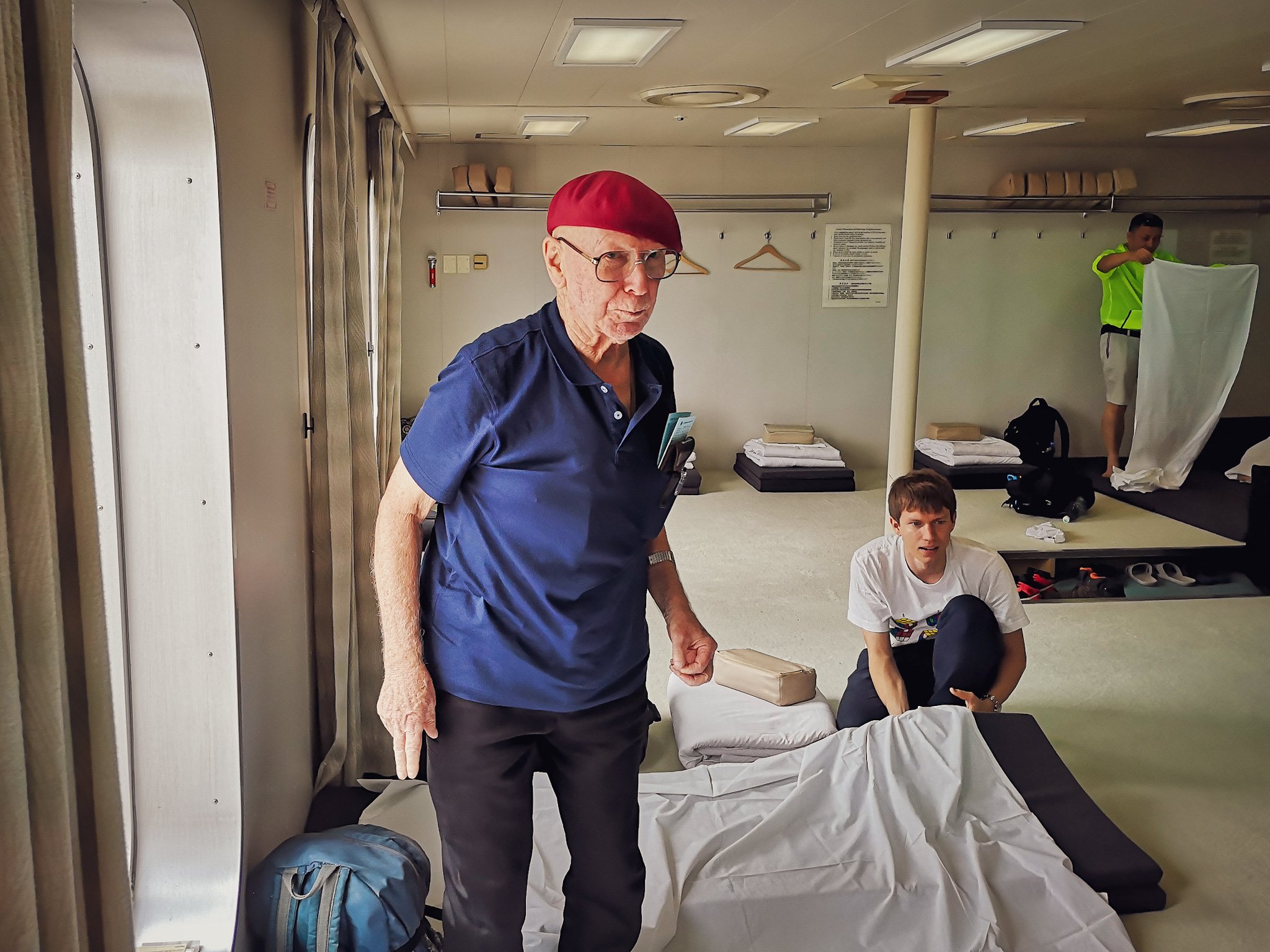
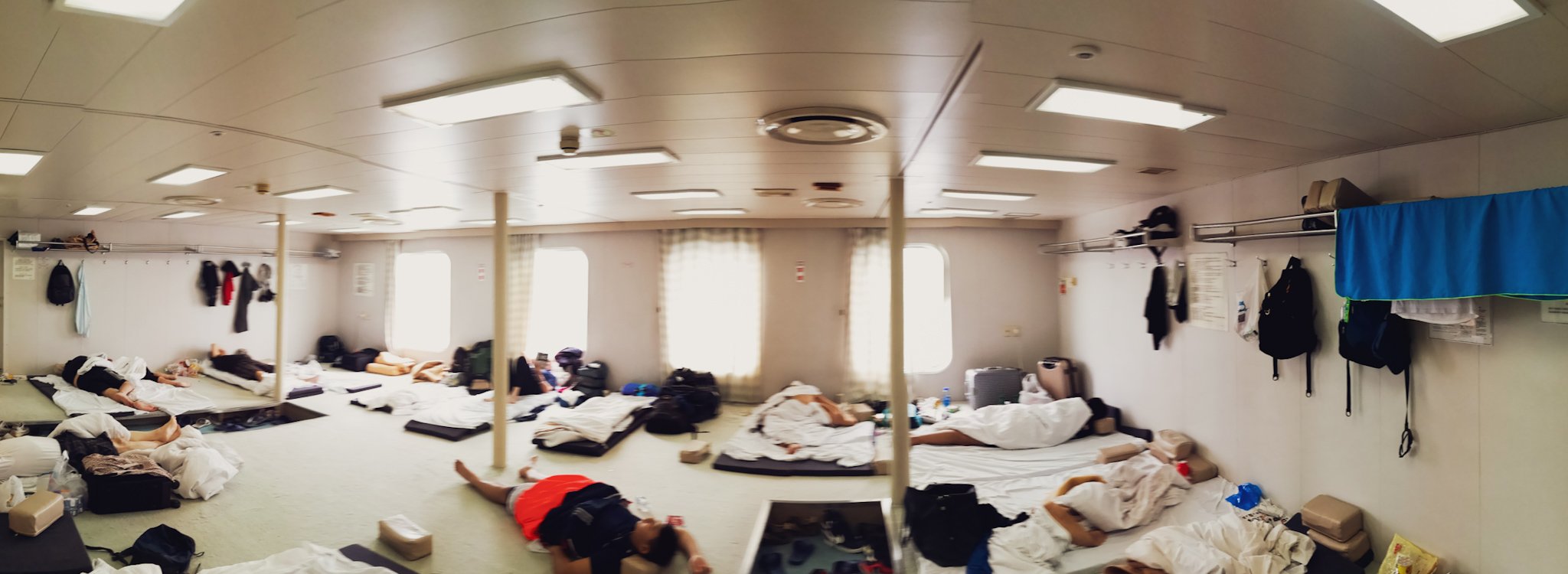
I chose to travel second class B which means sleeping in a Japanese style dorm which is just a huge open floor with no shoes allowed where we each get a futon.
There are 6 white people onboard. Myself, a Swiss German named Rafael, An 83 year old American, a French speaking mother and daughter from Moscow and an Italian cartoonist. Later I met Chenyi: a German born to chinese parents and speaks fluent Chinese, German and English. Other than that, the passengers are mostly Chinese with a few Japanese. I spoke to a pair of architecture undergrads studying in Shanghai who are off building spotting in Japan.
The boat is full of interesting characters. Rafael pointed out this is because everyone sane takes the plane. The most noticeable is a Chinese guy who always wears a gas mask and carries a huge rucksack everywhere he goes onboard. Chenyi asked him about it and apparently its for religious reasons. He keeps coming to me with 2 compasses pointing in different directions asking which way we’re going. The American is also a character. Me and Rafael both agreed he reminds us of The 100 Year Old Man Who Climbed Out of the Window and Disappeared. He has tales from seemingly every country.
The food was mediocre and the gamesroom was locked. Chenyi, Rafael and myself passed the time by propping up the bar until the ludicrously late hour of 9pm when they kicked us out. They had a collection of empty spirit bottles and only sell beer (tsingtao or asahi) and a karaoke machine for 100¥ a song which broke on the last night. We made friends with Sansa, one of the young ladies working on the boat who is apparently not a fan of Game of Thrones.
After the swell of Thursday afternoon that sent everybody running to the bathroom or to bed, we wake to the American pointing out “Land Ho!” as Japan is now in view.
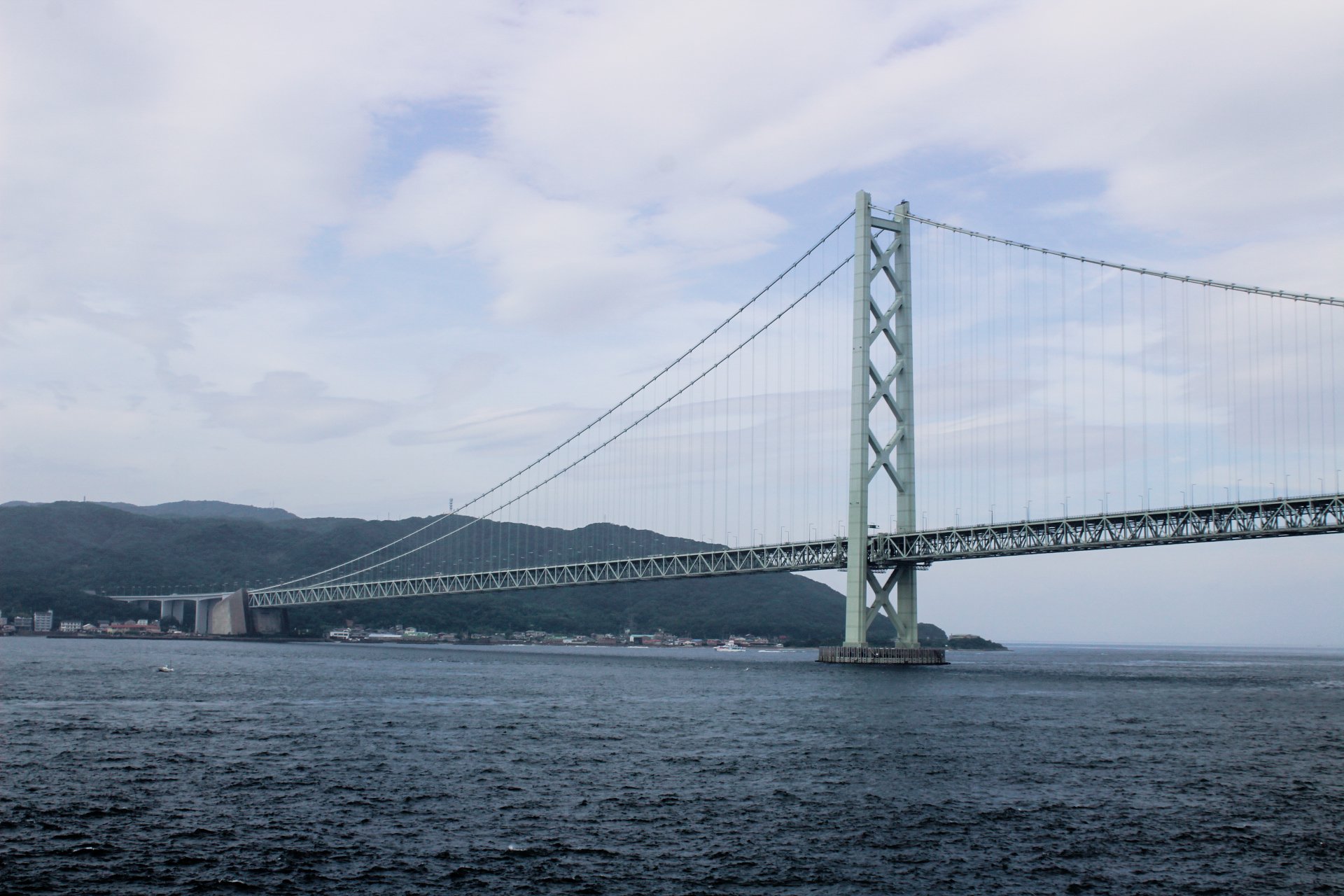
Coming into Japan the sea calms dramatically as we go between the two islands. We pass under several huge bridges as night falls and we gaze out at the industrial seaside of Fukuoka. We come so close at points to the shore that I feel like jumping off and swimming to land to get to Japan 12 hours early! At least there is phone signal here. I’m looking forward to the seafood in Osaka!








 Eastward Ho!