Personal News
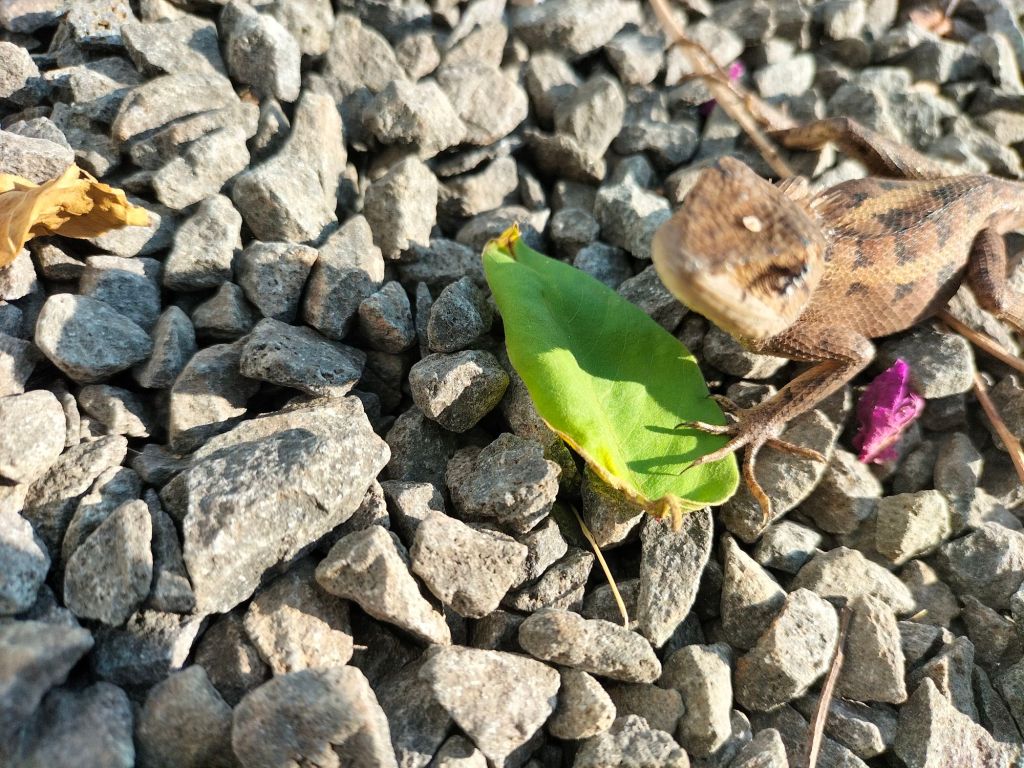
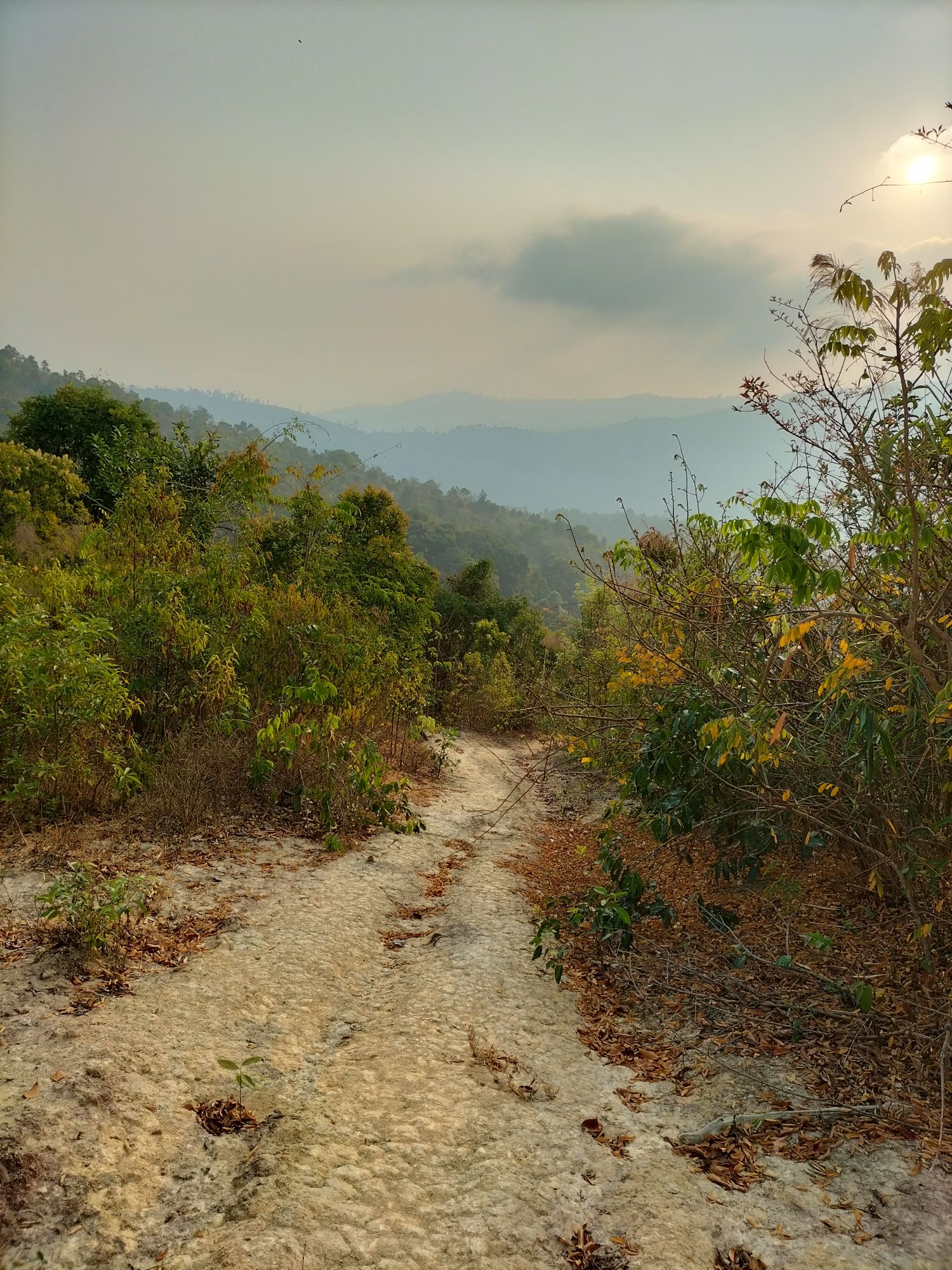
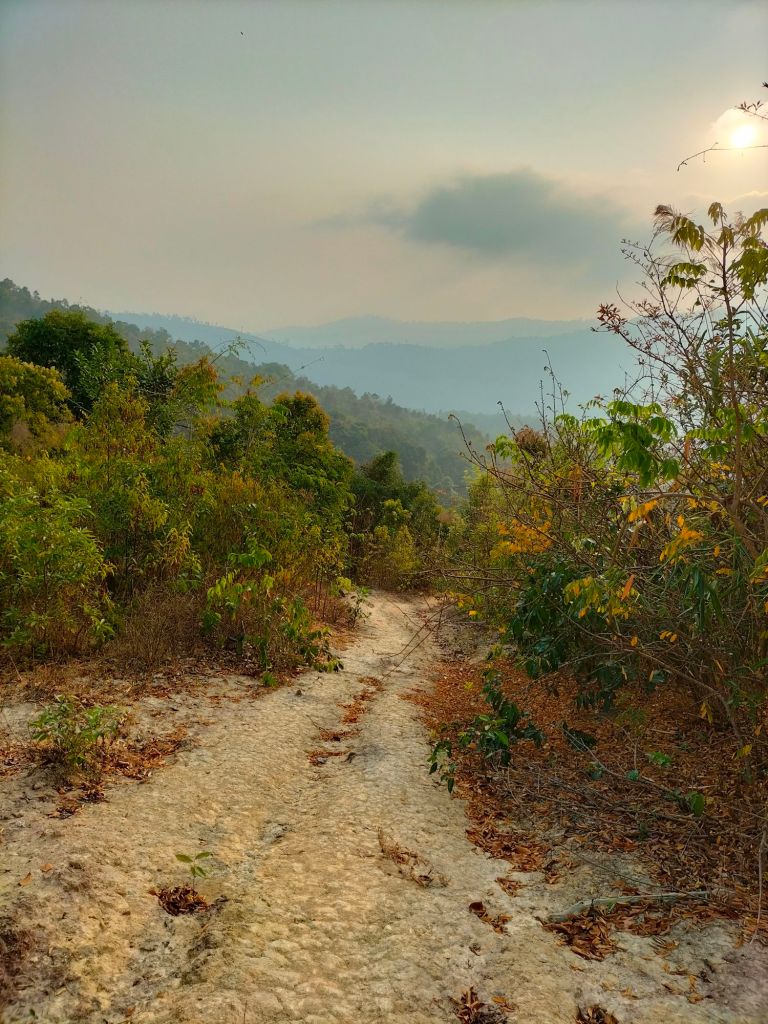
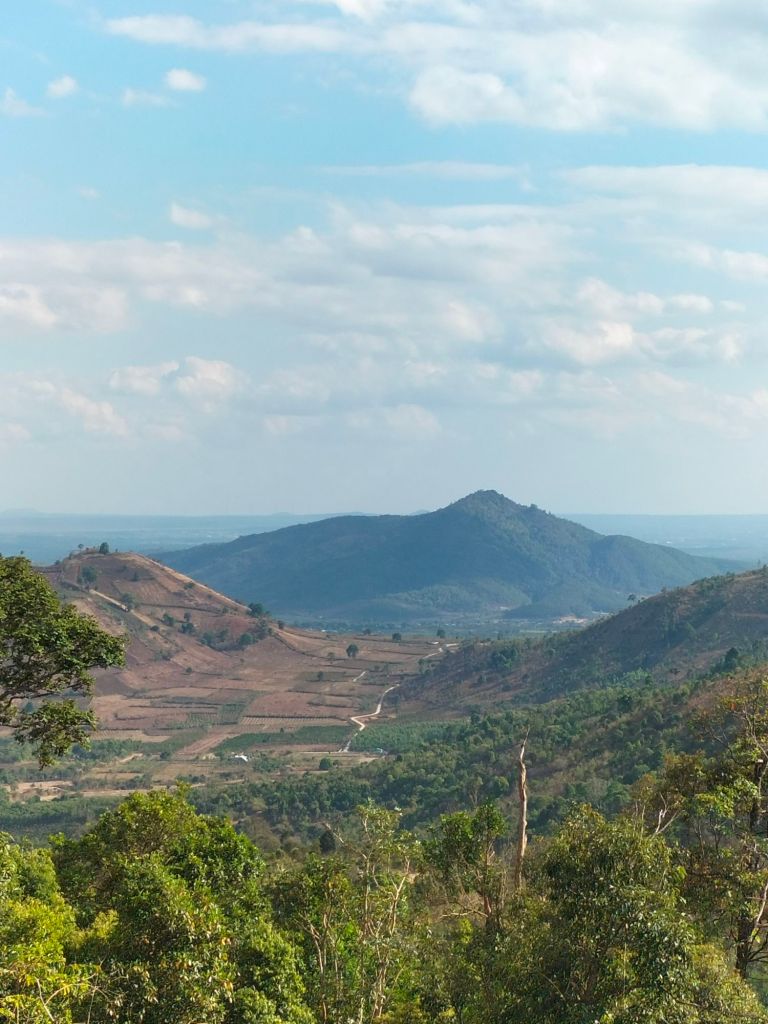
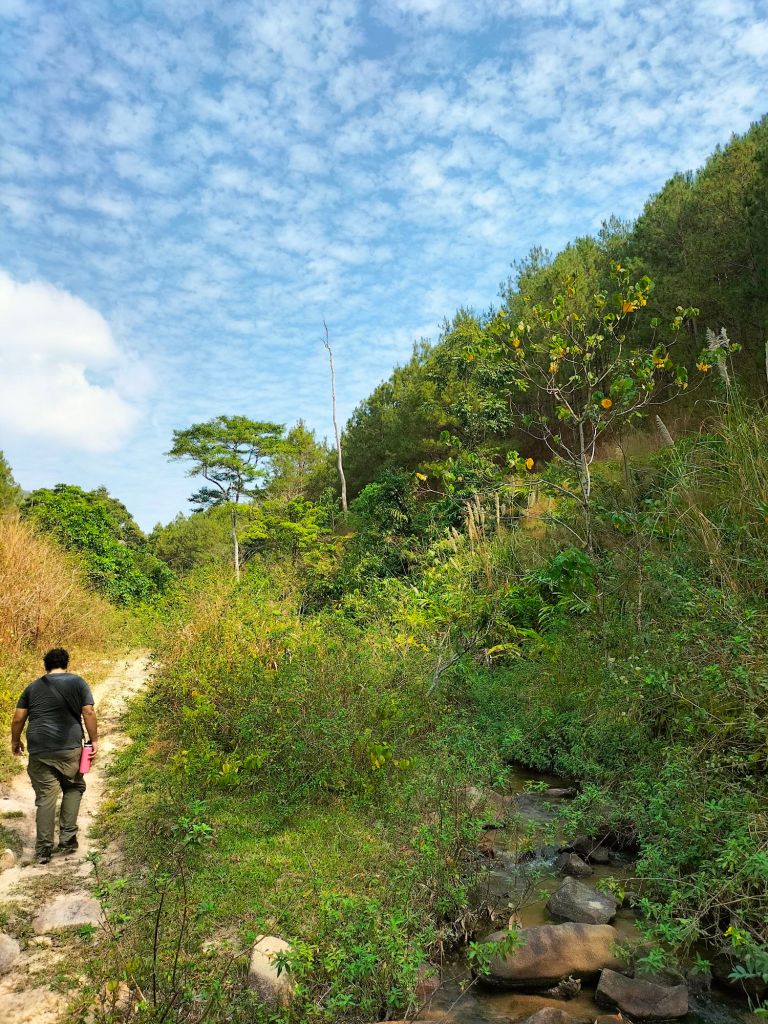
Exciting news to kick things off: I finally got my new visa! With a generous two-year validity, it’s a weight lifted off my shoulders. It’s been quite the ordeal, in the past I could always do visas in Saigon but they changed the rules so all visas must be done locally. The adjustment has been a learning curve for everyone involved, even the local immigration department. While the visa saga has kept me busy, sadly my hiking adventures have been on pause. So, apologies, no new nature shots to share at the moment.
In other news, brace yourselves for tales of adventures when my cousin Henry and his partner Grace arrive in Vietnam next month! We plan on meeting down south, maybe seeing some mangroves and Viet Cong tunnels – it should be a good introduction to Vietnam to set it apart from Thailand and Cambodia.
Projects
The Jrai language is the primary language of Yumi’s family and I’ve been spending a lot of time on it recently. I’m passionate about minority languages and I’ve started digitizing the Jrai language books in my possession. I aim to share these treasures with the world by putting them online and uploading them to websites such as Glosbe and Wiktionary among others. I hope to make resources more accessible to learners, native speakers, and fellow enthusiasts.
Glosbe, a great online dictionary, champions numerous minority languages. One of it’s best features is the ability to link translations across languages, so when there is a Vietnamese to Jrai translation, it can show it in English too (or Navajo, Swahili or Basque). Glosbe also has a database of sentences with translations, to provide invaluable context. Already, I’ve begun uploading translations from my Jrai conversation book and I have also contributed approximately 8000 verses from the Bible, enriching Glosbe with Jrai translations.
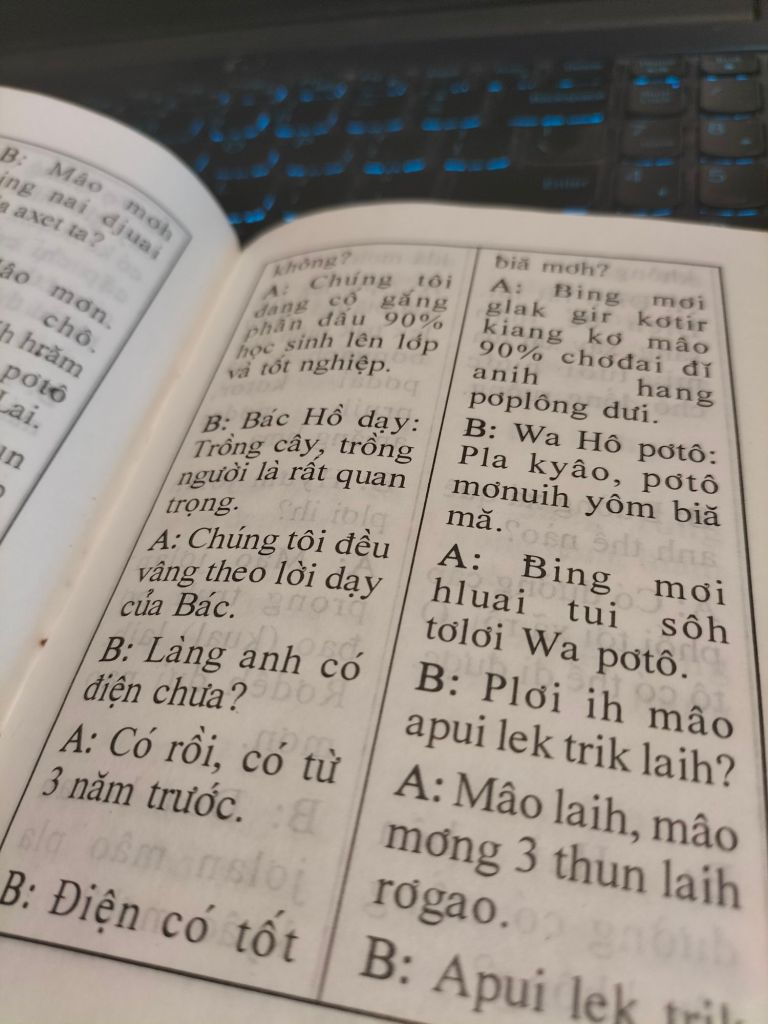
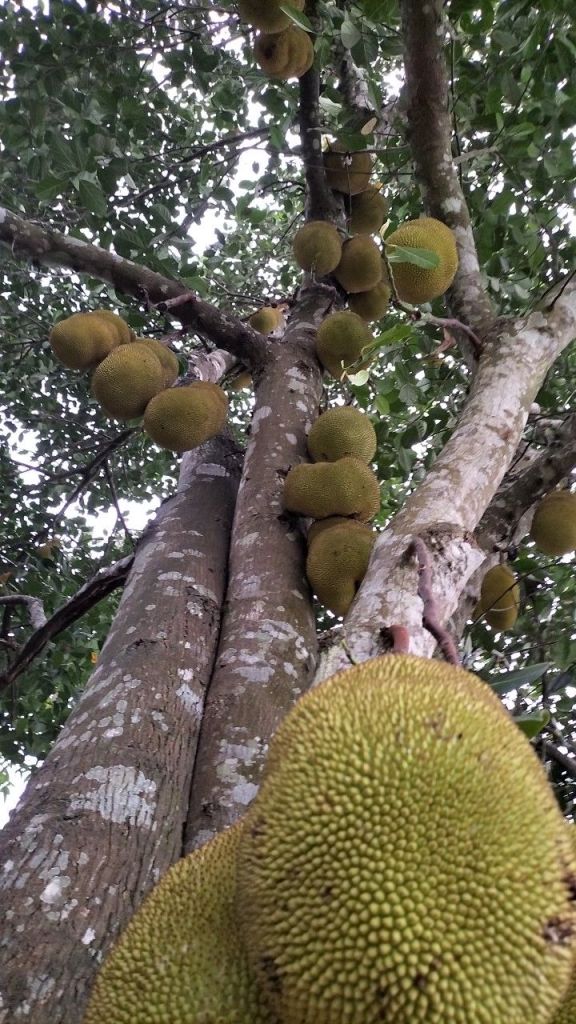
“Uncle Ho (Ho Chi Minh) teaches: cultivating trees, cultivating people are very important” (it’s catchiness pretty much translates into English but is completely lost in Jrai)
I hope to continue digitizing my Jrai books, it will take me quite a while even with the few books I have to type them up. Typing in Jrai was a challenge in itself that I’m going to write about next.
Minority Languages and Technology
Navigating technology in minority languages comes with its own set of hurdles. The Jrai alphabet boasts 41 characters including the standard latin alphabet plus letters like ƀ, ơ̆, and â̆. This presents a challenge when it comes to typing, given the limited number of keys on computer keyboards.
Dedicated individuals have developed innovative solutions to address this challenge. Platforms like Keyman allow users to create and share keyboards customized for various languages, including minority ones. It’s a remarkable project well worth exploring, available both as a web version and an app.
Moreover, some Jrai speakers have drawn inspiration from Vietnamese history, crafting solutions such as TNkey. Taking cues from Vietnam’s development of the telex system in the 1920s, this method involves typing specific sequences of letters to generate desired characters. For instance, typing ‘o’, ‘w’, and ‘r’ consecutively yields “ở”. While telex enjoys widespread support on modern devices, perhaps one day TNkey will follow suit.
Looking ahead, I think the next frontier involves developing a comprehensive modern phone keyboard. Unlike platforms like Keyman, a standard keyboard seamlessly integrates into various apps and offers features like word suggestions and autocorrect. Achieving this entails digitizing the language’s word list, a task I plan to undertake after digitizing my Jrai books.
There’s still a lot more I could write about regarding technology and minority languages. For instance, what happens when you set your phone’s language to Cornish? However, I’m going to save delving into those topics for another time.























 Eastward Ho!