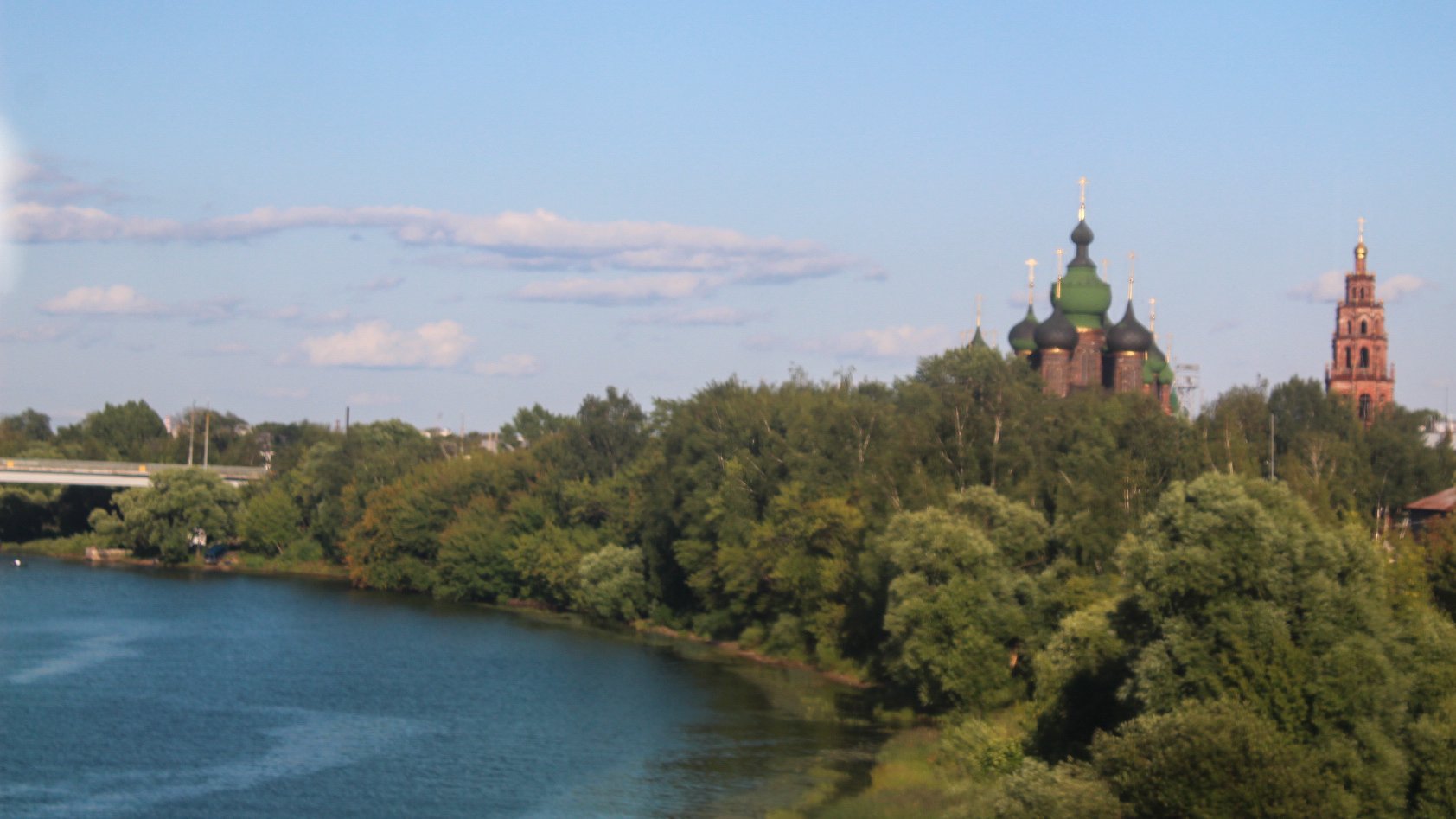
Same continent, a world apart

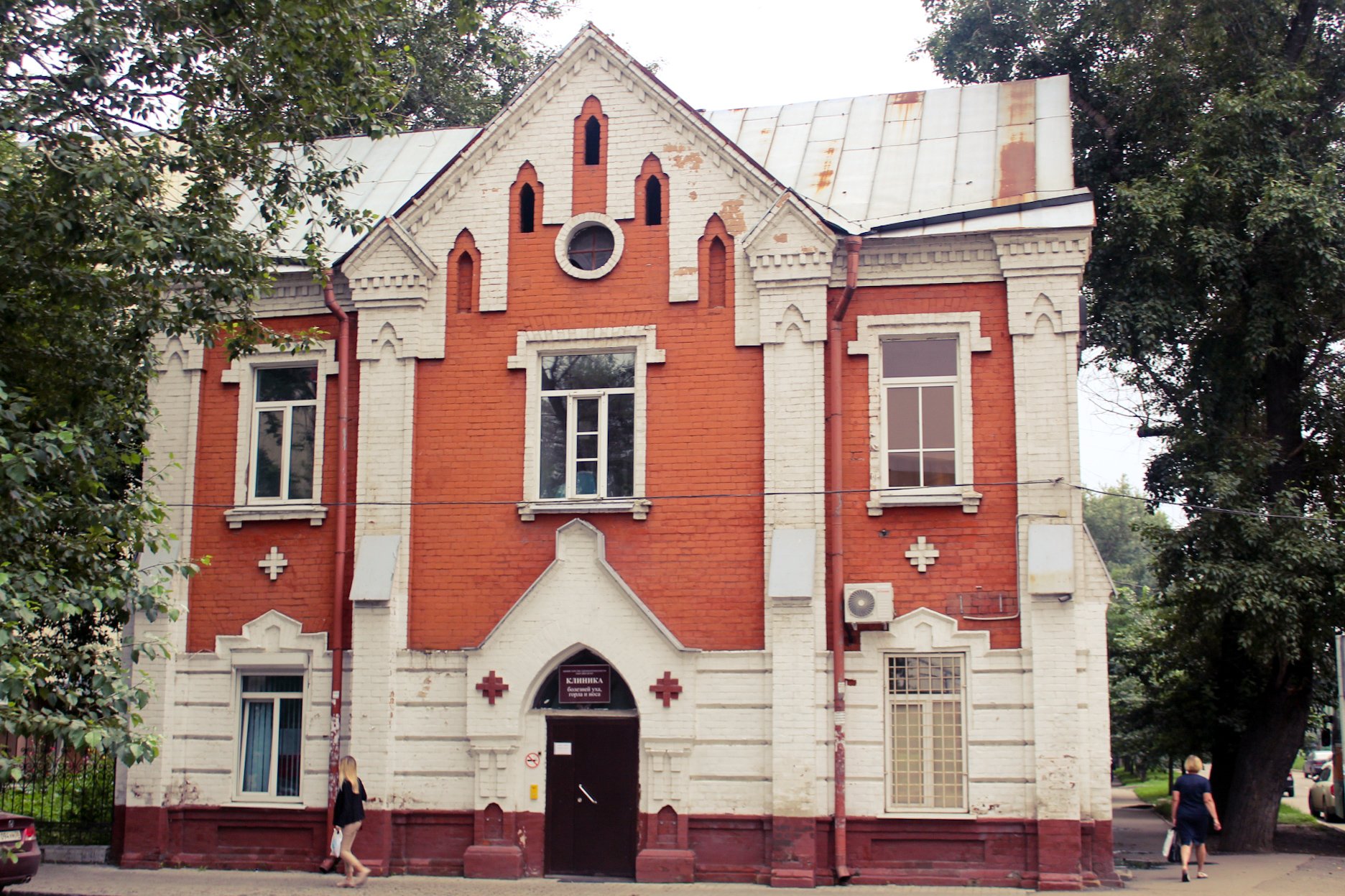
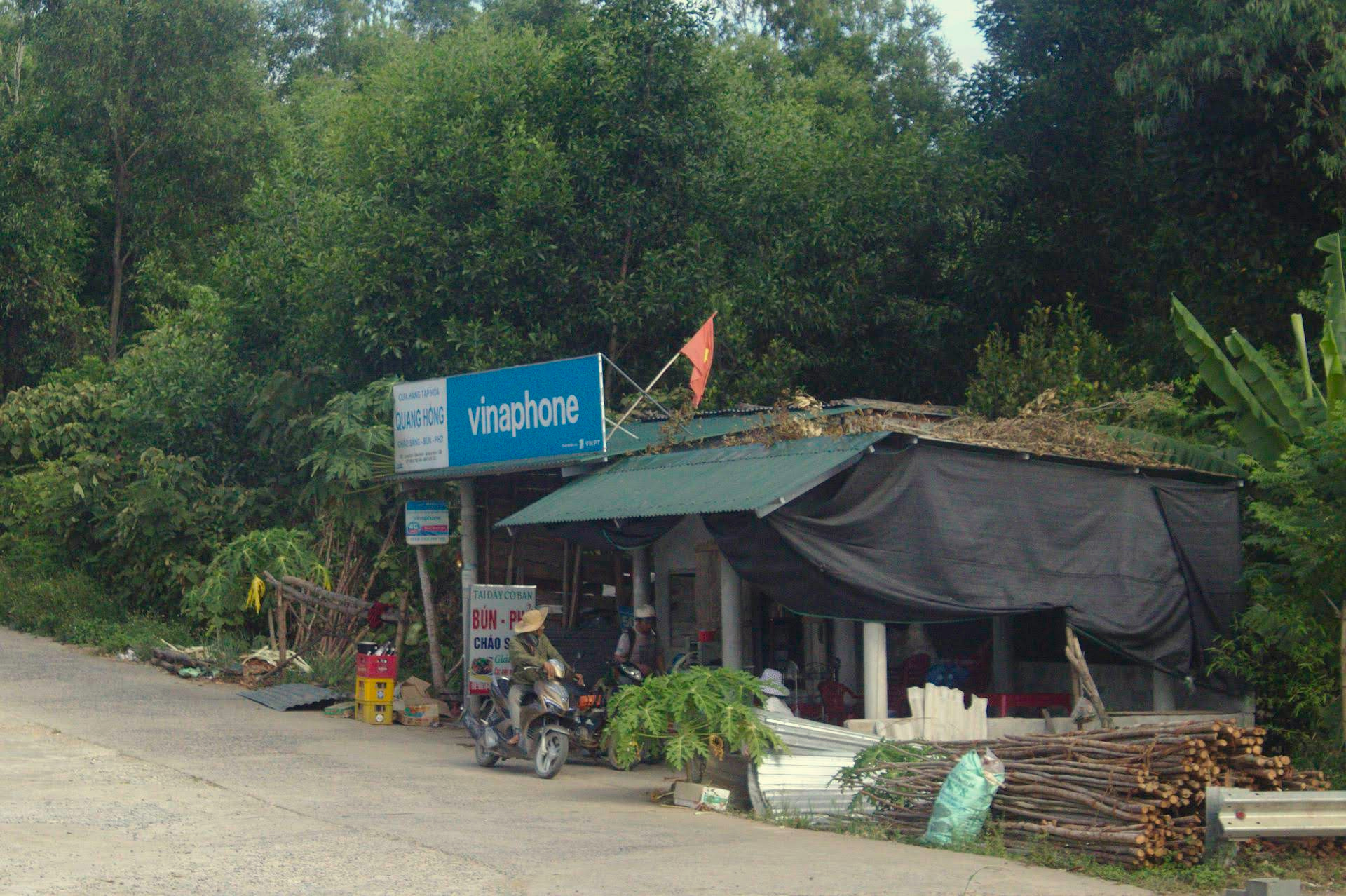
Harbin didn’t feel like it was far from Chita but the cities could hardly be more different (2024: it’s more than 1000km….I was getting very blase about long distances!). The quiet streets of Chita are only interrupted by the sound of a dusty, soviet era van puffing up the hill. In Harbin by contrast, the shiny German cars sit nose-to-tail in a 6 lane traffic jam next to the KFC.

I arrived at midday after a leisurely morning on the train. I said goodbye to my traveling companions who were all going straight through to Beijing and I set foot on Chinese soil for the first time. It was exciting having spent a year studying Chinese to finally be here!
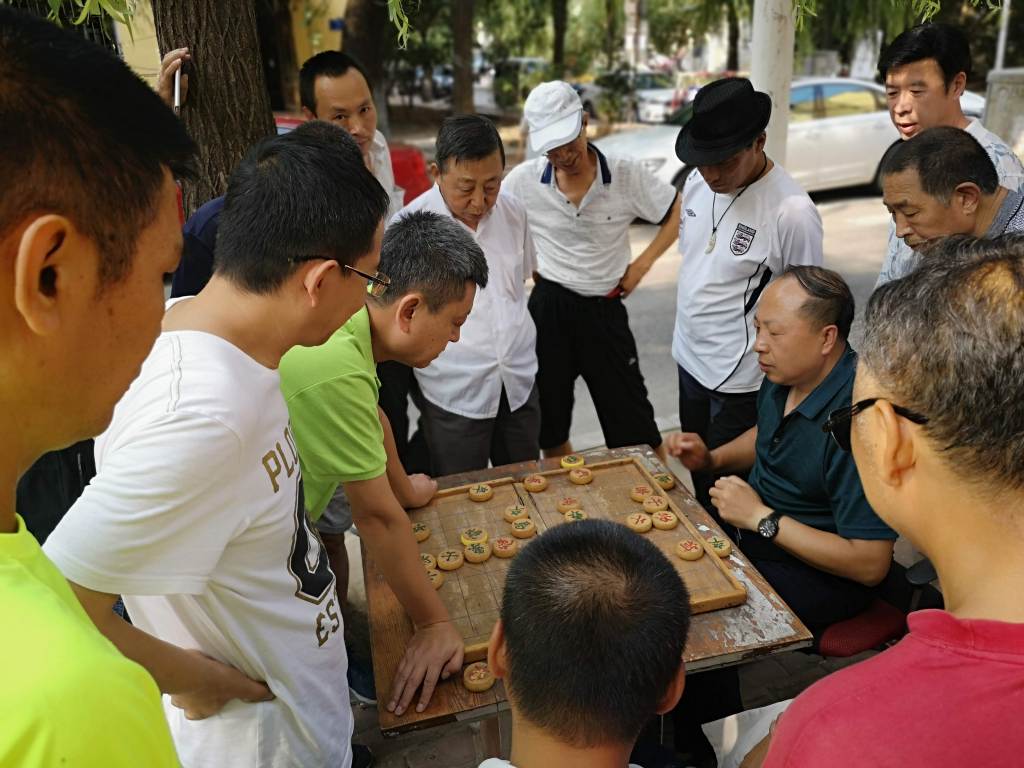
Intense game of Chinese Chess on the street! One of my favourite travel photos

I found a nice looking cafe with wifi and had my first experience of how bad the Internet is in china. Most apps I relied on in Russia are banned here such as Google translate and Google maps. Thankfully I’m prepared and have a maps app that will work offline (OsmAnd) and the best chinese dictionary app (Pleco)

It’s Friday night so I’m heading to the main street which is a sort of museum of European architectural styles. The souvenir shops are all selling russian dolls. This is because of Harbin’s connection to the transsiberian railway. In the past, the railway to Vladivostok went through China. Bringing hoards of russians to the sleepy fishing village of Harbin turning it into a major hub. Nowadays, the original train line stops at Harbin and goes no further east. The transsiberian skirts china to the North adding 400km to the route. The official transmanchurian route continues on a branch to Beijing.
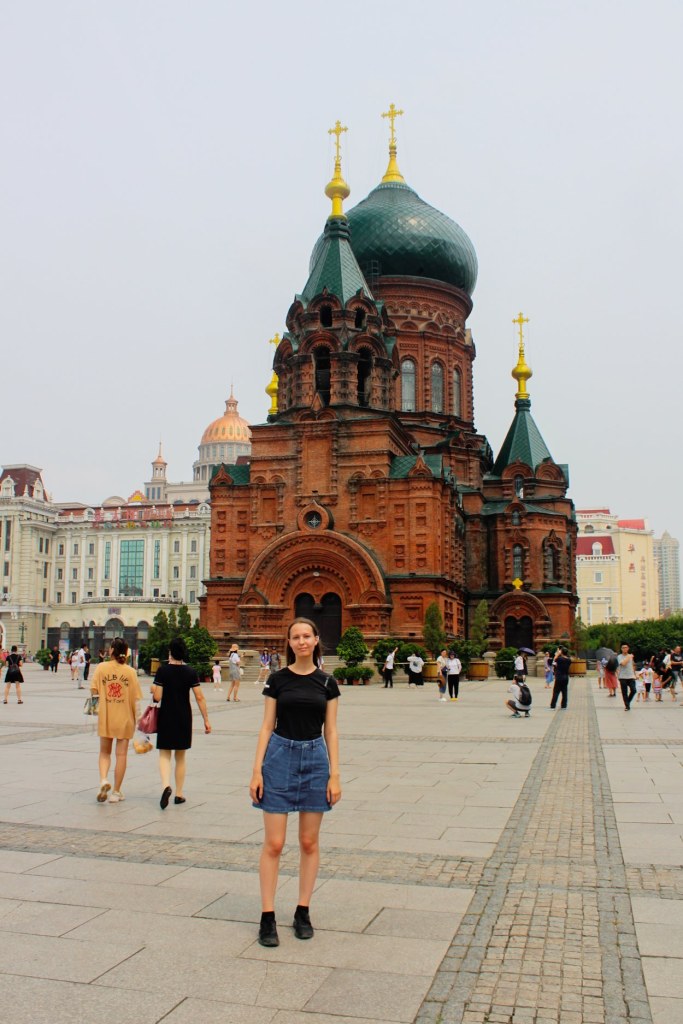
A russian student stuying chinese I met, standing in front of an onion dome church in china

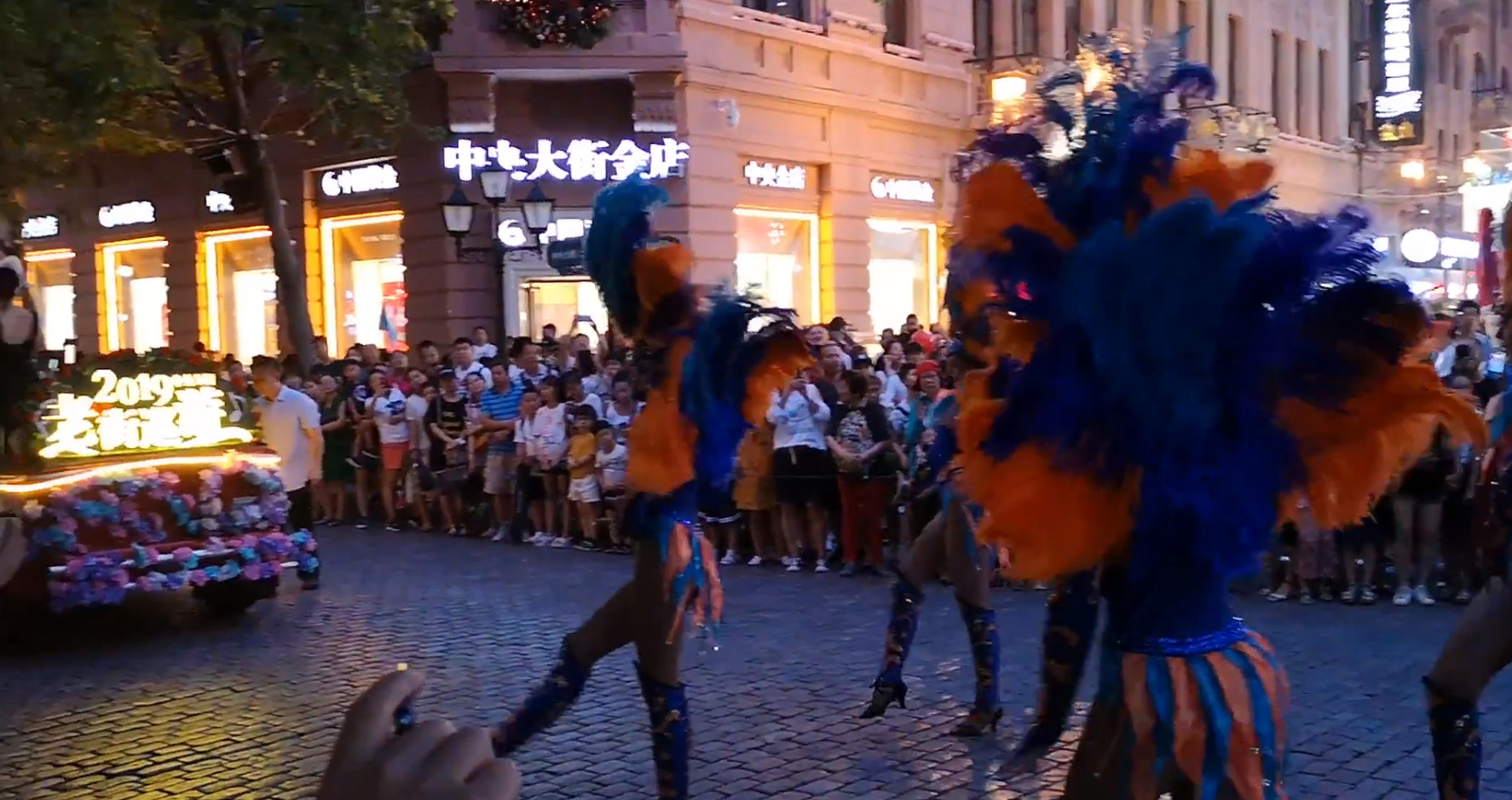
There is some sort of festival happening on the main street, with a parade and a lot of musicians. I wasn’t expecting to see a brass band here! (although it does include saxophones… ) There were women dancing in carnival style dresses. A mother in the crowd turns to her young boy and says in Chinese “look, there’s an American”, I interrupt her in Chinese “I’m not an American, I’m from England”. I felt proud of myself for being able to use my Chinese.

My first impression of China? Not great, but I did find some consolation off the main street where people are selling all sorts of fragrant street food. This is a huge cultural difference between Russia and the rest of East Asia. Some of the cuisine is familiar from my time in Taiwan, others are not and some look downright disgusting like insects and scorpions….

(2024: I think I stayed in Harbin 2 nights before continuing on to Shenyang. I was excited to be in China for the first time but in retrospective Harbin isn’t a particularly nice city)
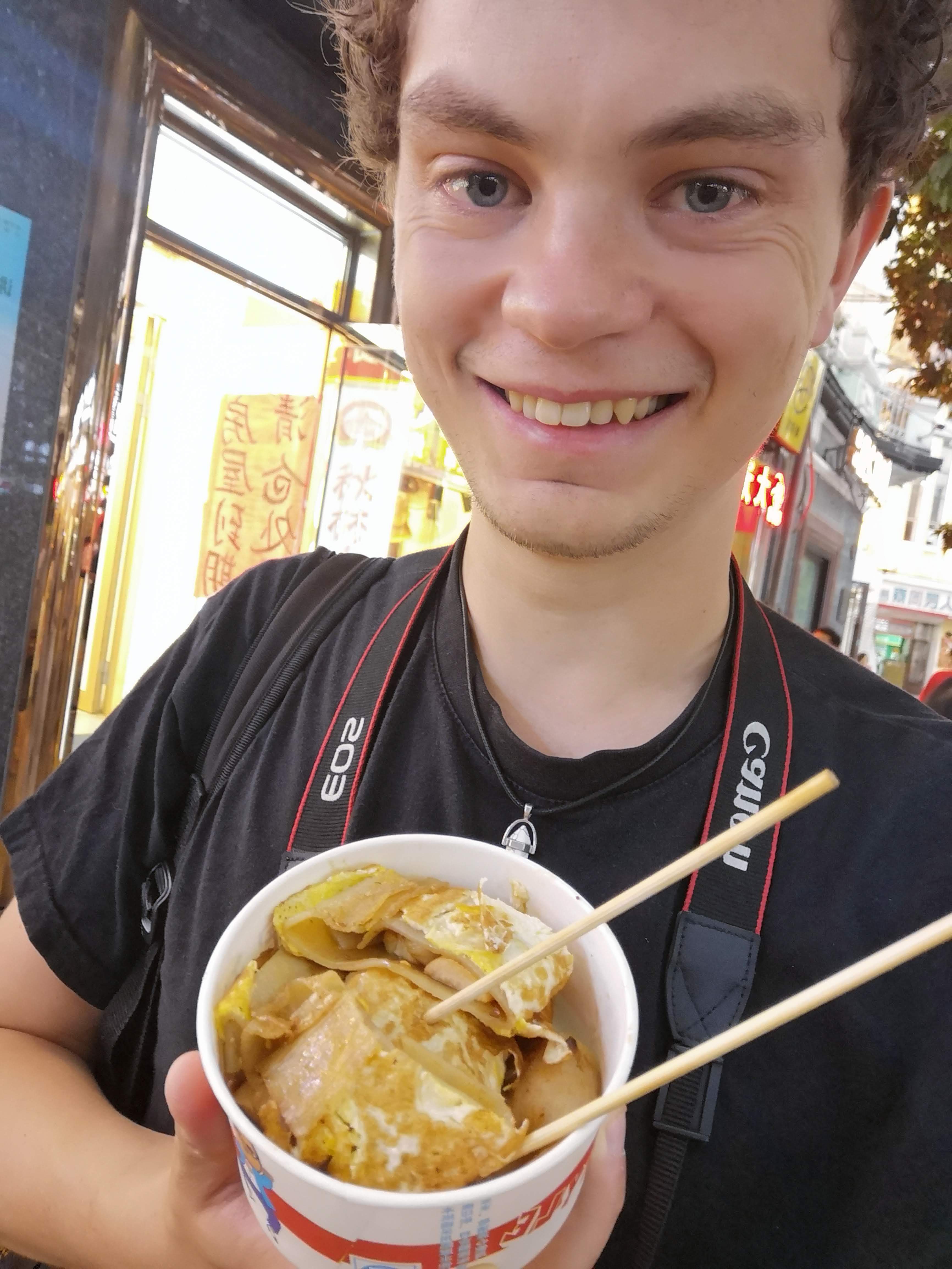
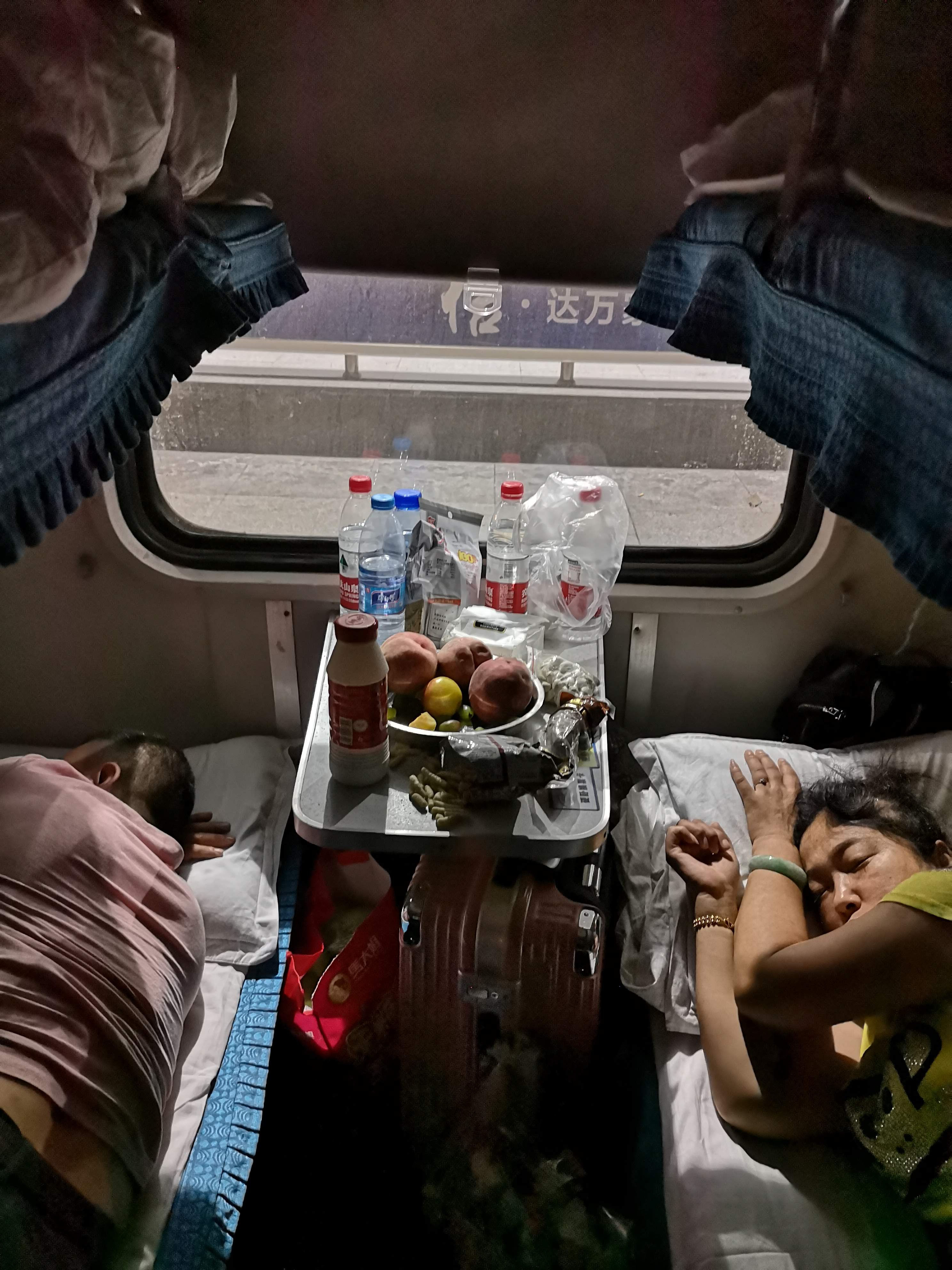
Das vadanya and ni hao

Drafted on 1st August.

It’s 6am and the view out of the window is very different from this time yesterday and we’ve not even gone far due to 10 hours sat at the border.

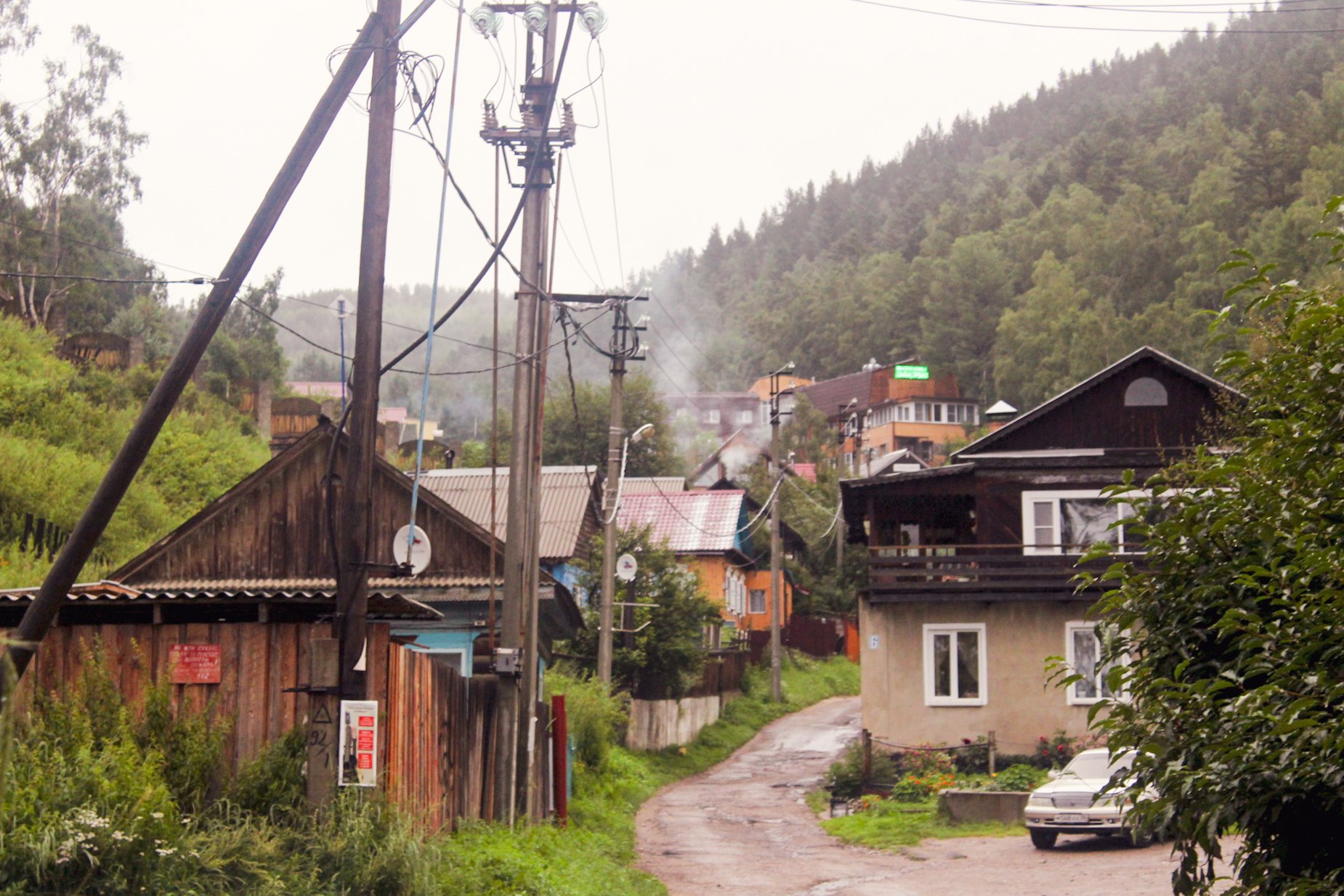
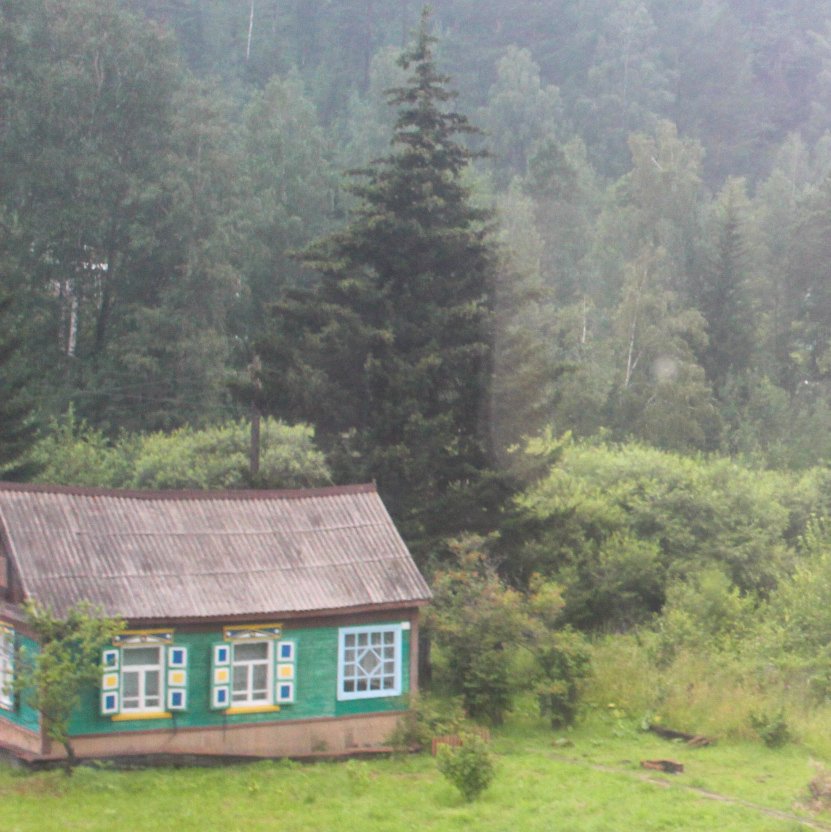
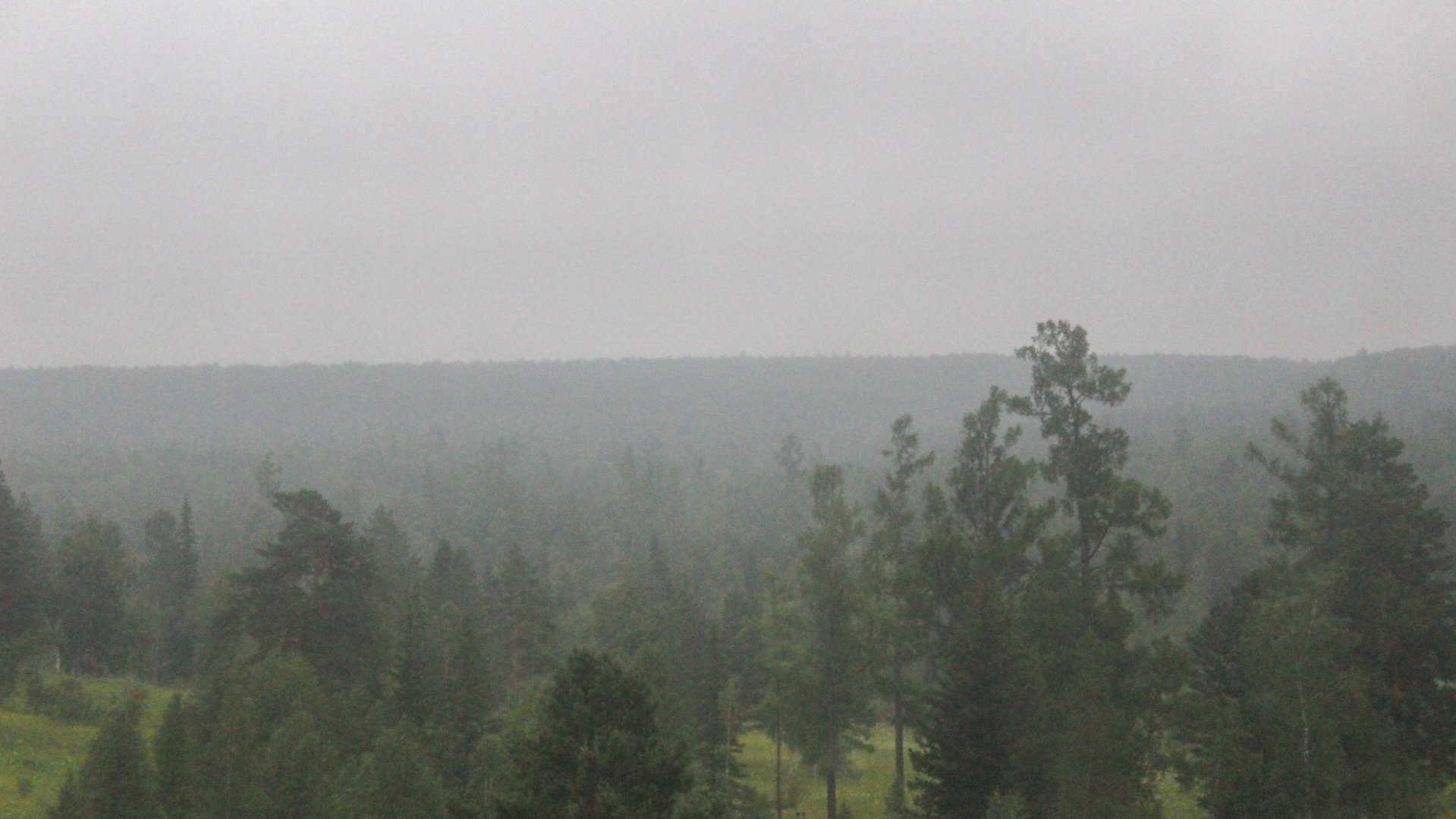
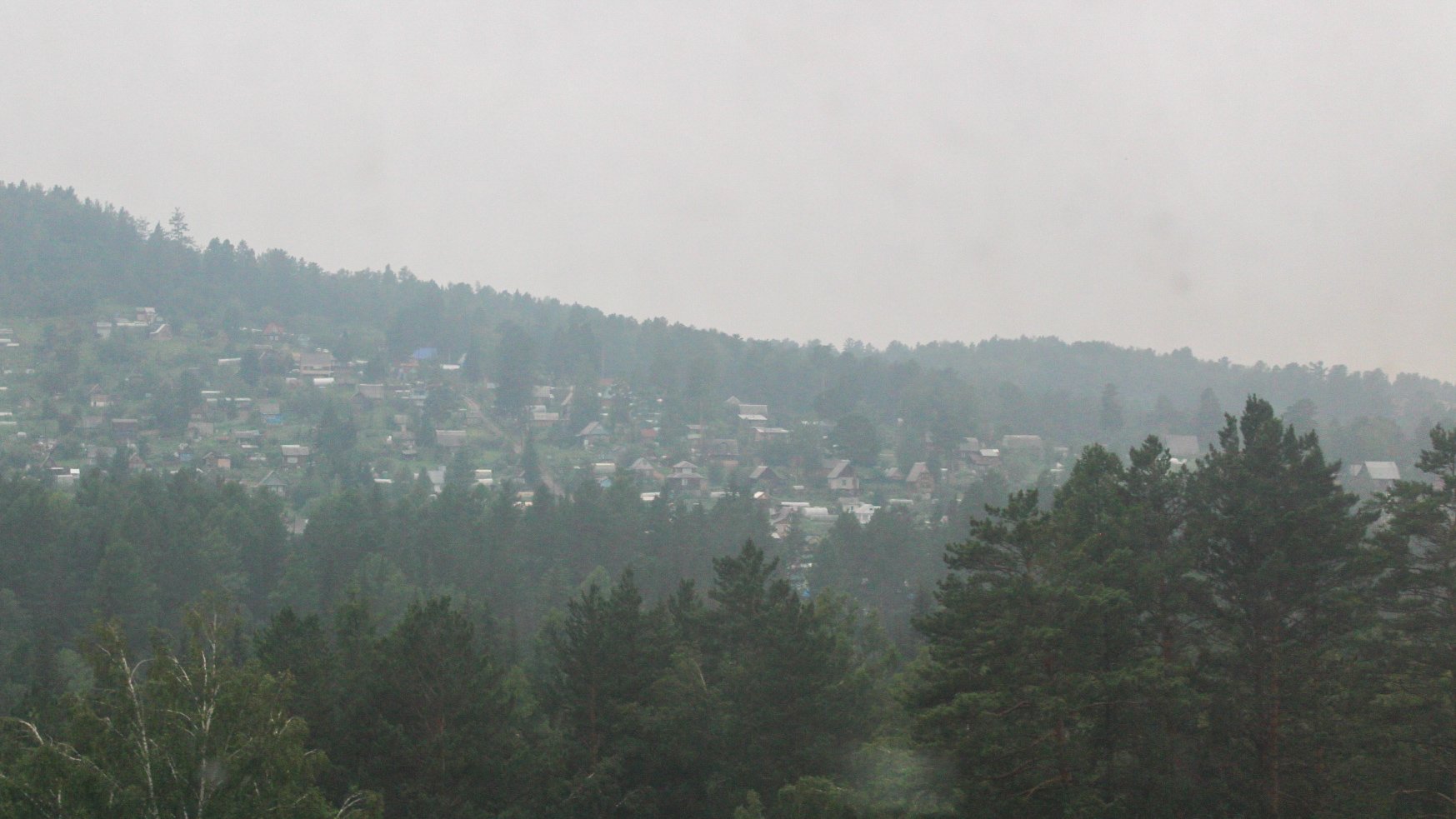
The picturesque wooden cottages of siberia have given way to cream buildings with bright blue corrugated roofs. The steppe has been replaced with fir trees and dramatic rock formations poking through the mist that look like they’re straight out of a traditional Chinese watercolour. I think this is the location of the observatory in Three Body (Chinese sifi novel I highly recommend).

I’ve always wanted to cross a border with passport control and customs etc without flying. Maybe its quicker in a car but the experience on the train was quite tedious. We stopped at a station called Zabaikalsky just on the Russian side of the border. The train got carted off to have the bogies changed for the different rail gauge and almost all the passengers headed away from the station.A small band of travellers and tourists were all that was left of the previously full train. A lot of them had been on the train since Moscow and were heading to the end of the line at Beijing. However Desmond, a programmer from Mexico, has done like me and made a lot of stops and travelled on a few different trains. He also quit his IT job in a large company to travel.

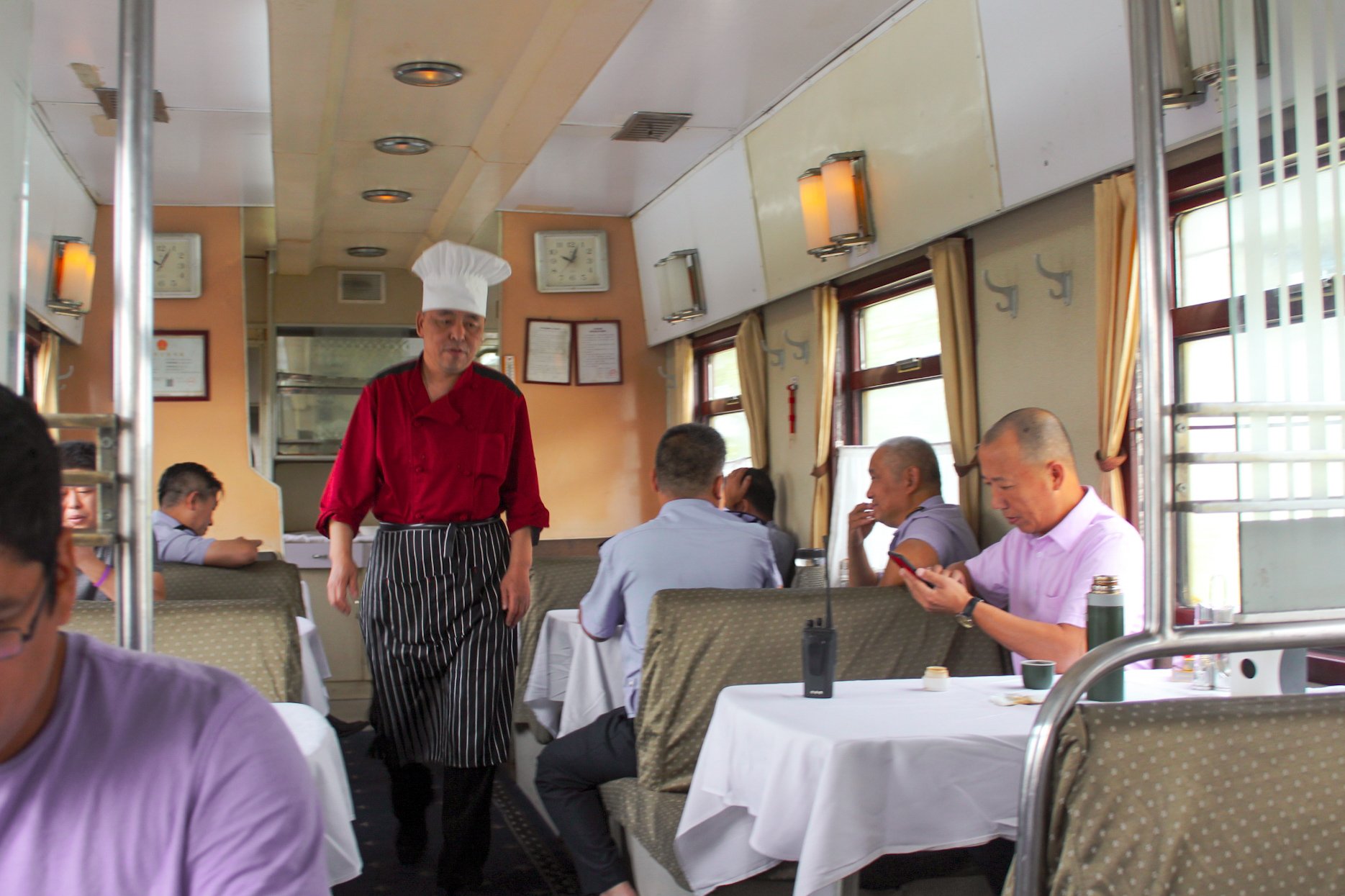
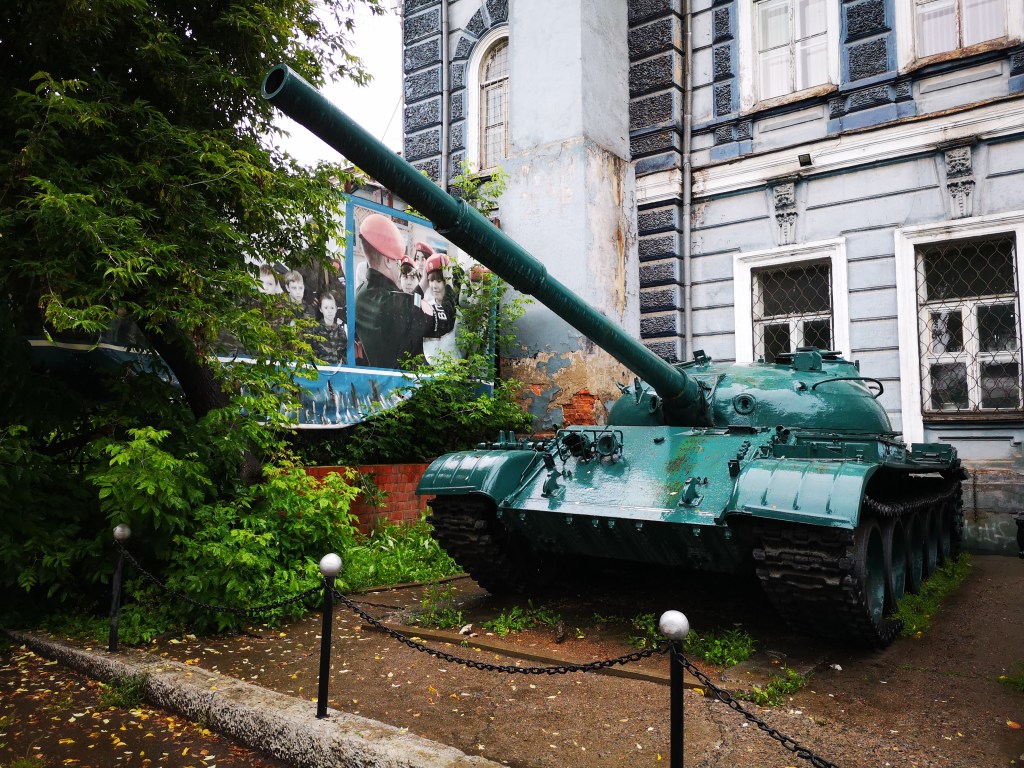
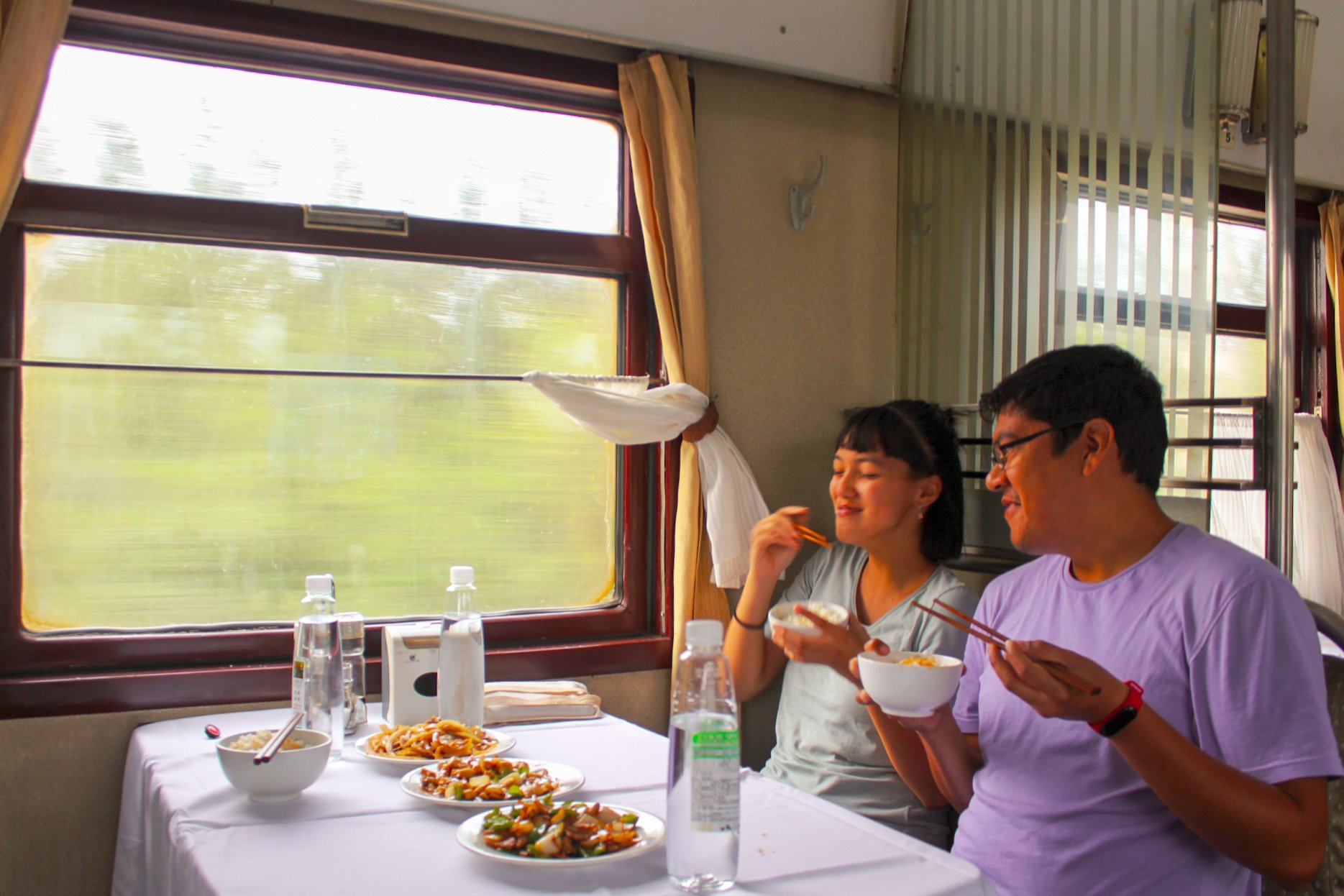
I spent my last 200 rubles on some delicious savoury pastry things and we decided to have a wander around the town. It seemed very bleak. There are a few corner shops and bars along the one dusty street. We got to the park where there was the obligatory T34. The hours did not fly by waiting there. When the train came back we could board and customs came to visit each of us in our cabins. They asked questions, brought a pack of sniffer dogs and what I’m sure was a gaiger counter clicking away as they checked everything including the curtains. Finally I got a passport stamp with a little picture of a train on it!At long last we rumbled across the Chinese border which is heavily fortified. We arrived at Manzhouli and some chinese officers came to check our visas and route through our bags. Then we’re shouted off the train and through immigrations. Anyone who stepped out of line (literally) was shouted at. I never thought I’d describe Russian security as relaxed but that’s how it seems now by comparison.After customs we waited at the station for 5 hours. There were no shops or cafés. The icing in the cake is that the train has no hot water when the engine isn’t running. The guidebook says that crossing the border takes a few hours but none hint at what an ordeal it is. I wonder if it’s more slick going via Mongolia where a lot more tourists go.After the tedium of yesterday I’m feeling happy and excited again now with the thrill of travelling. I’m now the only person in my cabin which is nice for a change but I prefer the liveliness of third class. Out of the English speaking tourists on the train I’m the only one who travelled third class and everyone is envious as I regale them with stories.Soon I will be going to the dining car for breakfast with Desmond which makes me feel like I’m in an Agatha Christie novel. Then at lunchtime (a mere 6 more hours on a train seems like nothing now) I’m alighting for my first Chinese city experience!Until I arrive in Japan on the 15th I won’t be able to use WhatsApp, Gmail, LINE, Instagram etc. If you really need to contact me you can do it on wechat (you’ll need to create an account).
Buryats, buuz and booze

The guidebook didn’t have anything nice to say about Chita and everyone in Irkutsk told me there was no point stopping here too. But here I am eating buuz in a yurt, laughing and joking with a lively group of Buryats and having the time of my life.

The transsiberian between Irkutsk and Chita skirts Baikal which should have given spectacular views except that it was very foggy. The only major stop is Ulan-Ude, the capital of Buryatia, republic of the Buryats. Buryats are an aboriginal people to Siberia. Historically they have a strong historic connection with Mongolia so have a similar nomadic lifestyle, language and food. I got off there briefly in the middle of the night to buy some food and right away saw two women in matching traditional Mongolian dress beaming at me as they swaggered down the platform. This station is where the transmongolian branches from the transsiberian. There are souvenir shops selling naff souvenirs from both sides of the border. If you want a little plastic yurt and also a fridge magnet of Red Square, this is the place for you.

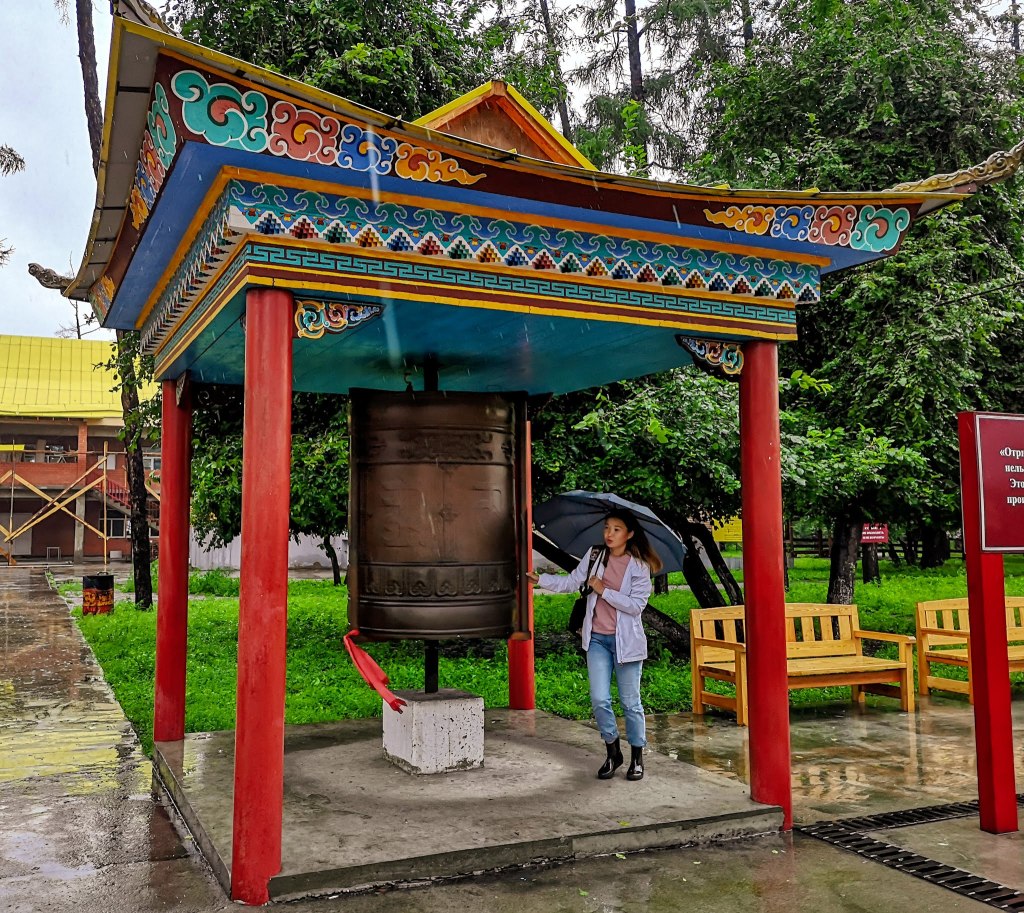
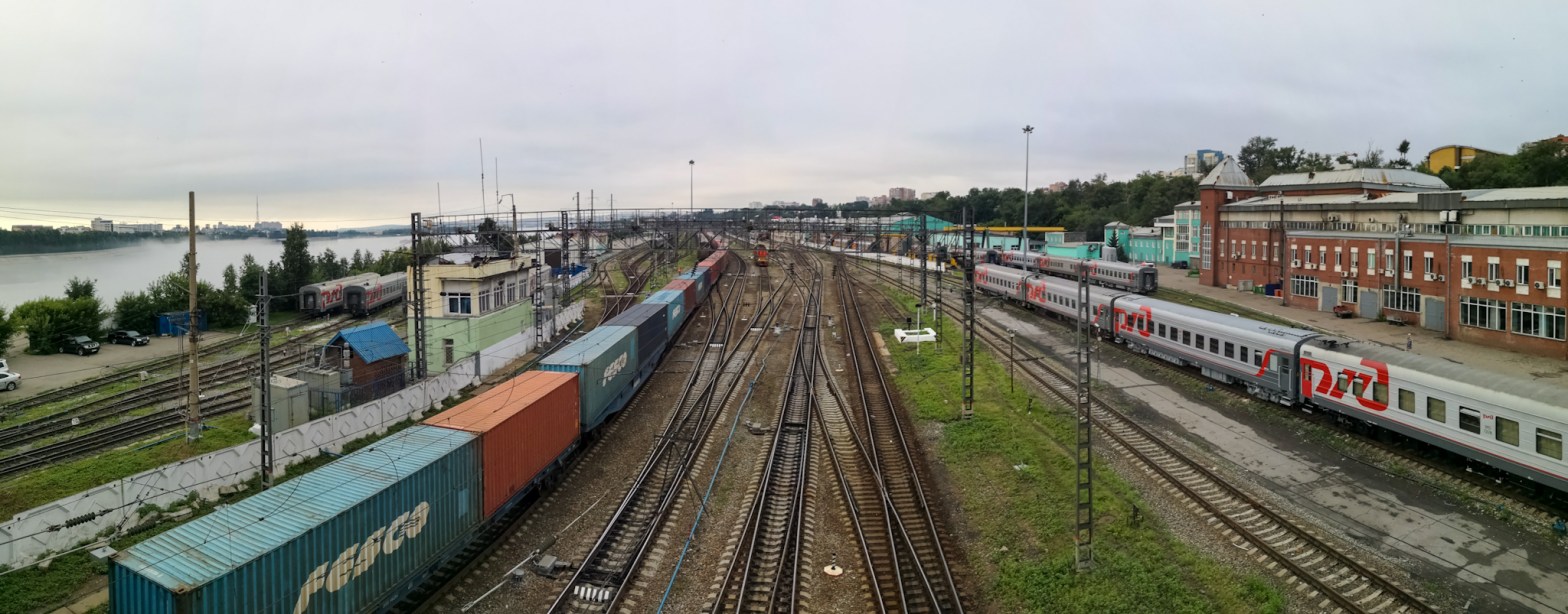
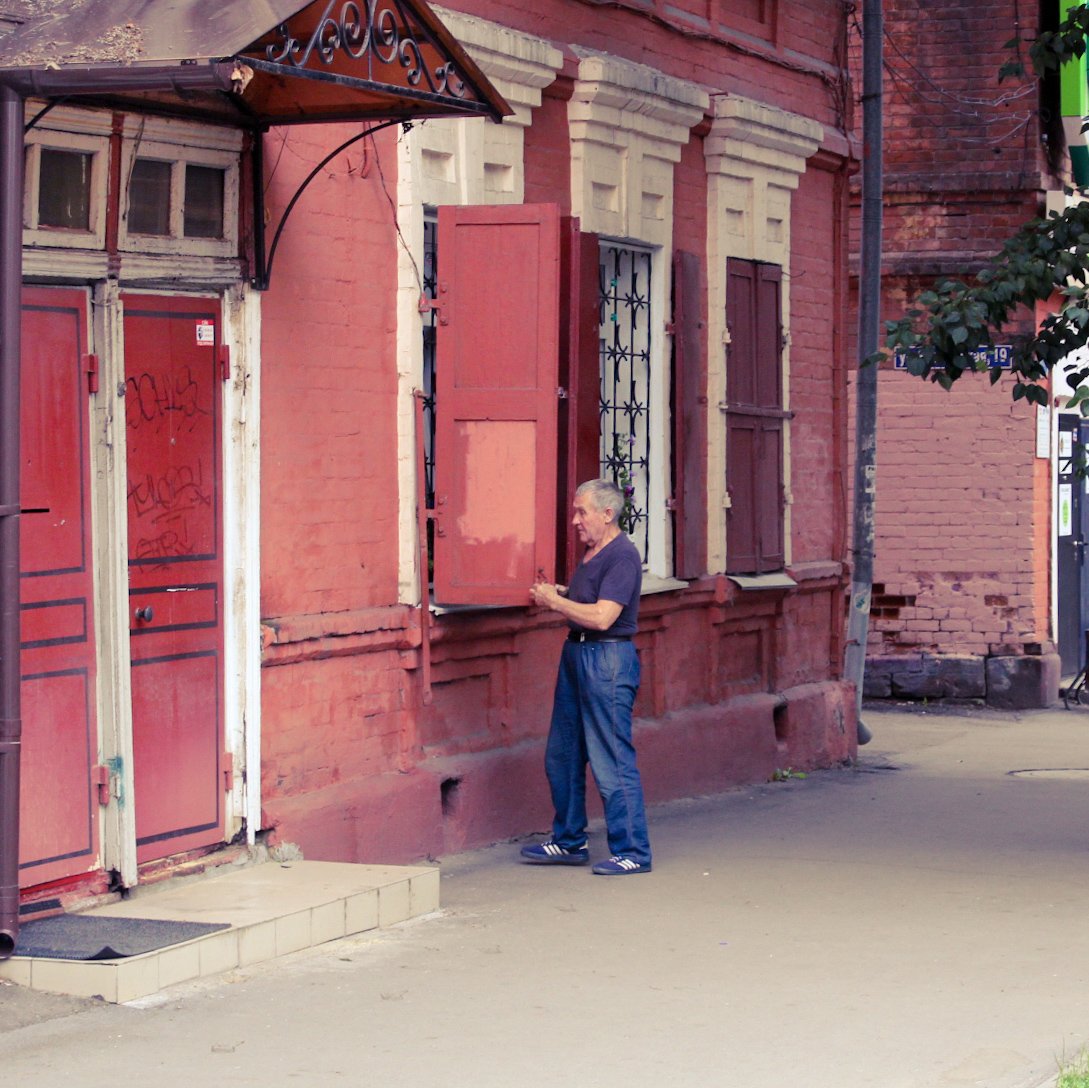
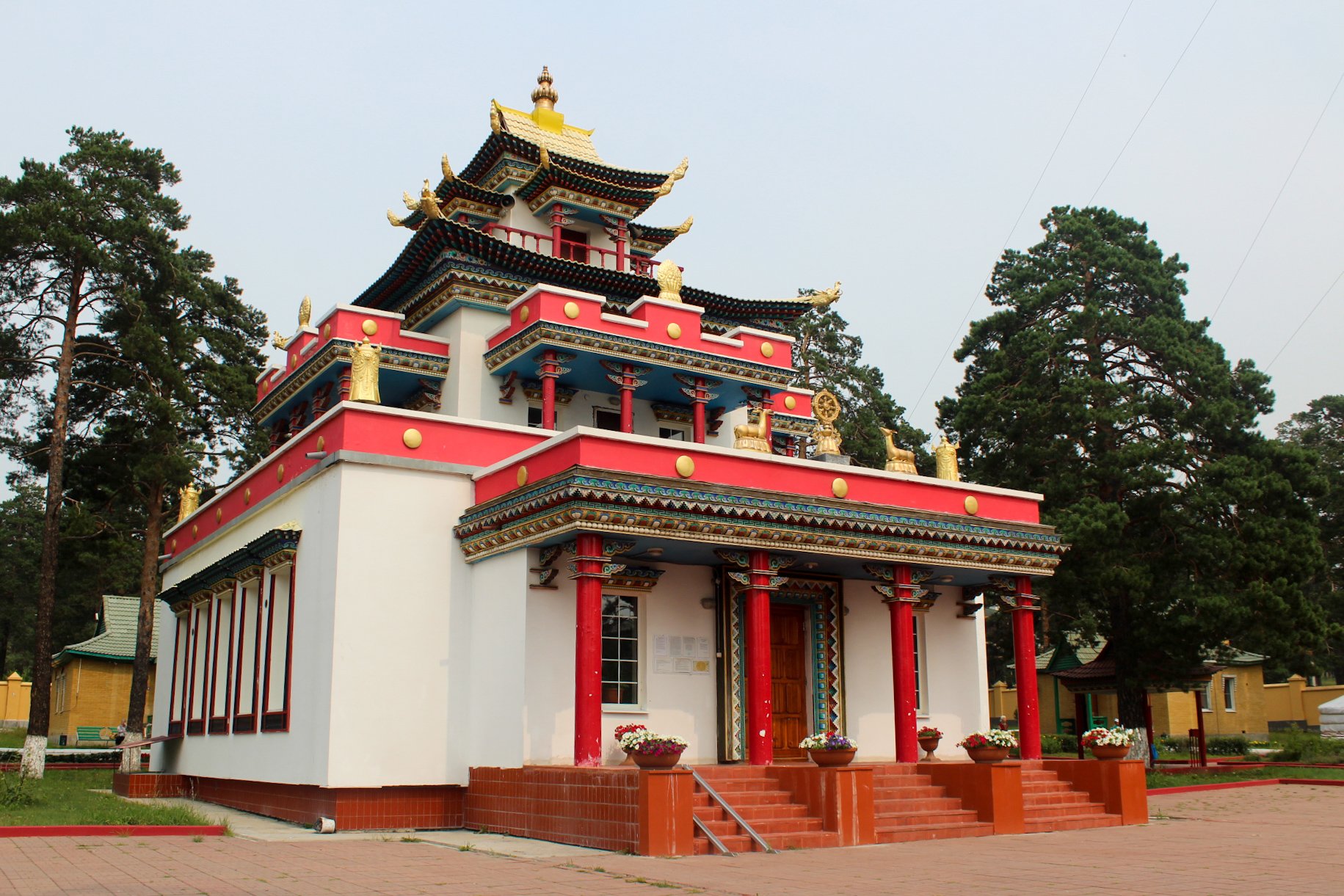
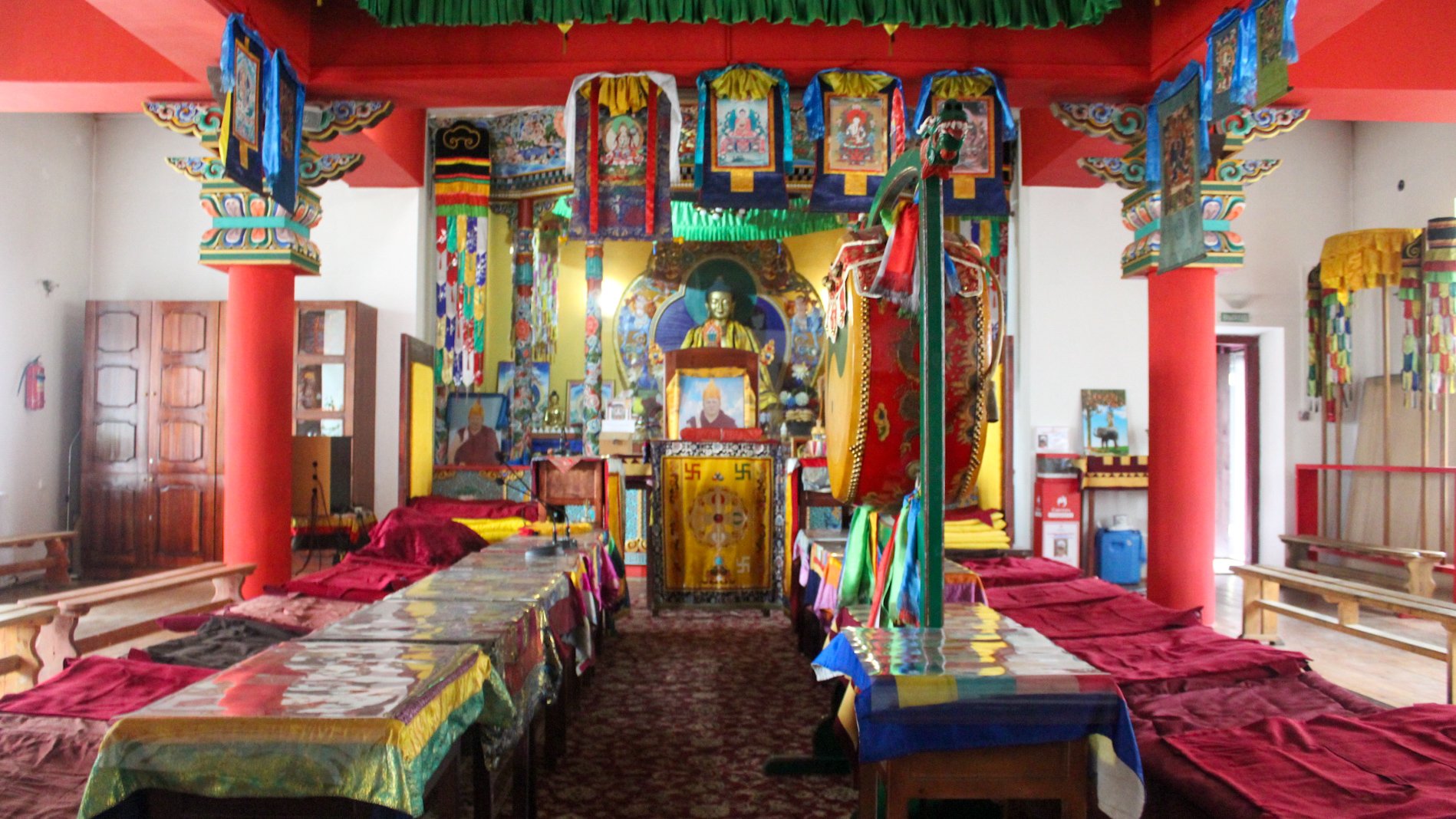
I arrived at Chita first thing in the morning. I’m not staying the night here, instead I’m getting the night train at 2am over the Chinese border. The only thing I’d planned to do in Chita was visit the datsan – a tibetan buddhist temple and school. Its a bit of a walk from the town but I was surprised that it’s a lot better than Irkutsk’s datsan. There is a magestic looking pagoda in the centre and several well decorated stupas.

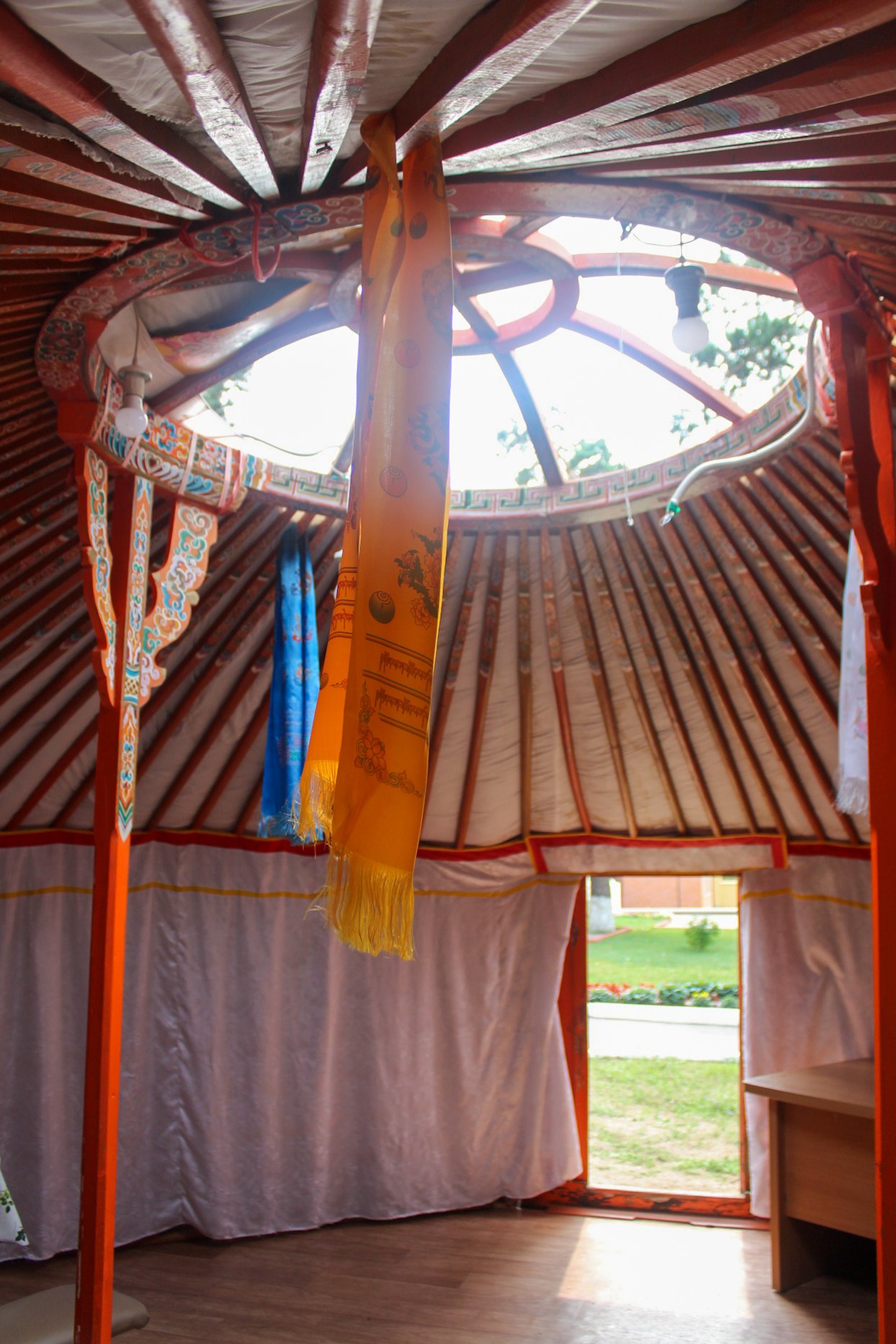
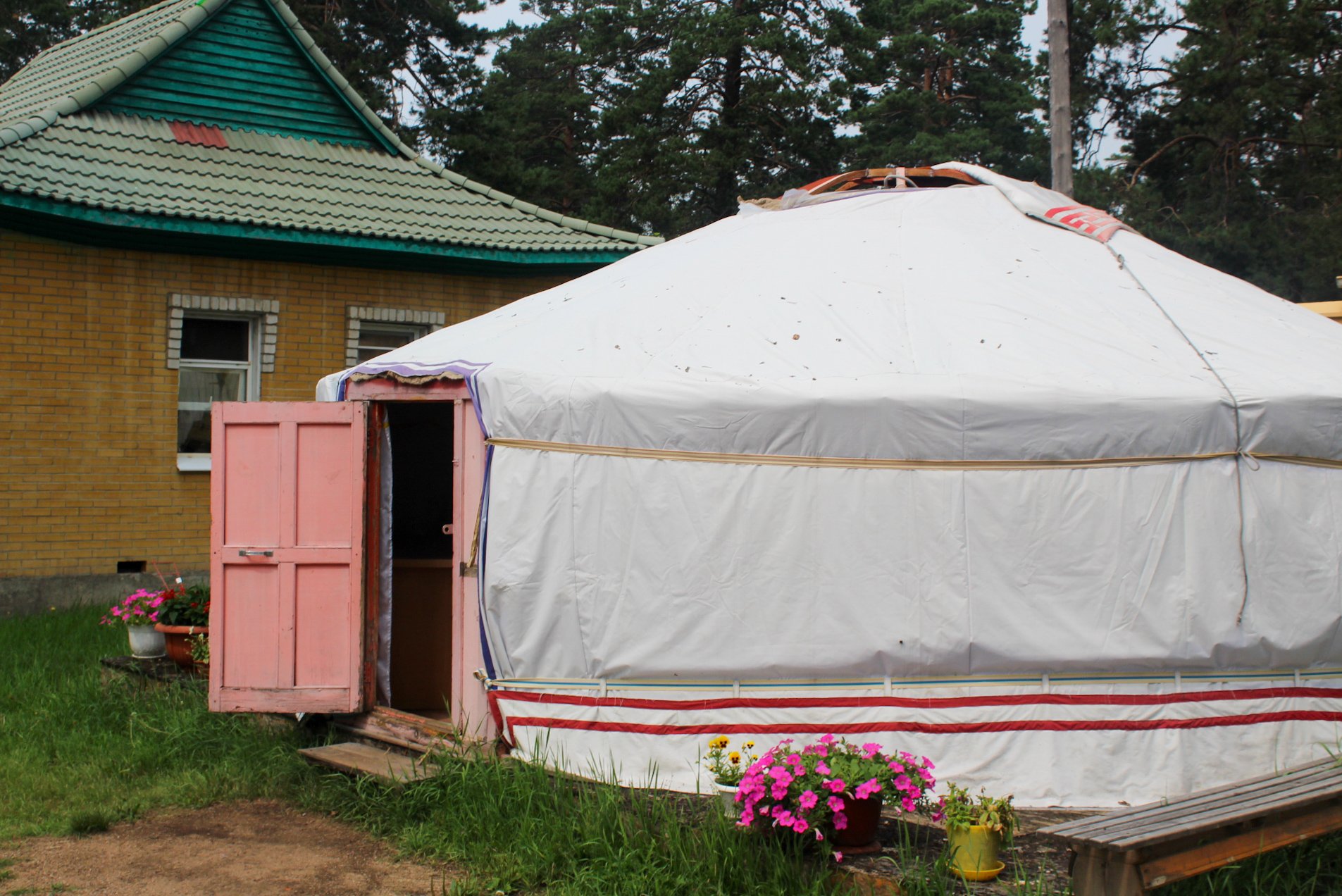
When it was time for lunch I popped into the temple canteen. A secret of the Buddhists in Russia is that all the temples seem to have a canteen that serves amazing buuz (Mongolian and Buryat traditional dumplings) and tea for a stupidly low price. Outside the canteen is a yurt. As I’m paying for my buuz I asked if I can eat in the yurt and they said its fine. The yurt has two dining tables, both occupied. An old man invited me to join him and starts talking to me in German. We eventually end up chatting in a mix of German, Chinese, Russian and English given we don’t have any whole language in common! It turns out he is a retired chemistry teacher. Eventually a group of kids from the other table pluck up the courage to come and say “hello” in English. I engage my teaching skills and try to teach them some phrases. They seem to enjoy it! One of the mothers hands me some tea. Mr Chemistry Teacher wants to take a selfie with me. We all have a merry little lunch.

* * *

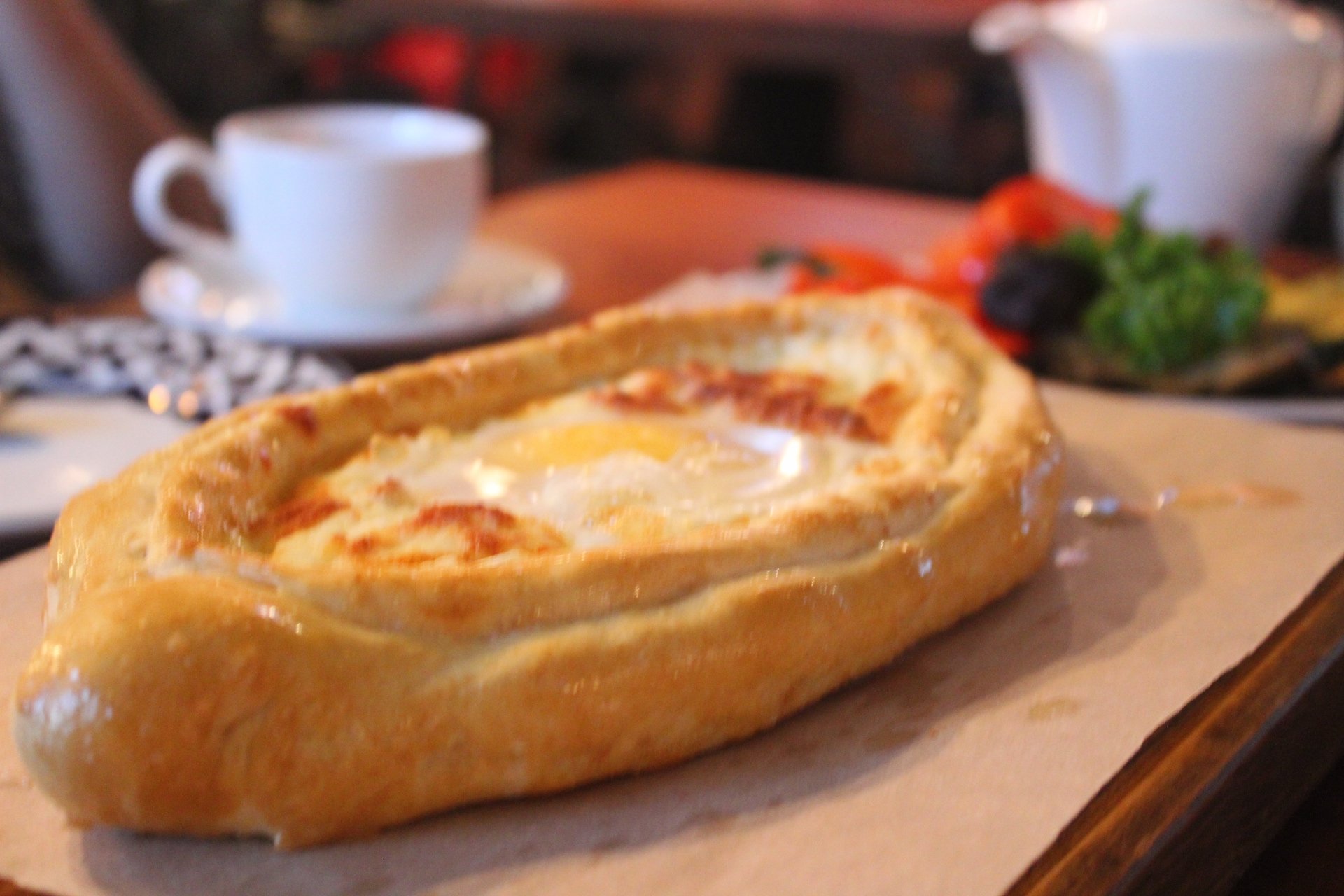
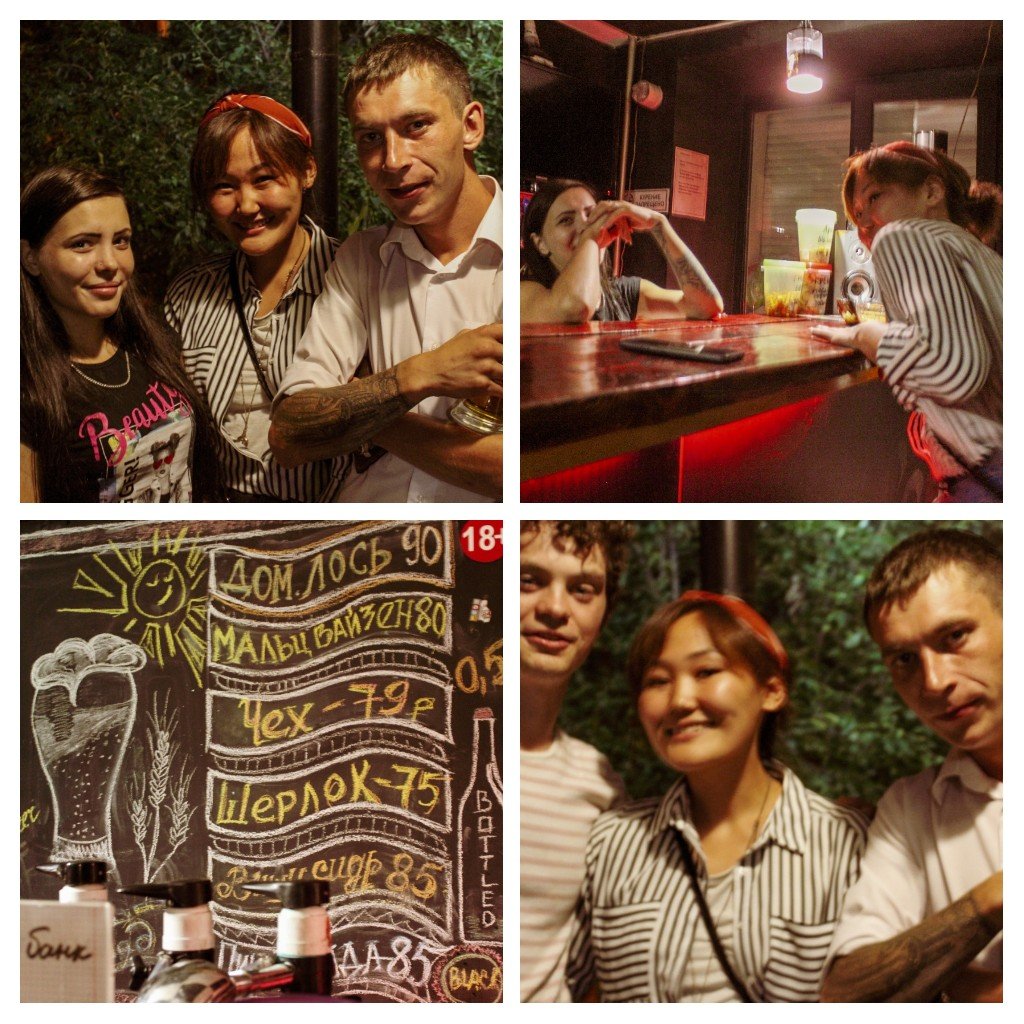
It’s evening, I’ve had Georgian food (Irina told me this was a favourite in Soviet Russia along with Uzbek) for dinner and I’m in a dive bar on the edge of town. Everyone in the bar has taken a selfie with me. I impressed them with my knowledge of Russian swear words I picked up when living with a russian junkie in Wythenshawe.I was brought here by Buryat medical student Aryuna who is keen to practice her English. It was a mistake to try and keep pace drinking with a med student! At least I can get rid of these rubles before crossing the border tomorrow! I know Elizabeta (Lisa) the barmaid short changed me for the last round but I’m passed caring. We stay until Lisa locks up then I stagger off to catch my final train in Russia.
I’m quite sad to be leaving Russia. I definately want to come back. The scenery and the people are amazing. In particular I’ve fallen in love with Buryat culture and hospitality and would like to visit Ulan-Ude next time.

The bonnie, bonnie banks of Lake Baikal

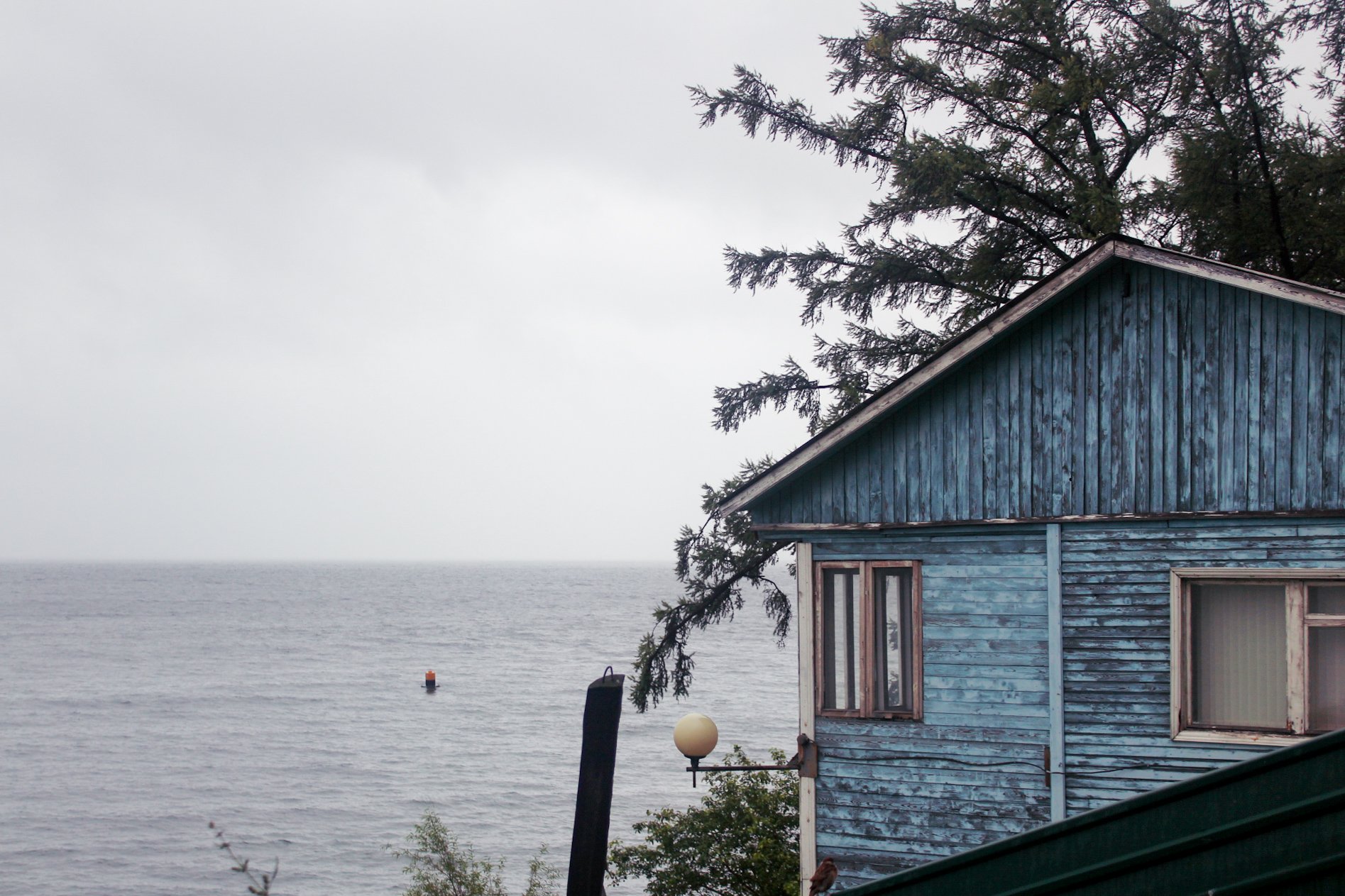
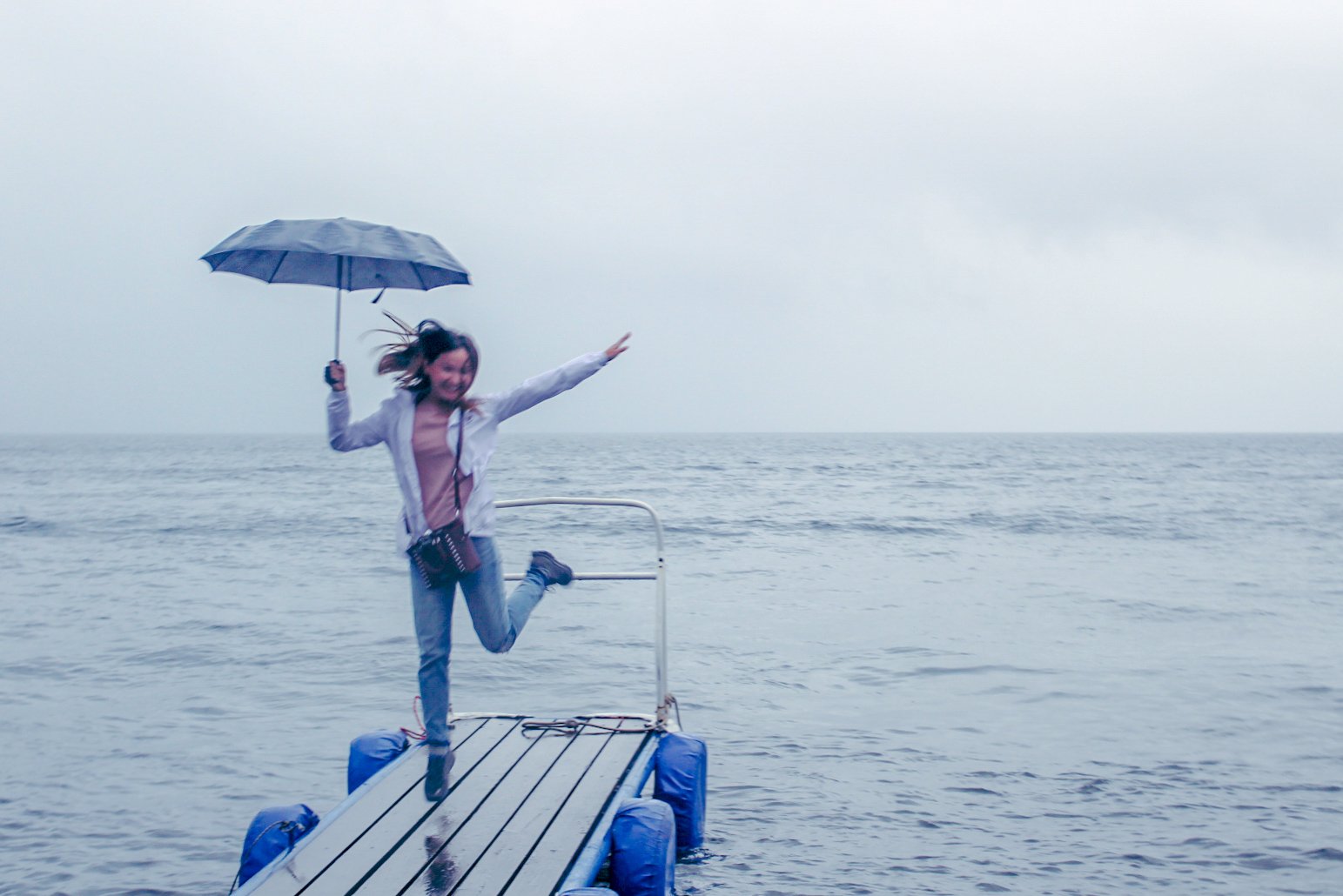
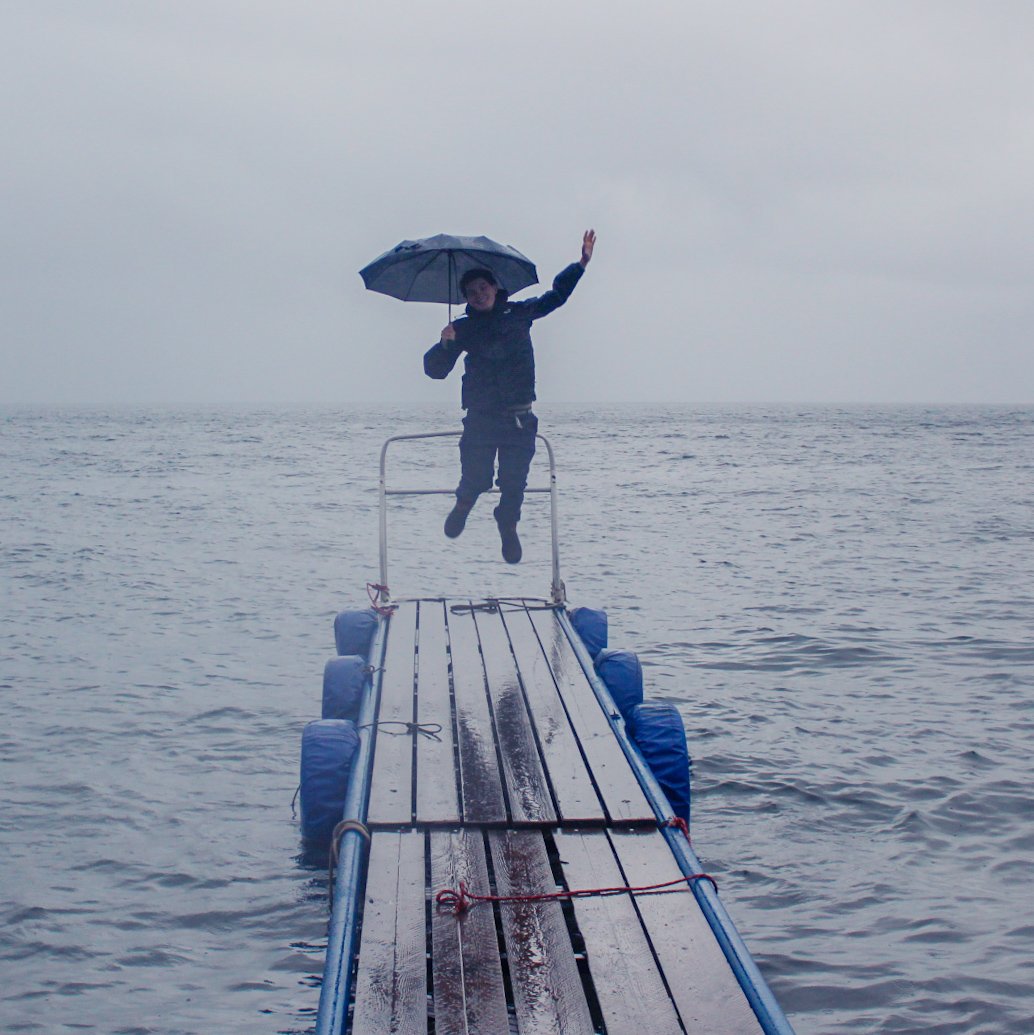
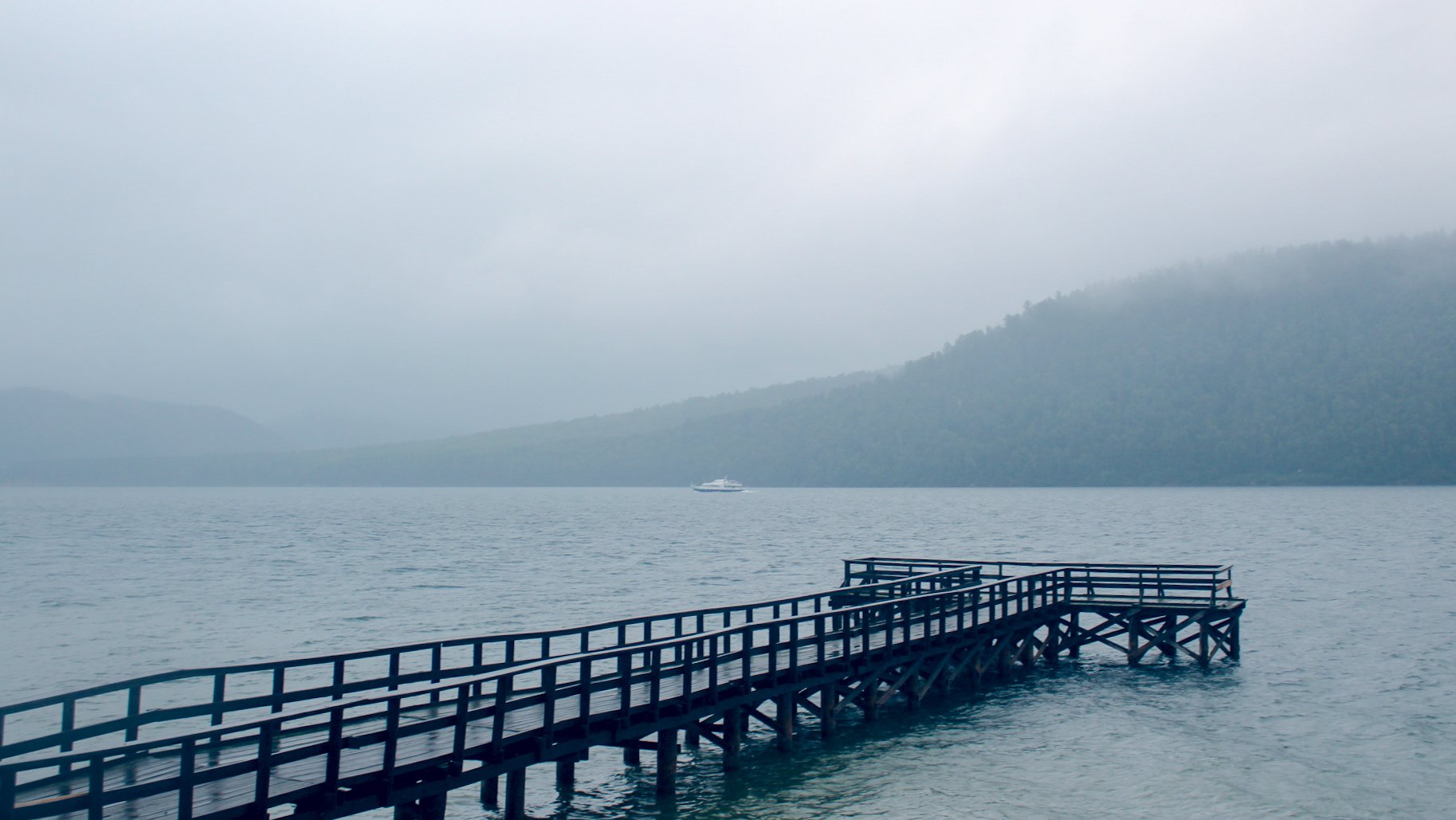
Baikal is the most spectacular lake in the world. The view in the photo above could rival Scotland’s finest lochs. But that isn’t even Baikal. It’s the Angara river, draining Baikal and flowing towards Irkutsk city.
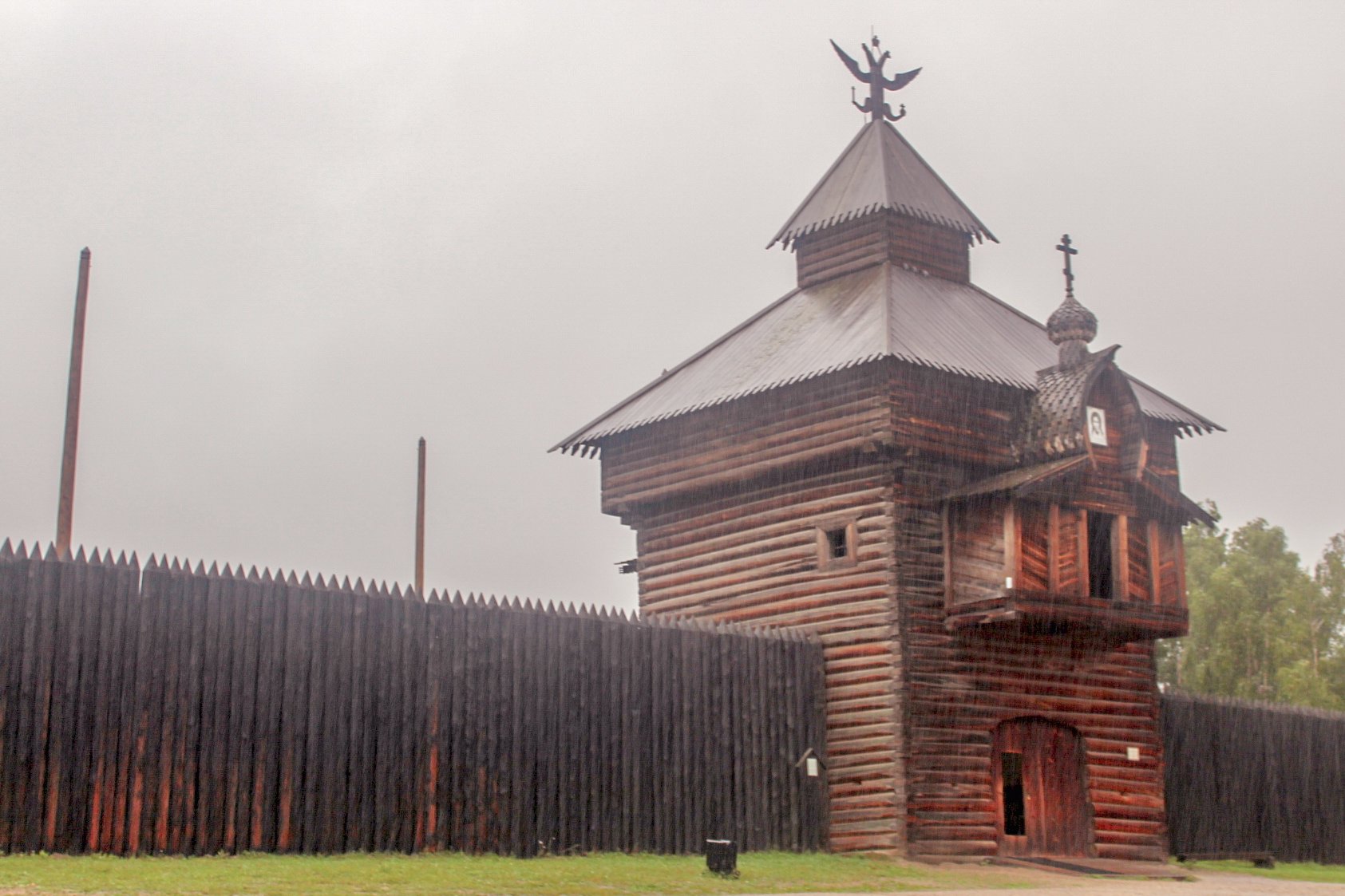
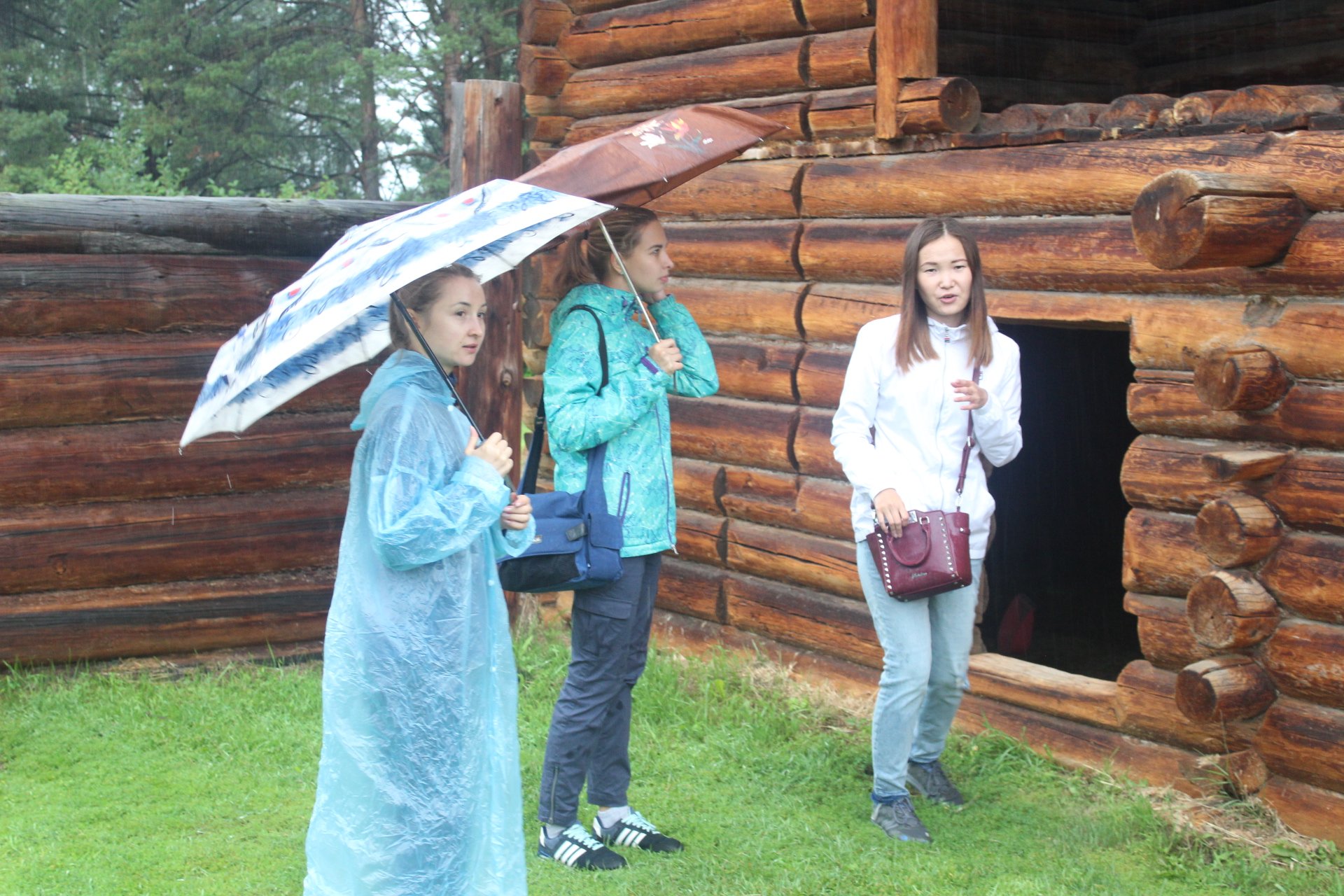
We had planned a hike today to celebrate my birthday but the girls decided that it would be too muddy and slippery given the torrential downpour. So we’re at the Taltsy Architectural-ethnographic Museum. It’s a collection of wooden colonial cabins from all over Irkutsk Oblast (county). There are farmsteads, a schoolhouse, churches, a jail and even a reconstructed Ostrog: the palisade fortresses built by the Cossacks when they first penetrated Siberia.

The group is me, Anya, her friend Marsha and her friend Dasha. Anya is being my guide in exchange for English language practice and I’m very grateful to her, and to Masha for driving us here! They even got me a birthday present! A fridge magnet and a plush Nerpa – the world’s only species of freshwater seal that live in Baikal’s icy waters.

A Cossack Ostrog

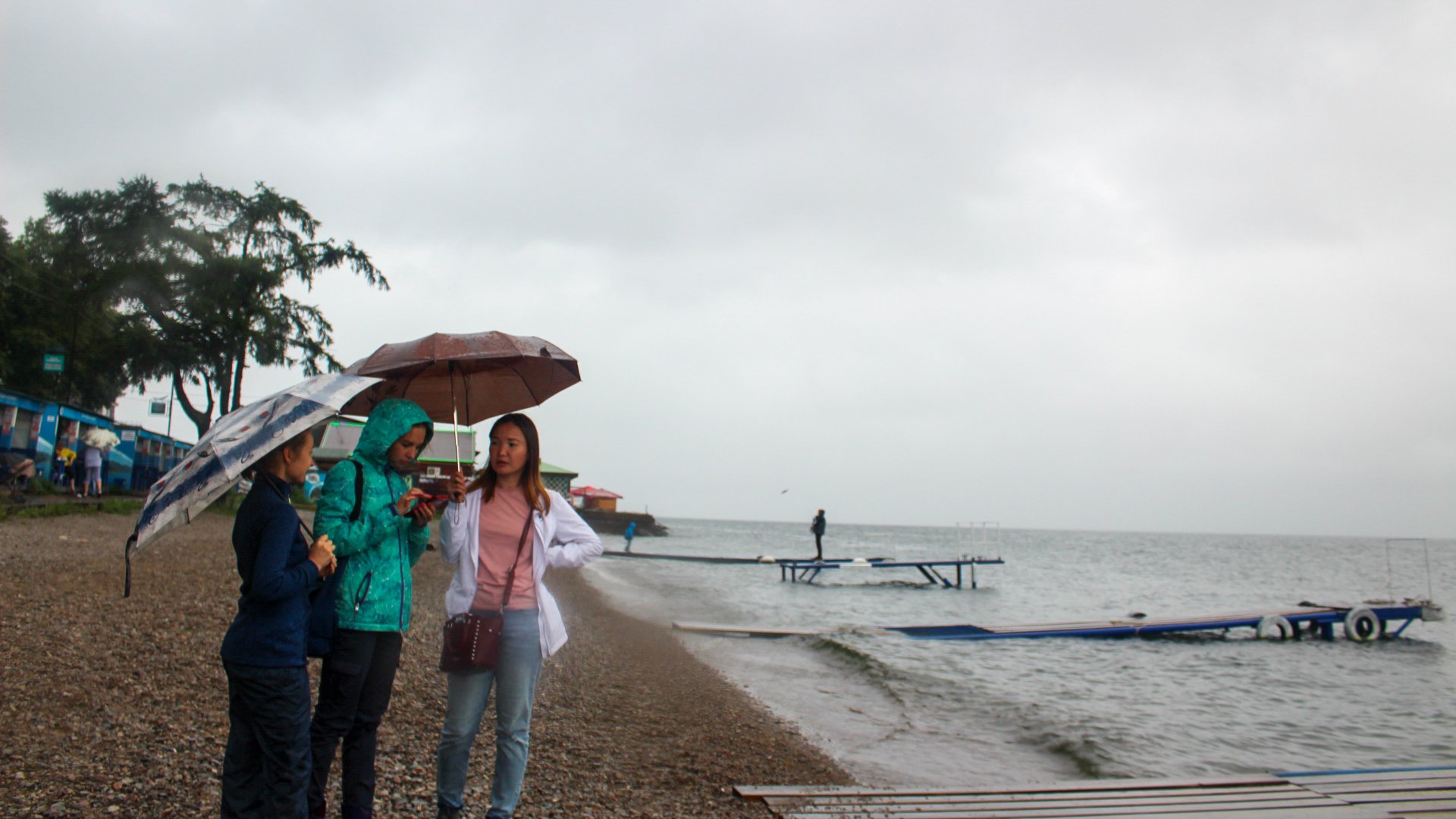
The rain does not deter these hardy Siberians

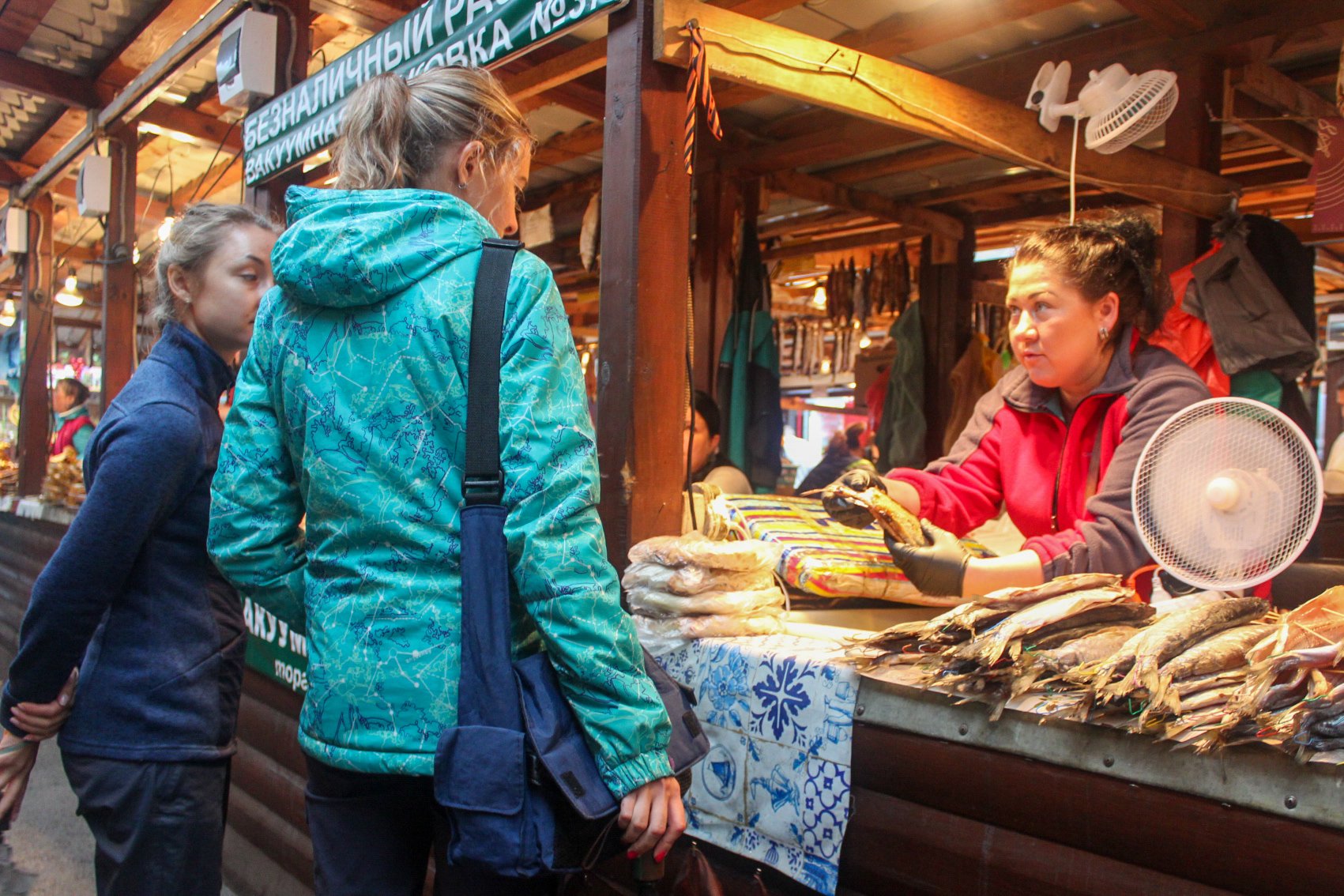
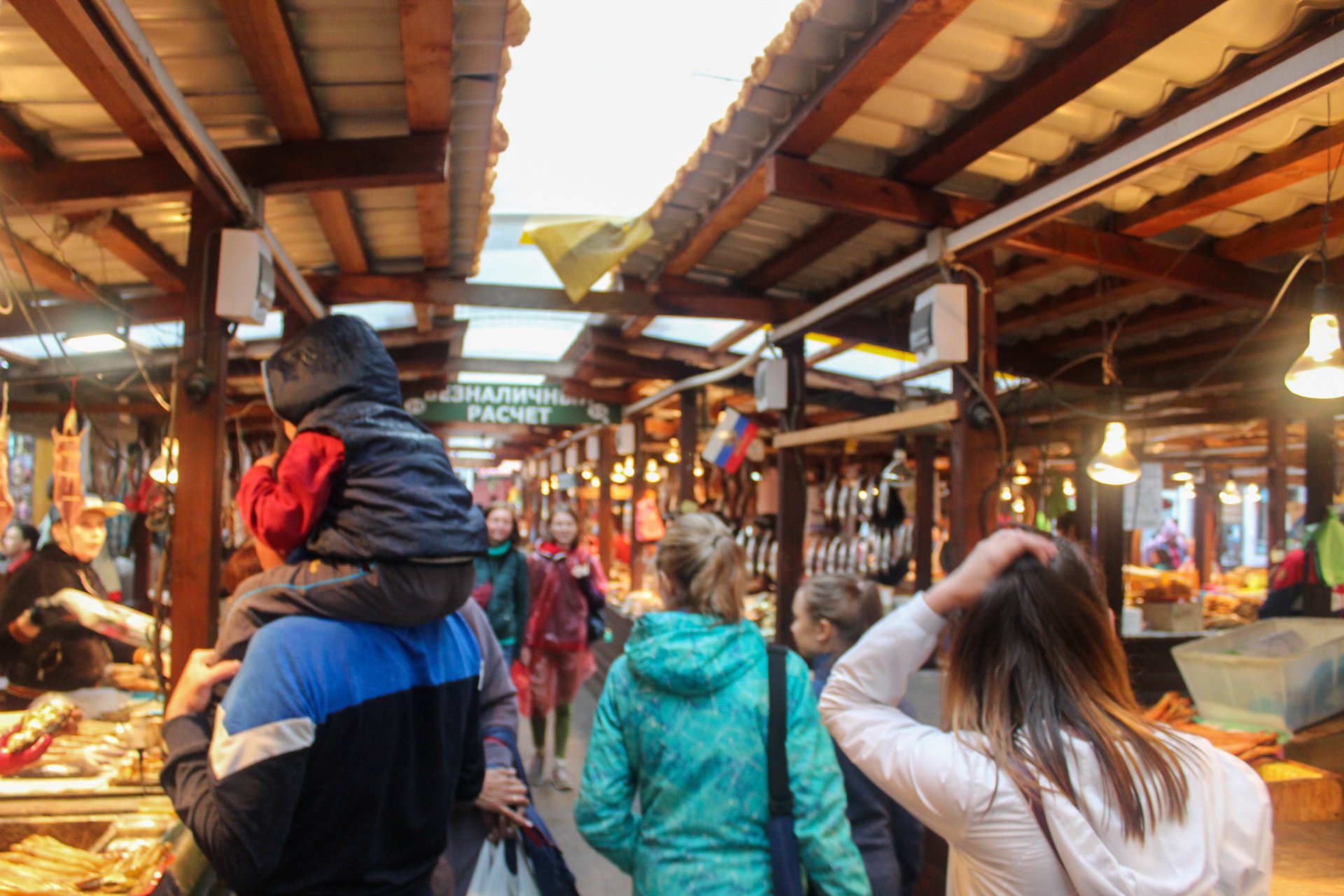
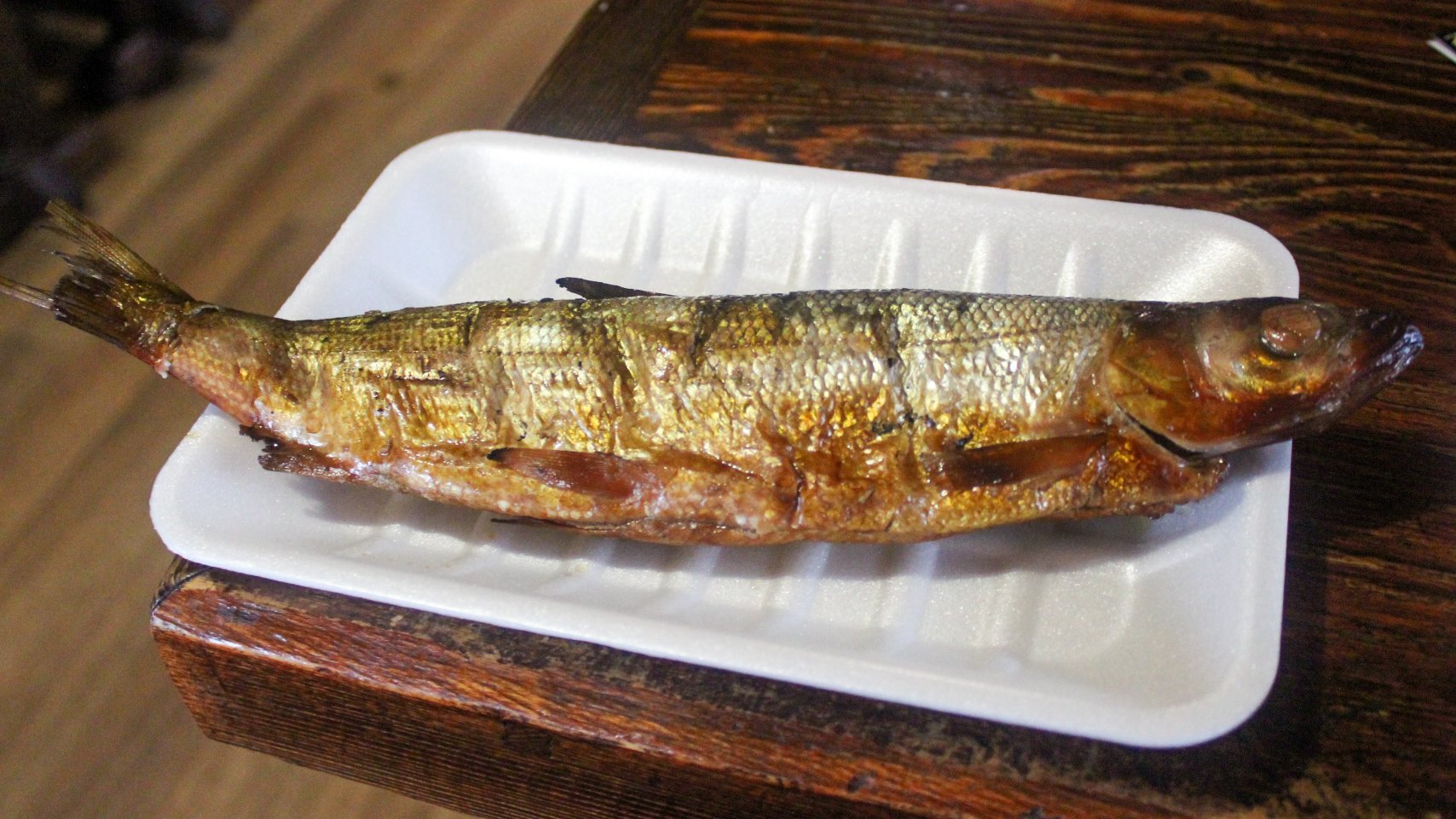
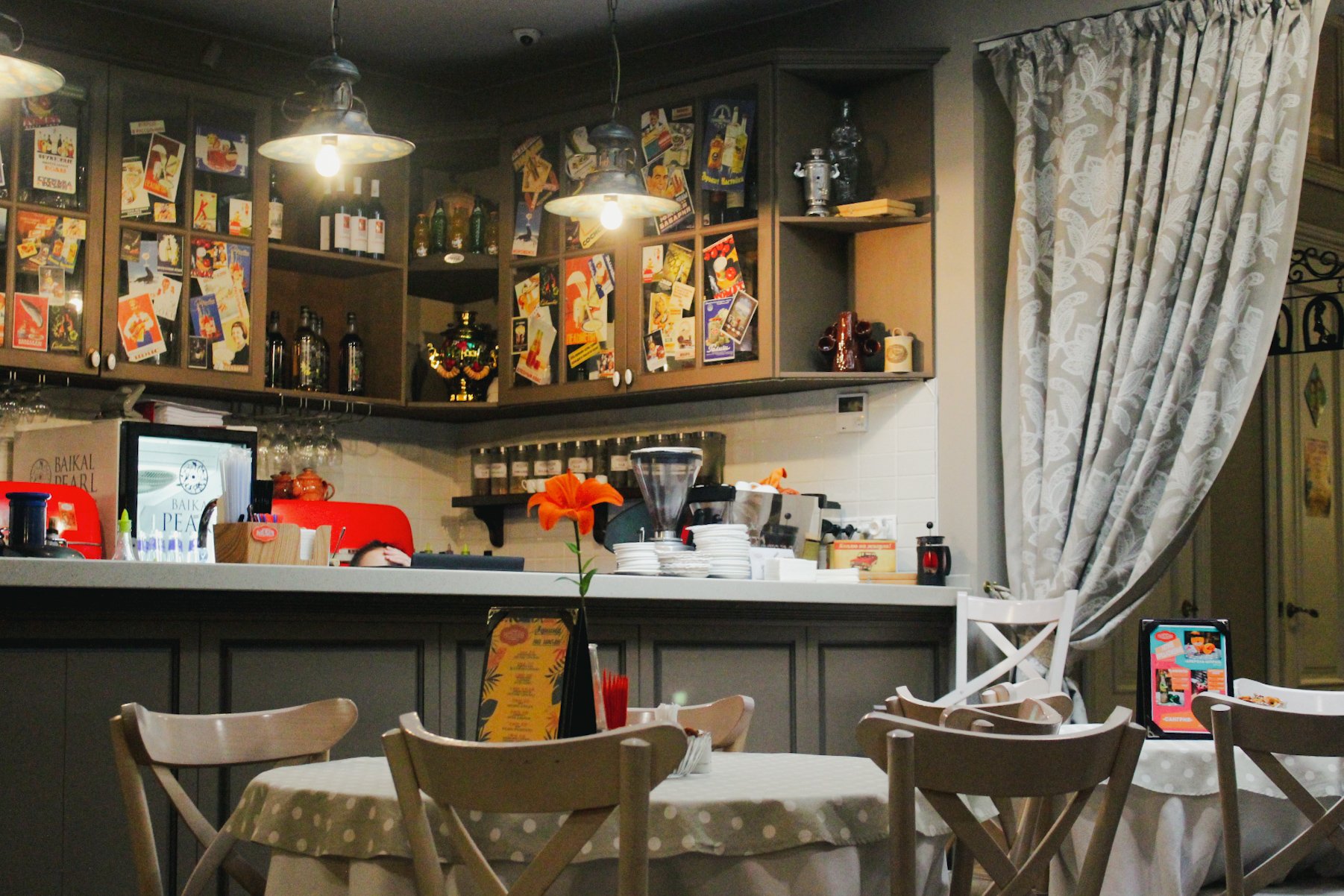
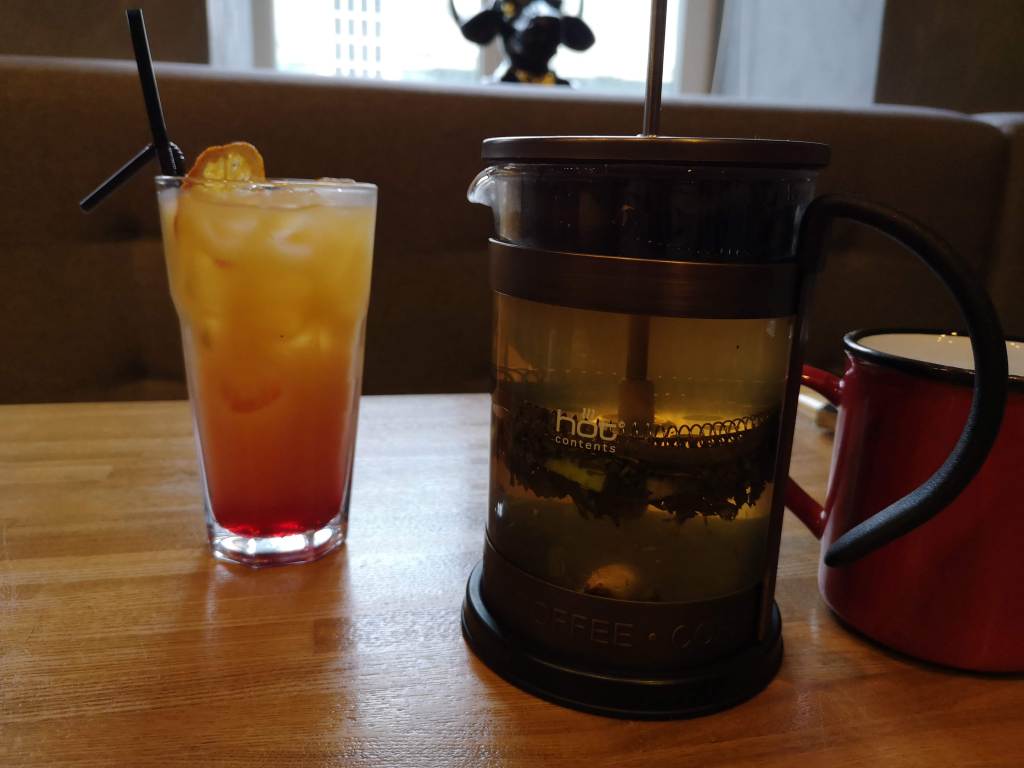
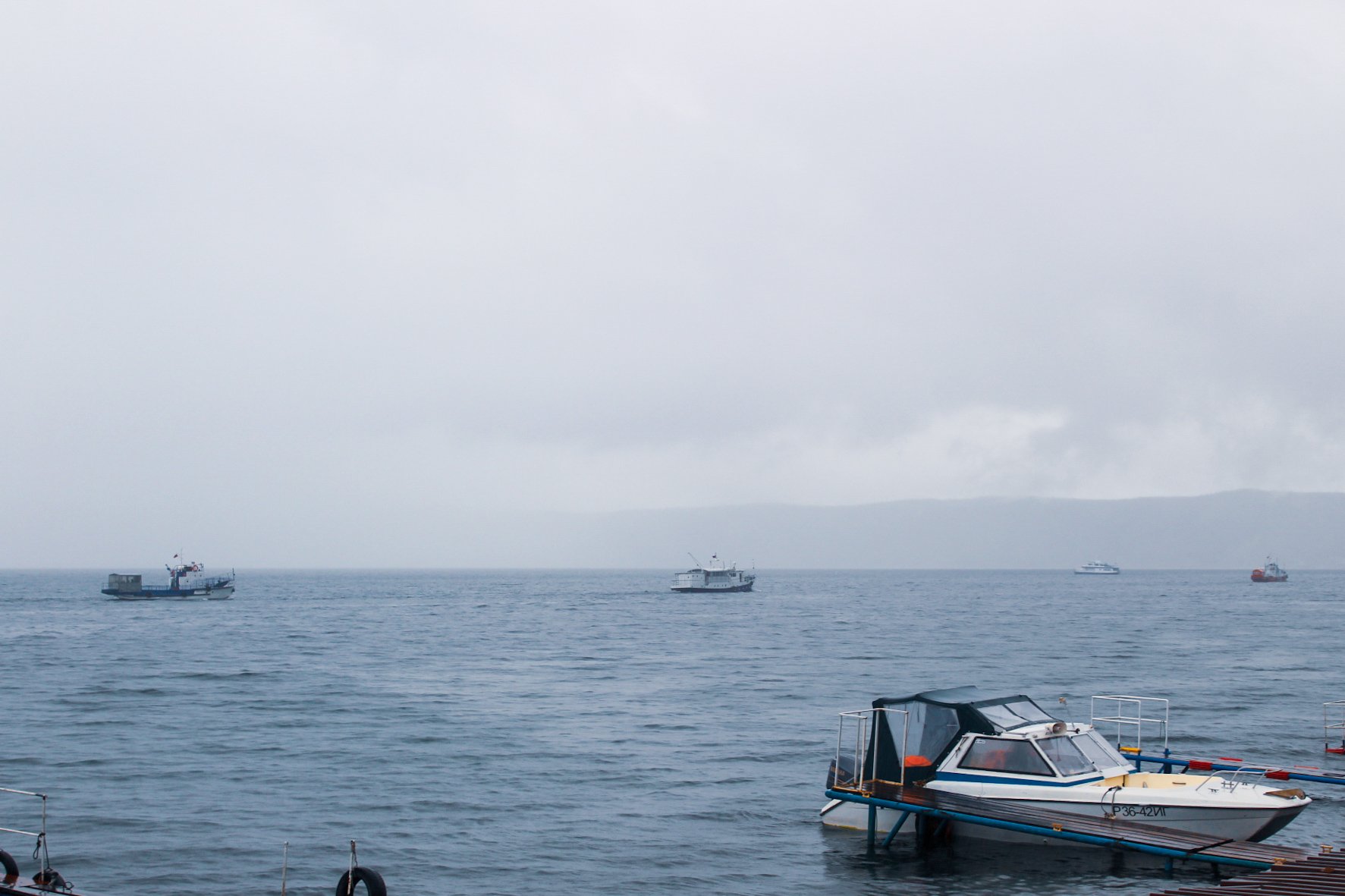
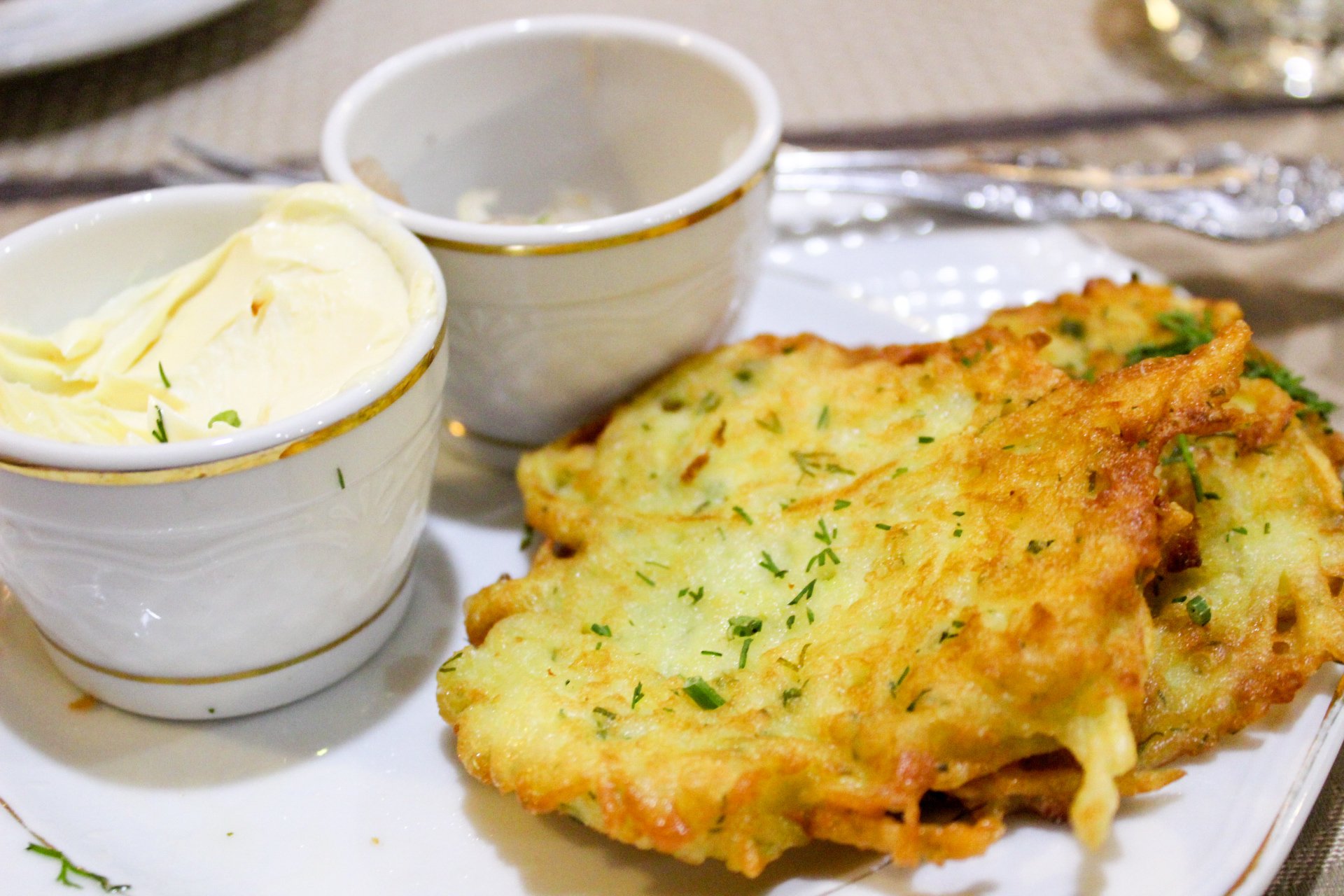
After the museum we head to the lakeside town of Listvyanka AKA the Baikal Riviera. We make a B-line for the open-air market for smokey grilled omul, a fish unique to Baikal. As we drive down the front I get my first view of Baikal. Across the pebble beach, behind the lines of moored boats the lake looks exactly like a calm sea because the far bank isn’t visible. Anya tells me that it isn’t visible even on a clear day. As I step out the car I expect to hear guls but can only hear traffic.Yesterday evening we’d gone for a fancy dinner at <name> in The Quarter (A pedestrianised area of Irkutsk city full of cafes, restaurants and bars) The restaurant is retro style (retro is definitely a recurring theme in Russia). The food was great, I had soup from a bread bowl, potato fritters and a russian salad. We had a selection of fruity infusions from rather nice glasses which the girls say are “railway style” because they are available to use on the transsiberian.
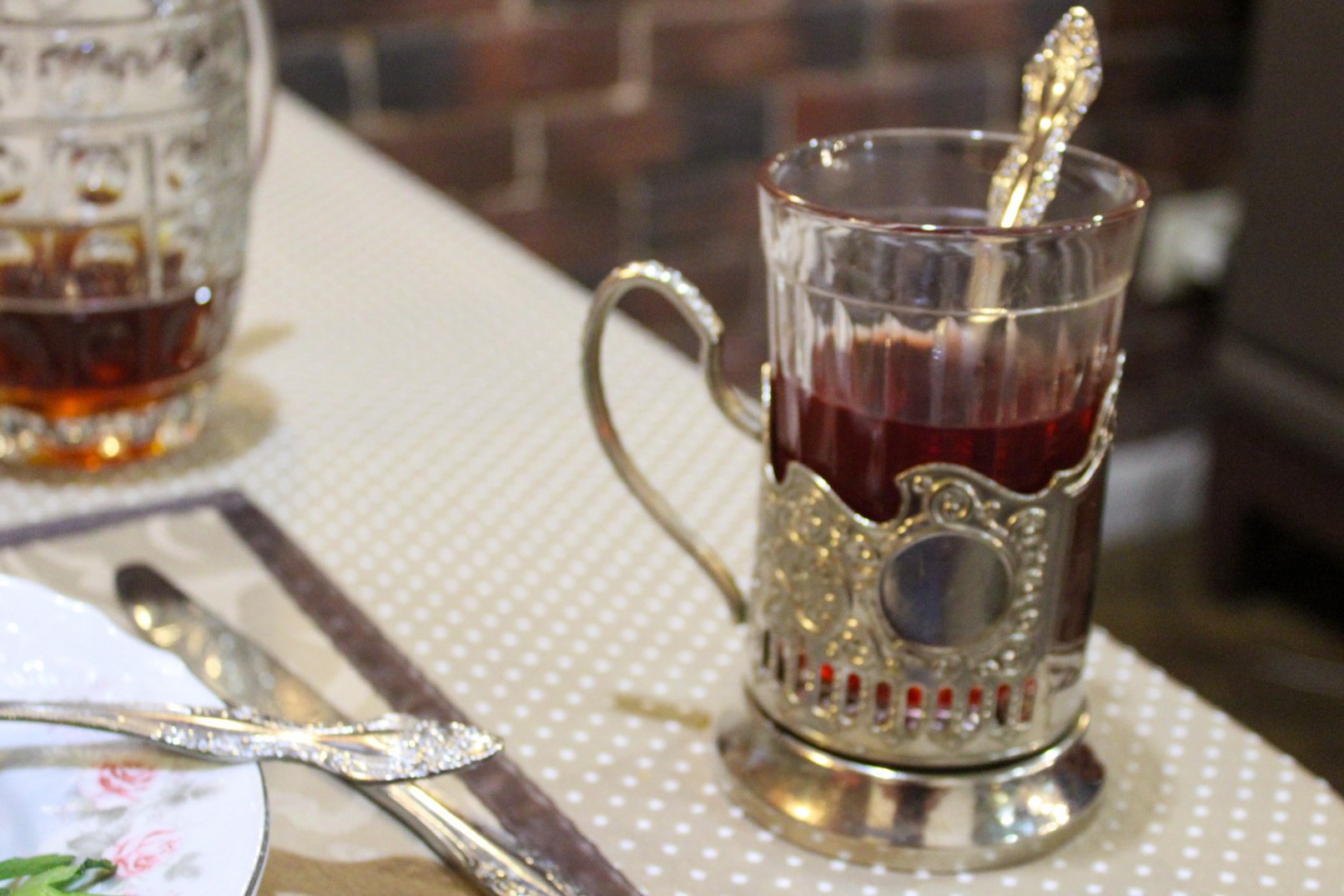
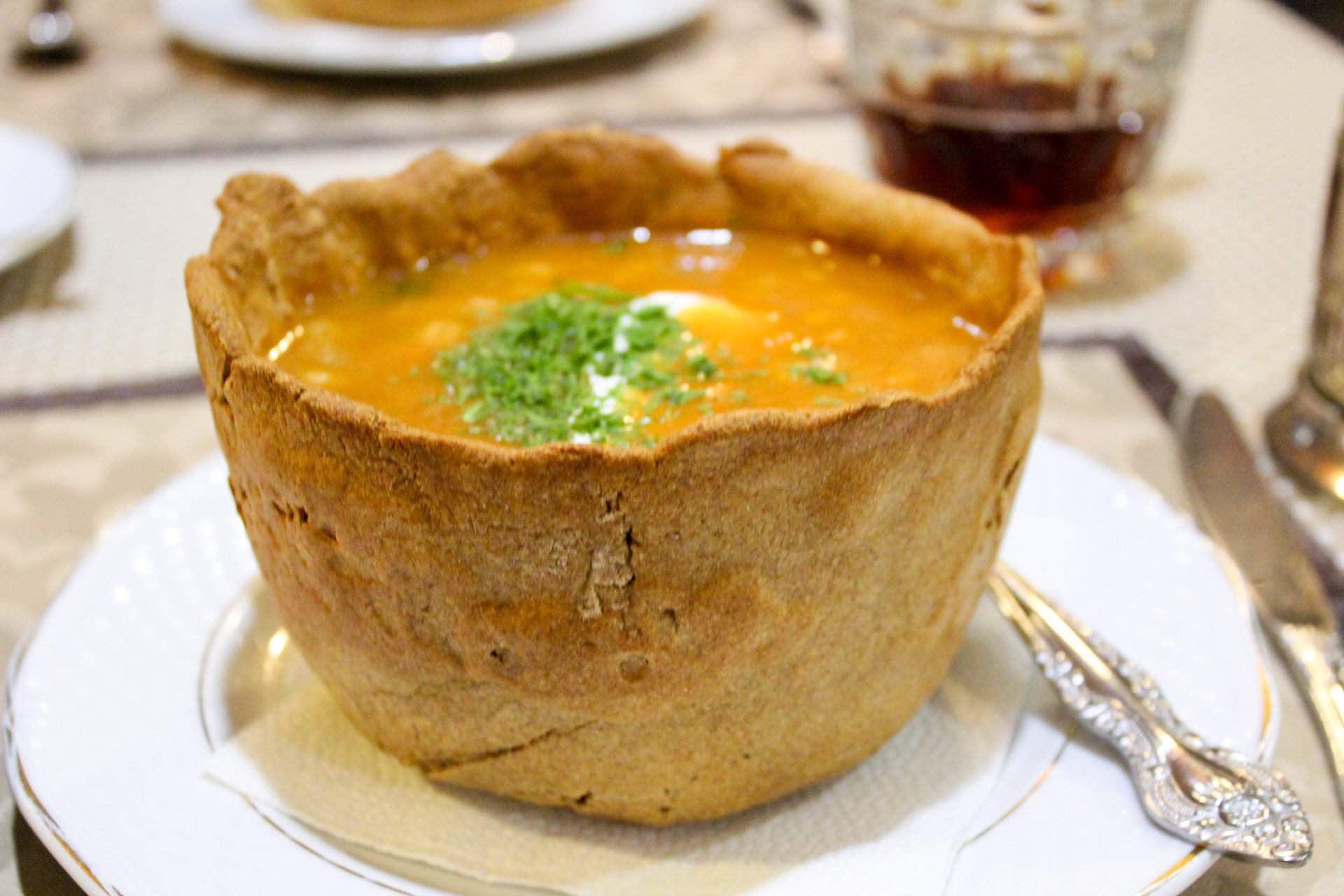
On food

Today (29/02/2024) I found this sat post in my drafts. Originally written on the 29th of July 2019. I’m not sure why I didn’t publish it; I quite enjoyed reading it back. I’d love to go back to Irkutsk but feel it might not be possible for a very long time. I’ve added some notes in italics.

Muscular accountant Sasha looks at me like I’m mad before answering “I guess borshk”. Sasha is an ex-colleague of Anya and the three of us are sat in Knamek – an Irkusk cocktail bar. Anya nurses a tequila sunrise while Sasha has a milkshake (he doesn’t drink alcohol) and I have a cafetiere full of apple and rosemary secha tea (I just love tea!). I’d asked them what is their favourite Russian food. Sasha scratched his head trying to think of Russian specialties besides borshk. He tells me Russia doesn’t really have any food. (2024: Anya was a wonderful indigenous lady who had reached out to me online and had been my guide around Irkutsk so she could practice her English. That day she’d taken me to a Datsan (a type of Buddhist temple). She even got me a Baikal nyerpa toy as a Birthday present!)

I don’t know why I took this photo and none of the people…

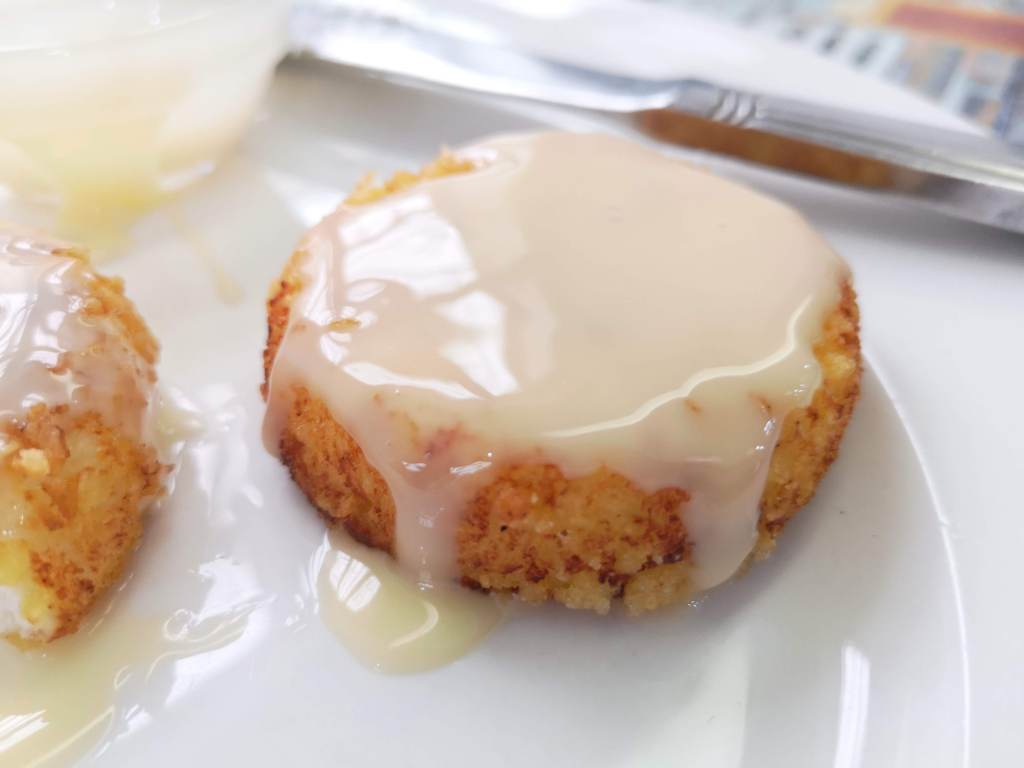
When I ask the same question to Alisa or her mother Irina they can go on for hours about Syrniki (a sweet patty made of curd, yummy!), pancakes, salads, donuts…

The difference is that Anya and Sasha have each only left Russia for Mediterranean holidays whereas Alisa and Irina have both lived outside of Russia for a large part of their lives.

My physics teacher Mark used to say “in China they just call it food”. I wonder what I will miss about British food. It probably won’t be fish & chips, haggis or shepherd’s pie but something that I don’t even think of as British. I think I’ll miss salt and vinegar crisps (2024 Will: I do miss fish and chips, Curry and Chinese takeaway….).

***

After traipsing around Irkutsk all morning to find a laundromat I’m hungry and irritable. To sate my hanger I go into one of the chain of tiny cafés that are attached to all the bus stops in the city and buy a pasty looking thing. I pointed at something that looked good to order having no idea what it was. It looked like a pasty. when I bite into it I find its a greasy sort of bread dough filled with buttery mashed potato. The overall effect is not dissimilar to Lancashire’s infamous butter pie barmcakes. Some foods are eerily familiar.

Irkutsk! Irkutsk!

Siberia has the virtue of not startling or astonishing you right away but of pulling you in slowly and reluctantly, as it were, with measured carefulness, and then binding you tightly once you are in. And then it’s all over – you are afflicted with Siberia*

– Valentin Rasputin

The sun rose unbelievably fast and beautifully as soviet era transsiberian train number 70 sped east into Irkutsk.I alighted at 6:30am. We had gone the equivalent distance of the entire widths of the Arabian Peninsula, then all of the stans and then half of Mongolia. More than 80 hours prior, Irina had put me on the train with much fussing and a care package full of crisps, sweets, pancakes, sweet bread and soft drinks. I’m very grateful to Irina for showing me Moscow and looking out for me, a Russian mother is a force of nature.

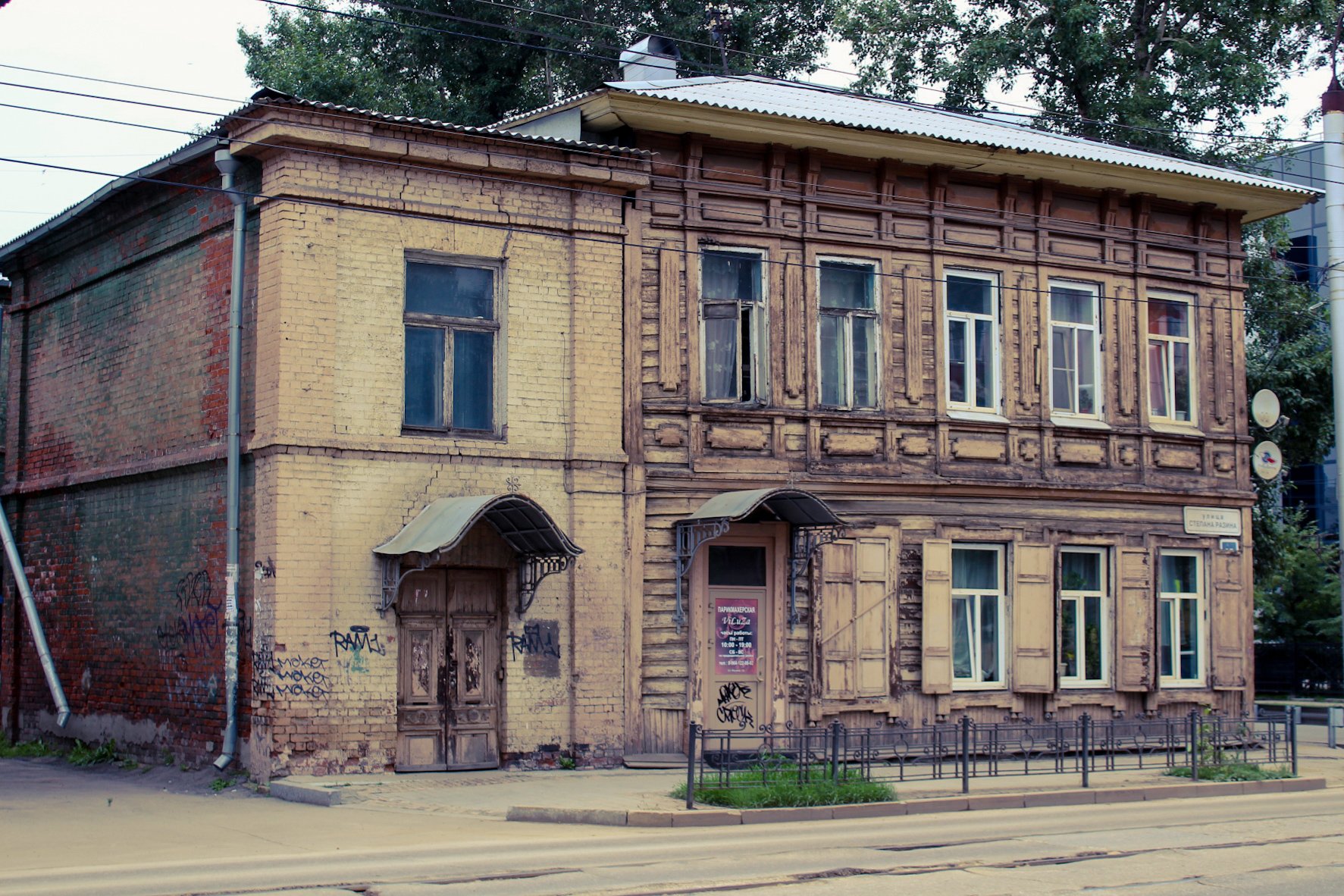
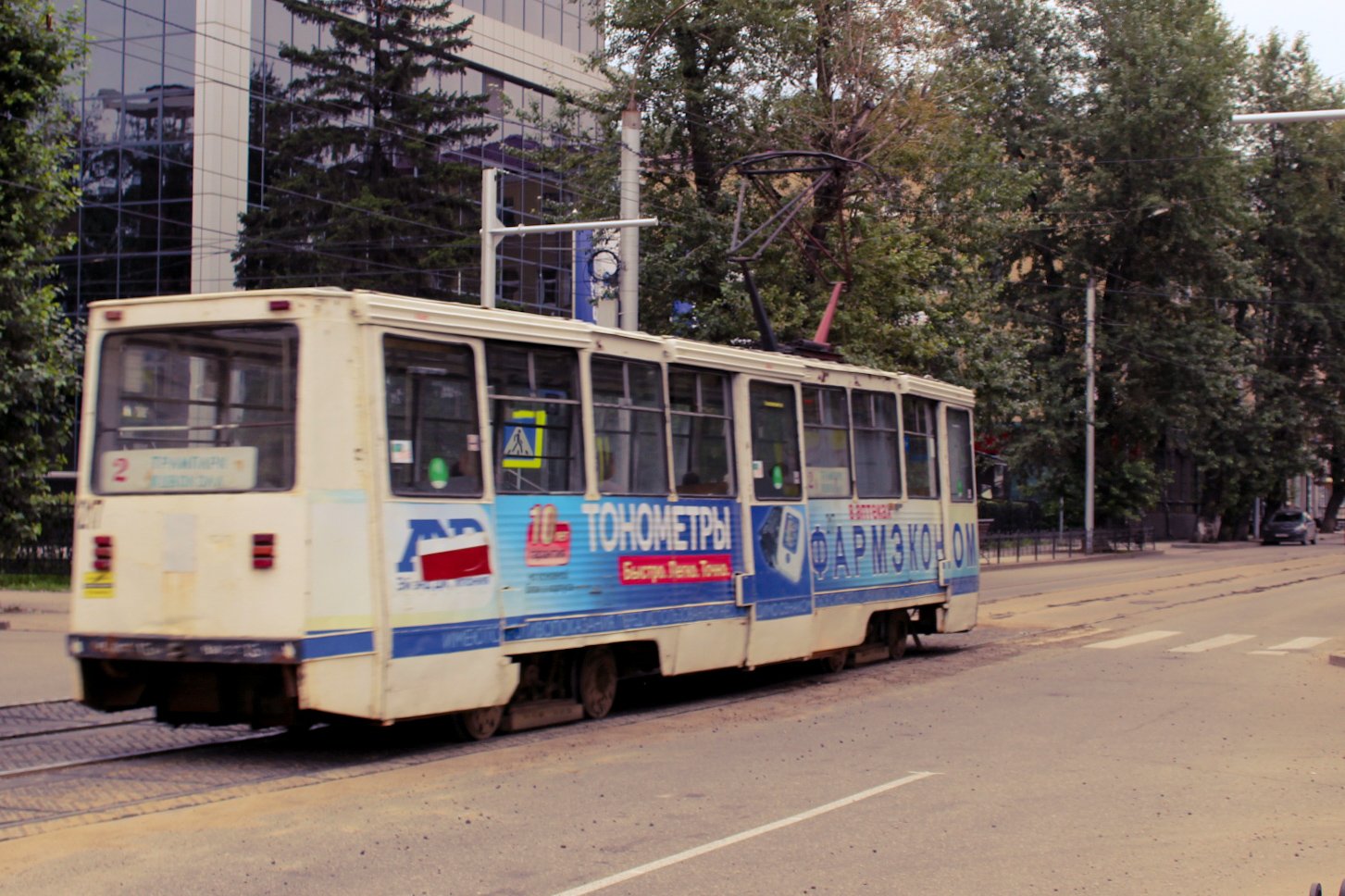
Backpack on, I cross the bridge on foot towards the town centre. There is a thick mist clinging to the river. From the opposite bank emerges a ferris wheel. A tram rumbles over the bridge. Everything shakes, I feel it in my chest. I didn’t know trams could be so heavy. The only other people around are other backpackers heading to or from the station.My first impression of Irkutsk is colonial frontier town left to decay. It does however have a certain cowboyish charm with a slavic twist. I pass a building flying a pair of USSR flags.

I look for a place to get a coffee and some wifi but nowhere is open. It seems Irkutsk doesn’t open until 9. With nothing to do I take pleasure in reading the russian letters; like a child learning to read by slowly reading out every single word I see letter by letter. There’s a sushi restaurant, there’s a pharmacy and on the wall an advert for the football. Once you can sound out russian words, many are surprisingly easy to guess.

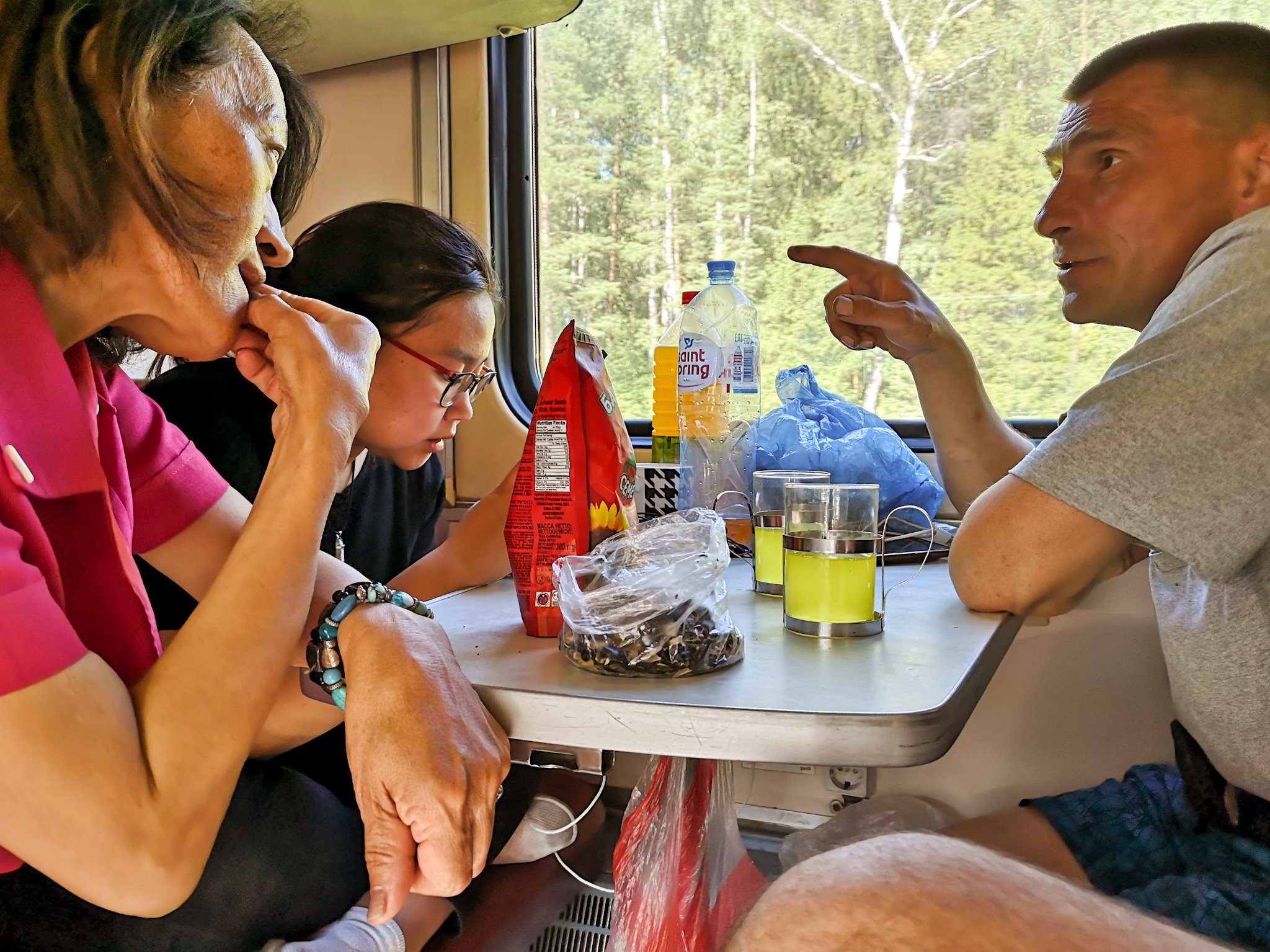
I reflect on the train journey. My neighbours throughout: Shiné, a bubbly young Mongolian student, and her mother are heading home from Saint Petersburg where Shiné is studying architecture. Shiné was the only person who spoke a good amount of English I met onboard. Other neighbours who came and went included the Man-U fan Dima and his father who gifted me a signed football shirt from some russian club, an old lady who kept telling me not to drink alcohol with Dima (and in doing so taught me the russian sign language for alcohol), a young girl going from Omsk to Novosibirsk who had a passion for music and a gang of cheeky blond children. Not another backpacker in sight, they probably hid in first class. Posers!I love the comradery of travelling third class. Not only is all food and drink shared but a stranger will give a gentle shove to anyone sliding off their berth in their sleep and tuck them back in. Games are played, stories told, geography lessons had (Shiné somehow has an encyclopedic knowledge of Russian rivers). Everyone is welcome in the conversation.

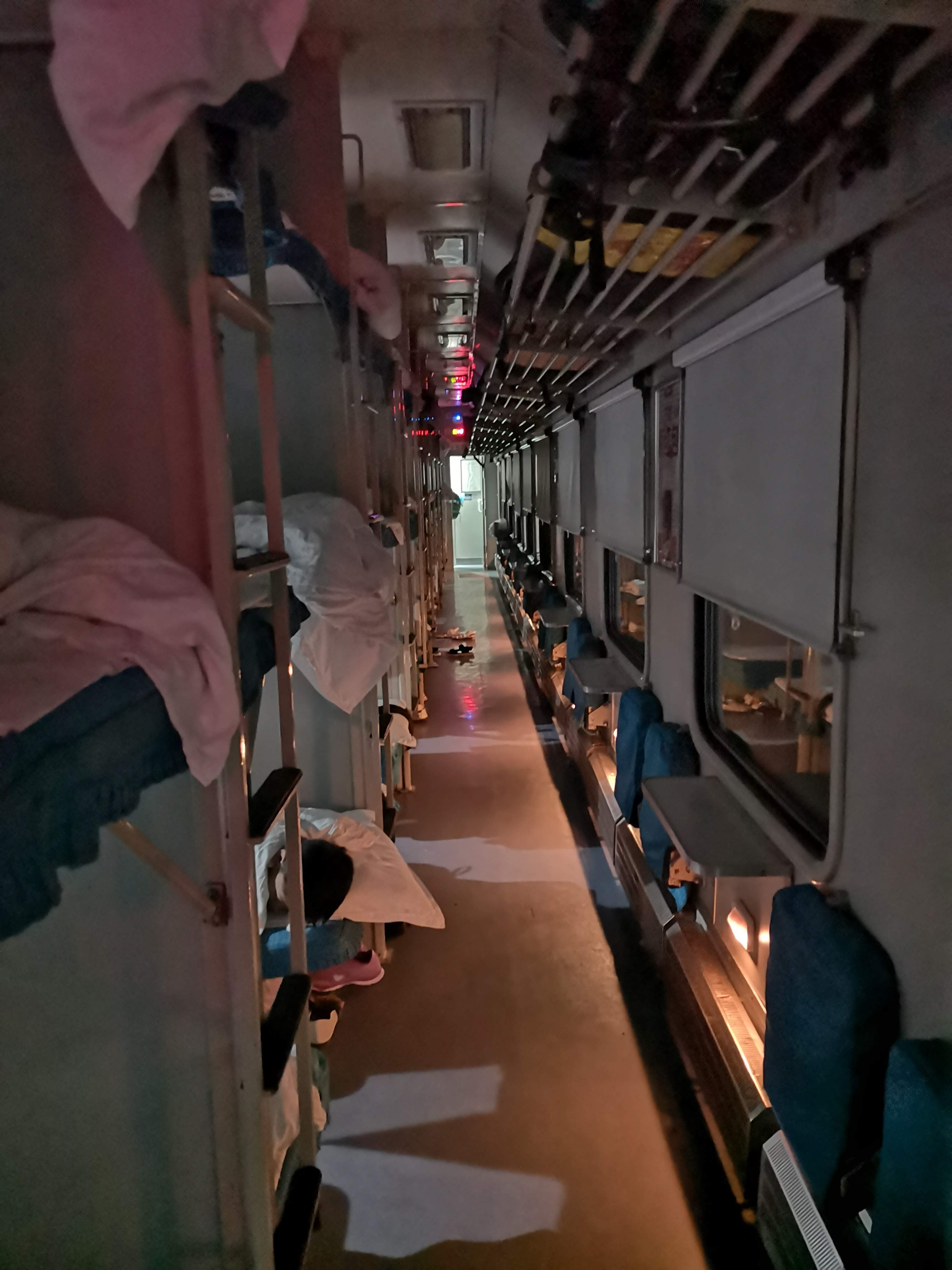
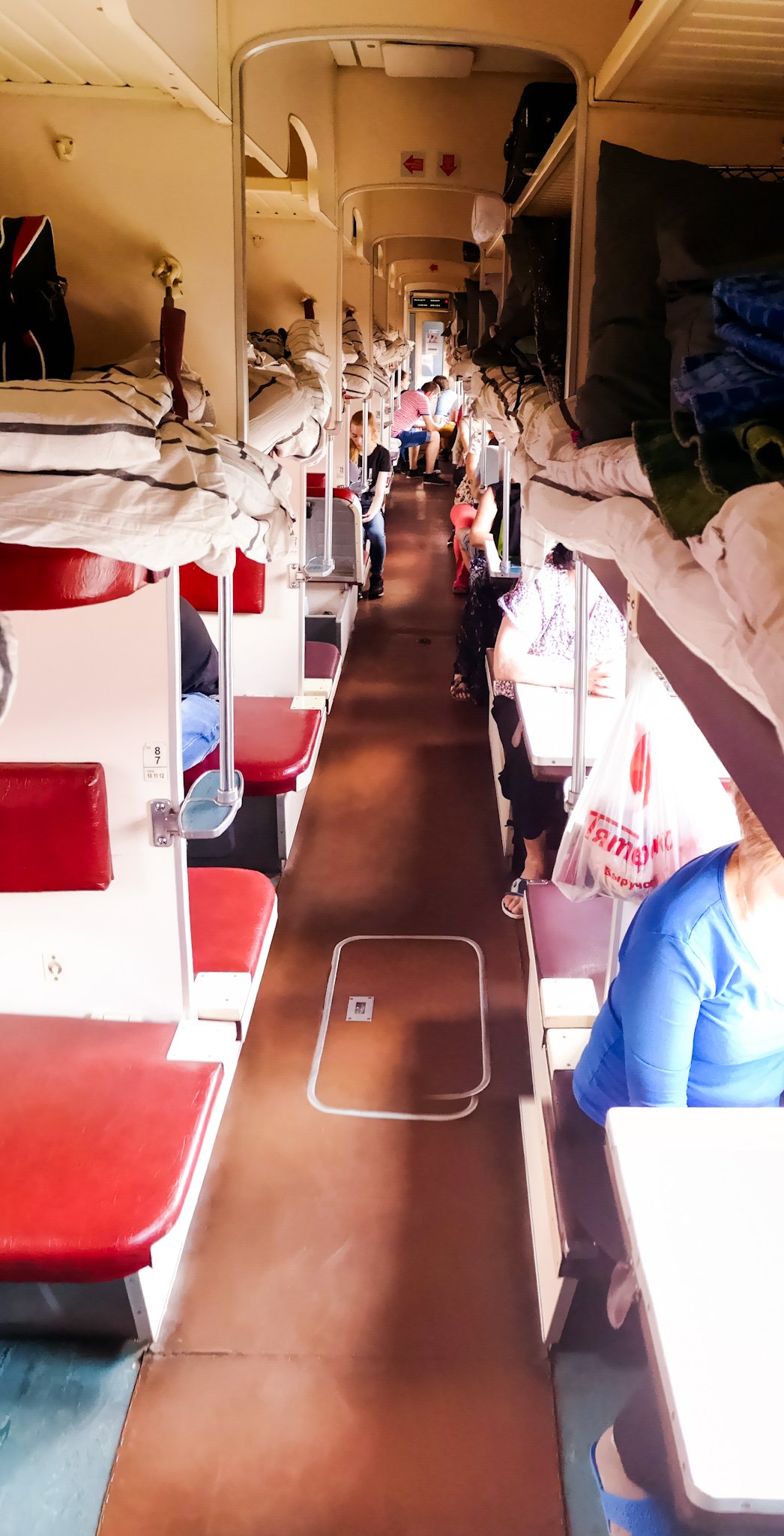
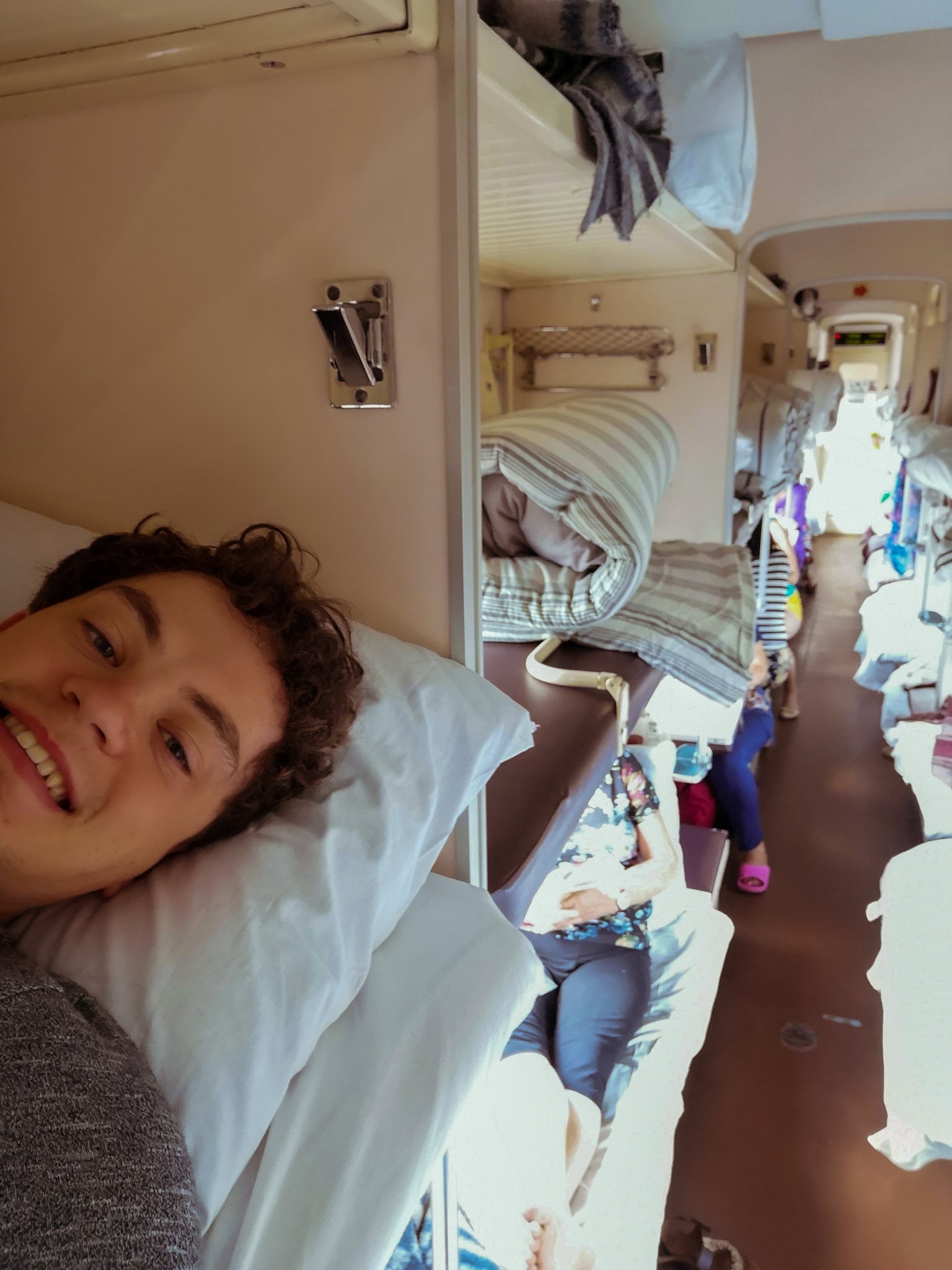
The carriage has one long corridor with no dividing walls. On one side are alcoves of 4 berths stacked in twos sharing a table and a window and opposite side of the corridor is another pair of berths which are generally considered less desirable as you are always in the way of the corridor and the lower bunk transforms into their seating area. I was on the top bunk of the side berth. I am smiling recalling Irina’s look of horror when I told her. With Shiné on the bottom birth adjacent, she let me sit on her bunk each day.

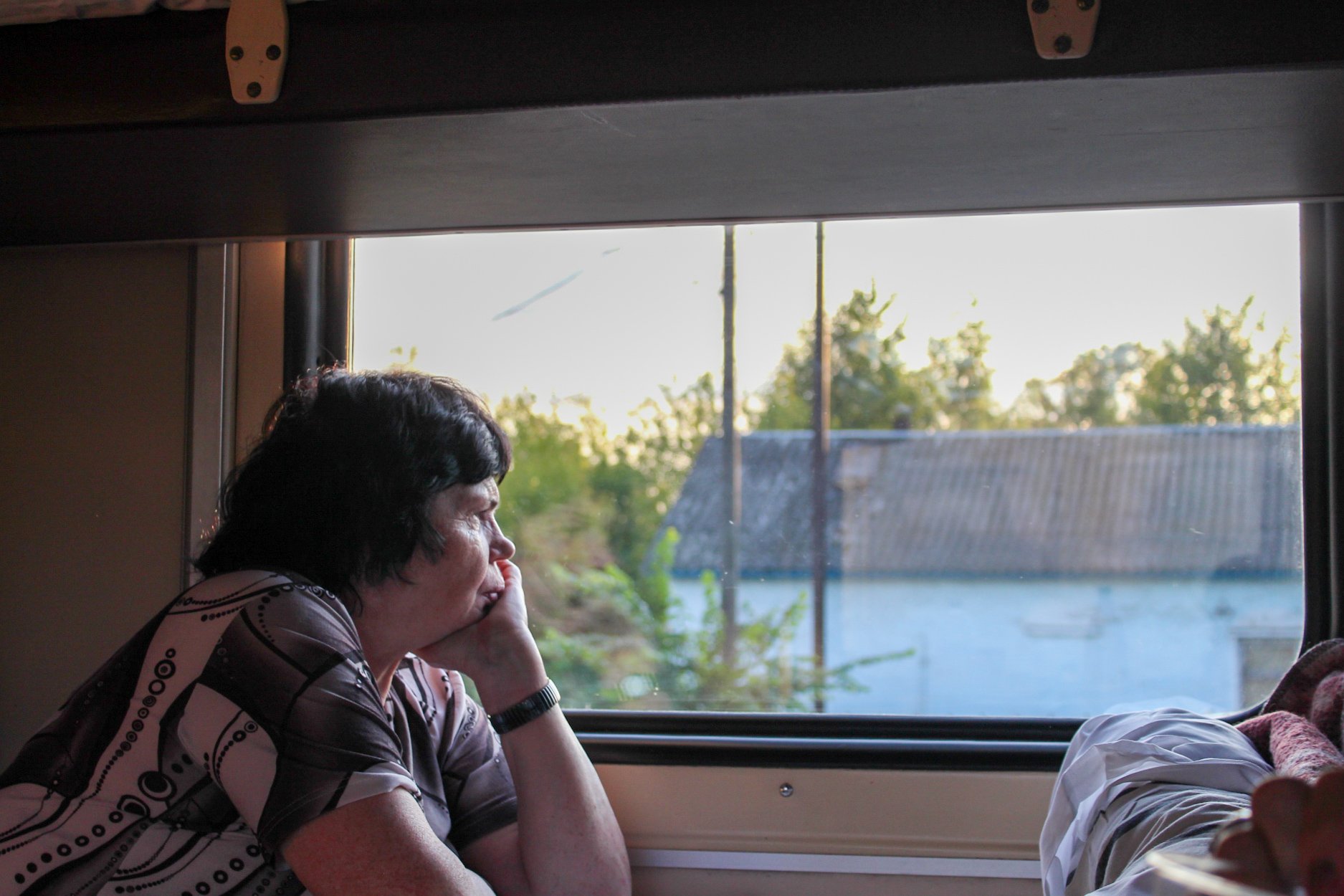
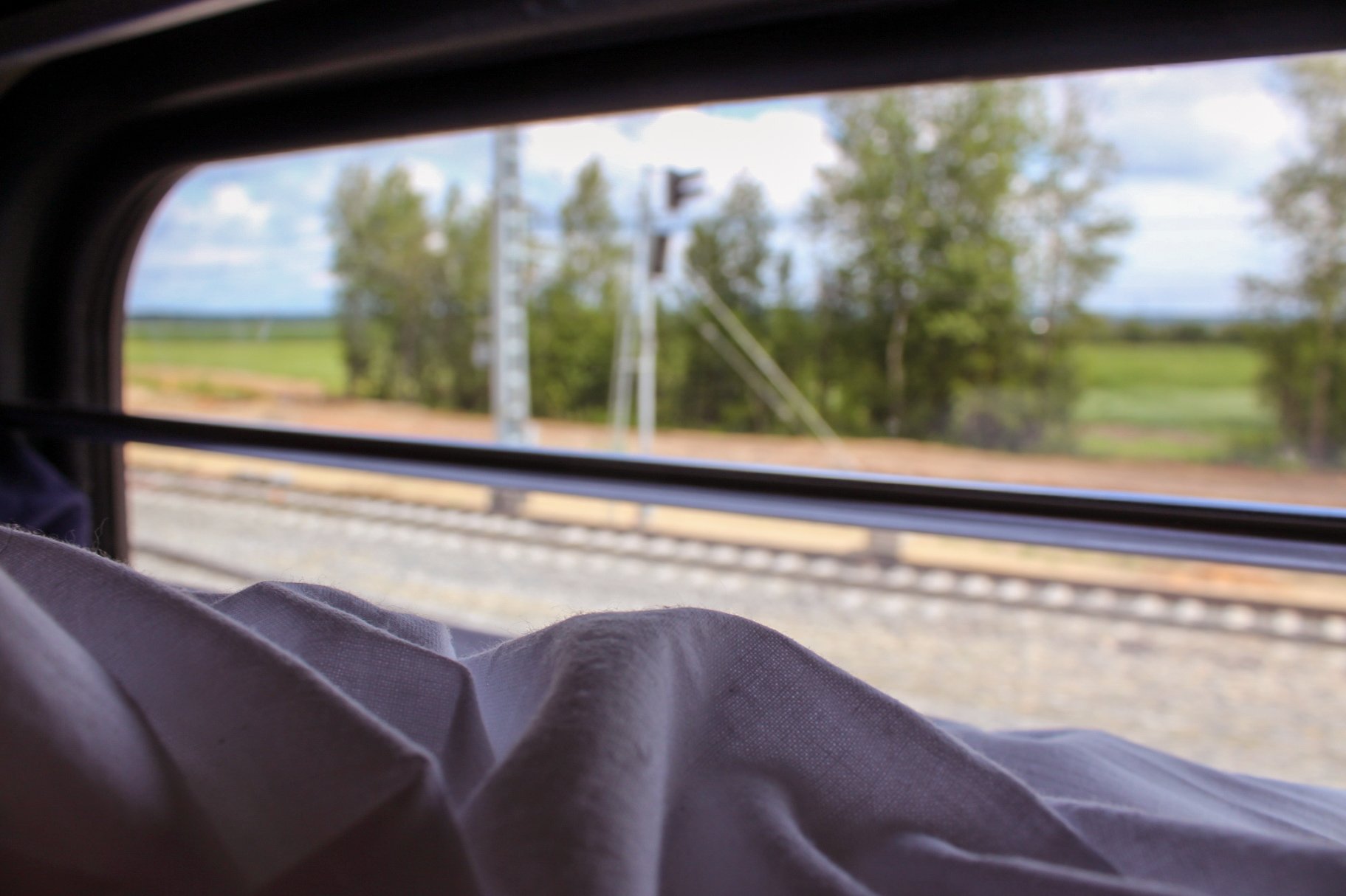
The scenery out the window is lush. In old Rus there are vast birch forests followed by the rugged Urals. After Omsk you are in Siberia which is at first wide, flat and boggy with a bluish fog that never clears. Then comes the pine forests (is this the taiga?) well spaced villages of wooden cabins shelter on hillsides. Shiné and her mother both separately commented how much it reminds them of Mongolia. I would love to return and see this in the snow.

Here in Irkutsk I end up buying a subway because nowhere else was open. I had hoped there would be WiFi but no such luck. The experience ends up being pleasant-surprisingly russian with russian pickles, white cabbage and russian style mayonnaise on my БМТ. Irina had warned me that Russia works the opposite of the UK in that the further from the capital, the more expensive the food. The subway cost me 499₽, more than I spent on the entire train journey (although I admittedly lived off only Irina’s care package and instant noodles).

I’m in no rush to see Irkutsk. It’s not a large city and I have 5 days here before getting back on the transsiberian to Chita then on across the Chinese boarder. What I really want is to get some WiFi so I can find a laundromat and to checkin to the hotel so I can finally shower!

* apparently in the original Russian this is a pun on anthrax

From Moscow with love

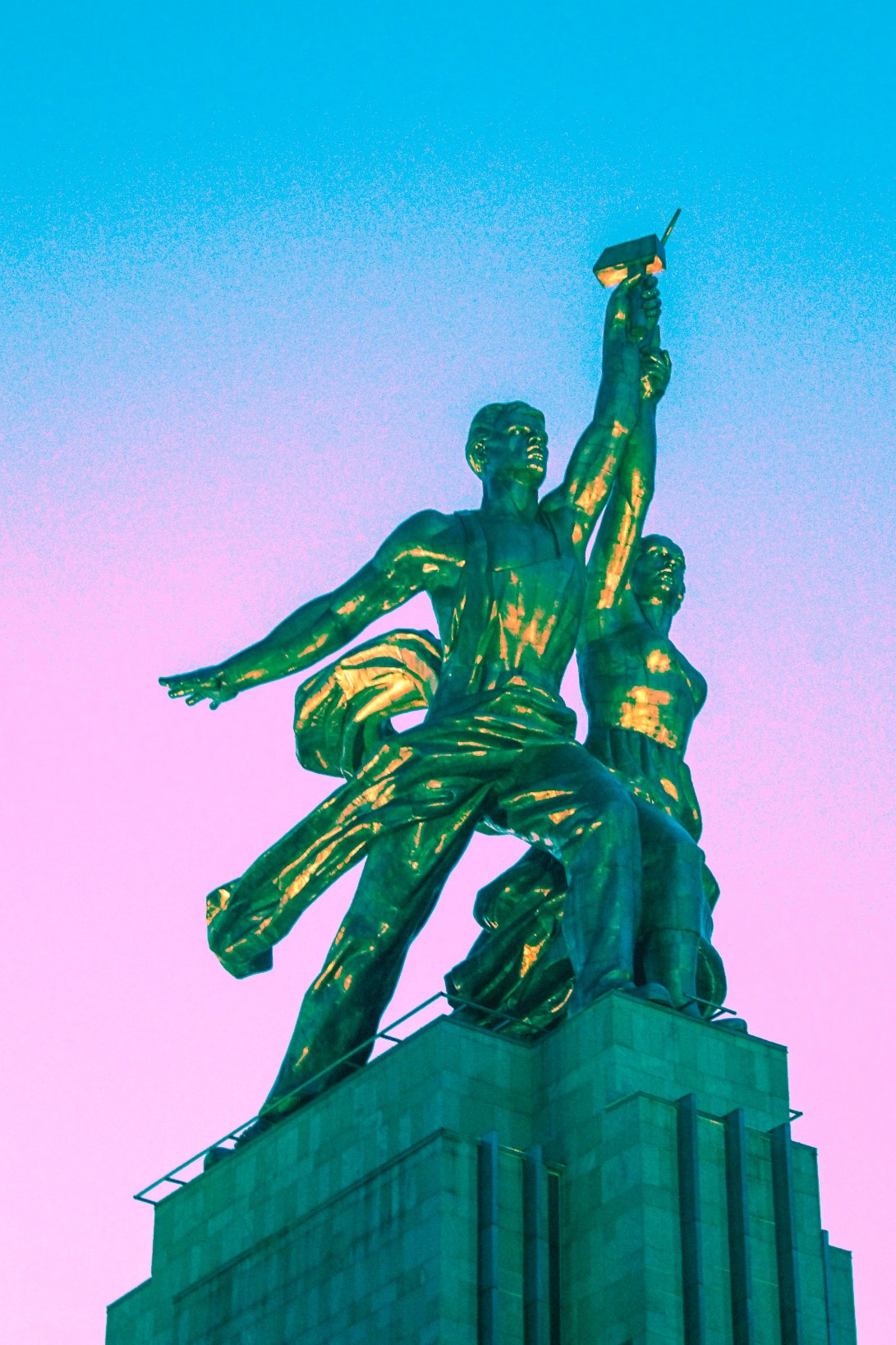
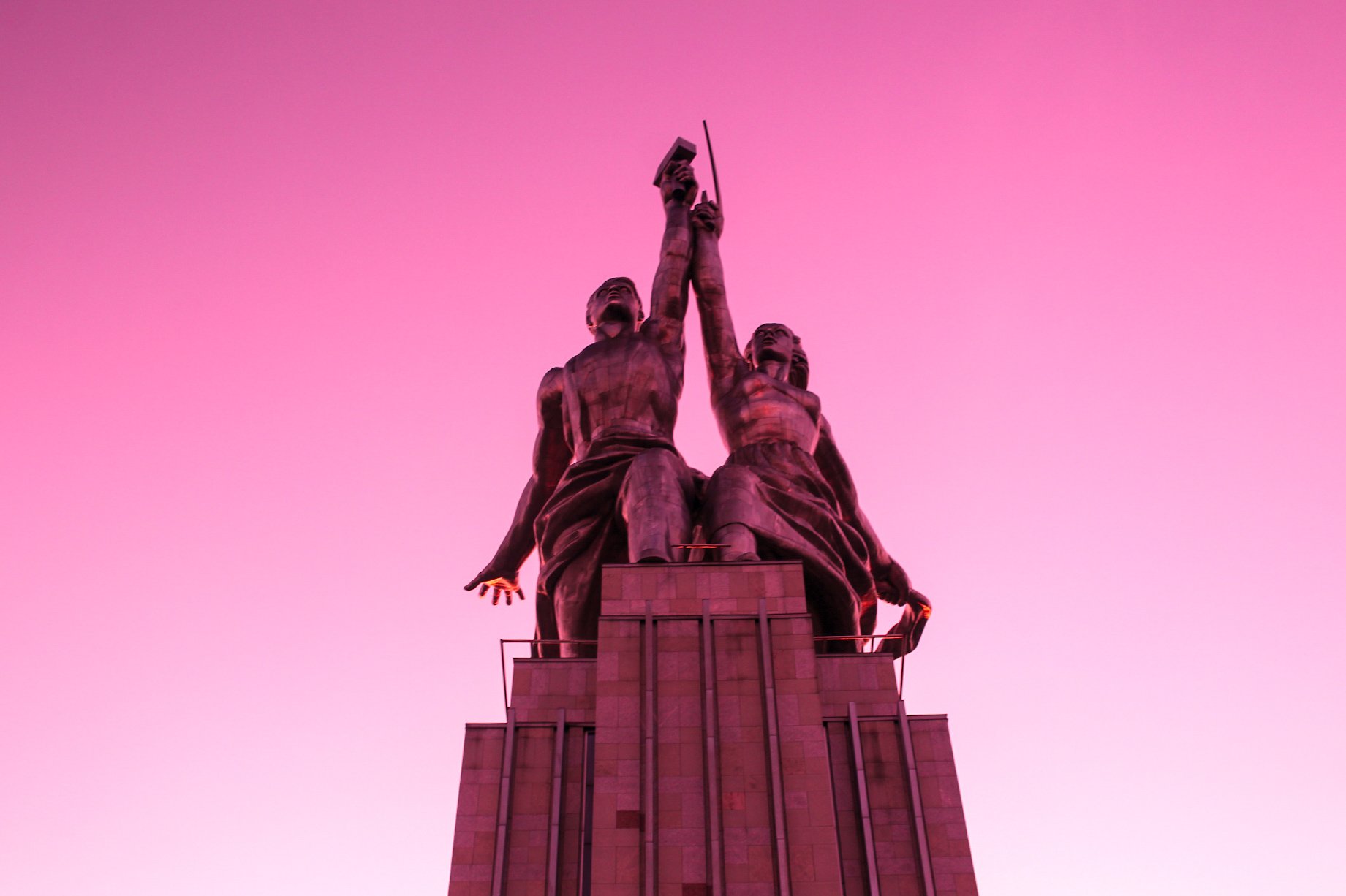
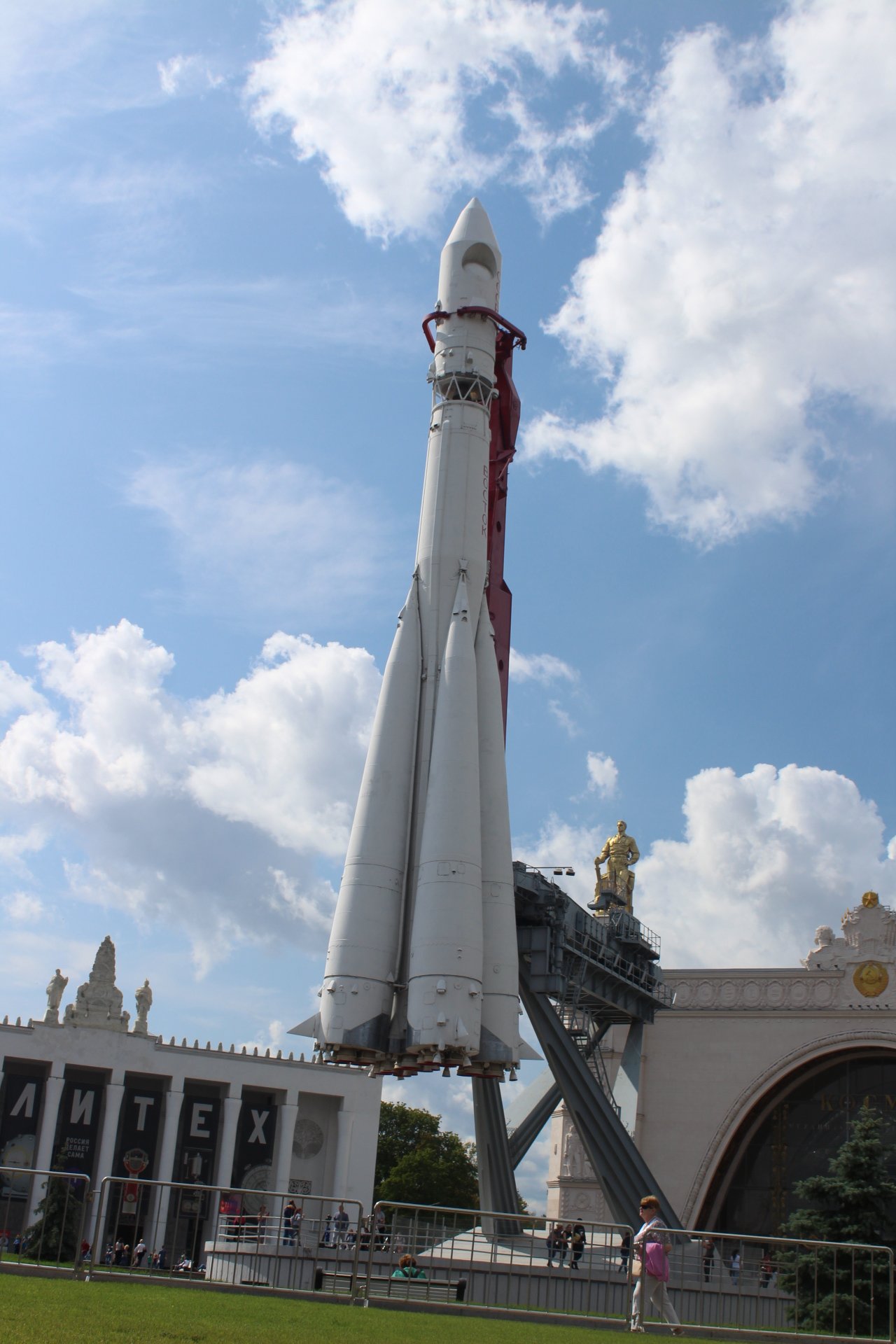
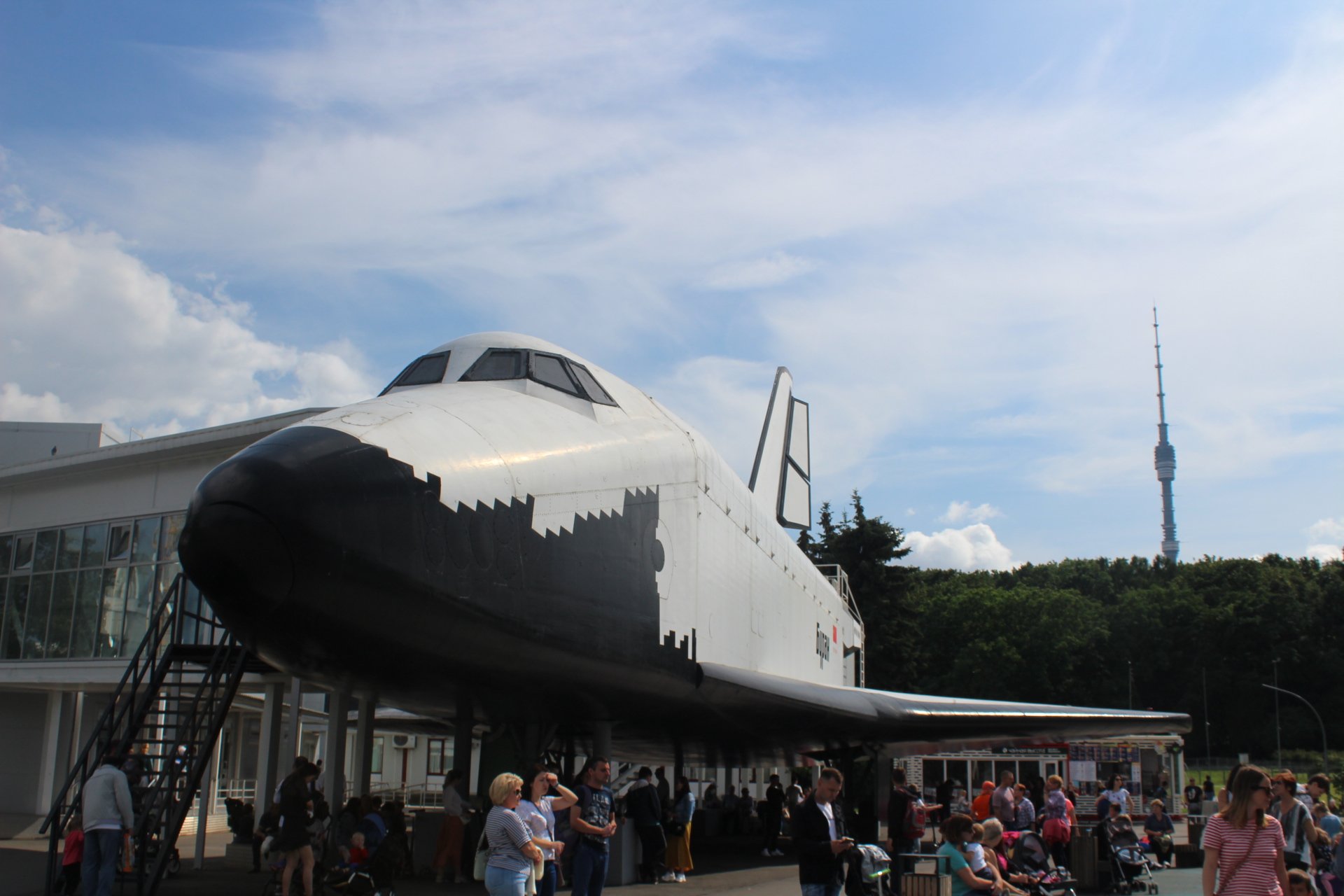
What to do with just two days in Moscow? “Its not enough time!” complain all muskovites I asked but eventually yielded: Red Square (with The Kremlin and St Basil’s), Metro tour and VDNKh.VDNKh is a park full of monuments to Soviet Russia; including cosmonautics, the republics and the 1937 world fair statue: Worker and Kolkhoz Woman. I tried my hand at some arty stylised photos.
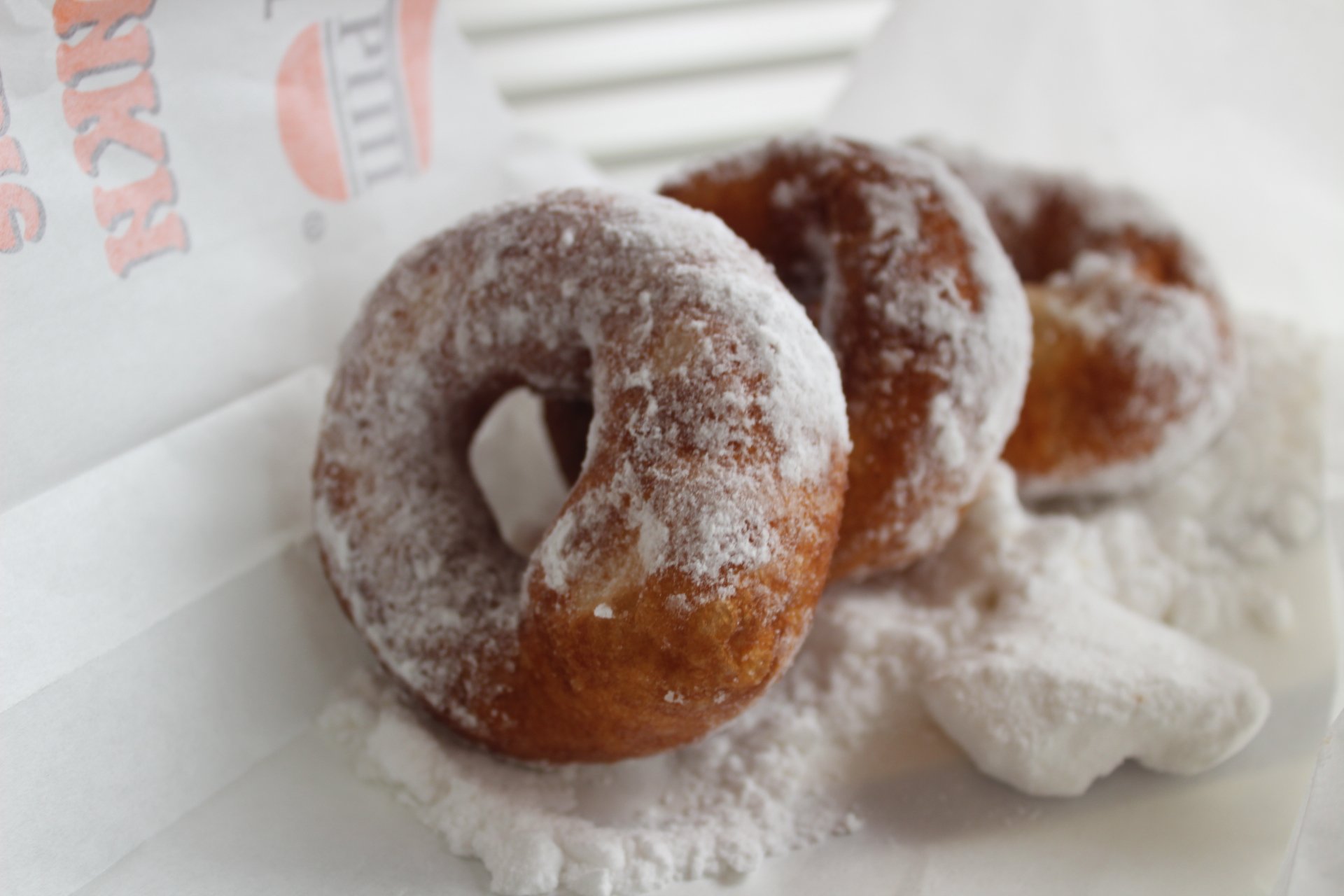
Everyone told me the donuts at VDNKh are the best. They are similar to churos batter but in a ring shape then dusted with icing sugar. They’re delicious!

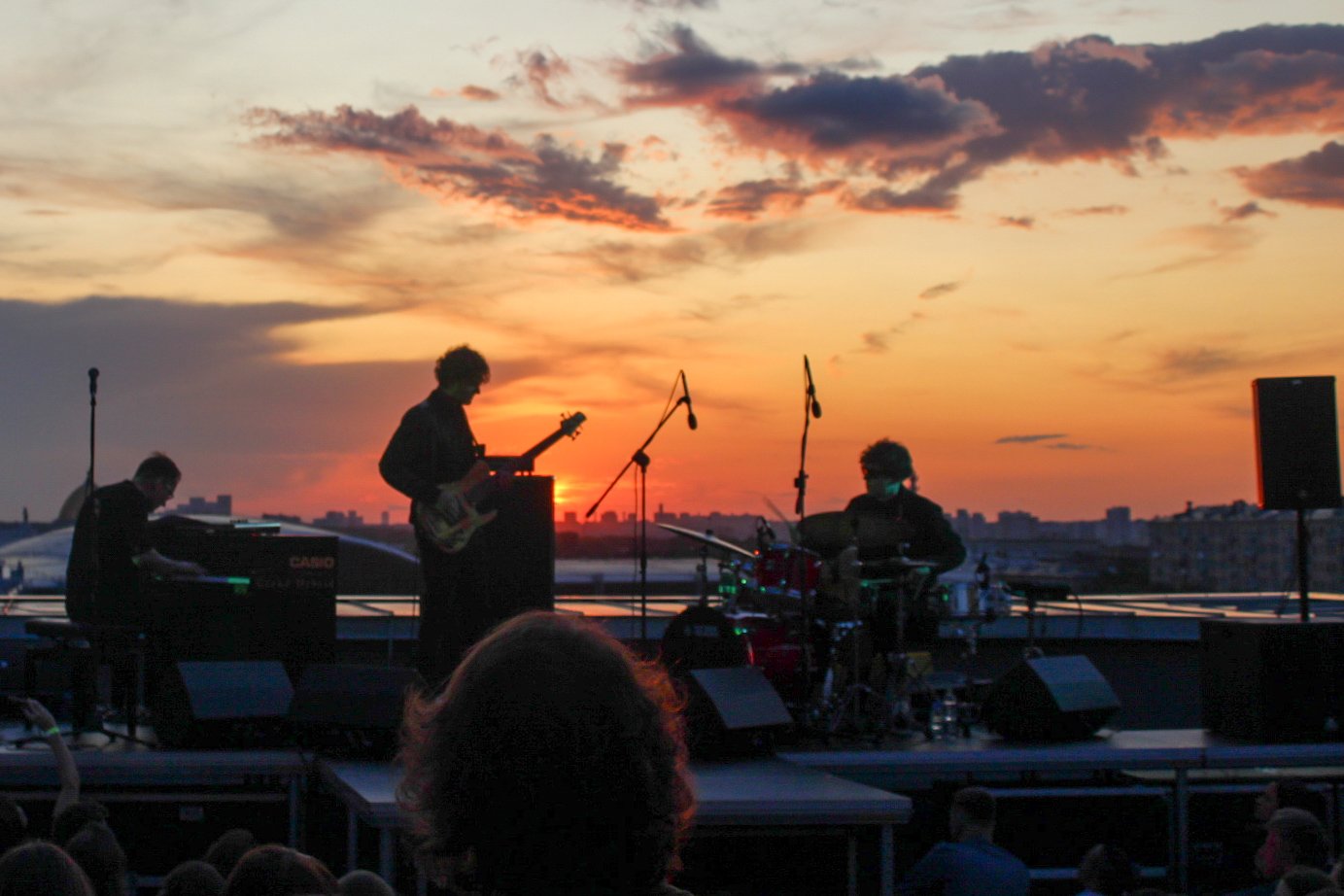
In the evening I went to the Worker and Kolkhoz Woman statue to watch a jazz concert on the roof courtesy of Irina. What better way to get an aerial view of Moscow in style?

The following morning it was finally time to catch a train on the transsiberian railway!

Southend-on-Sea to Soviet Canteen

I had booked the cheapest flight to Moscow that left as soon as possible. This meant flying overnight from Southend to Moscow Vnukovo via Chisinau, which I found out is the capital of Moldova and we used to call it Kishinev. Southend Airport turned out to be horrible and Chisinau really nice.

I landed in russia at 10am then learned that russia has the slowest passport control in the universe. Even so, by lunch time I had caught the really swanky double decker express train into the middle of Moscow and was ready to get to grips with Russia!

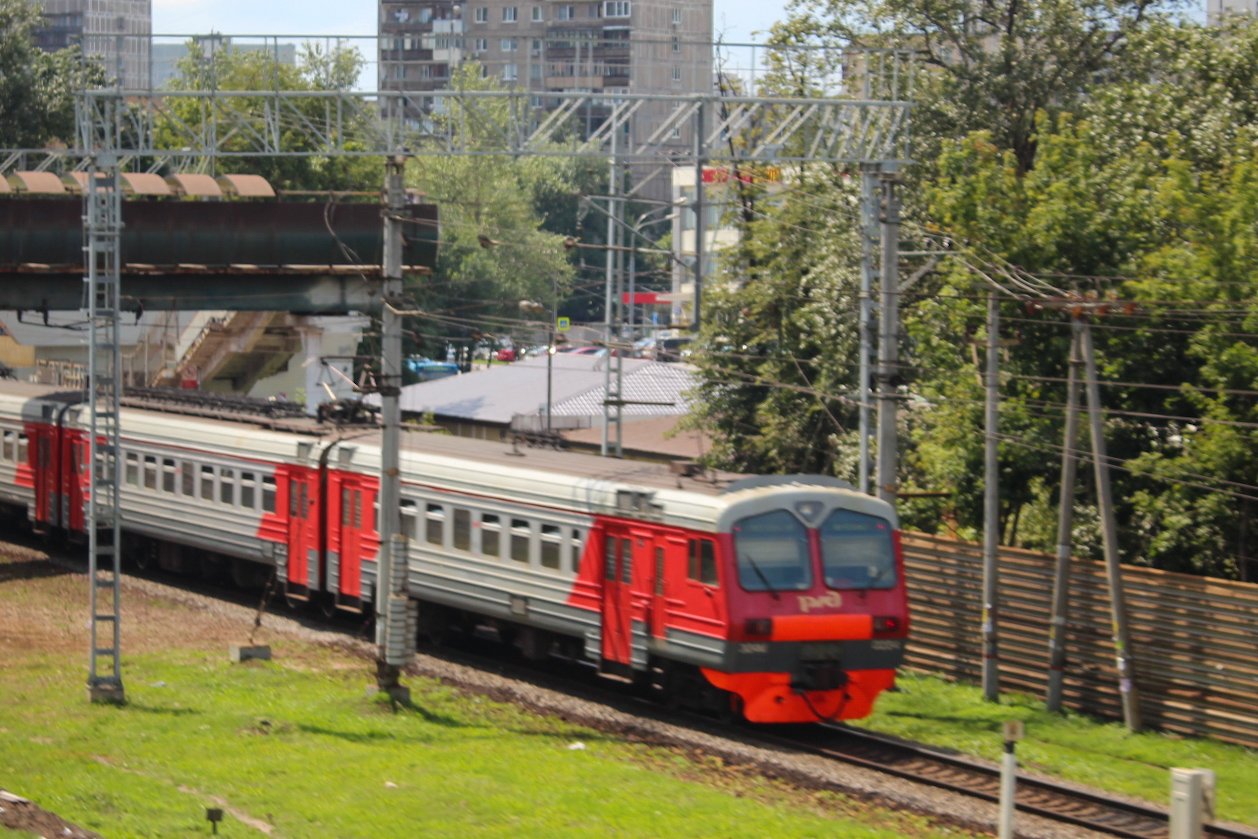
The train ride took about an hour and passed some small towns, some with beautiful medieval architecture and some made of slums that reminded me of Vietnam. Coming closer to Moscow I saw industry on a scale I’ve never seen before. Sprawling factories, never ending freight trains and convoys of massive lorries. It really excited the nerd in me who’s been playing far too much Transport Tycoon recently.

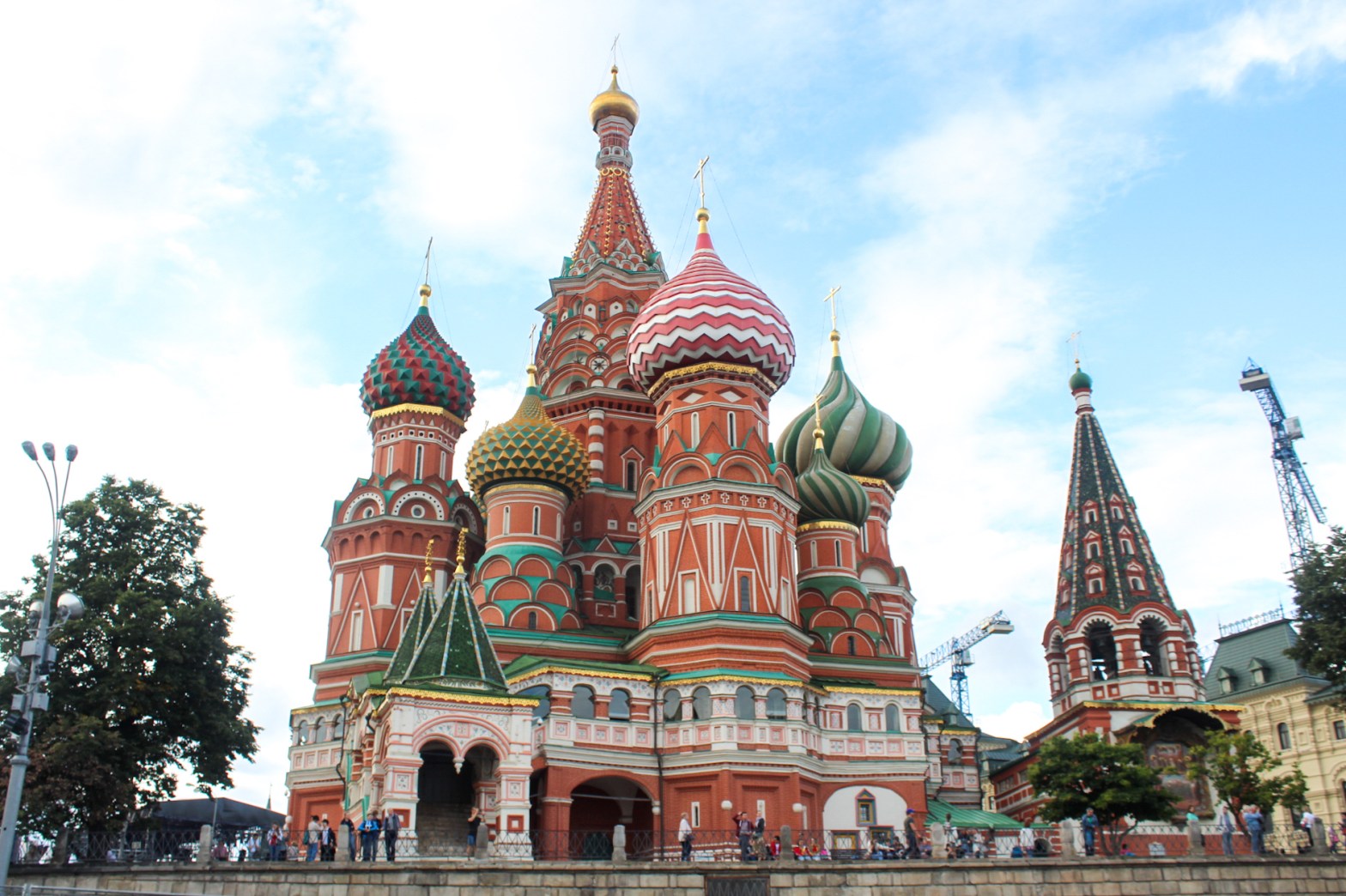
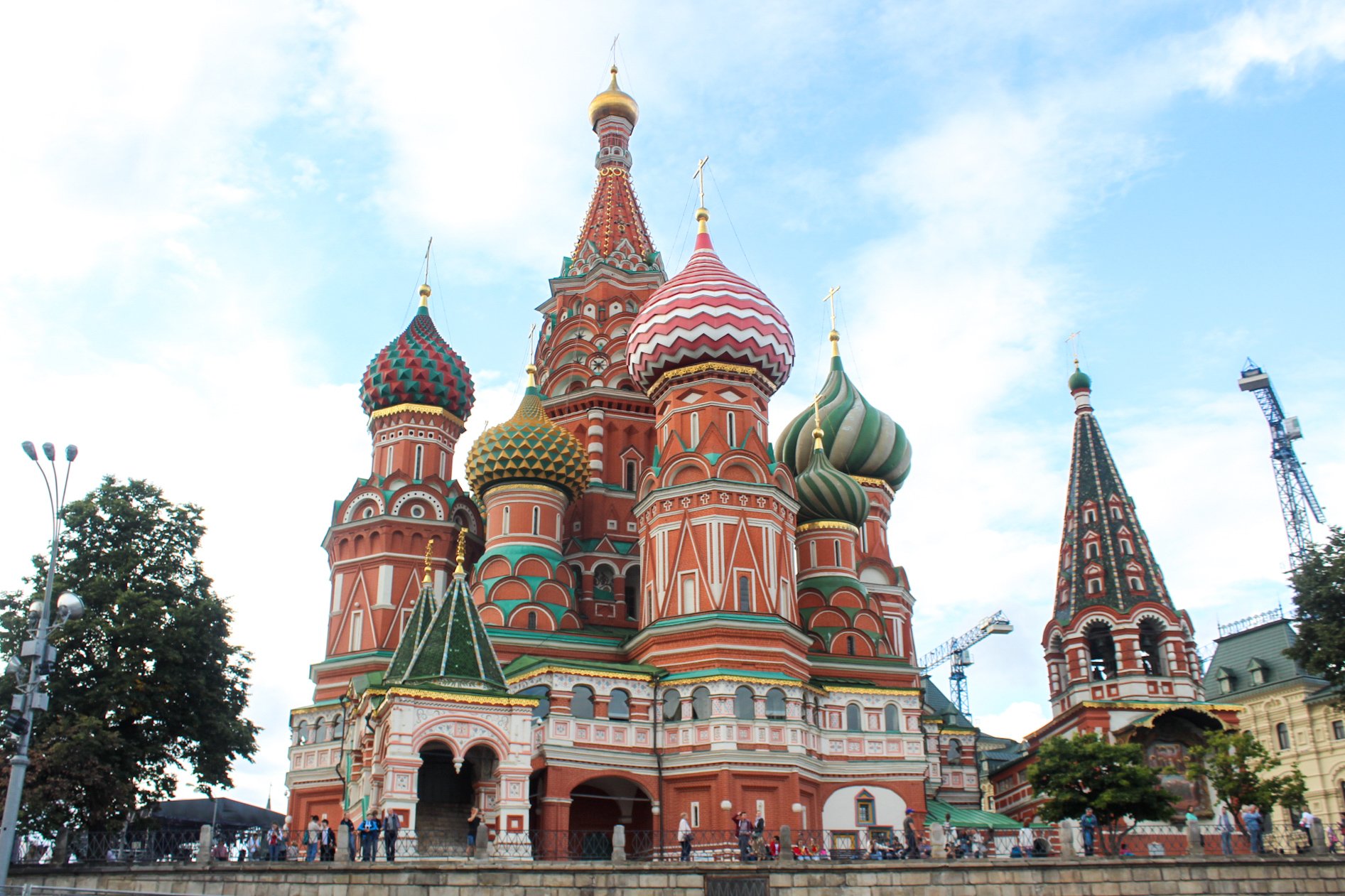
The first thing I wanted to see was Red Square and St Basil’s Cathedral, famous for its iconic onion domes. I found out there is also a park next to the red square called Zaryadye Park which is also surrounded by impressive buildings.

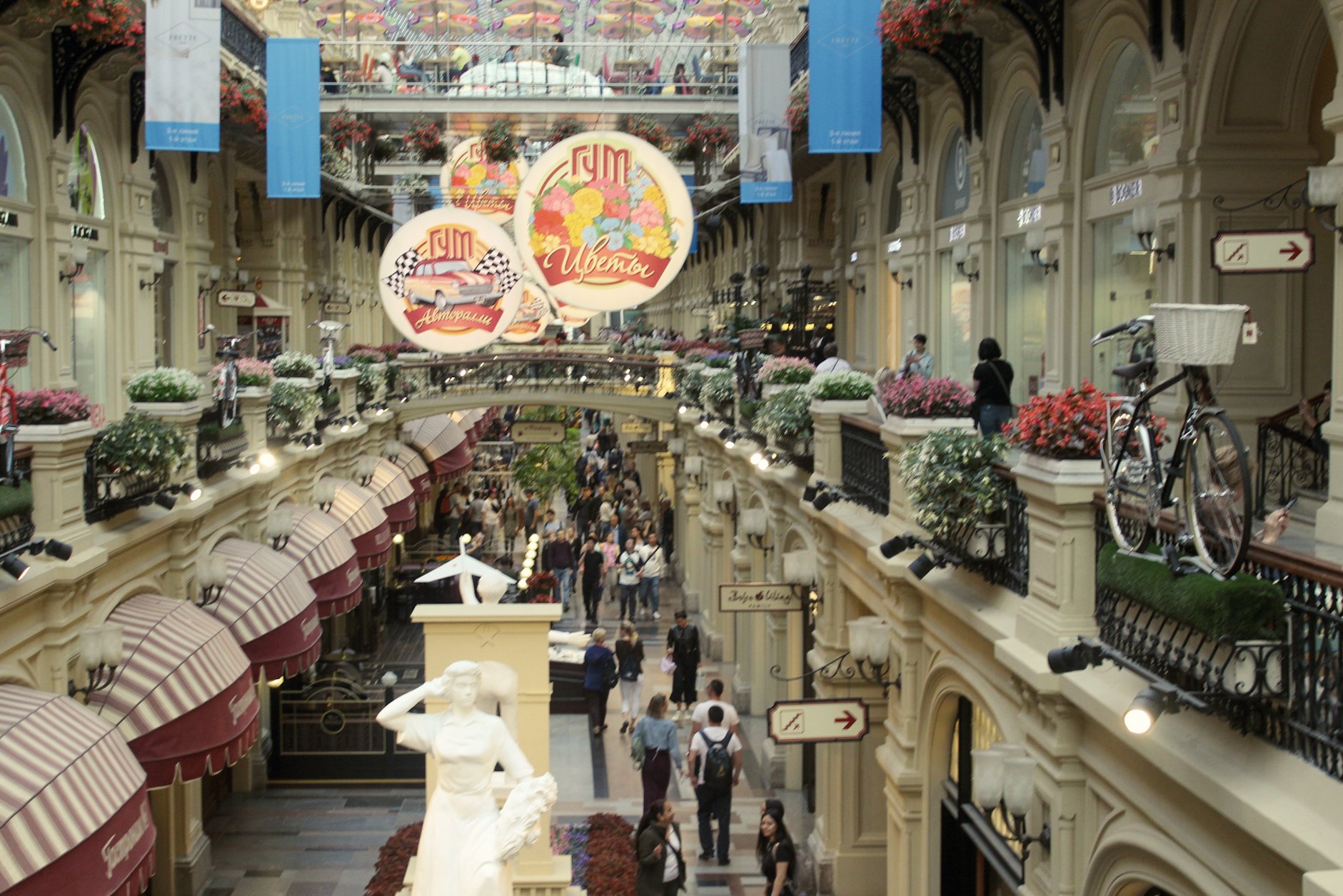
I was told that when going to Red Square, it’s essential to visit the ornate shopping centre GUM and buy icecream. This shopping centre was once the most impressive State Department Store, inspired by traditional russian architecture and London railway stations. Now its the place to buy icecream and the queue was massive.

St Basil’s Cathedral

GUM shopping centre in Moscow

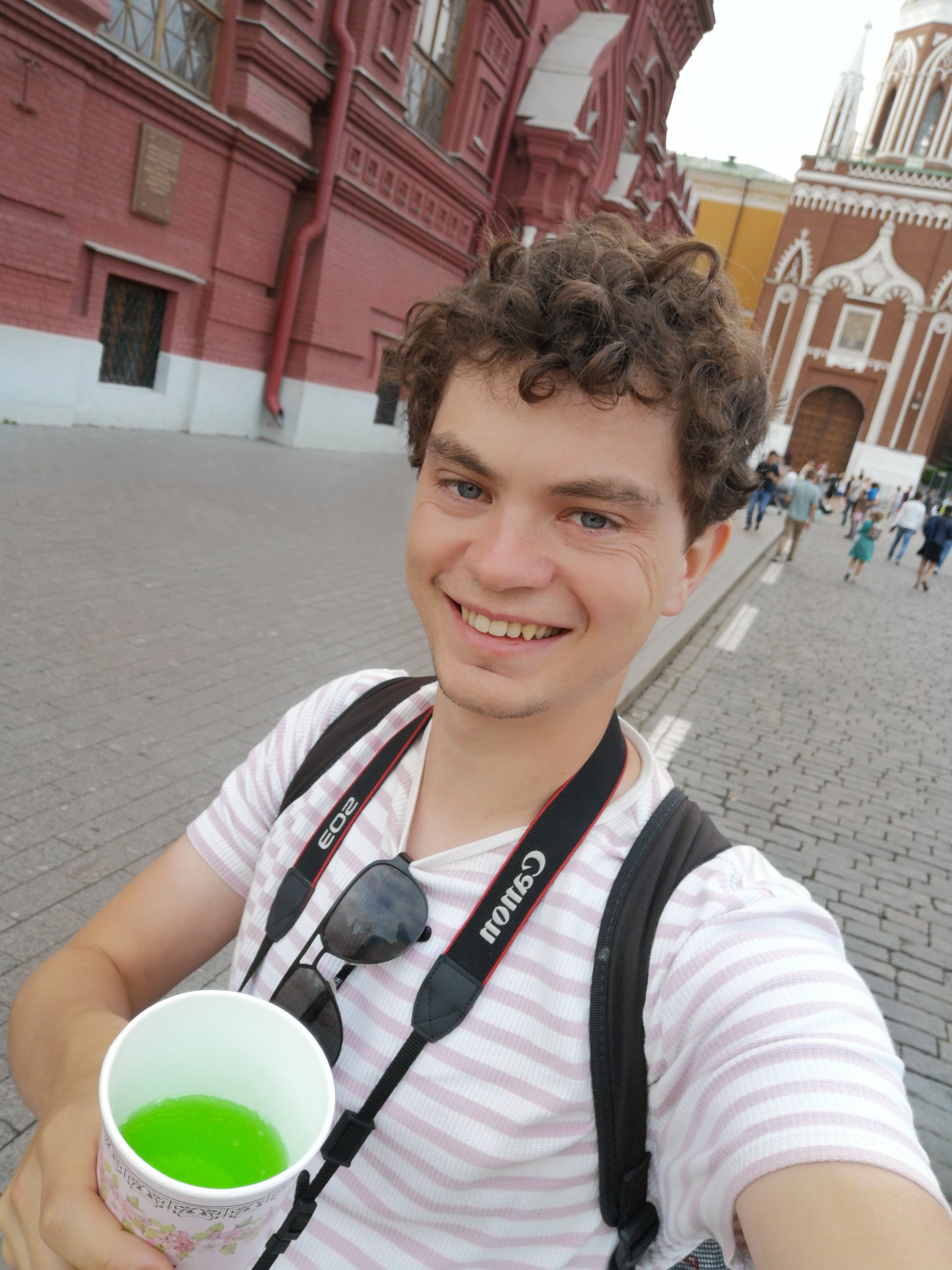
I was also told to look for the bright green drink Tarhun which was available all around the square and GUM. It really is bright green and very delicious!

A cup of Tarhun: always very green and very delicious

In the evening I met up with Irina, who is one of my friend in England’s mum, who had kindly agreed to show me around in exchange for crumpets.

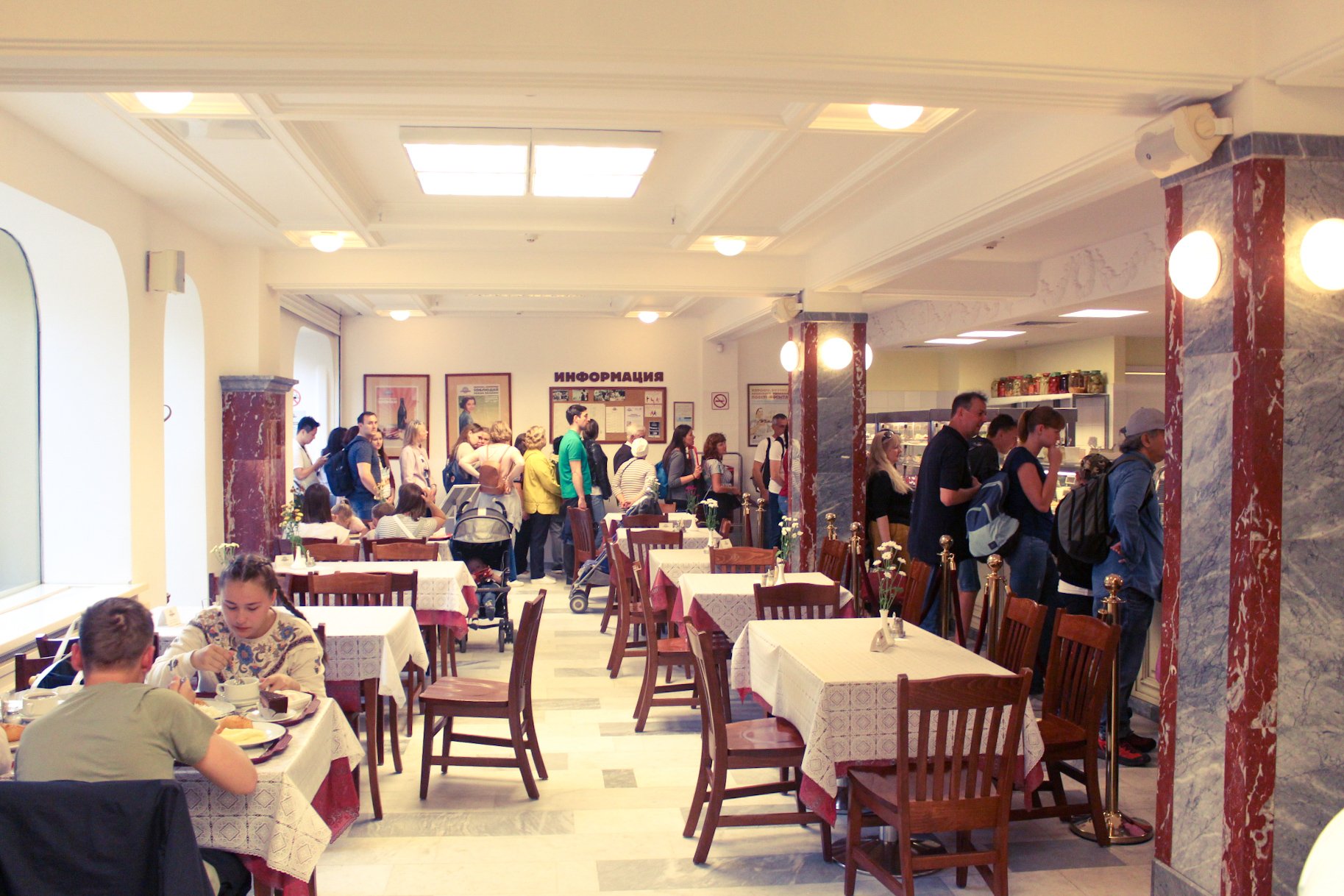
She took me to have dinner at a retro soviet canteen called Stoloviya 57 after the World Festival of Youth in Moscow in’ 57. Irina says its exactly like the canteens she remembers except it has a better range of squash to drink. I had Okróshka soup, herring in a fur coat (shredded beetroot), liver stroganoff with buckwheat, followed by a starchy fruit drink for afters that was something between a drink and jelly. She said I was very adventurous and she’s never even tried the liver stroganoff!

Stoloviya 57 from outside

The queue for Stoloviya 57 was out the door! Everyone seemed to be Russian

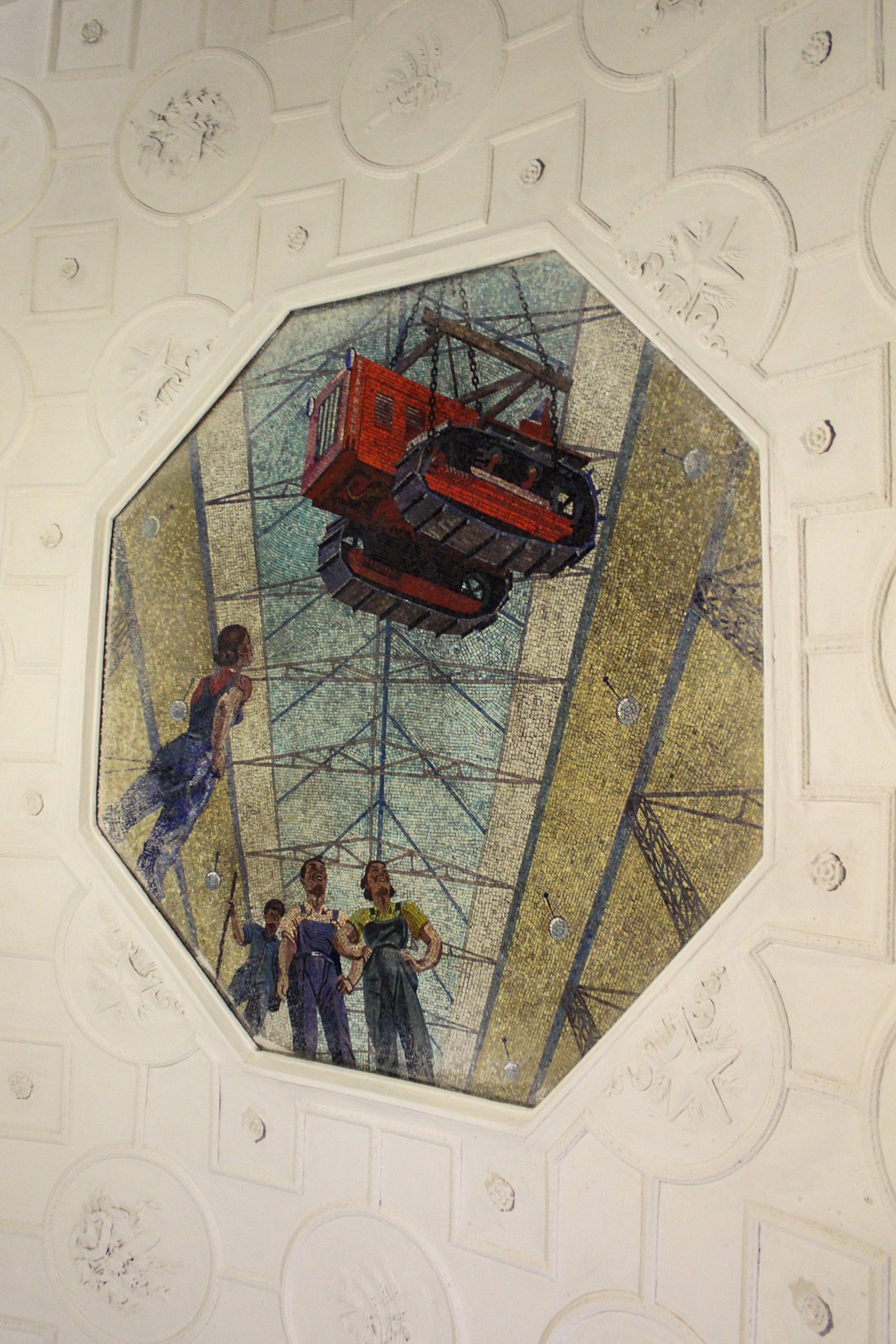
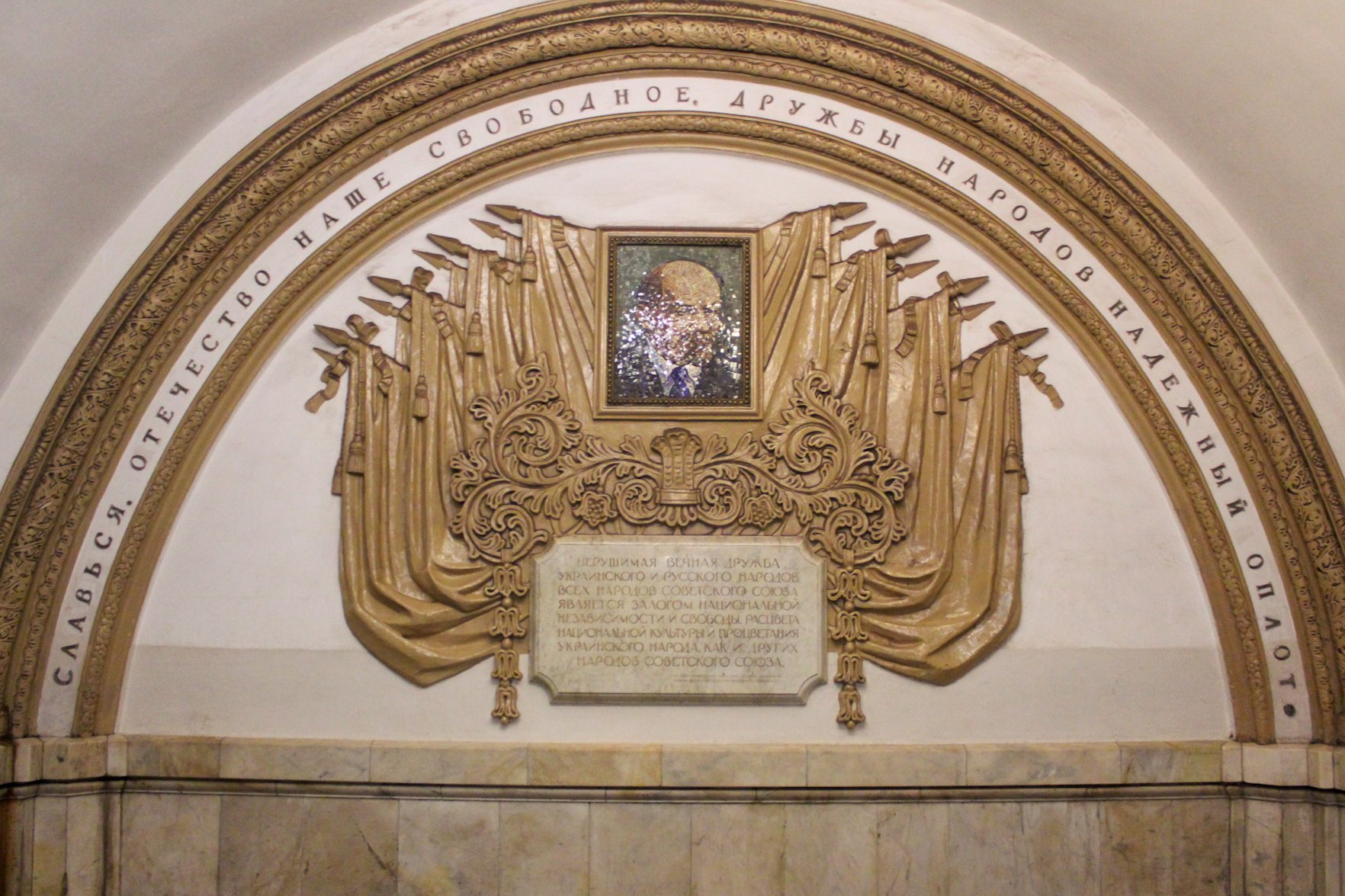
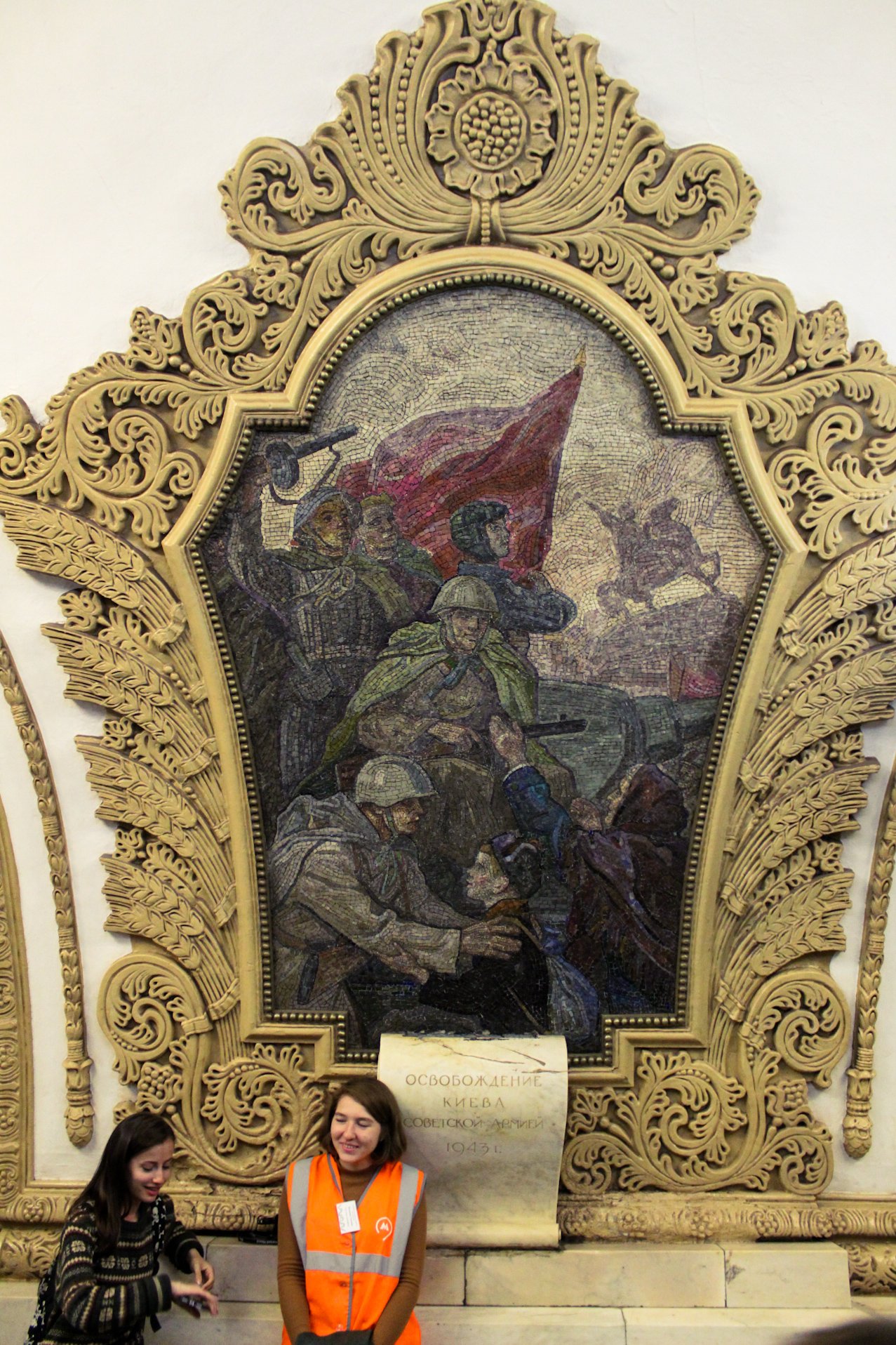
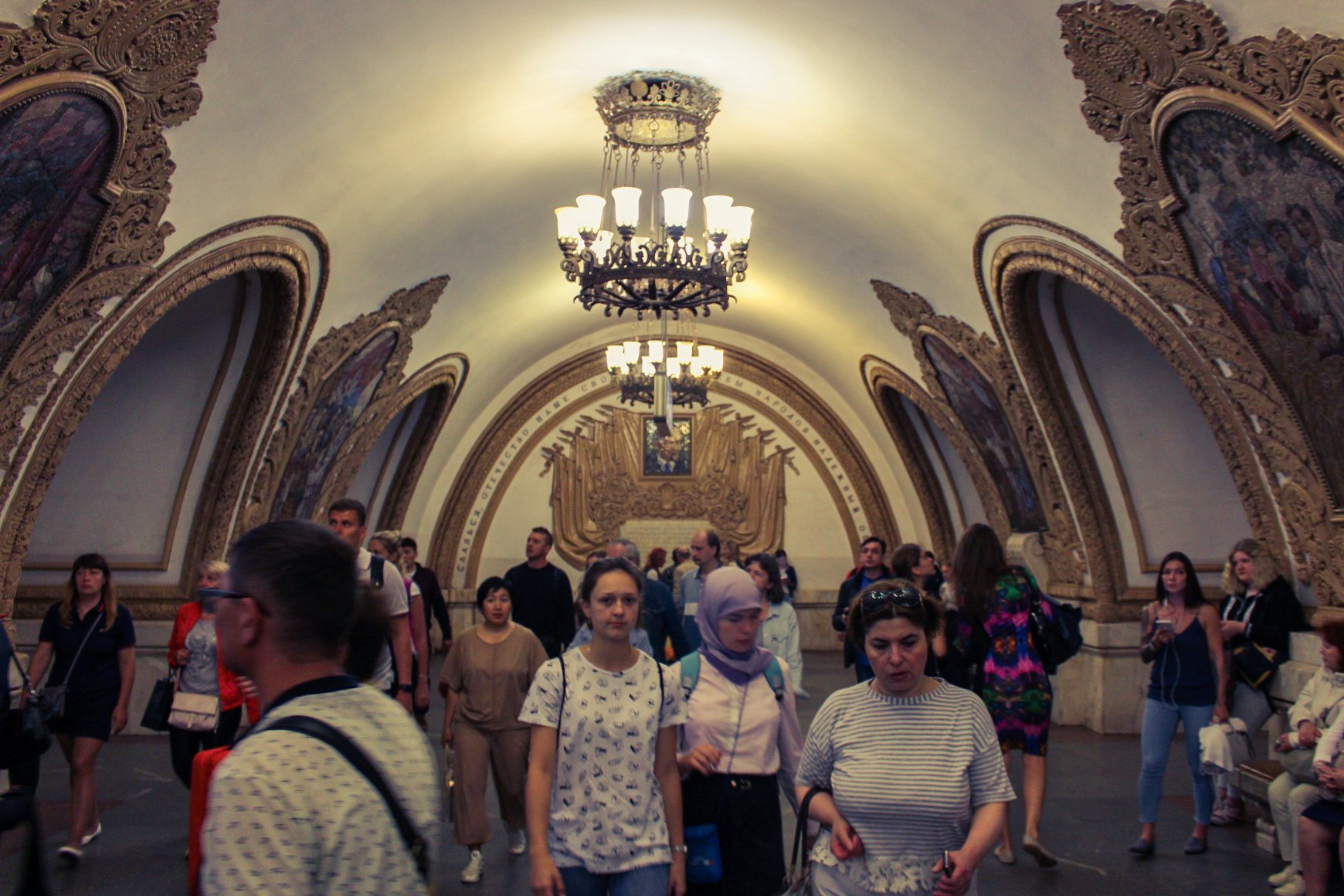
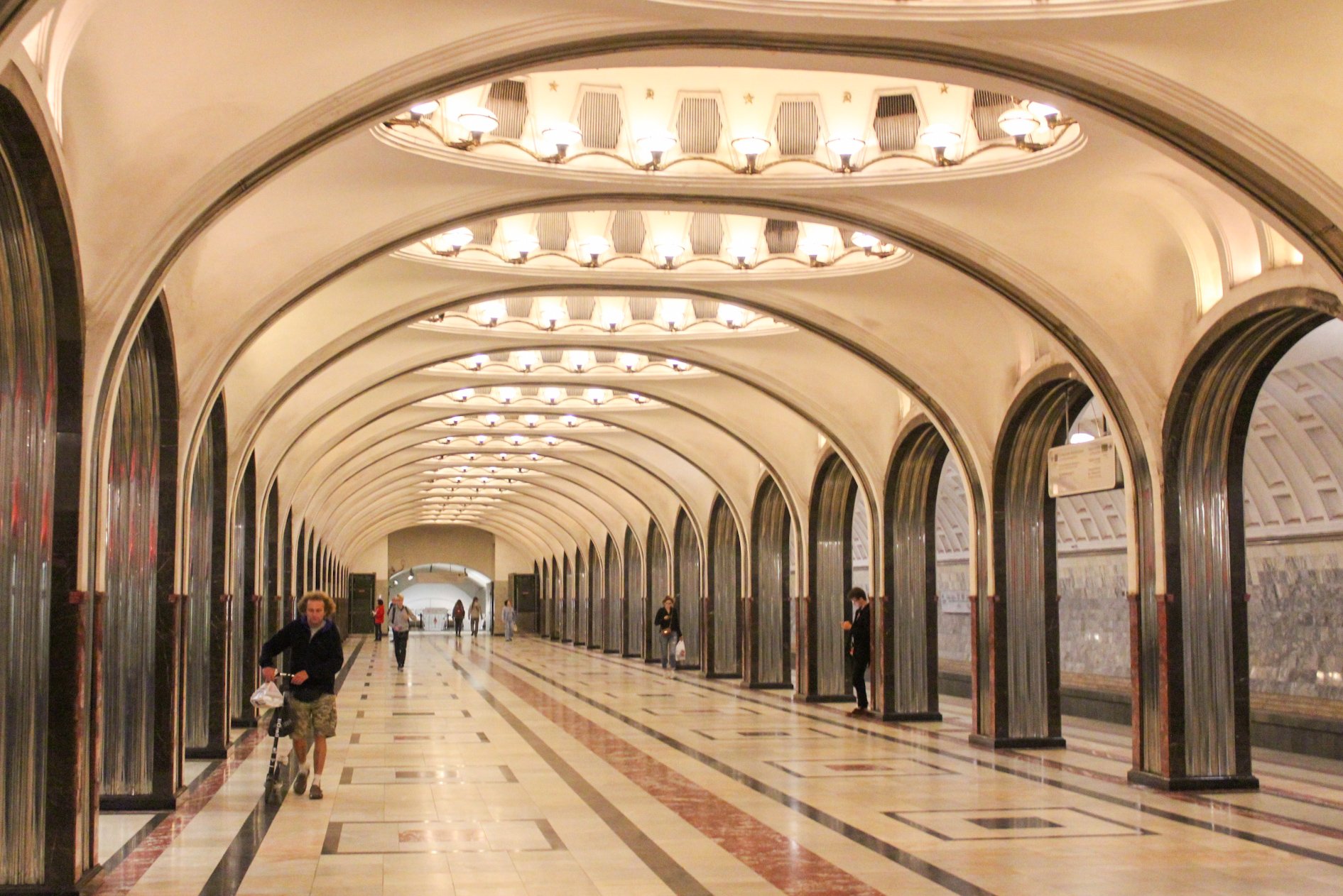
After eating she took me on a tour of the Moscow metro underground stations. These stations are all decorated with marble and semi-precious stones and each is unique and has a story. One is where the government were based during the blitz and has murals of fighter planes another one was being built in 1943 and is decorated with mosaics made in Leningrad while it was under siege! I think these stations show how much respect there is here for public spaces and institutions, something we might have had once in the UK when we built glorious railway stations but that we have now lost and don’t look after.

This station was used as the government base during the blitz due to being the deepest at the time

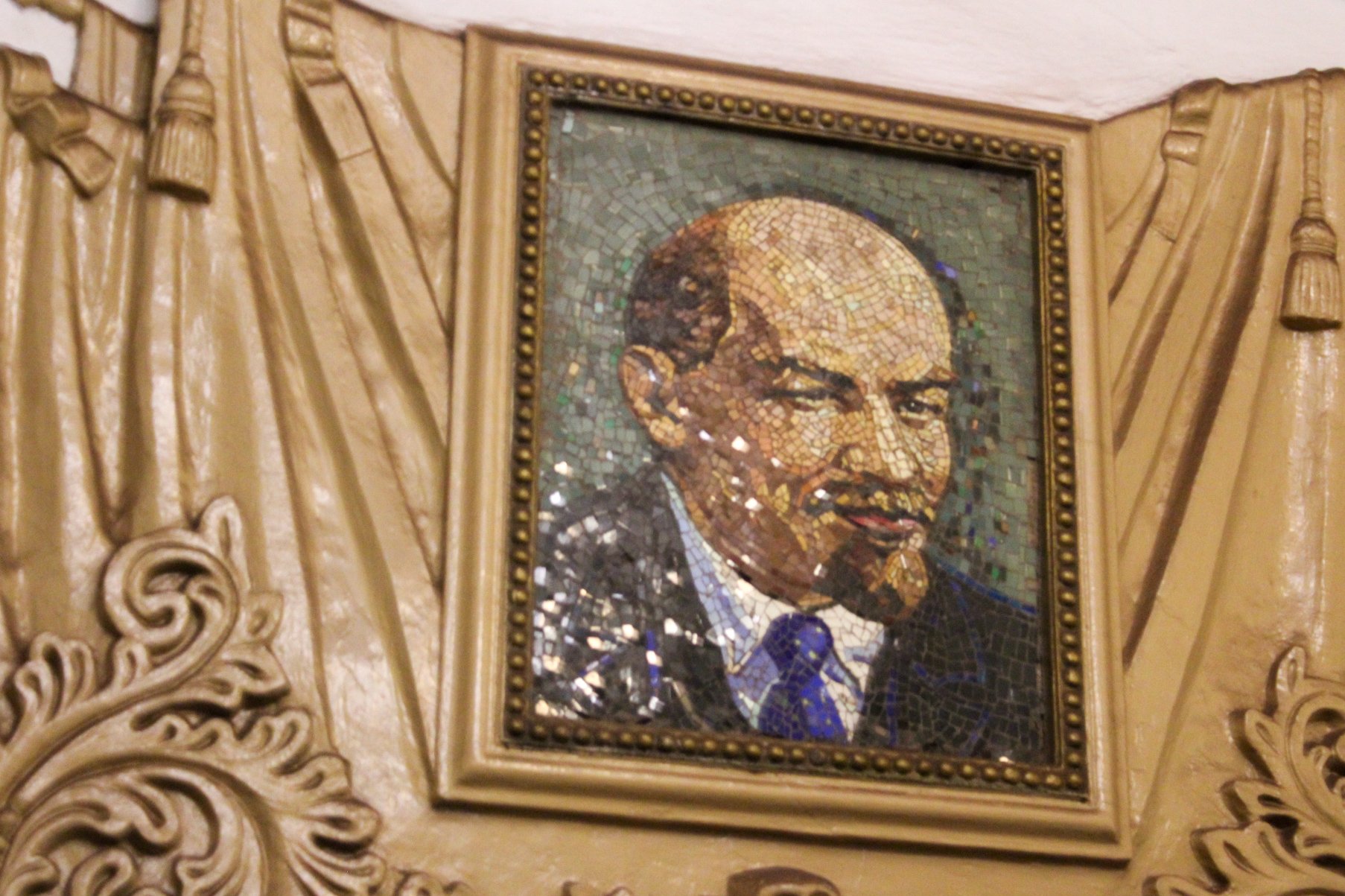
This mosaic was made in Leningrad in 1943 when the city was under siege. Fifteen were made in total but only 6 made it to Moscow and survived

A

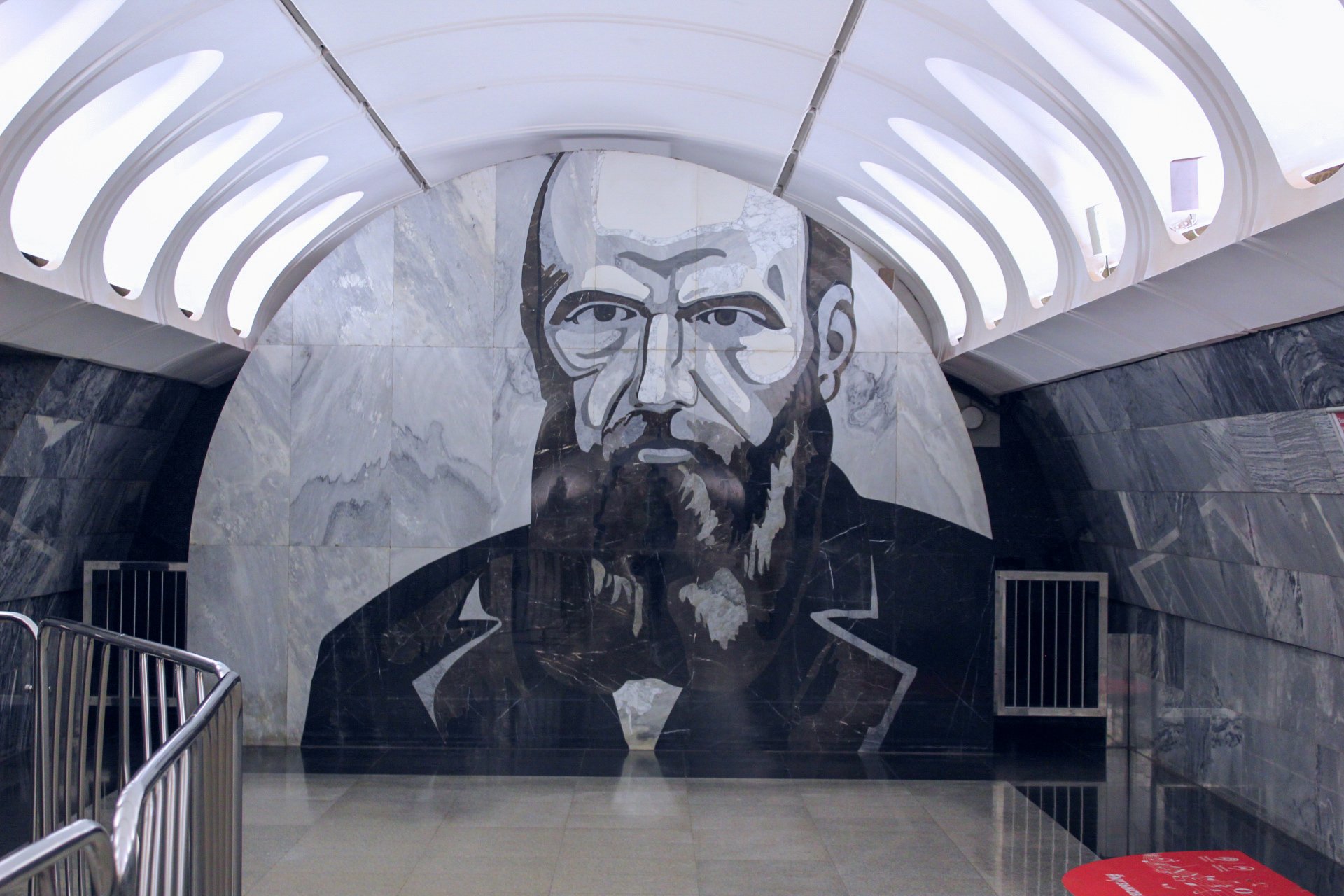
Glowering face at Dostoyevsky station. Another name I recognised on a station was Mendeleev.
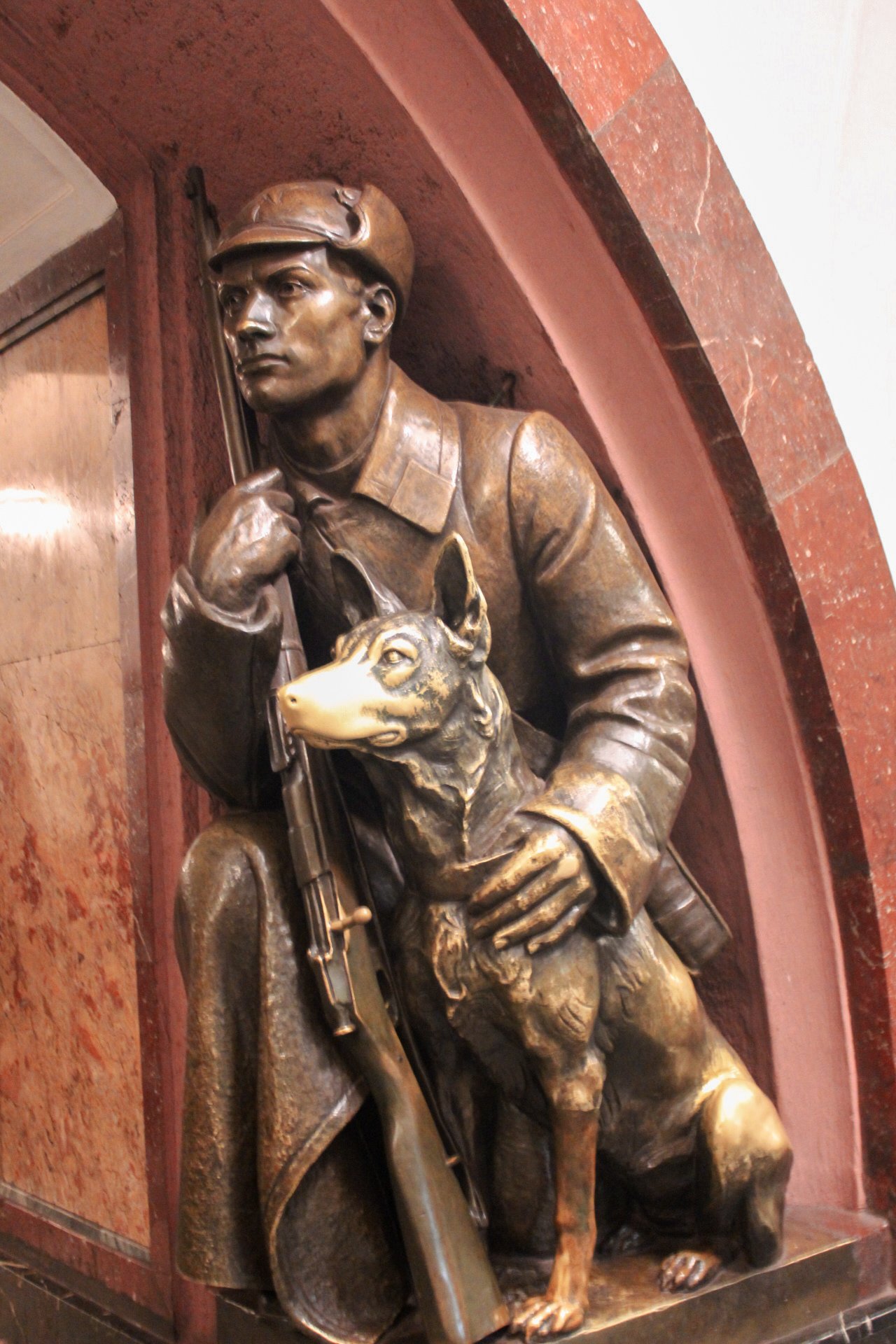
It’s said to be lucky to rub this dogs nose. I’m told they’re based on a real pair

My first impression of Moscow is that its a modern city that’s still thinking of future development whilst also being proud for their heritage.

So far, the impression I have got of their feelings towards soviet times is not negative. There seems to be great respect and administration for what was achieved and the adversity that was overcome. There is even some nostalgia even amongst the young people – who were queueing out the door to eat at Stoloviya 57. There are so many statues and paintings of Lenin that I got bored of photographing them but I’ve yet to see any of Stalin.

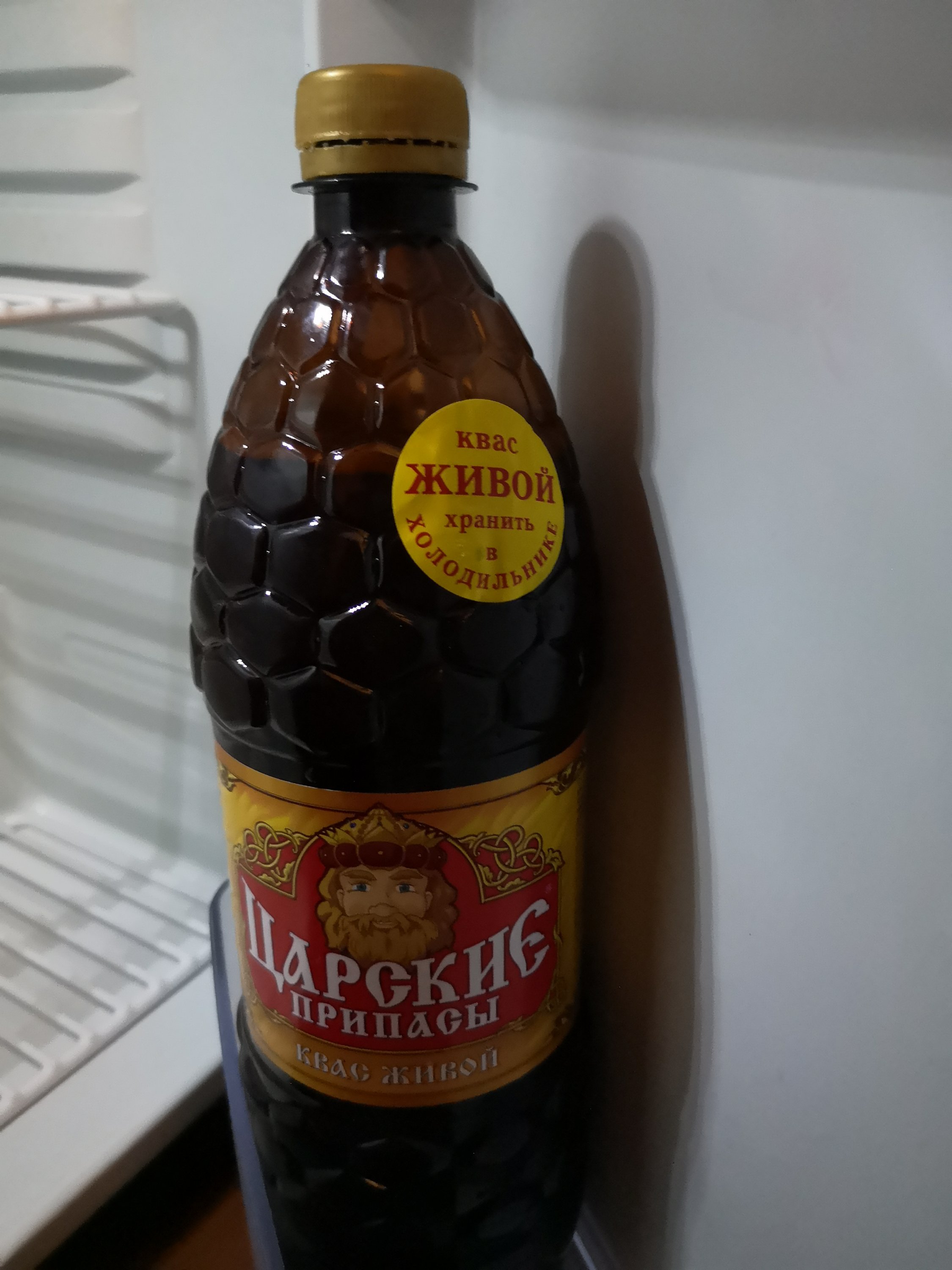
As I’m writing I’m sipping Kvass which is a naturally alcohol-free beer brewed from rye bread which is also a key ingredient in Okróshka soup

Kvass: naturally alcohol-free beer brewed from rye bread. I’m told this is the second best brand.

Eastward Ho!

This is the introduction to my series From Moscow to Osaka by Land & Sea.

Two months ago I quit my job at the bank. Today I finally set off on my month long adventure of trains, boats and hikes that will take me from sleepy Rufford, Lancashire, North-west England to Ho Chi Minh City (formerly Saigon), South-east Vietnam where I will start my year of teaching maths.

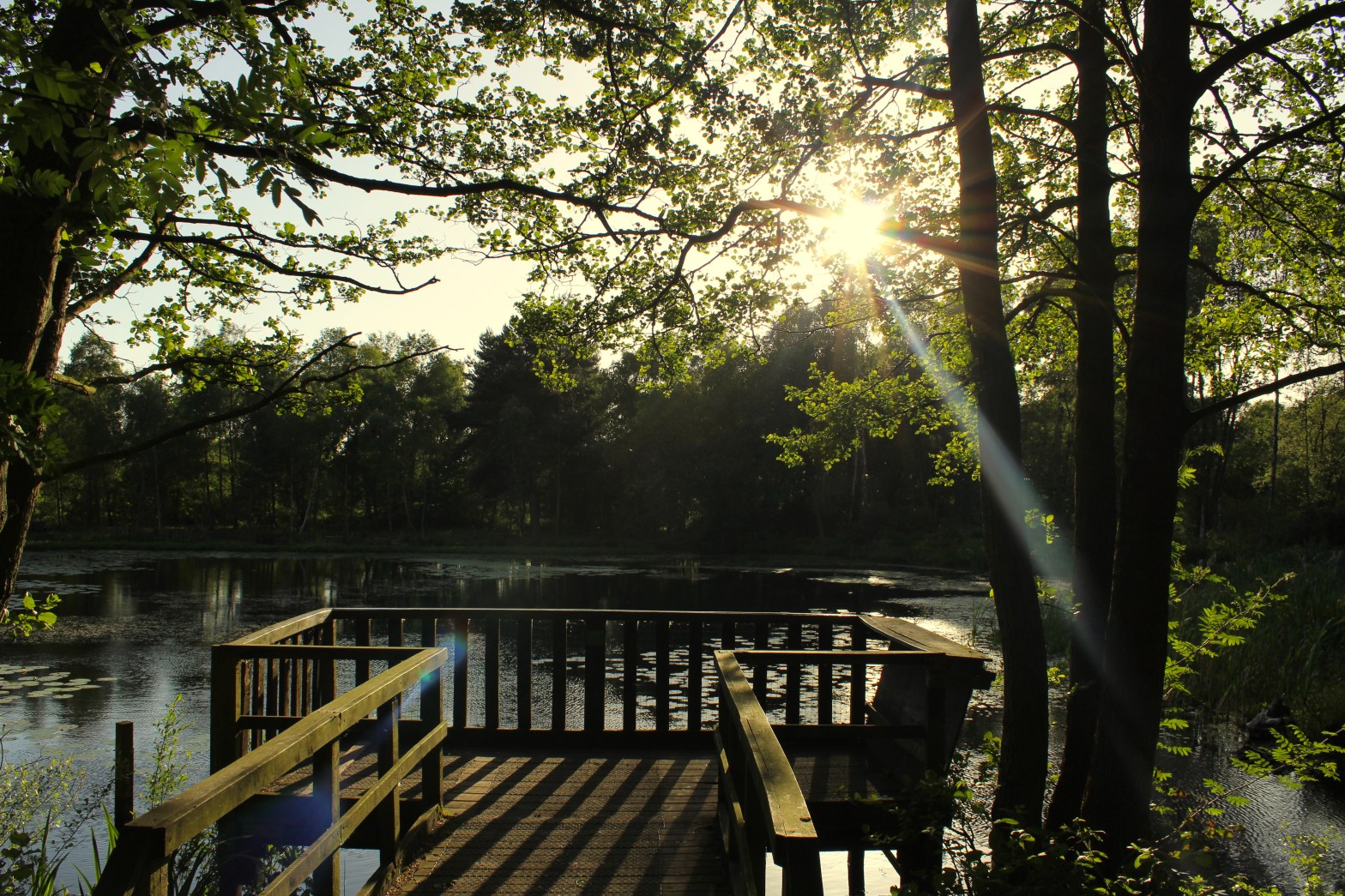
Mere Sands Wood in sleepy Rufford, Lancashire, North-west England

I will be taking the train east from Moscow to Harbin, China with stops in Irkutsk and Chita. I will then turn south and travel to Shanghai via Shenyang, Tianjin and Beijing.

From Shanghai I take a detour to Osaka, Japan by ferry. Then finally I fly from Kansai airport to Ho Chi Minh City. I had intended to not fly at all during this trip but I need to start work earlier than I originally planned so it saves time.

I took this last time I was in Vietnam in 2018 from the train somewhere outside Hanoi

But first I need to go down to London to sort out the last bits of visa admin. Visas have been a real headache over the last two months. I had never applied for a visa before and there are a lot of things I wish I had known. Such as the embassy taking my passport for the time the visa is being processed – this delayed my plans because I had intended to apply for my Russian and Chinese visas at the same time but both require my passport – so I have done them sequentially and lost some time I had hoped to spend in Russia.

Design a site like this with WordPress.com
Get started